
🚨 In a DIY emergency or rush?
Skip the details and jump straight to our 30-second cheat sheet for the most crucial info.
The first time I overseeded my own lawn, I did everything that felt “right” and still got a whole lot of nothing. No green fuzz. No little whiskers of grass. Just my existing lawn staring back at me like I had tossed money into the wind.
If your grass seed is not germinating after overseeding, the fix is not to immediately throw down more seed and hope harder. You want to diagnose the failure point first, because the cause determines whether a redo will work or fail the exact same way.
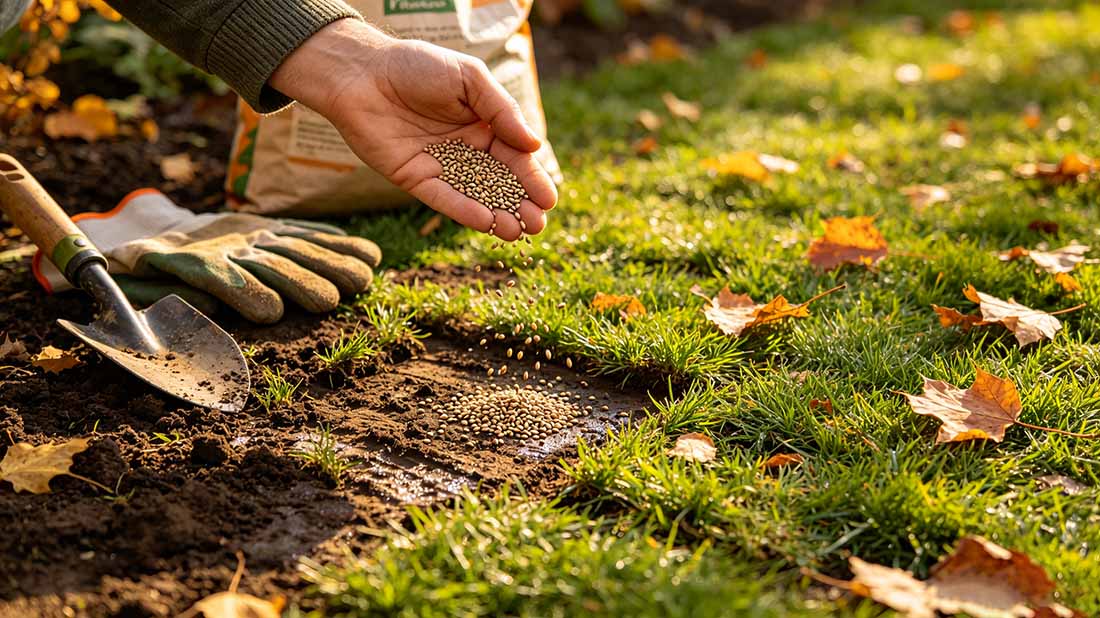
Quick check: is it actually late?
Germination time depends heavily on soil temperature and moisture, not just the calendar. Here are typical ranges when soil is roughly 60 to 75°F and the surface stays evenly damp.
- Perennial ryegrass: often 3 to 10 days
- Tall fescue: often 7 to 21 days
- Kentucky bluegrass: often 14 to 30+ days
If you do not know what you planted, check the seed bag label. Most mixes list the grass types.
If you want a simple sanity check, a cheap soil thermometer helps. You can also look up local soil temperature data from a nearby extension or weather station, but your yard can run warmer or cooler depending on sun and soil type.
My rule of thumb: if you have had consistent moisture and your soil is in the right temperature range and you still see zero sprouting at day 14 (rye or fescue) or day 30 (bluegrass), something is off and it is time to troubleshoot.
Step 1: Find out where the seed went
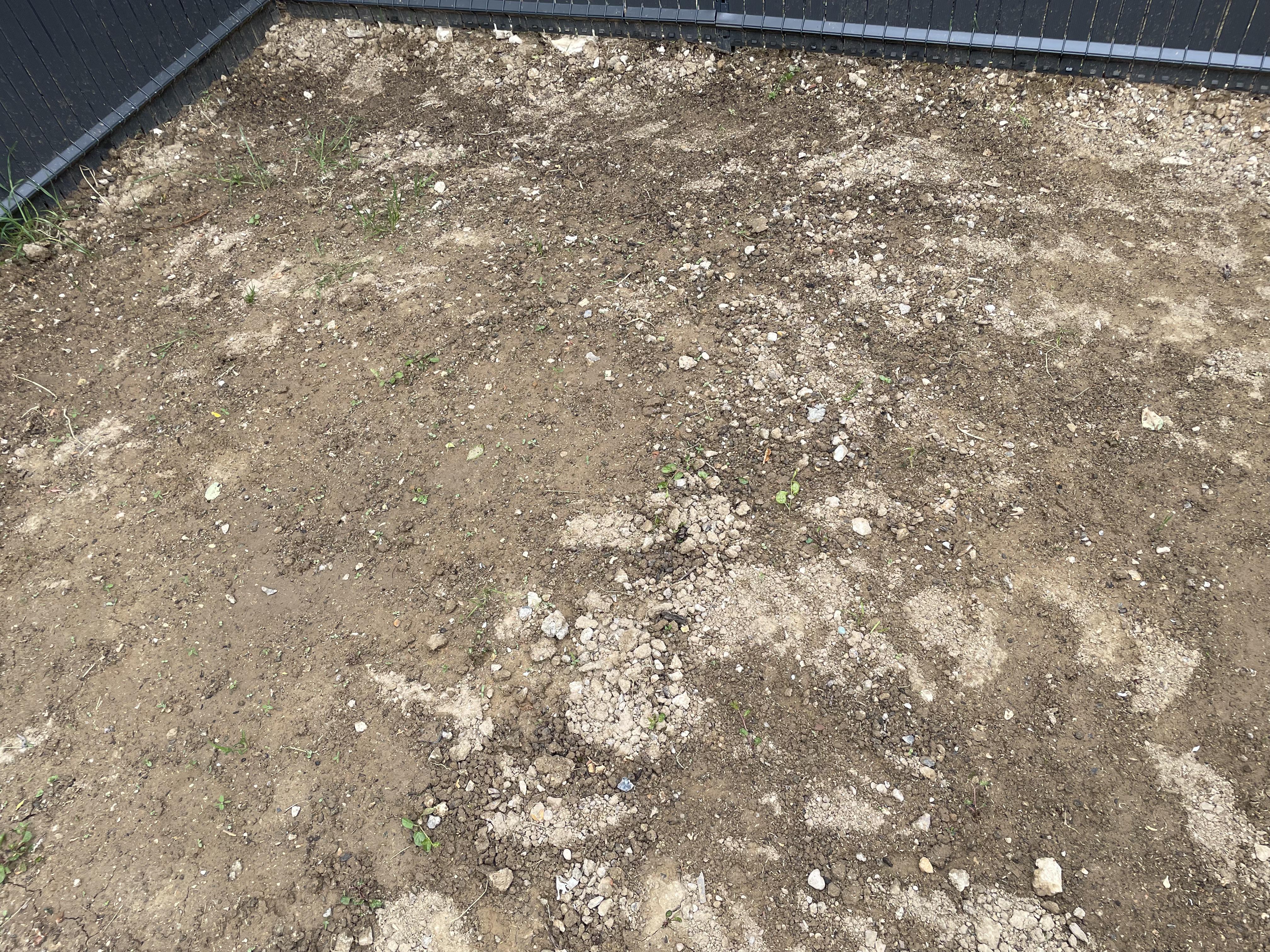
This is the simplest, most revealing test. Pick 3 to 5 spots (sunny, shady, sloped, flat). Gently part the existing grass and look at the soil surface.
- If you see seed sitting on top, it can dry out fast or get eaten.
- If you see no seed at all, it likely washed away, blew away, got eaten, or got picked up by mowing or leaf blowing.
- If you see seed buried deep (deeper than about 1/8 to 1/4 inch), it may struggle to emerge. Check your seed label, because recommended depth varies by type and coating.
- If you see seed that looks swollen or split but no green shoot, it often points to watering problems or rot in the top layer.
Common reasons it does not germinate
1) Seed was buried too deep
Grass seed is not like bean seed. It does not want to be planted deep. Most turf seed needs good seed to soil contact but only a very light cover.
Signs it happened:
- You topdressed heavy (a thick compost or soil layer).
- You raked aggressively and worked seed down into loose soil.
- You aerated, then added enough topsoil to bury seed in the holes and low spots.
Why it stops germination: deeper seed can run out of stored energy before the shoot reaches light, especially if the surface layer stays cool or crusts.
2) Seed dried out between waterings
This is the one that gets a lot of people, including me. During germination, the seed has to stay consistently damp. If it swells up, then dries, it can die or stall.
Signs it happened:
- Topsoil looks crusty, pale, or dusty between waterings.
- You watered once a day, but afternoons were hot, sunny, or windy.
- You see seed on top that looks unchanged after a week.
Why it stops germination: the seed never stays hydrated long enough to complete the process.
3) Seed stayed too wet (and rotted)
Yes, you can overdo it. If the area stays soggy, seed can rot or get smothered.
Signs it happened:
- Soil feels squishy or muddy, or it smells sour.
- You have standing water, especially in low spots.
- You see algae or a slick film on the surface.
Why it stops germination: lack of oxygen plus higher disease pressure. Seed needs moisture, but it also needs air.
4) Seed washed away or piled up
Overseeding on a slope or right before a hard rain can undo the whole job. Seed is light. Water moves it.
Signs it happened:
- Bare spots remain bare, but you find piles of seed at the bottom of the slope.
- You see little rills or channels where water ran.
- Sidewalk edges and driveway seams have seed clumped up.
Why it stops germination: seed ended up where you did not want it, or it dried out on hard surfaces.
5) Soil was too cold (or turned cold right after seeding)
If soil temps are low, germination slows down, sometimes dramatically. If it turns cold and stays wet, seed can sit longer than expected, and some can fail in the process, especially in poorly drained spots.
Signs it happened:
- Nights are consistently cold and the lawn stays damp most of the day.
- You seeded early because the air felt warm, but the ground was still cool.
- Two weeks later, you still see intact seed and no sprouts (especially with rye or fescue).
Why it stops germination: germination is temperature driven. Cool, saturated soil also increases rot risk. It is not guaranteed, but it is a common combo.
6) Pre-emergent blocked it
If a pre-emergent was applied too close to your overseeding window, you can get little to no establishment. Pre-emergents are designed to stop seedlings from establishing. Grass seedlings count.
Common ways this happens:
- A “weed and feed” product was applied without realizing it included a crabgrass preventer.
- A lawn service applied pre-emergent earlier than you thought.
- You used a crabgrass preventer and then decided to overseed soon after.
Important nuance: it is not always “game over,” because products and timing vary. The best move is to identify the active ingredient and follow the label seeding interval. Prodiamine, dithiopyr, and pendimethalin are common examples that can require waiting weeks or longer depending on rate and timing.
Signs it happened:
- Almost nothing germinates even though you watered correctly.
- Weeds are also suspiciously absent in the seeded areas.
Why it stops germination: pre-emergents interfere with new root development, so seedlings cannot establish.
7) Shade, traffic, compaction, or competition
Overseeding is not magic. If you are trying to establish grass in deep shade, under dense tree roots, or in a spot that gets hammered by kids and dogs every day, germination and survival can be poor.
Signs it happened:
- You see a few sprouts, then they disappear.
- The area is thin and compacted, especially near paths or gates.
- It is shaded most of the day.
Why it stops germination: seedlings are fragile. Low light and compaction are a tough combo.
8) Seed was old or stored poorly
Seed is a living product. If it was stored hot, damp, or for a long time, germination rates drop.
Signs it happened:
- The bag has been sitting in a shed or garage through heat and humidity.
- Seed looks dusty, cracked, or clumpy (a sign it saw moisture).
- You used leftovers from last year stored in a humid spot.
Why it stops germination: viability declines with age and poor storage.
9) Soil crusted over
Some soils form a crust after watering and drying cycles, especially heavy clay or areas with fine topdressing. A crust can physically block tiny grass shoots.
Signs it happened:
- The surface looks smooth and sealed, like a thin shell.
- Water beads and runs off instead of soaking in.
- You see cracks as it dries.
Why it stops germination: sprouts cannot break through the crust.
10) Fertilizer or other products stressed the seed zone
Most starter fertilizers are fine when used correctly, but over-applying anything high in salts can stress the germination zone.
Signs it happened:
- You know you applied more than the bag rate, or you had a spill line from the spreader.
- Existing grass shows tip burn shortly after application.
- New sprouts appear in a few places, then stall and fade.
Why it stops germination: excess salts pull moisture away from seed and tender roots. Sometimes you will see residue on the surface, but it is not a reliable sign in every yard.
Step 2: Test the seed before you reseed
If you suspect bad seed or you just want to rule it out, do this quick check first. It costs almost nothing and can save you from repeating the same failure.
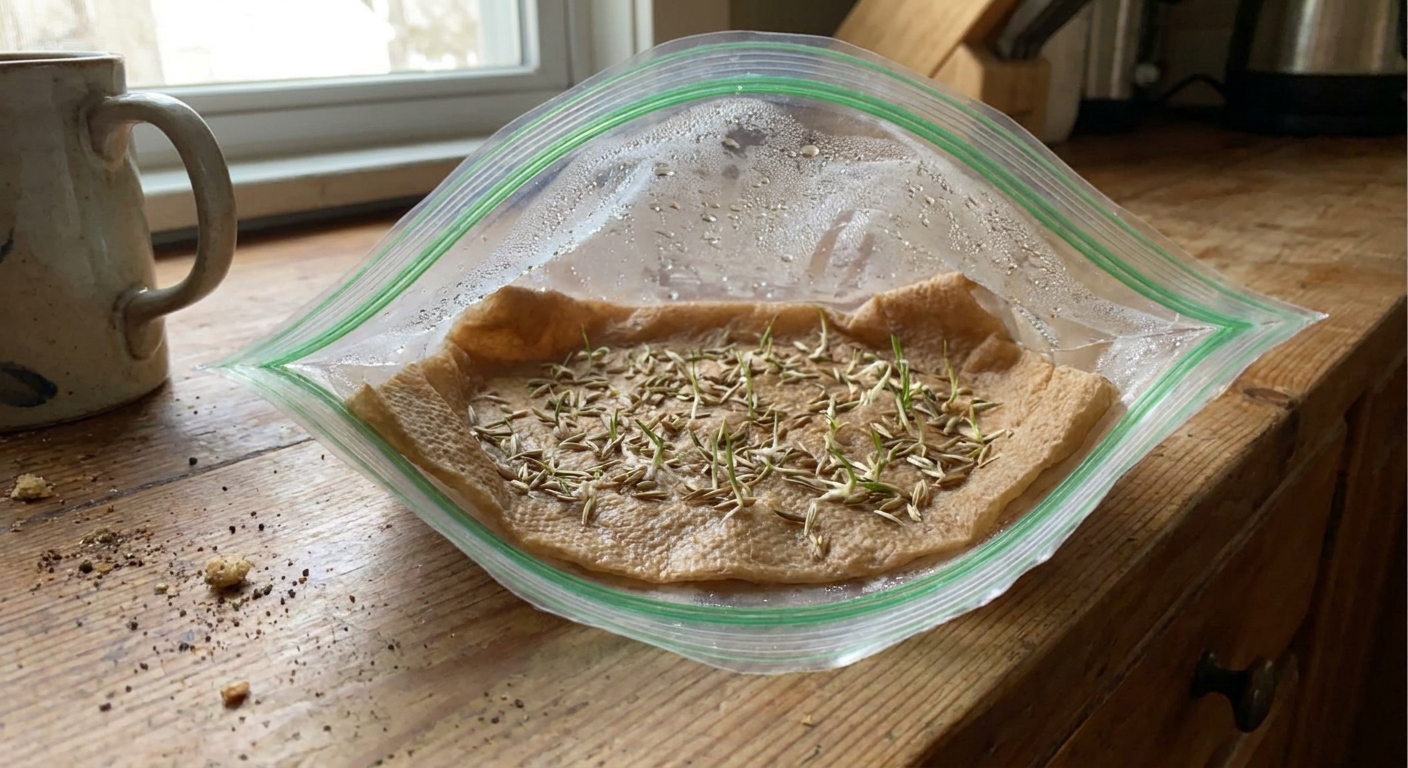
Paper towel germination test
- Put 20 to 30 seeds on a damp paper towel.
- Fold it, place it in a zip bag that is not fully sealed, and keep it warm indoors.
- Check daily and keep the towel damp, not dripping.
- After 7 to 10 days, count how many sprouted.
What the results tell you:
- If most sprout indoors, your seed is viable and the issue is outdoor conditions, seed placement, or chemicals.
- If very few sprout indoors, seed quality or age is a big part of the problem.
Before you redo: a quick prep checklist
If you are going to reseed, this is the small set of steps that makes overseeding actually work instead of just looking like it worked.
- Mow a bit lower than normal and bag clippings so seed can reach the soil.
- Rake or dethatch lightly to open the canopy and expose some soil. You want seed to hit soil, not sit on thatch.
- Improve seed to soil contact with light raking or a lawn roller. Core aeration can help too, especially in compacted areas.
- Topdress lightly if you topdress at all. Think dusting, not blanket.
- Keep traffic off the area for a couple of weeks if possible.
Redo plan (after you pinpoint the cause)
Once you have a likely reason, you can redo the minimum amount of work needed to make the second attempt stick.
If seed was buried too deep
- Do not add more soil on top.
- If you can still find seed, lightly rake to bring some closer to the surface.
- If it has been 2 to 3 weeks with no sprouts, plan to reseed with light topdressing only, just enough to help hold moisture and hide some seed from birds.
If seed dried out
- Reseed the thin spots.
- Reset watering so the top 1/4 inch stays damp through the day.
- In hot or windy weather, that usually means short, frequent cycles rather than one long soak.
If seed stayed too wet
- Let the area dry to a “damp sponge” feel before resuming watering.
- Cut watering duration back. You want damp, not mud.
- Fix drainage in low spots if you have standing water. Even small grading tweaks can matter.
If seed washed away
- Rough up the surface lightly and reseed.
- On slopes, use a light mulch layer like clean straw, a thin compost dusting, or an erosion control blanket to help hold seed in place.
- Avoid reseeding right before forecasted heavy rain.
If soil was too cold
- If you still see seed present and it does not look rotten, patience can pay off.
- If it has been cold and wet for a long stretch and you suspect loss, reseed when soil warms into the recommended range on your seed label.
If pre-emergent is the culprit
- Pause and identify what was applied and when.
- Look up the label seeding interval for that product and rate.
- If you cannot verify product and timing, your best move is usually to wait until the barrier is no longer effective, then reseed.
If shade or traffic is the problem
- Reseed with a shade-tolerant mix appropriate for your region if shade is heavy.
- Block off the area for a few weeks if foot traffic is constant.
- Consider whether that location should be lawn at all, or if a path, mulch, or groundcover makes more sense long term.
If seed quality is questionable
- Buy fresh seed and store leftovers sealed in a cool, dry place.
- Use the paper towel test on the new bag if you want extra peace of mind.
Watering reset: damp, not soggy
I cannot give you one universal schedule that fits every yard, because sun, soil type, slope, and sprinklers vary wildly. But the target is simple.
- During germination: keep the surface consistently damp.
- After sprouts are up: reduce frequency and increase depth gradually, training roots to chase moisture.
Two easy checks:
- Touch the soil. If the surface is dusty, you are underwatering.
- Look for sheen or squish. If it is glossy or muddy, you are overwatering.
Mowing after overseeding
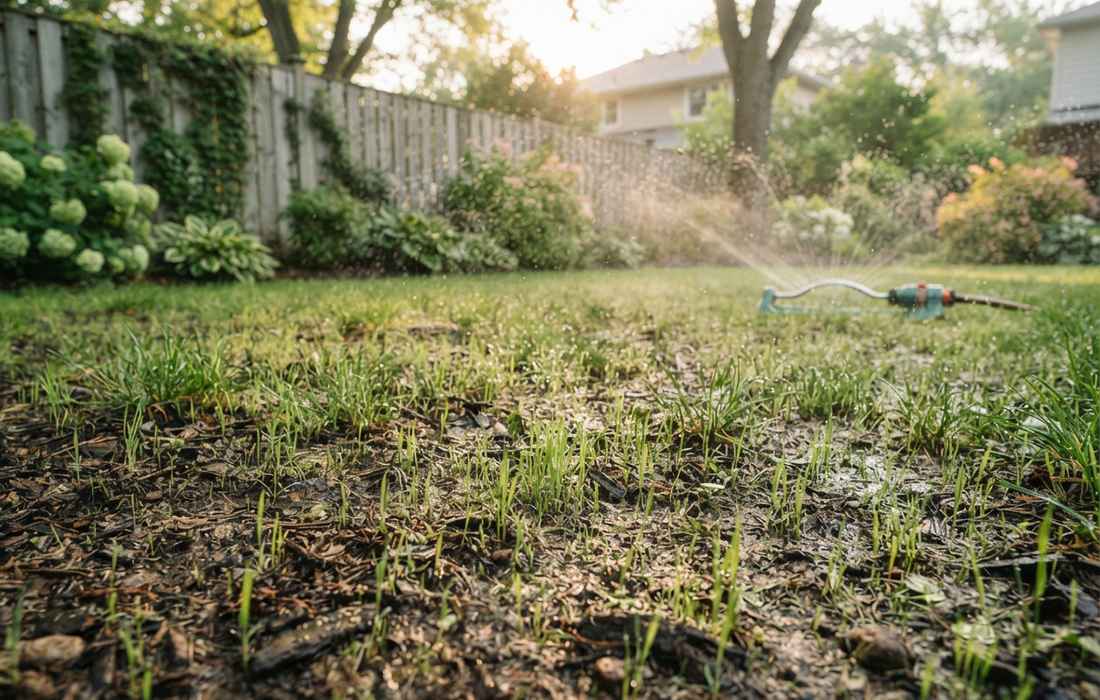
Mowing too early can undo good germination, especially if wheels rut soft soil or the blade pulls seedlings.
- Wait until the new grass is roughly 3 to 4 inches tall before the first mow.
- Use a sharp blade and mow when the lawn is dry enough to avoid tearing.
- Go gentle on turns, and avoid scalping. It is better to mow a little higher at first.
When to call it: signs the first seeding failed
If you are debating whether to wait or redo, these clues help.
- No sprouts after the normal window for your seed type, with soil in the right temperature range and consistent moisture.
- Seed missing from the problem areas.
- Seed turned mushy or smells sour in wet spots.
- Paper towel test fails with the same seed batch.
On the flip side, if you can still find intact seed and conditions are merely cool, you may just need more time.
FAQ
Should I put more seed down if nothing is happening?
Only after you know why nothing happened. If pre-emergent is active, or your watering pattern is drying the surface, more seed just repeats the loss.
Can I cover grass seed with topsoil?
A little cover is helpful, but too much is a common failure. If you topdress, think “light dusting,” not “blanket.” Aim for seed to soil contact plus moisture retention, and keep most seed within about 1/8 to 1/4 inch of the surface unless your label says otherwise.
Birds ate my seed. What now?
Reseed and lightly cover. Even a thin layer of compost or clean straw can reduce bird pressure. Watering right after spreading also helps settle seed into the surface.
Do I need starter fertilizer to get germination?
It can help seedlings once they sprout, but it does not replace the basics. Seed needs moisture, oxygen, and the right soil temperature first. If you do fertilize, follow the bag rate closely.
Does overseeding work the same everywhere?
The basics are the same, but timing and seed choice change by region. Cool-season lawns are typically overseeded in fall. In warm-season areas, many people overseed with rye in fall for winter color, which changes expectations and timing. Your seed label and local extension guidance are worth a quick look.
The 30-Second Cheat Sheet
Essential takeaways for: Grass Seed Not Germinating After Overseeding?
Why your overseeded grass seed is not germinating
- Buried too deep: heavy topdressing or aggressive raking can put seed below its ideal depth.
- Washed away: rain or slopes move seed into piles or off the lawn.
- Soil too cold: seed can take much longer to sprout in cool soil, and cold plus wet raises rot risk.
- Pre-emergent overlap: crabgrass preventers and many weed-and-feed products can block grass seedlings. Check the label for the seeding interval.
- Watering mismatch: drying out between cycles stalls germination, but soggy soil can rot seed.
Fast checks (10 minutes)
- Part the grass in several spots and look for seed on the surface, buried, or missing.
- Dig lightly. If seed is deeper than about 1/8 to 1/4 inch, it may be too deep. Check your bag label.
- Feel the soil. Dusty means too dry, squishy means too wet.
- If you suspect bad seed, do a paper towel germination test indoors.
Redo plan (after you find the cause)
- Dried out: reseed thin spots and keep the surface consistently damp.
- Too wet: let it dry to damp-sponge feel, then water less often.
- Washed out: reseed and use a light mulch layer to hold seed.
- Pre-emergent: identify the product and follow the label seeding interval before reseeding.
- Bad seed: buy fresh seed and store leftovers sealed in a cool, dry place.
💡 Tip: Scroll up to read the full article for detailed, step-by-step instructions.
⬆️ Back to top
About Grit
Content Creator @ Grit & Home
Grit is Grit & Home’s little blue clay courier, delivering big questions about the place you call home. Expect practical ideas, a raised eyebrow, and a satchel full of curiosity.