
🚨 In a DIY emergency or rush?
Skip the details and jump straight to our 30-second cheat sheet for the most crucial info.
Small mystery. Big home questions.
If half your house looks like it is auditioning for a stage spotlight while the other half is stuck in candle mode, do not chalk it up to “old wiring vibes.” That split, especially when it stays that way, is a classic red flag for a lost neutral or other serious supply problem.
This is one of those moments where the safest DIY move is not a tool. It is a phone call.
Jump to the quick answer
If some lights are unusually bright while others are dim at the same time, and it is not just a brief flicker, treat it as urgent.
- Unplug sensitive electronics (computers, TVs, game consoles, modem and router, smart appliances if accessible).
- Do not keep testing it by turning big appliances on and off.
- Call your electric utility first if the issue appears to be house-wide. Many utilities will check the service drop and meter connections.
- If the utility says their side is fine, call a licensed electrician. You may have a loose neutral in the panel, meter base, service equipment, or a related service connection problem.
- If you see or smell burning, hear sizzling, or see arcing, leave the area and call emergency services.
Why this pattern is different
Most homes in North America have 120/240V split-phase power. Think of it like two 120V “legs” that share a neutral.
When the neutral is solid, each leg stays around 120V to neutral and your lights behave normally. When the neutral connection gets loose or fails, the two legs can start seesawing. One side can rise well above normal voltage while the other side drops below it.
That is why you can see some lights brightening while others dim at the same time. It is not that you suddenly have “extra power” on one circuit. It is that your home voltage is getting redistributed in a way it was never meant to.
One more nuance: other failing service connections can create weird, house-wide lighting behavior too. A loose hot connection more often causes dead circuits or a partial outage, but it is still a utility or electrician problem, not a bulb problem.
What to do right now
Here is a simple decision rule:
- Smoke, arcing, sizzling, burning smell: get people out and call emergency services.
- Whole-house or multi-room issue: call the utility first, then an electrician if needed.
- Seems limited to one area or two circuits: call a licensed electrician. A loose neutral in a junction box or a multi-wire branch circuit can still cause dangerous voltage swings.
1) Protect your electronics
Unplug what you would hate to replace. Overvoltage can damage power supplies quickly, and undervoltage can overheat motors and compressors, especially if they struggle to start or try repeatedly.
- Computers and monitors
- TVs and streaming boxes
- Game consoles
- Modem and router
- Phone and tool battery chargers
- Any sensitive medical equipment (follow manufacturer guidance and your care plan)
2) Turn off big loads if you can
If lights are acting wildly, avoid running things like the oven, clothes dryer, HVAC, dishwasher, or space heaters. If a lost neutral is in play, changing loads can make voltage swings worse.
3) Check for danger signs, from a distance
Without opening anything or touching anything, check for:
- A burning smell near the panel, meter, or outlets
- Buzzing or sizzling sounds
- Visible smoke
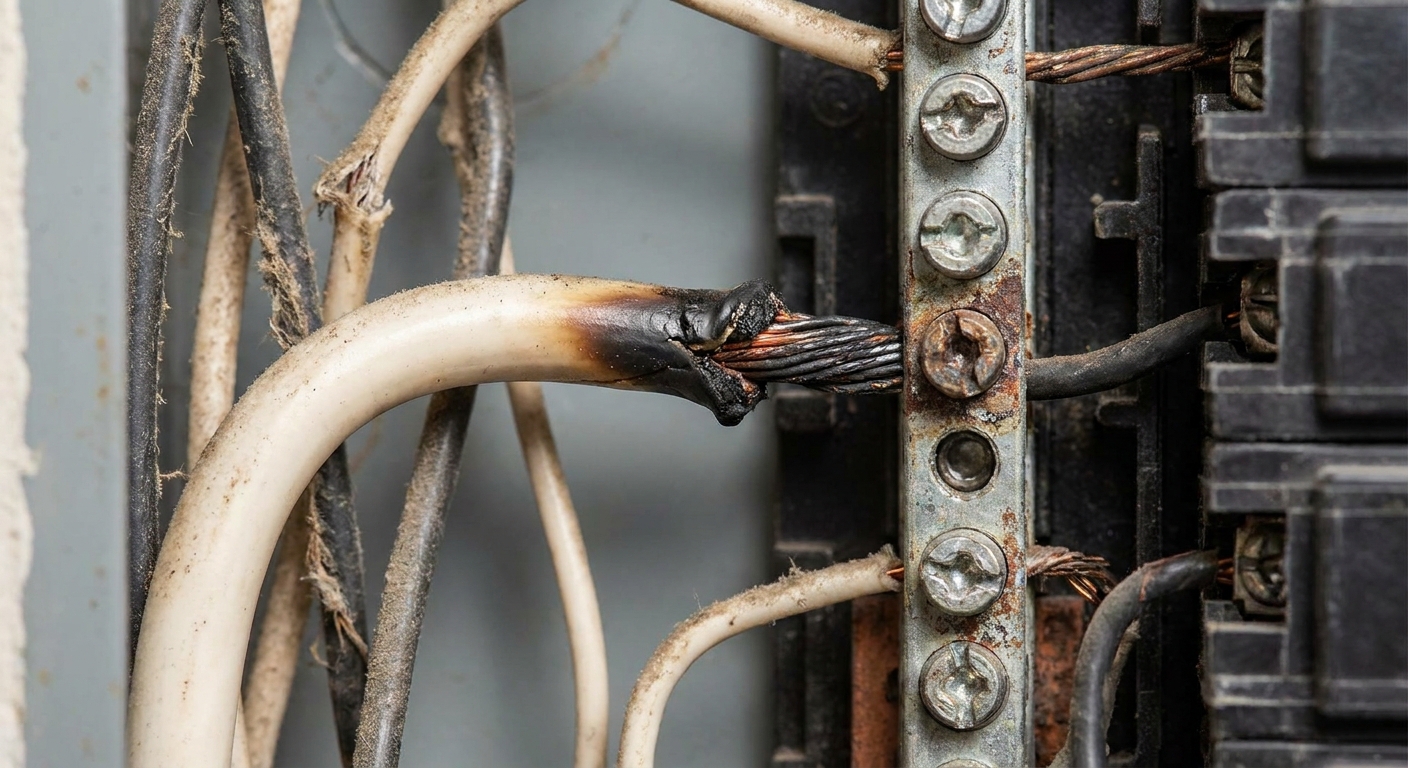
- Discoloration or heat damage around the meter base or panel area
If any of those are happening, step back and call for help.
4) Note the pattern, then make the calls
These are not “danger signs” by themselves, but they are strong clues you should share with the utility or electrician:
- Lights brighten when another appliance turns on
- Brightness “seesaws” when loads change
- Multiple rooms affected across different breakers
Start with your electric utility because problems on their side (service drop connections, transformer neutral, meter connections depending on jurisdiction) can create the same symptoms. If they confirm their equipment is okay, a licensed electrician should check your service equipment, panel neutral, meter base, and any junctions involved.
Brief dip vs sustained split
Homes do a normal little flinch when a big motor starts. A refrigerator, air conditioner compressor, sump pump, or well pump can cause a momentary dip or flicker, especially if the circuit is heavily loaded.
Here is the practical difference:
- Brief dip: Lights dim for a second when the AC or fridge starts, then immediately return to normal. It is usually repeatable with that appliance starting.
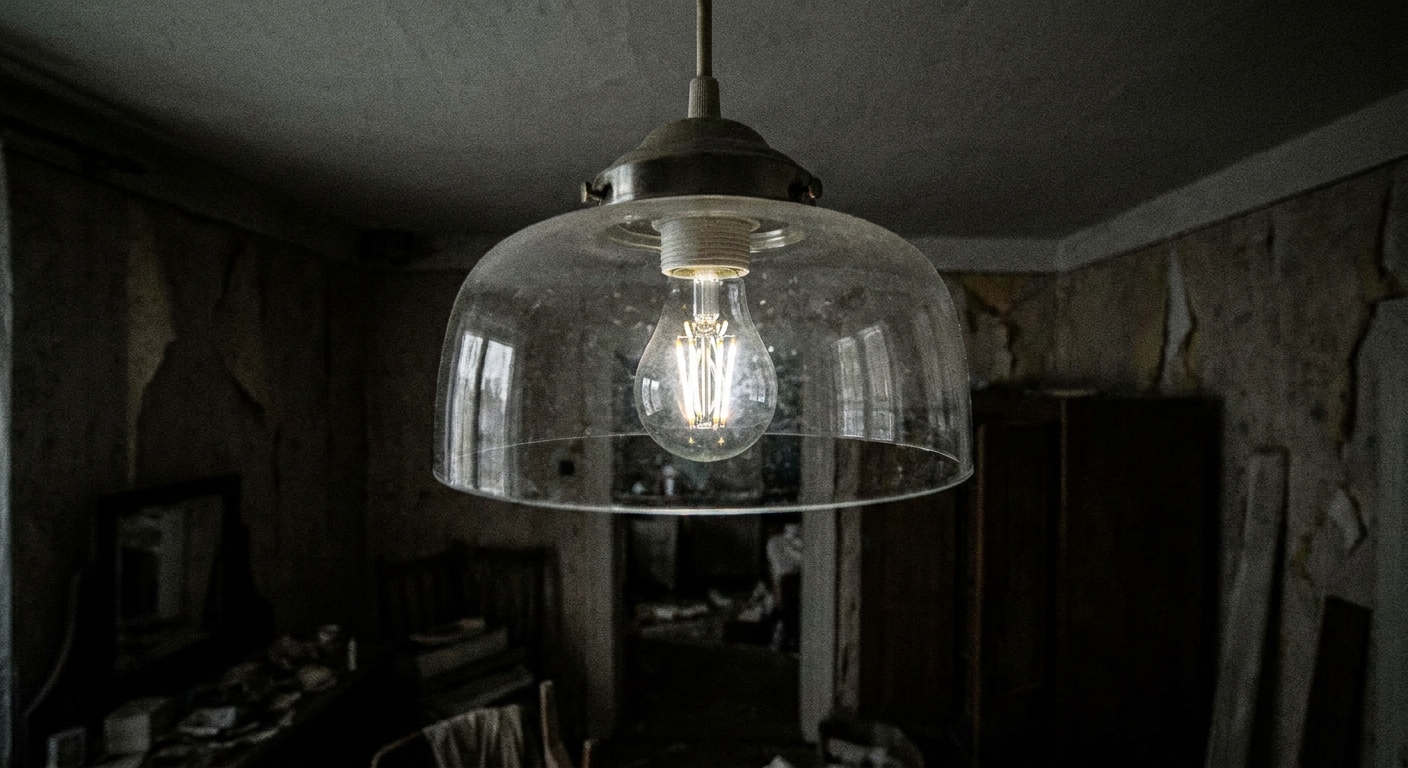
- Sustained split: Some lights stay brighter than usual while others stay dim. It may shift as loads change, and it can persist for minutes or longer. This is the pattern that screams call for help.
If you are seeing the second pattern, do not spend the afternoon experimenting. This is not a “replace a bulb” day.
Other clues of a neutral issue
- LED bulbs suddenly getting harshly bright or failing early
- Multiple rooms affected across different breakers
- Outlets that seem “weak” (chargers slow, fans sluggish)
- Lights brighten when you turn on the microwave, dryer, or space heater
- Flicker that is worse on one side of the house
None of these are perfect proof on their own, but together they are a strong case for a supply or neutral issue rather than a single bad fixture.
What not to do
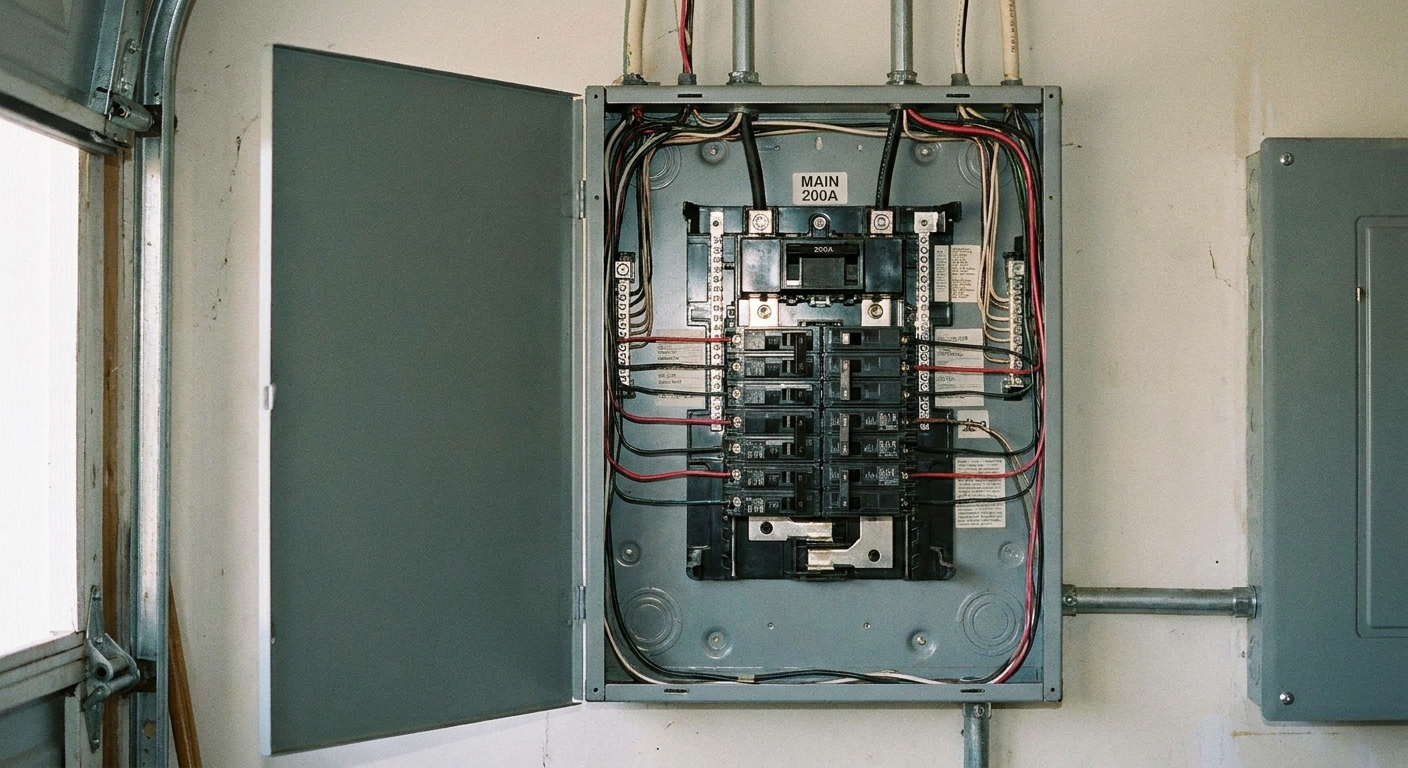
- Do not open your electrical panel to “take a look” if you are not trained and equipped. The hazard is not just the breakers, it is the service conductors and terminations.
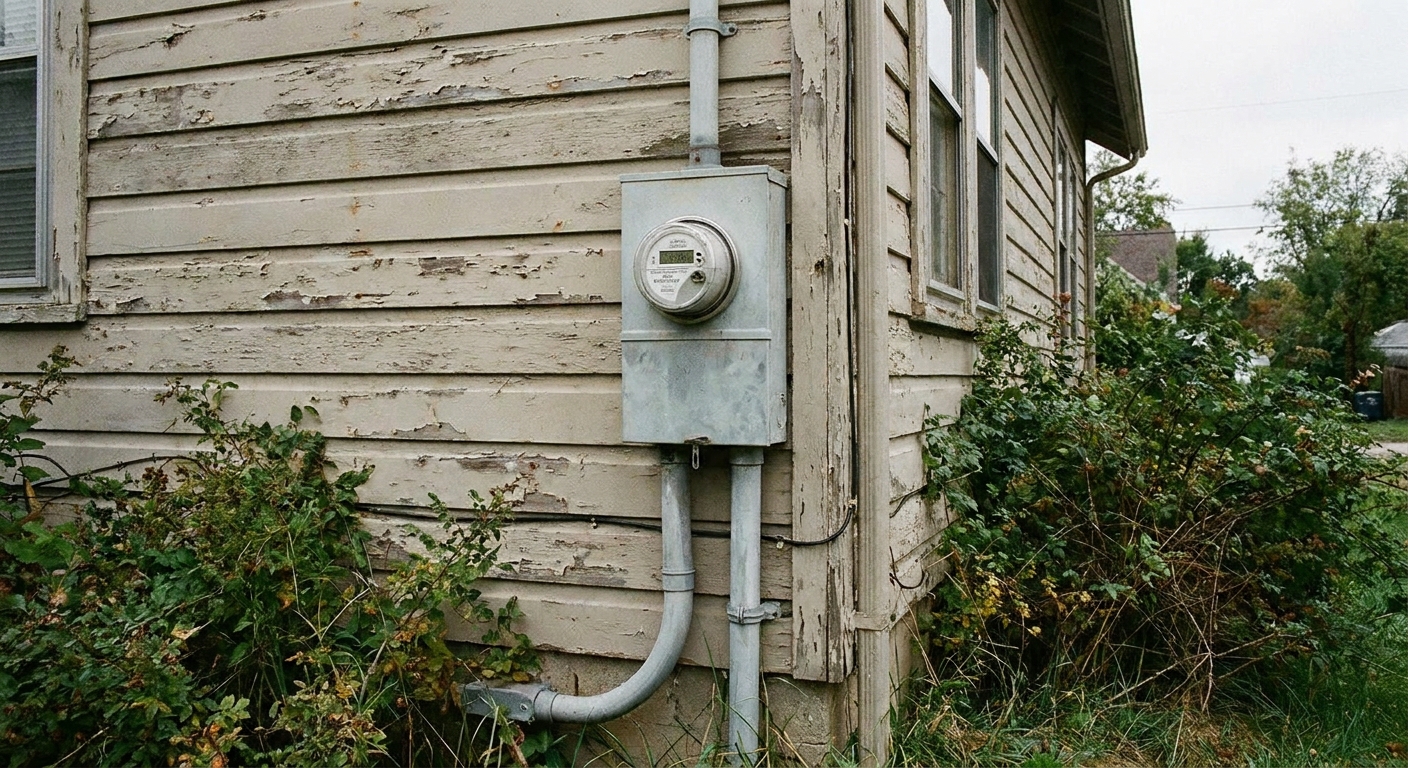
- Do not tighten the neutral or meter connections yourself. Some are utility-owned, and all can be dangerously energized even with the main breaker off.
- Do not rely on a typical surge strip to save you. Plug-in surge protectors can help with transient spikes, but they generally do not protect against sustained overvoltage from a neutral failure.
- Do not ignore it because everything is still on. Lost neutral issues can damage equipment and create fire risk while power appears mostly normal.
What a pro will check
Different homes and jurisdictions vary, but the usual suspects include:
- Neutral connection at the service drop and weatherhead
- Neutral and hot connections at the meter base
- Service neutral termination in the main panel
- Signs of heat damage at lugs and bus bars
- Voltage measurements under load to confirm imbalance
- Bonding and grounding integrity (not the same thing as neutral, but related to safety)
If the issue is on the utility side, they repair it. If it is on the customer side, an electrician repairs or replaces the damaged connection or equipment.
FAQ
Could this be a bad breaker?
A single bad breaker usually causes a loss of power or trouble on one circuit, not a house-wide bright-and-dim split. The split pattern points more toward a neutral or service problem.
Could it be the bulbs?
Bulbs can flicker for plenty of reasons, but when the symptom is some lights too bright while others are too dim at the same time, across different rooms, bulbs are rarely the main issue.
Is this an emergency?
If the condition is sustained or repeating, treat it as urgent. Unplug sensitive electronics and contact your utility or a licensed electrician promptly. If you see arcing, smoke, or smell burning, leave the area and call emergency services.
What if it only happens sometimes?
Intermittent problems can still be serious. Loose connections can act up with wind, temperature changes, or changing electrical loads. Document what you notice, including time of day and which rooms are bright or dim, then call for service.
The 30-Second Cheat Sheet
Essential takeaways for: Half the Lights Too Bright and Half Too Dim?
What it probably is
If half your lights are noticeably brighter and half are dim at the same time, think lost or loose neutral or another serious service connection problem, not “normal flicker.”
Do this now
- Unplug sensitive electronics (computers, TVs, modem and router, chargers).
- Avoid running big appliances (dryer, oven, HVAC, dishwasher) until it is checked.
- Call your utility first for a service check.
- If the utility says it is not their side, call a licensed electrician.
How to tell it from a normal dip
- Normal: lights dim for a second when the AC or fridge starts, then return to normal.
- Not normal: some lights stay bright while others stay dim for minutes or longer, or the brightness “seesaws” when loads change.
Do not
- Do not open the panel or try to tighten neutral connections.
- Do not keep experimenting by turning appliances on and off.
- Do not ignore burning smell, buzzing, sizzling, smoke, or visible arcing. Leave the area and call emergency services.
💡 Tip: Scroll up to read the full article for detailed, step-by-step instructions.
⬆️ Back to top
About Grit
Content Creator @ Grit & Home
Grit is Grit & Home’s little blue clay courier, delivering big questions about the place you call home. Expect practical ideas, a raised eyebrow, and a satchel full of curiosity.