
🚨 In a DIY emergency or rush?
Skip the details and jump straight to our 30-second cheat sheet for the most crucial info.
Small courier. Big home questions.
If your furnace is limping through winter like a tired mail truck, the big question becomes less “Can I coax one more season out of it?” and more “What is this going to cost me?” Furnace pricing can feel slippery because it is not just the box. It is the fuel, the efficiency, the venting, the ductwork, the quirks of your house, and the quality of the install.
Below are real-world installed ranges (think 2026-era pricing in many U.S. markets), the factors that move them, and how to decide if a high-efficiency model will actually pay you back. Your local labor rates and code requirements can swing these numbers, sometimes a lot.
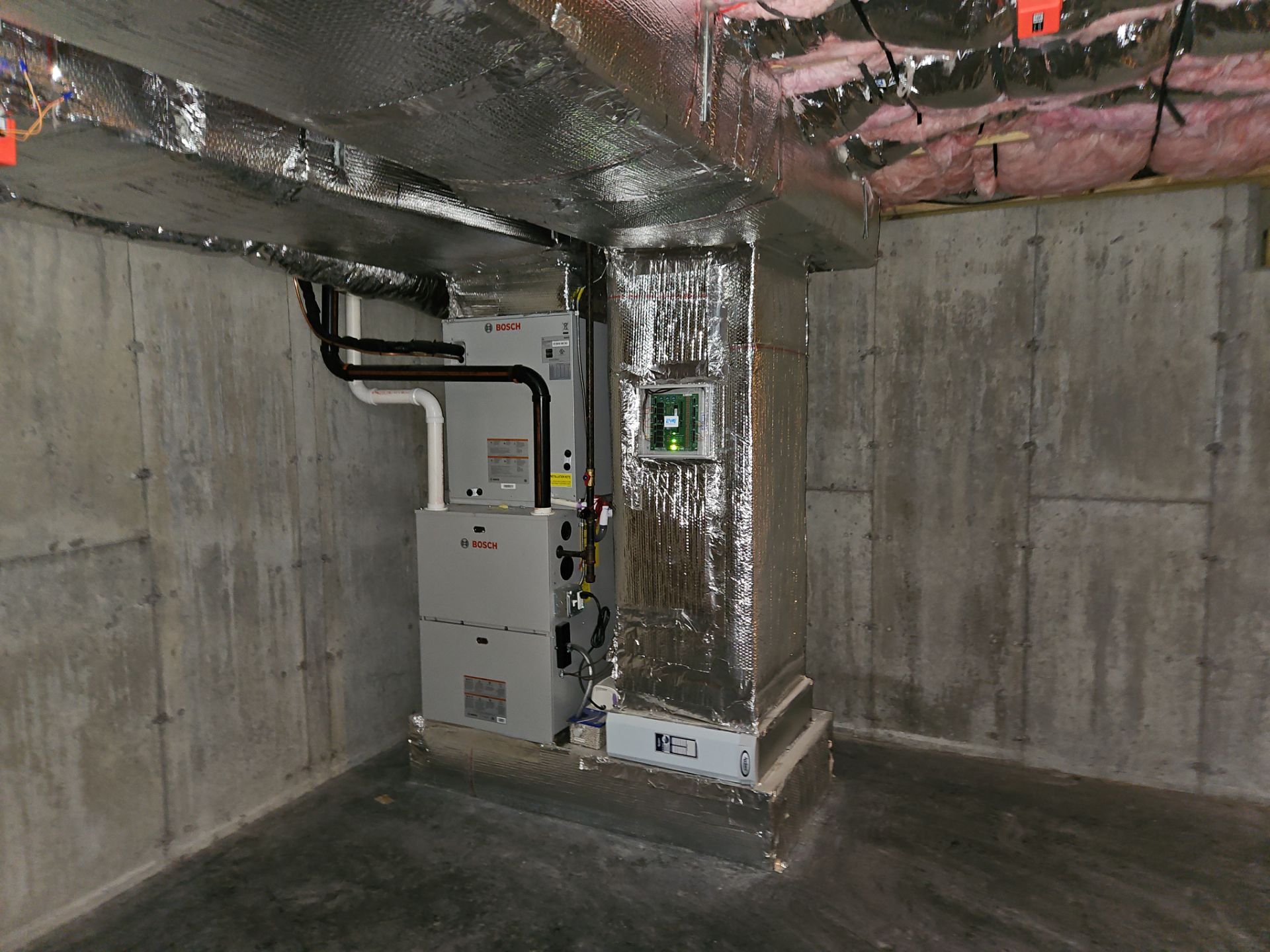
Quick cost snapshot
Most homeowners land in a broad band:
- Typical furnace replacement installed: $4,000 to $12,000+
- Low end (simple swap, same fuel, easy access): often $3,500 to $6,000
- Higher end (high-efficiency, venting changes, ductwork fixes, tight attic installs): often $10,000 to $18,000+
Those numbers are for the furnace portion of a job. If you are also replacing an air conditioner or heat pump coil, adding zoning, or changing fuels, the total can move a lot.
Installed cost by fuel
Fuel choice is one of the biggest pricing levers because it affects equipment cost, venting requirements, and sometimes gas piping or electrical needs.
Natural gas furnace
- Installed range: $4,000 to $12,000+
- Why it varies: AFUE level (80 vs 90+), venting type, and whether the job is a clean swap or needs return air and ductwork corrections.
Propane furnace
- Installed range: $5,000 to $13,000+
- Why it varies: Similar to natural gas, but propane setups sometimes require regulator, piping, combustion tuning, or tank-related coordination.
Oil furnace
- Installed range: $6,000 to $14,000+
- Why it varies: Chimney and flue condition, oil line and filter upgrades, and the cost of code-compliant safety controls.
Electric furnace
- Installed range: $2,500 to $7,000+
- Why it varies: Electrical service capacity, breaker and wiring upgrades, and how the air handler integrates with your ducts. Electric furnaces are usually cheaper to install but can be costly to operate in cold climates.
Note: In some homes, the real “competitor” to a furnace is a heat pump (sometimes with backup heat). Heat pumps can win in mild climates, in dual-fuel setups (heat pump plus gas furnace backup), or when rebates make the math attractive. If you are already writing a big HVAC check, it is worth getting a heat pump quote too.
Installed cost by AFUE
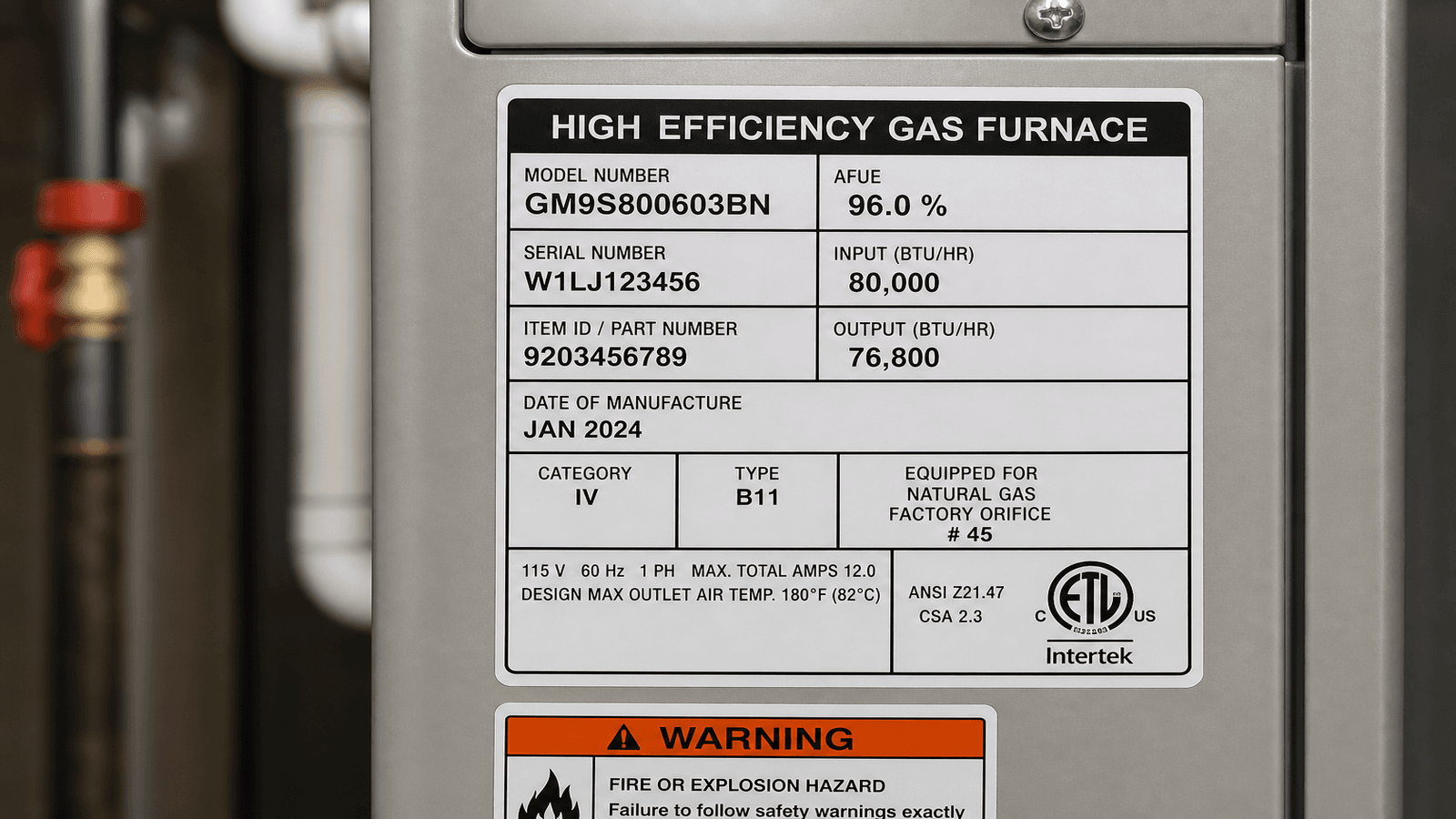
AFUE is the efficiency rating for furnaces. In plain terms, it describes how much of the fuel turns into usable heat for your home across a season.
80% AFUE
- Installed range: $3,500 to $8,000+
- Typical setup: Often uses metal venting into a chimney or B-vent.
- Where it shines: Lower upfront cost, simpler venting, good fit when venting a condensing furnace would be expensive or complicated.
90% to 96% AFUE
- Installed range: $6,000 to $14,000+
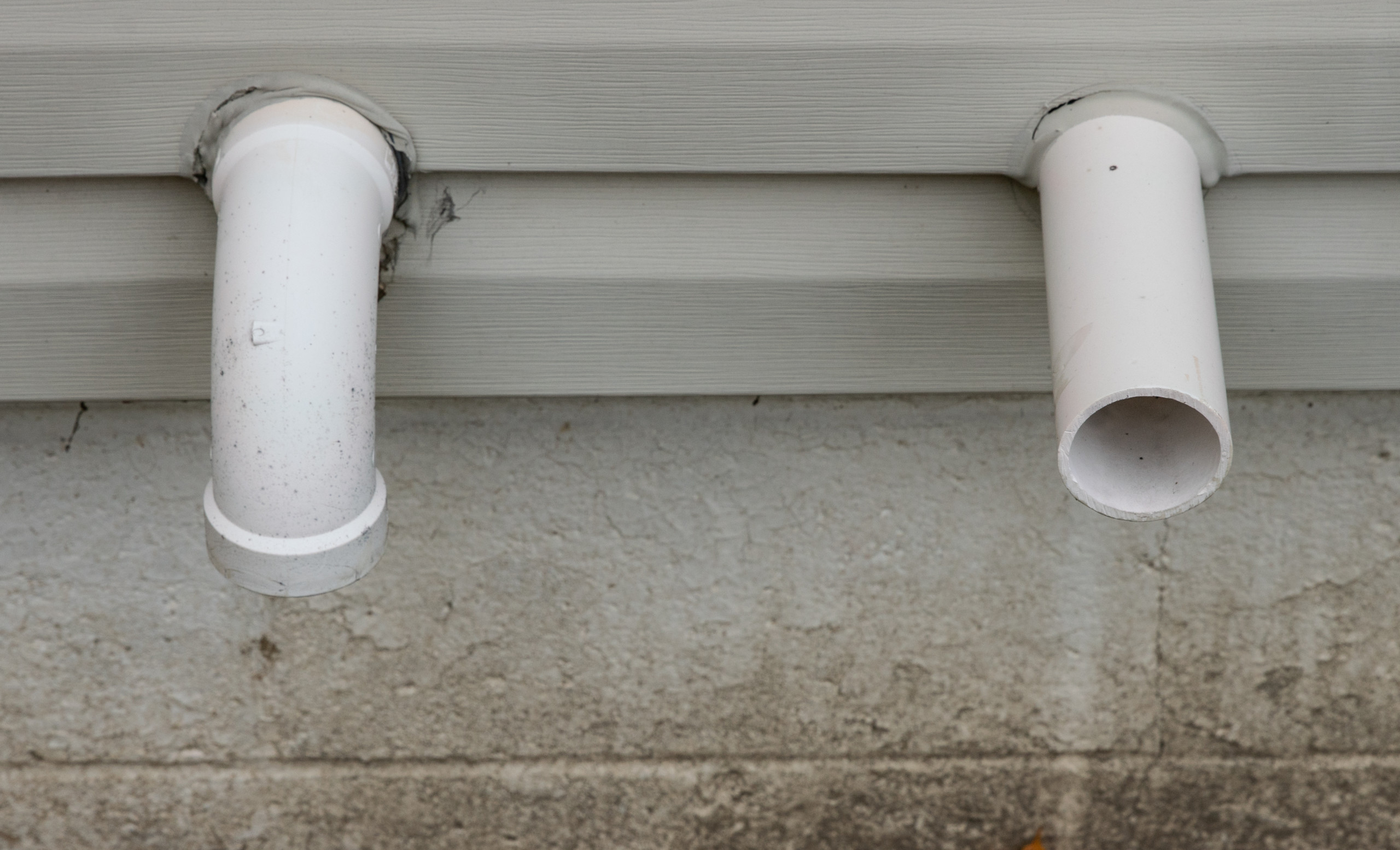
- Typical setup: Two-pipe venting to the outdoors (often PVC, but sometimes CPVC or polypropylene depending on manufacturer and local code), plus a condensate drain and sometimes a condensate pump.
- Where it shines: Colder climates, high fuel rates, or when you plan to stay in the home long enough to benefit from fuel savings.
97%+ AFUE
- Installed range: $8,000 to $18,000+
- Typical setup: Often paired with modulating gas valves and variable-speed blowers for comfort, quieter operation, and steadier temperatures.
- Where it shines: Comfort-focused upgrades, long-term ownership, and homes where rebates offset the premium.
Efficiency is not just about the sticker. A high-AFUE furnace installed with leaky ducts, poor return air, or incorrect sizing can still leave comfort and money on the table.
Installed cost by size
Furnace size is usually discussed in BTU input (like 60,000 or 100,000 BTU). Bigger is not automatically better. Oversized furnaces can short-cycle, feel drafty, and wear out faster.
- 40,000 to 60,000 BTU: often $3,500 to $9,000 installed
- 70,000 to 90,000 BTU: often $4,500 to $11,000 installed
- 100,000 to 120,000+ BTU: often $5,500 to $14,000+ installed
The right way to size a furnace is with a Manual J heat load calculation, not a guess based on the old unit. If you want a quote you can trust, ask if they are doing a load calc or at least verifying duct sizing and static pressure.
Add-ons that raise price
This is where “the same furnace” can become two very different bids. The difference is usually scope.
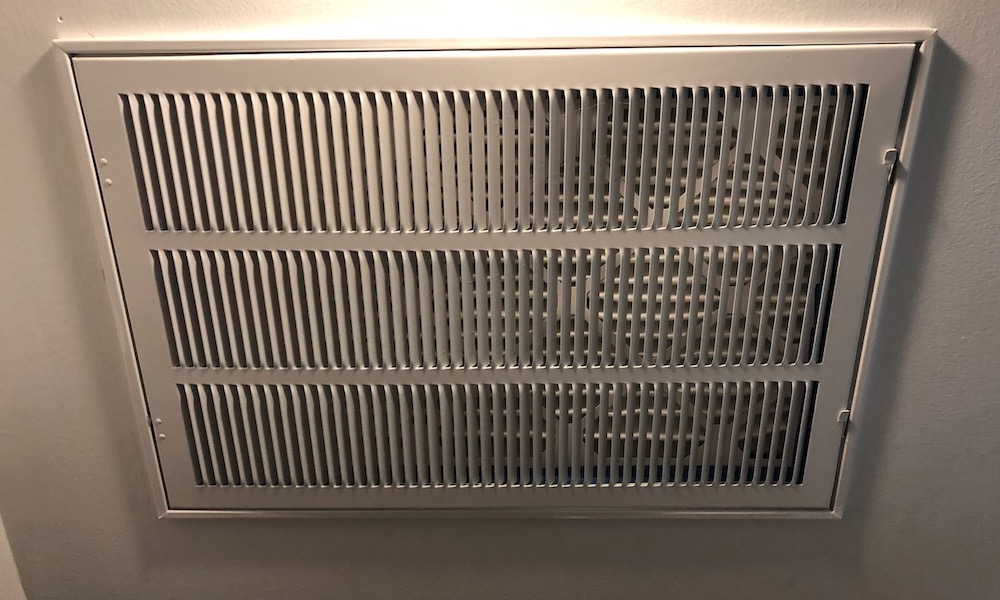
Ductwork fixes
- Minor duct sealing or reconnecting: $300 to $1,500
- Adding or resizing returns, correcting airflow issues: $1,000 to $4,000+
- Partial duct replacement: $2,000 to $7,000+
- Full duct replacement: often $6,000 to $15,000+
If one quote includes duct fixes and the other does not, they are not actually quoting the same job. This is one of those “I see it all the time on the estimates” moments.
Venting changes
- New intake and exhaust runs for a condensing furnace: often $500 to $3,000+
- Chimney liner (when required for remaining appliances): often $1,000 to $3,500+
- Condensate drain and pump: often $150 to $600+
Electrical and safety items
- New disconnect, whip, minor electrical work: $150 to $600
- Panel or circuit upgrades (if needed): highly variable, often $500 to $3,000+
- CO safety checks and combustion testing: sometimes included in the install price, sometimes billed separately, often $0 to $300 (where $0 means included)
Comfort and air quality
- Media filter cabinet: $200 to $900
- Humidifier installed: $400 to $1,200+
- Thermostat upgrade: $150 to $600+
- Zoning controls: often $2,000 to $6,000+
These can be great upgrades, but they are also common ways a bid quietly balloons. Make sure you actually want each add-on.
What moves quotes
If you are trying to decode three estimates that look like they came from three different planets, here are the usual culprits:
- Access and labor time: Attic installs, tight closets, and finished basements cost more.
- Efficiency and features: Two-stage and modulating furnaces and variable-speed blowers typically cost more than single-stage units.
- Venting complexity: Long vent runs, tricky termination locations, and condensate routing add labor and materials.
- Duct condition: Undersized returns, high static pressure, and leaky supply trunks can force corrections if you want good performance.
- Permits and code: Some bids include permits and inspections, some do not. Permits matter for safety, resale, and in some cases insurance. A no-permit bid is a yellow flag.
- Warranty terms: Parts warranties are often manufacturer-based, but labor warranties vary by contractor.
- Timing: Emergency replacements during cold snaps often cost more because scheduling is harder.
What “installed” should include
If you want a fast way to compare bids, ask each company to list what they consider standard scope. On many straightforward replacements, “installed” often includes:
- Removal and disposal of the old furnace
- Permits and inspection (where required)
- Basic sheet metal transitions between furnace and existing ductwork
- New gas connection parts as required by code in your area
- Venting work needed for the new furnace (or a clear plan if existing venting stays)
- Condensate drain routing (condensing furnaces)
- Start-up and commissioning: combustion setup where applicable, temperature rise, static pressure checks
What homeowners forget to ask, then regret later: “Who is handling the venting details and the inspection?” That is where corners get cut when everybody is in a hurry.
High-efficiency payback
A 95% AFUE furnace is usually more expensive than an 80% AFUE model. Whether it is worth it depends on your fuel costs, your climate, and how long you will stay put.
A simple shortcut
Use this as a back-of-the-napkin check:
- Step 1: Estimate your annual heating cost (last year’s fuel bills are a good starting point).
- Step 2: Estimate best-case fuel savings from the efficiency jump. Going from 80% to 95% AFUE can reduce fuel use by about 1 − 80/95 ≈ 15.8% for the same delivered heat.
- Step 3: Divide the extra upfront cost by the annual savings.
Example
If you spend $1,200/year on heating and you are comparing:
- 80% AFUE installed: $6,000
- 95% AFUE installed: $8,000
The upgrade premium is $2,000. Estimated annual savings could be roughly $1,200 × (1 − 80/95), which is about $190/year. That is a payback of around 10 to 11 years.
Two reality checks:
- If a 90%+ install requires expensive venting or chimney work, payback stretches.
- If your ducts are leaky or your system is oversized, the “equipment-only” savings can get swallowed.
Comfort can be the deciding factor. Two-stage and modulating furnaces can run longer at lower output, which often feels steadier and quieter. That benefit is real even when the strict payback math is not thrilling.
Rebates and credits
Rebates change frequently and depend on location, income, and the exact equipment model number. Still, it is worth checking these common buckets before you sign:
- Federal tax credits: Some high-efficiency HVAC equipment may qualify under federal energy incentives. Confirm eligibility by model, efficiency rating, and current IRS rules.
- State energy programs: Many states offer rebates for high-efficiency heating upgrades, sometimes boosted for income-qualified households.
- Utility rebates: Gas and electric utilities frequently offer rebates for 90%+ AFUE furnaces, smart thermostats, or duct sealing.
- Manufacturer promotions: Usually seasonal, sometimes structured as instant discounts or financing.
Tip from the courier satchel: for a furnace-only replacement, rebates usually hinge on the model number and AFUE documentation. If you are replacing AC or a heat pump at the same time, ask for the AHRI match-up certificate because many cooling and heat pump rebates require a rated equipment combination.
Compare quotes
When you review estimates, try to make the bids “apples to apples” by getting clear answers to these:
- What is included? Permit, removal and disposal, thermostat, filter rack, venting, condensate pump, and start-up testing.
- What efficiency and features? Single-stage vs two-stage vs modulating, and blower type.
- What sizing method? Manual J, or at least a documented rationale beyond “same size as before.”
- Any ductwork work? If static pressure is high or returns are undersized, ask what they plan to do about it.
- Labor warranty length? Parts warranties can look generous, but labor coverage is often where you feel the difference.
- What is the plan for combustion safety? Especially if you have a water heater or other appliances sharing venting.
Repair or replace
Not every noisy start-up means it is time for a full replacement. But replacement starts to make sense when:
- It is 15 to 25 years old (maintenance, sizing, install quality, and runtime can shorten or extend lifespan).
- Major component failure hits, like a heat exchanger issue, repeated control board failures, or expensive blower problems.
- Repairs keep piling up and comfort is still bad.
- Safety concerns come up, especially with combustion or carbon monoxide risk.
- Your energy bills are consistently high and you have already handled basics like filter changes and thermostat settings.
If you are in the gray zone, ask for a repair estimate and a replacement estimate in the same visit, then compare them calmly when the house is warm again.
One more safety note that is never a bad idea: make sure you have a working CO detector on each level and near sleeping areas, especially after any furnace or venting work.
FAQ
Is it cheaper to replace only the furnace?
Replacing only the furnace is usually cheaper upfront. Replacing furnace and AC together can be cost-effective if both are near end of life, if the evaporator coil is mismatched, or if you want to avoid paying overlapping labor later. A contractor can confirm compatibility between the new furnace blower and your existing cooling system.
Why is one bid $5,000 and another $12,000?
Usually because the scope is different. The higher bid may include venting changes, duct fixes, permits, better warranty coverage, or a higher-end two-stage or modulating furnace. Ask each contractor to itemize what is included.
Can I install a furnace myself?
Furnace installation typically involves gas, combustion venting, electrical, condensate management, and code requirements. For most homeowners, this is a pro job. If you want to DIY something helpful, focus on keeping filters changed, returns unblocked, and ducts sealed where accessible.
What should I do before the installer arrives?
- Clear a path to the furnace and the electrical panel.
- Remove stored items around the unit.
- Know where your thermostat is and whether you want to keep it or upgrade it.
- Write down comfort complaints room by room so the contractor can address airflow issues, not just swap the box.
The 30-Second Cheat Sheet
Essential takeaways for: How Much Does a New Furnace Cost?
Ballpark installed cost
- Most replacements: $4,000 to $12,000+ installed (varies by region, access, and scope)
- Simple swap (easy access, same venting): often $3,500 to $6,000
- High-efficiency with venting or duct fixes: often $10,000 to $18,000+
What changes the price fastest
- Fuel: gas and propane are common, oil is often pricier to install, electric is cheaper to install but can cost more to run.
- Efficiency (AFUE): 80% is usually cheaper upfront, 90%+ often needs new venting materials and a condensate drain.
- Size (BTU): bigger is not better. Ask for a Manual J load calculation.
- Ductwork: sealing, returns, and airflow corrections can add $300 to $4,000+, full duct replacement can be $6,000 to $15,000+.
- Venting: new vent runs, chimney liner needs, and condensate pump can add $150 to $3,500+.
High-efficiency payback shortcut
Payback years roughly equals: (extra upfront cost) ÷ (estimated annual fuel savings).
A quick best-case estimate for going 80% to 95% AFUE is roughly a 15% to 16% drop in fuel use (because 1 − 80/95 ≈ 0.158). Real-world savings can be lower if ducts leak or the system is oversized.
Rebates to check
- Federal tax credits (model-specific and rule-dependent)
- State programs
- Utility rebates for 90%+ AFUE, duct sealing, and thermostats
- Manufacturer promos
Quote checklist
- Permits and disposal included
- Exact model numbers and AFUE stated
- Venting and condensate plan described
- Ductwork corrections itemized
- Labor warranty length in writing
- Combustion safety and CO checks included
💡 Tip: Scroll up to read the full article for detailed, step-by-step instructions.
⬆️ Back to top
About Grit
Content Creator @ Grit & Home
Grit is Grit & Home’s little blue clay courier, delivering big questions about the place you call home. Expect practical ideas, a raised eyebrow, and a satchel full of curiosity.