
🚨 In a DIY emergency or rush?
Skip the details and jump straight to our 30-second cheat sheet for the most crucial info.
I am all for DIY, but brown recluse spiders are one of those problems where the winning move is not spraying everything that moves. These spiders are well-adapted to hiding in stored clutter, especially the stuff we all stack and forget about in basements, closets, garages, and spare rooms. If you focus on inspection, reducing hiding places, and simple monitoring, you can usually get control without turning your home into a chemical zone.
Before we talk tactics, a quick reality check. Brown recluses have a fairly specific home range in the US. They are concentrated in the south-central states and parts of the Midwest, most commonly from Texas and Oklahoma through Kansas, Missouri, Arkansas, and into nearby areas eastward. Outside that core range, confirmed populations are much less common. Can they show up elsewhere from a moving box or shipment? Yes. Sustained, house-wide infestations outside the established range are just less typical, which is why correct identification matters so much.
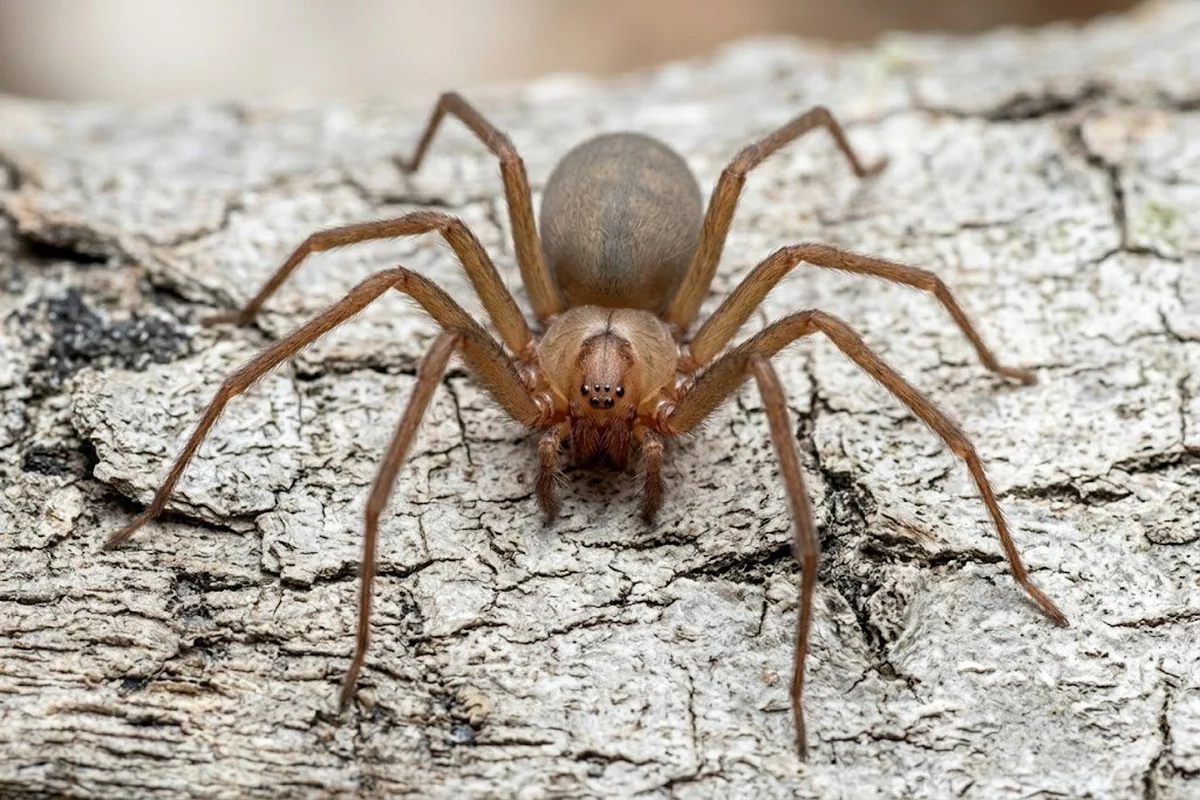
First: Make sure it is actually a brown recluse
Misidentification is one of the biggest reasons people panic and over-treat. Brown recluses are medically significant, but they are also shy and not aggressive. Correct ID helps you choose the right plan and helps a pest pro, if you hire one.
Quick ID markers
- Body: light brown to medium brown. Many adults have a legspan that looks roughly “penny-sized,” but there is variation.
- Marking: a darker violin-shaped mark on the top of the body can be present, but it can be faint. Do not rely on this alone.
- Eyes: brown recluses have six eyes arranged in three pairs, not eight. This is hard to see without magnification.
- Legs: usually plain looking, without obvious thick spines or bold banding.
- Webs: they do not build orb webs. Their webbing is usually irregular and tucked into a quiet retreat. If you are seeing big, organized orb webs or sheet-like webs in the open, that often points to other species.
Brown recluse vs. black widow vs. common house spiders
- Black widows: glossy black, round abdomen, and often a red hourglass marking underneath. Widows tend to hang in messy webs in protected outdoor or garage spots. If it is shiny-black and round, treat it like a widow, not a recluse.
- Harmless house spiders: many are darker, hairier, or patterned, and they often leave visible webs. They are also commonly found all over the country.
If you think you have a recluse, try to capture one for confirmation. Slide a clear cup over it, slip stiff cardboard underneath, and tape the cardboard to the cup for transport. A local extension office or a reputable pest company can often confirm the ID from a clear photo or the specimen.
Where brown recluses hide
Brown recluses love tight, undisturbed spaces. In a typical home, the worst harborage is not the baseboards you vacuum weekly. It is the stuff you never move.
Hot spots I check first
- Cardboard boxes: especially stacked boxes in basements, closets, and garages. Cardboard is perfect for them: lots of folds, soft surfaces, and prey insects hiding nearby.
- Closets and spare rooms: behind hanging clothes, on the floor under piles, and in shoes that sit untouched.
- Stored linens and seasonal decor: under beds, in guest rooms, or in basement shelves.
- Garage and workshop clutter: tarps, old paint drop cloths, seldom-used tool bags, and wood scraps.
- Behind and under large furniture: dressers, bookcases, and bed frames that have not moved in years.
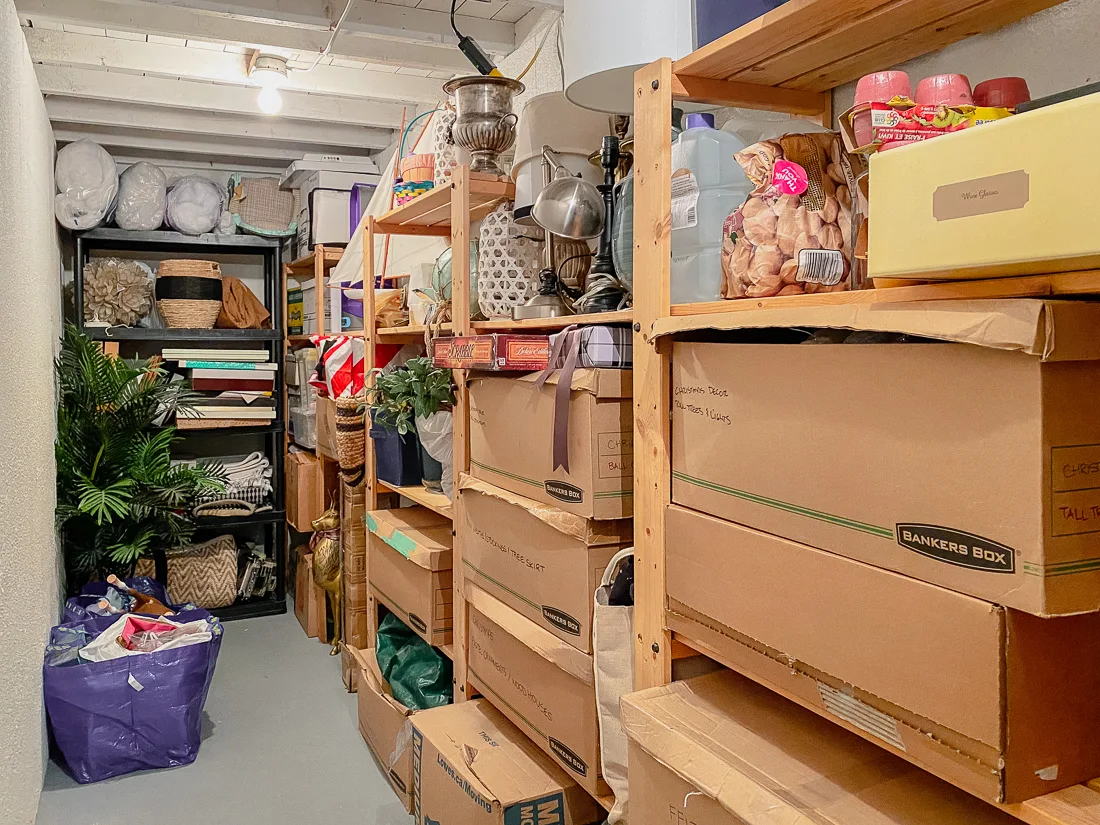
A plan that works: inspect, reduce harborage, then monitor
If you do three things consistently, you usually see a big drop in sightings within a few weeks: targeted inspection, clutter reduction, and sticky traps for monitoring.
Step 1: Do a focused inspection
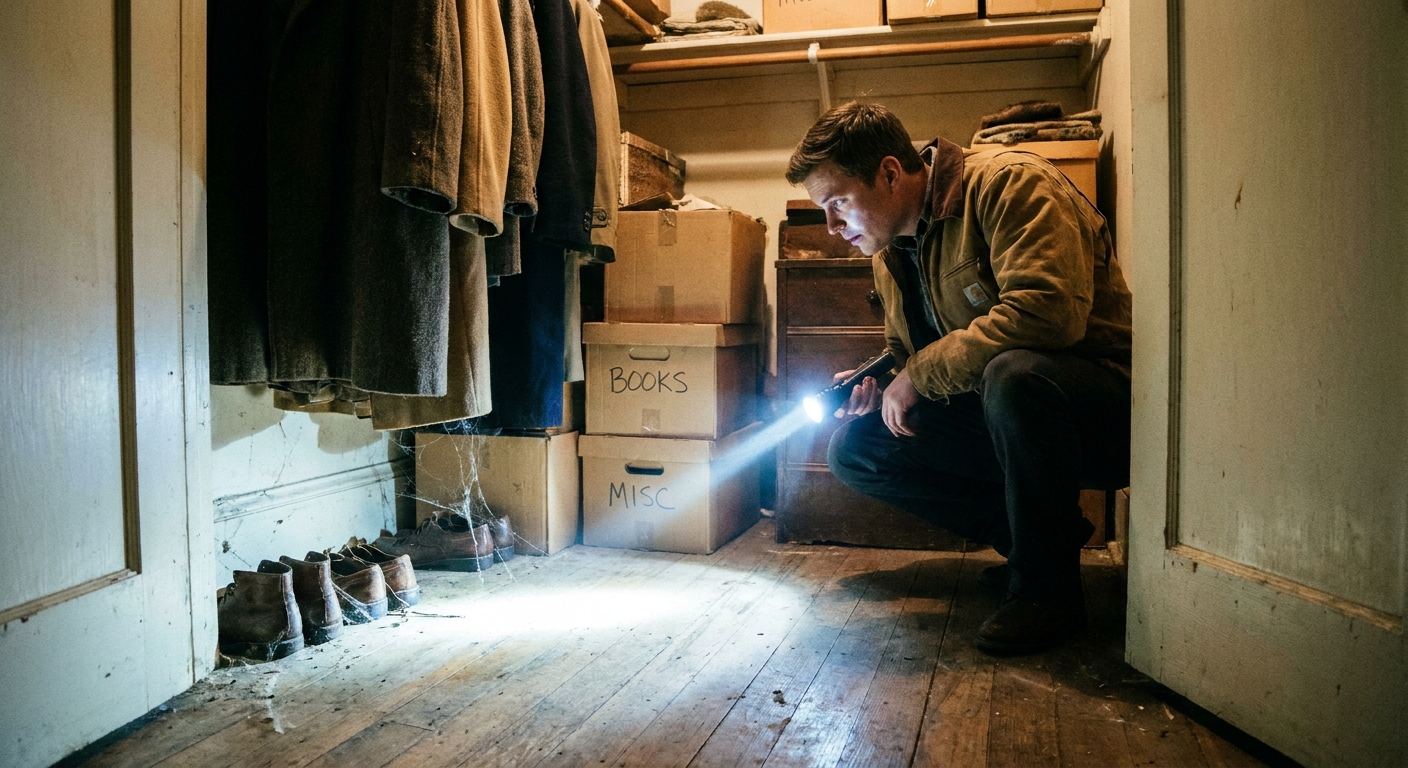
Pick a room where you have seen spiders or where clutter is worst. Put on closed-toe shoes and gloves. Use a bright flashlight and move slowly.
- Start with floor level: along walls, behind stored items, and under shelving.
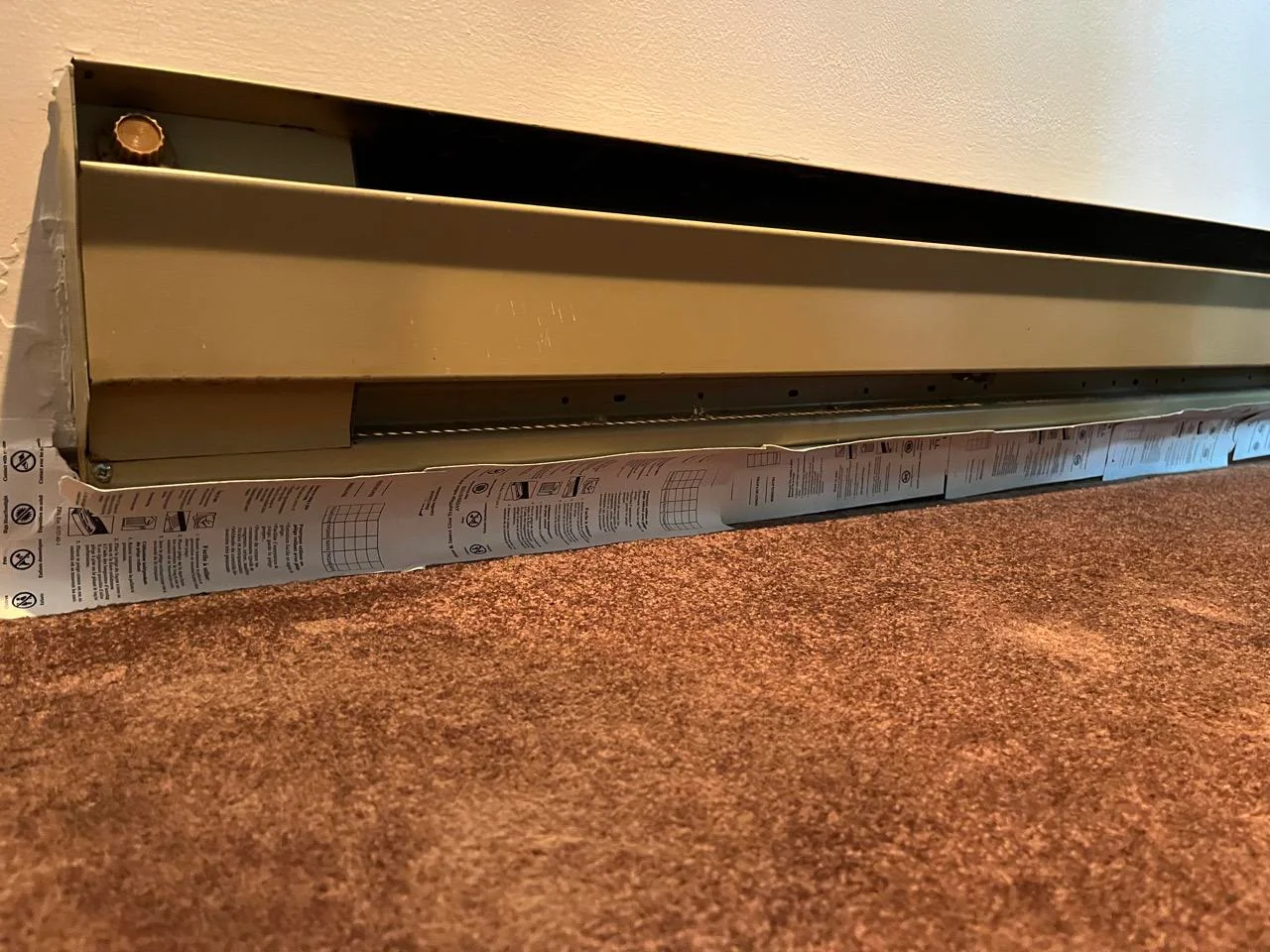
- Check undisturbed edges: corners behind furniture, under baseboard heaters, and around stored bags.
- Look for shed skins and egg sacs rather than expecting to see the spider itself.
Step 2: Reduce clutter the way recluses hate
This is the part that actually changes your odds. Recluses thrive when we give them endless hiding places.
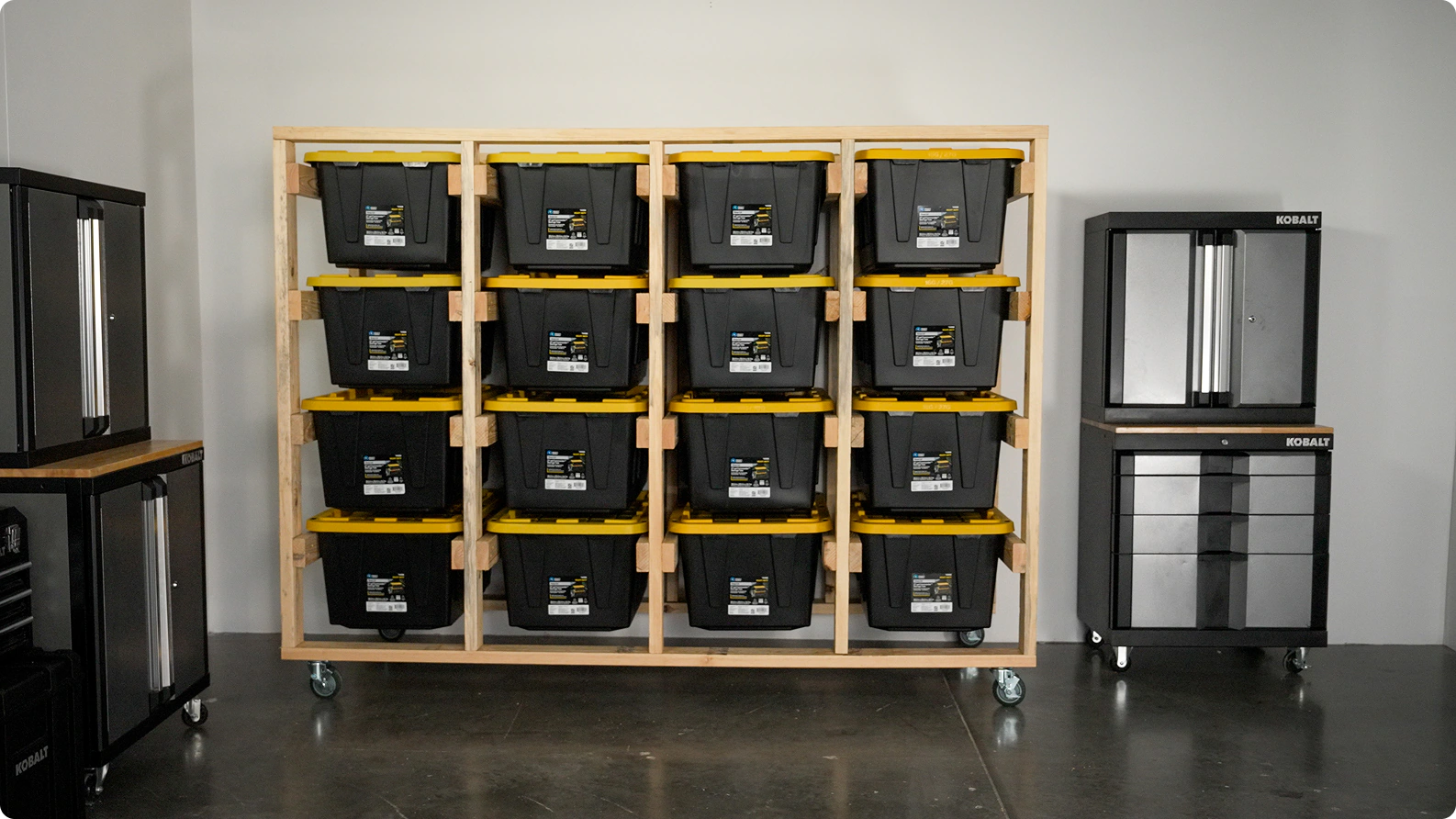
- Swap cardboard for plastic bins with tight lids. If you keep cardboard, do not store it directly on the floor and avoid long-term stacks.
- Get items off the floor using shelving. Even 6 inches helps reduce harborage.
- Thin out soft piles like clothes, towels, blankets, and spare bedding that sits in a heap.
- Store shoes in closed containers or at least off the floor in closets where you have had sightings.
My thrifty tip: you do not have to replace every box overnight. Start with the worst room, then work outward. Even converting one closet and one basement wall of storage can make a noticeable difference.
Step 3: Use sticky traps for monitoring (and minor reduction)
Sticky traps are not magic, but they are honest. They tell you where activity is happening, and they can reduce numbers as you remove hiding places.
What to buy: simple sticky traps marketed for insects and spiders are fine. You do not need anything fancy.
Where to place them:
- Along baseboards in closets and storage rooms
- Behind dressers or nightstands in rooms with sightings
- Near garage walls, especially behind stored items
- In basements along perimeter walls
Placement tip that matters: put traps flush to the wall. Spiders tend to follow edges.
How many: In a problem room, I would rather place 6 to 12 traps spaced out than 1 or 2 randomly.
How to read them: Mark the date on the trap with a pen and check weekly. If you are catching recluses in one corner repeatedly, that corner is telling you where the harborage is.
When to replace: swap traps when they are dusty, full, or no longer sticky. In many homes that is every 1 to 3 months, sooner in a dirty basement or workshop.
Safety note: Put traps where kids and pets cannot reach them. If you have pets that will investigate, place traps behind furniture or use a simple cover.
Careful cleanup
If you have an established population, you may find egg sacs or a few concentrated harborages in stored clutter. This is where people get bit, not because the spider is hunting them, but because they put a bare hand into a dark space and pin it.
How to clean up safely
- Wear gloves and long sleeves when sorting stored items.
- Do not blindly reach into boxes, shoes, folded tarps, or piles of linens.
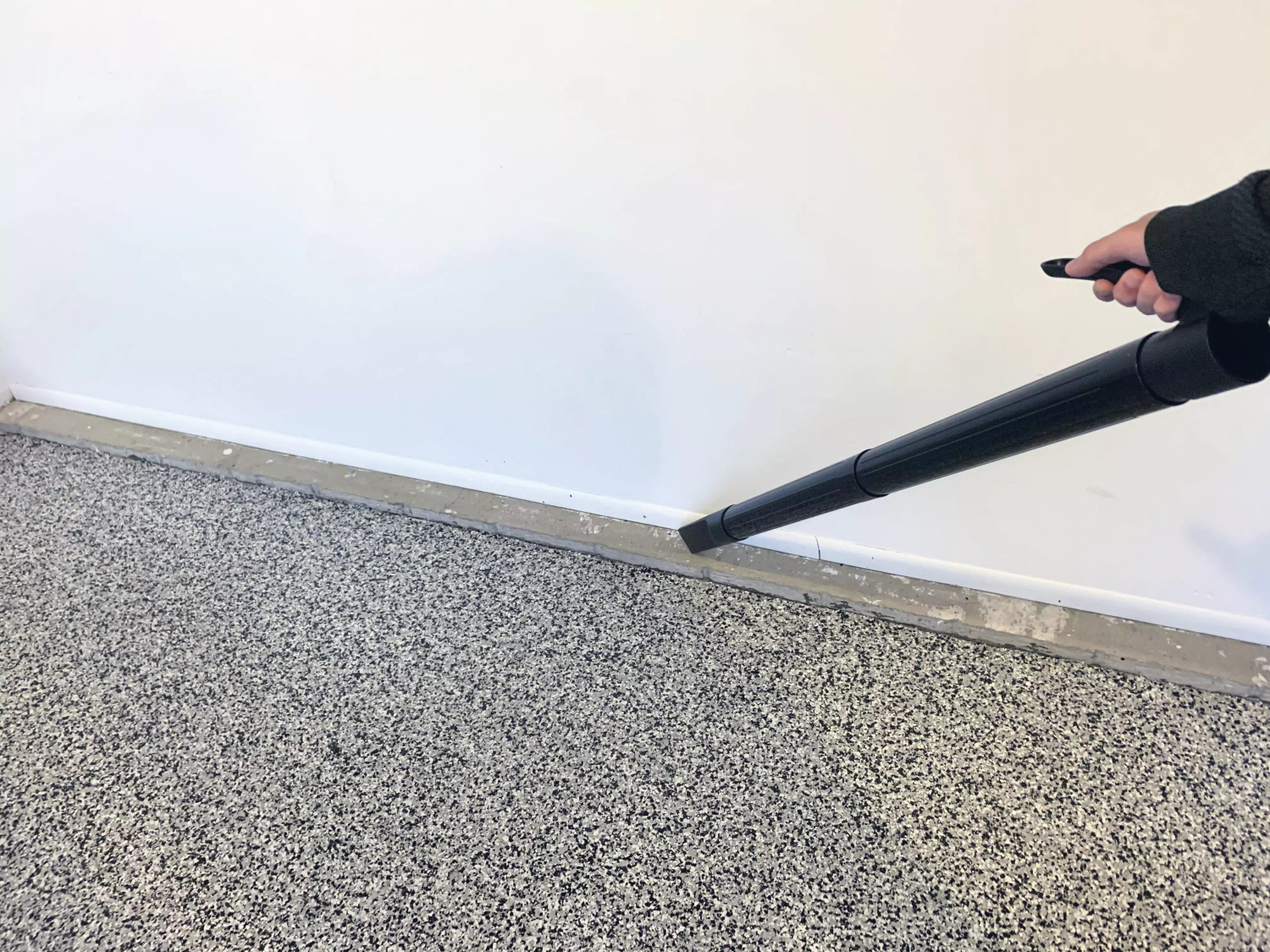
- Vacuum with care using a crevice tool in corners and along edges. Immediately empty the canister or remove the bag, seal it in a plastic bag, and take it outside.
- Handle egg sacs gently: vacuum them up instead of trying to wipe or crush them by hand. If one is attached to a surface, use the crevice tool to pull it free.
- Wash and heat-treat fabrics: for stored clothing or linens from an active area, wash if appropriate and run through a hot dryer cycle when the fabric allows. Heat is your friend.
Basic exclusion
Decluttering and trapping usually do most of the heavy lifting. But I still like to tighten up the house so you are not welcoming spiders and their prey insects inside.
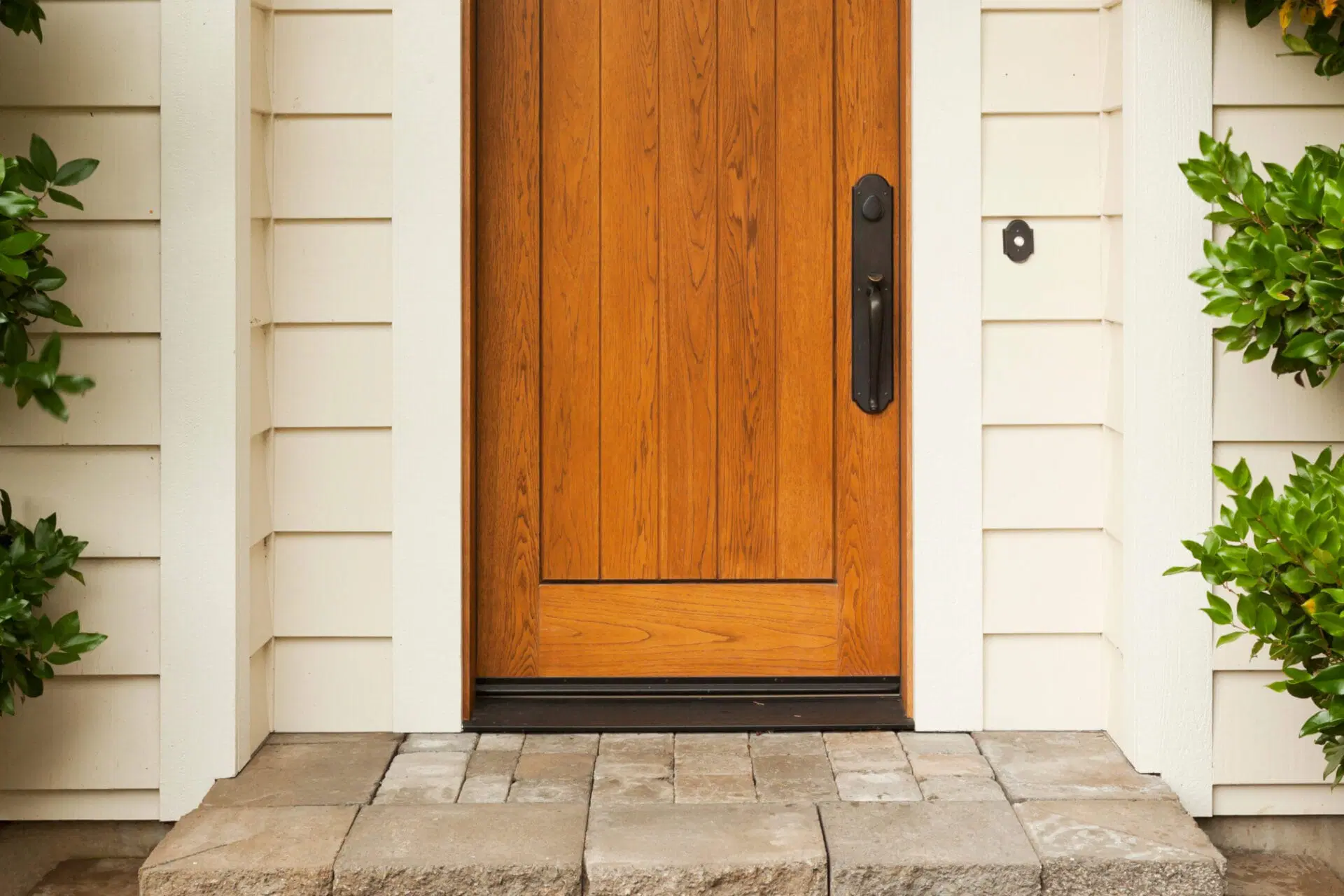
- Add door sweeps on exterior doors, especially garage-to-house doors.
- Seal gaps around plumbing penetrations, cables, and utility lines where they enter walls.
- Repair screens and weatherstripping, and keep window wells and thresholds clear.
- Cut down on indoor prey: basic sanitation, fewer crumbs, and fewer moisture issues reduce the insects that spiders eat.
Bedroom risk reducers
If you are dealing with recluses, the bedroom is the place where peace of mind matters. The goal is simple: fewer hiding spots near where you sleep, fewer chances of a trapped spider in bedding or clothing.
- Keep beds a few inches off the wall if you can, and keep blankets from pooling on the floor.
- Avoid long-term storage under the bed, especially cardboard and soft piles.
- Shake out shoes, slippers, and rarely-used clothing before wearing.
- Keep closet floors clear and use bins instead of loose piles.
What not to do
Once you have started trapping and decluttering, avoid these common missteps that waste money and time.
- Do not rely on a general web spray plan. Recluses are not sitting out on webs waiting to be hit. If you do not address clutter and hiding spots, spraying baseboards usually disappoints.
- Do not bomb the house. Total release foggers often do not reach deep harborages and can scatter pests into new hiding spots. They also add unnecessary exposure risk.
- Do not over-focus on the violin mark. Many spiders have markings. ID should be based on multiple traits and, ideally, confirmation.
- Do not store more cardboard temporarily in the problem area. This is how a short-term issue becomes a long-term one.
When to hire help
I am comfortable with DIY monitoring and cleanup, but I also know when I want a professional involved. Hire help if any of these are true:
- You are seeing recluses regularly in multiple rooms.
- You found a heavy concentration in a closet, basement storage area, or garage and you cannot safely sort it.
- Someone in the home has health concerns, or you have small kids and cannot keep traps and stored items controlled.
- You are not confident in the identification.
What to ask a pest pro: Look for someone who talks about inspection, harborage reduction, and targeted treatment rather than just spraying the whole house. Ask how they will use sticky traps to monitor, what areas they plan to inspect, and what prep they want you to do with storage.
Chemical nuance: I do not consider blanket indoor spraying a first-line DIY move for recluses. But professionals may use targeted products (often dusts or crack-and-crevice treatments) in voids and known harborages as part of an integrated plan. If someone proposes fogging everything and calling it done, keep shopping.
If you are bitten or think you were bitten
I am not a medical professional, but I do not mess around with suspected venomous bites. If you think a brown recluse bit you, especially if you have worsening pain, blistering, spreading redness, fever, or you are immunocompromised, seek medical guidance promptly. If you can do it safely, capture the spider for identification. That can help your clinician make better decisions.
One more reality check: many skin lesions blamed on brown recluses turn out to be something else, including infections. A clinician can help you rule out the more common causes and decide what to do next.
Keeping them from coming back
Once you get sightings down, the long-term win is keeping storage boring for spiders.
- Keep floors clear in closets, basements, and garages.
- Use lidded bins and limit cardboard storage.
- Do a quarterly trap check in the worst spots so you catch problems early.
- Shake out shoes, gloves, and rarely-used clothing before wearing, especially if stored low or on the floor.
In my own fixer-upper, every time I got serious about organizing a storage area, the mystery spider sightings dropped. It is not glamorous work, but it is the most reliable lever you can pull against brown recluses.
The 30-Second Cheat Sheet
Essential takeaways for: How to Get Rid of Brown Recluse Spiders
Do this first
- Confirm ID. Brown recluses are concentrated in the south-central US. Do not panic based on the violin mark alone, and remember that hitchhikers outside the core range happen, but long-term infestations are less common.
- Inspect the right places. Focus on closets, basements, garages, and stored clutter, especially cardboard boxes.
What actually works
- Reduce harborage. Replace long-term cardboard storage with lidded plastic bins, get items off the floor, and thin out piles of clothes, linens, and decor.
- Use sticky traps to monitor. Place multiple traps flush to baseboards and behind furniture in problem rooms. Date them, check weekly, and replace when dusty or full.
- Clean up carefully. Wear gloves, do not reach blindly into boxes or shoes, vacuum corners with a crevice tool, and bag and remove vacuum contents immediately.
- Do basic exclusion. Add door sweeps, fix screens, and seal gaps where pipes and wires enter.
Skip these mistakes
- Do not rely on a general baseboard spray or foggers as your main plan.
- Do not ignore storage areas while treating visible rooms.
Call a pro if
- You see recluses in multiple rooms, find heavy activity in storage, cannot safely sort clutter, or need help with identification.
💡 Tip: Scroll up to read the full article for detailed, step-by-step instructions.
⬆️ Back to top
About Marcus Vance
Content Creator @ Grit & Home
Marcus Vance is a lifelong DIY enthusiast and self-taught home renovator who has spent the last decade transforming a dilapidated 1970s ranch into his family's dream home. He specializes in budget-friendly carpentry, room-by-room renovations, and demystifying power tools for beginners. Through his writing, Marcus shares practical tutorials and hard-learned lessons to help homeowners tackle their own projects with confidence.