
🚨 In a DIY emergency or rush?
Skip the details and jump straight to our 30-second cheat sheet for the most crucial info.
The first time I dealt with hackberry psyllids, I thought I had some kind of flea situation. They were tiny, they jumped, and they were clustering around my window screens like they paid rent. The good news is this: hackberry psyllids are more of a nuisance than a danger, and you can usually get the problem under control with basic cleanup and a little sealing work.
Let’s walk through how to positively ID them, why they show up in your house, and the steps that actually help without treating them like boxelder bugs, clover mites, or other look-alikes.
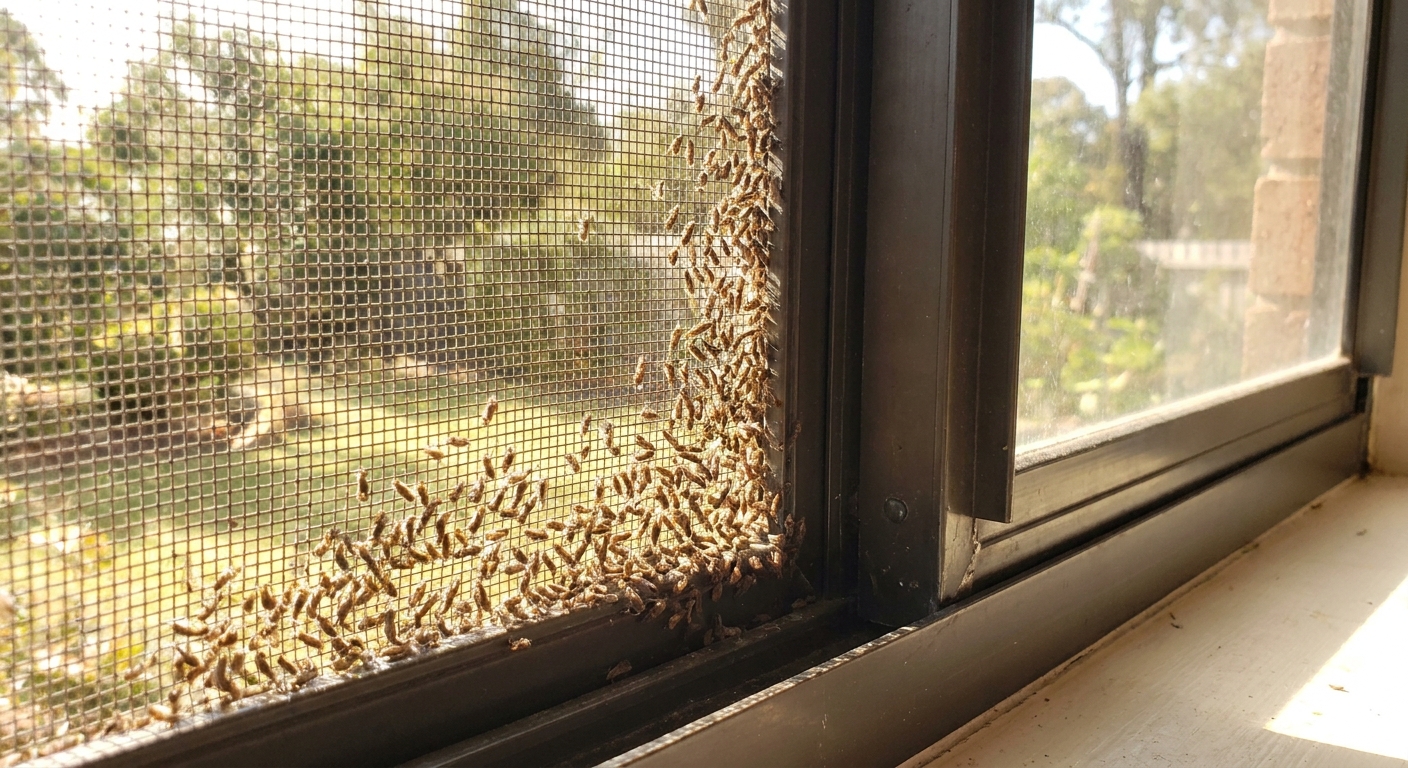
What they look like
Hackberry psyllids are tiny insects related to aphids. Most homeowners notice them when they collect on window screens, siding, and window frames, then slip indoors through small gaps.
Quick ID checklist
- Size: A few millimeters long, roughly around 1/10 inch (2 to 3 mm), give or take.
- Color: Tan to brownish, sometimes dusty-looking.
- Movement: They can crawl, but when disturbed they often hop or jump.
- Where you find them: Heavy at windows, especially sunny sides of the house. Late summer into fall is classic, but some homes also notice them in early spring when overwintered adults get active again.
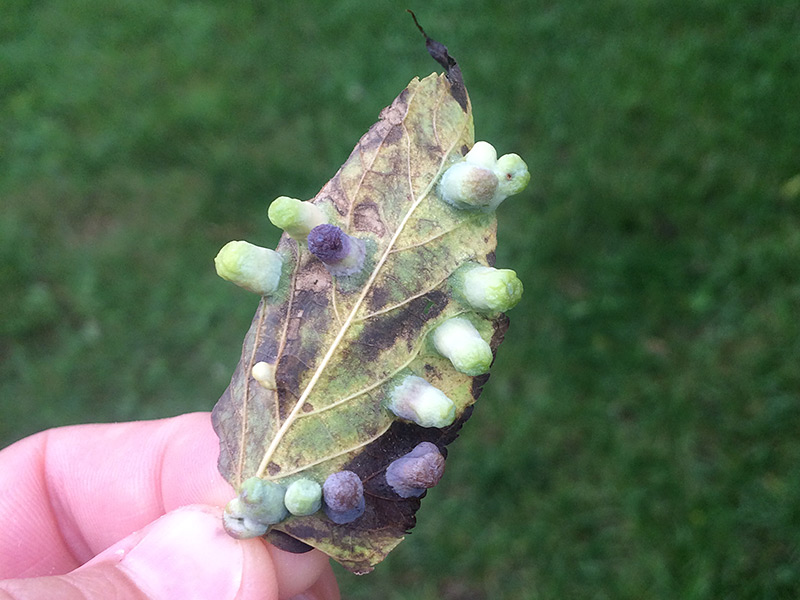
If you have a hackberry tree on your property or nearby and you see little “pimples” or bumps on hackberry leaves, you are in the right ballpark.
The source: nipple galls
These psyllids are tied to hackberry trees (genus Celtis). In spring and summer, psyllids feed on new leaf tissue and the leaf responds by forming little growths called galls. You will often hear homeowners call them hackberry nipple galls because of their shape.
For the nipple gall types, the young psyllids develop in the galls on the leaves. When the season shifts and nights cool down, adults start looking for sheltered places to ride out weather changes. Your house, especially sunny windows and tight soffit areas, looks pretty inviting.
Why they swarm screens
This part makes people feel like they are losing their minds because it can look sudden. One week you see none, and the next week your screens are peppered with specks.
What’s going on
- Season timing: Late summer and fall is when you tend to see the biggest “home invasion” behavior. Depending on your region and species, you can also see a smaller flare-up in early spring.
- Heat and light: They gather on warm, sunlit surfaces like screens and window trim.
- Shelter seeking: They slip through tiny gaps to get out of wind and cold snaps.
Important reality check: they are not trying to infest your pantry, they are not chewing your house, and they are not breeding in your carpet like fleas. They are just in the wrong place at the wrong time.
What to do right now
If you are already seeing them inside, the goal is simple: remove the insects and capture the ones hiding in the usual entry zones, without crushing them all over your walls.
Step 1: Vacuum, do not smash
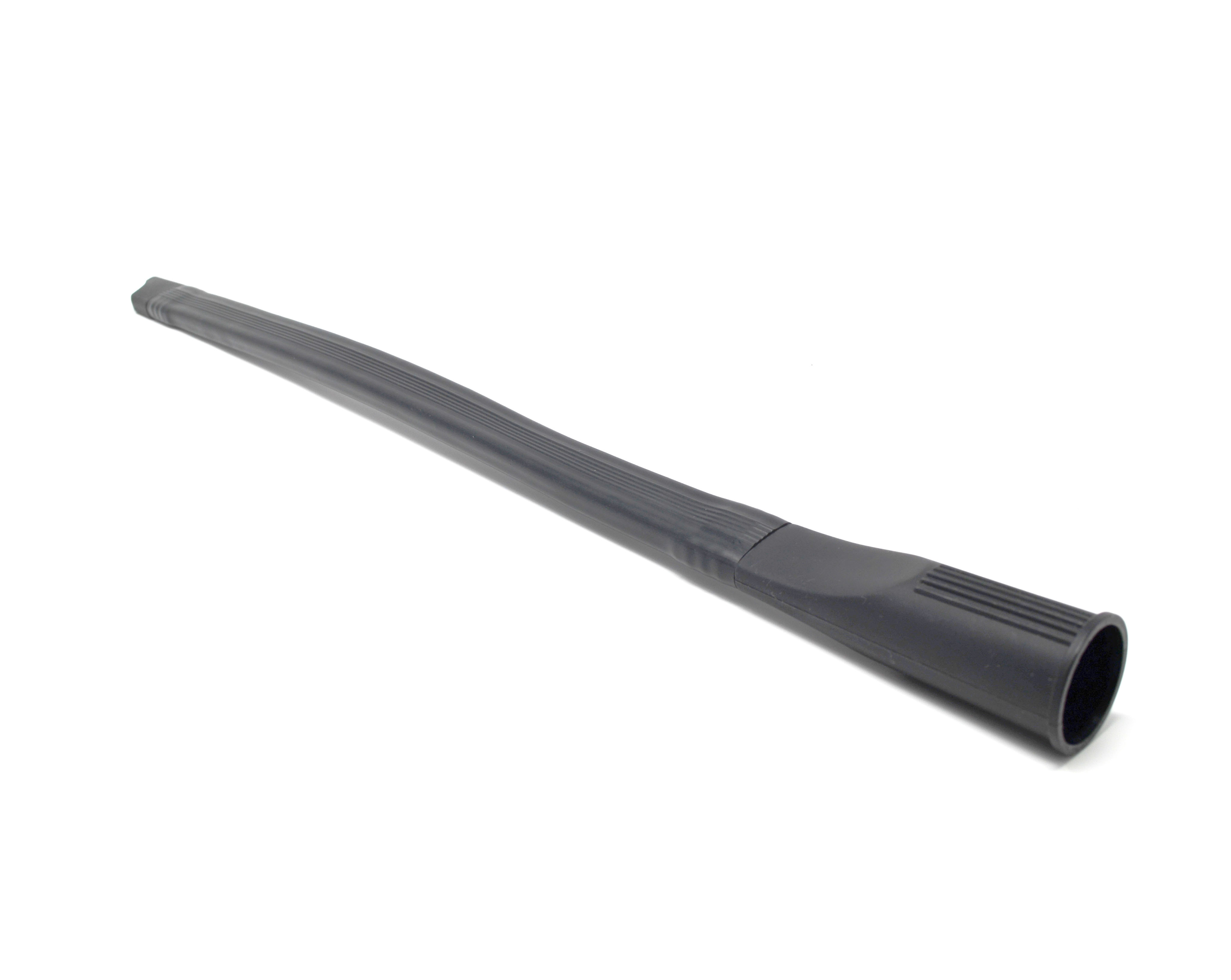
Your best first move is a vacuum with a hose and crevice tool.
- Hit window sills, tracks, screen edges, and baseboards near exterior walls.
- Work slowly. Psyllids jump when startled, and a quick swipe can scatter them.
- Use a bag if you have it. If you have a bagless vacuum, empty the canister immediately outside, ideally into a sealed trash bag.
Thrifty tip: Some people sprinkle a little talc in a canister to reduce clinging, but it can be messy and it is not for every vacuum or filter. My safer go-to is simple: vacuum thoroughly, then empty outside right away into a sealed bag.
Step 2: Wipe with mild soapy water
After vacuuming, wipe down surfaces with warm water and a small amount of dish soap. This picks up the ones that are too small for you to notice, plus any dusty residue around window corners.
Step 3: Reduce the window draw
- At night, close blinds or curtains on heavy-hit windows.
- Turn off unnecessary lights near problem windows.
- If you get condensation around windows, address it (run the bath fan during showers, use a dehumidifier if needed, and keep weep holes and tracks clean). Less moisture around frames can make the area less hospitable for any tiny hitchhikers.
What to expect next
Once you start vacuuming and blocking entry points, you usually see a taper, not an instant miracle. Expect a short nuisance window, often a week or two, sometimes longer during warm fall weather. You may also find dead ones collecting in window wells or tracks as the wave fizzles out.
How they get in
When I renovate, I’m always shocked by how many “almost invisible” gaps exist in a normal house. Psyllids take advantage of the same stuff that lets dust, drafts, and pollen sneak inside.
Where to check first
- Window screens: Tears, loose spline, bent frames.
- Window tracks and locks: Worn weatherstripping, gaps at meeting rails.
- Exterior door sweeps: Daylight under the door equals pest entry.
- Utility penetrations: Gaps where pipes, AC lines, cable, or wires enter.
- Soffits and attic vents: Loose screening or cracked vent covers.
Sealing that works
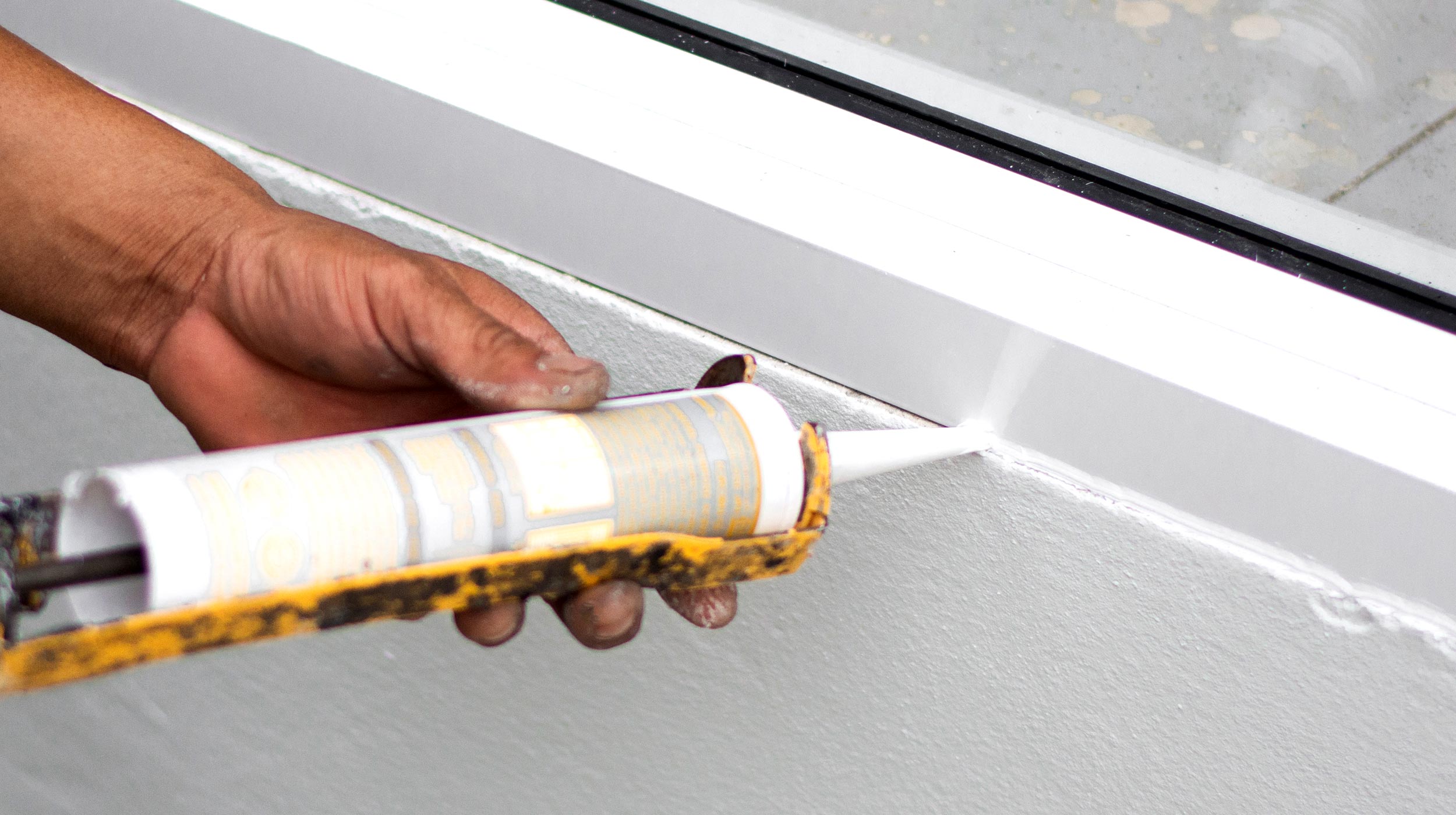
- Caulk cracks at window trim and siding joints where you can see a real gap.
- Replace weatherstripping on problem windows and exterior doors.
- Add door sweeps if you can see light under exterior doors.
- Seal utility entries with exterior-rated caulk or expanding foam used carefully. Foam can overexpand and cause a mess around trim, so use the smallest amount that does the job.
If you only do one thing this weekend, do this: stand inside on a sunny day and look for thin lines of daylight around windows and doors. Those are your express lanes.
Look-alikes
The jumpy behavior gets a lot of people chasing the wrong pest. A quick gut-check:
- Fleas: Usually tied to pets and carpet, and you typically notice bites. Psyllids show up heavy at windows and do not live in your carpet.
- Clover mites: Tiny red specks that smear red when crushed. Psyllids are tan-brown and do not make that red streak.
- Boxelder bugs: Much larger, black with orange-red markings, and they do not look like little hopping specks.
Should you spray inside?
Most of the time, I skip indoor spraying for hackberry psyllids. They do not set up a long-term indoor colony, and spraying baseboards tends to create more hassle than results.
If you still want an indoor product
- Start with the lowest-impact tools: vacuuming and sealing.
- If you choose to use an insecticide indoors, read the label and use it only where it’s allowed, typically cracks and crevices, not broad indoor surfaces.
- Keep kids and pets out of treated areas until everything is dry and the label says it is safe.
For most homes, physical removal plus exclusion is the play.
What to do about the tree
This is the part people miss: if you have a hackberry tree dumping psyllids every year, indoor cleanup alone is like bailing water without fixing the leak. You can reduce swarms, but the host tree is the source.
Option 1: Leave it and seal the house
Galls look ugly, but hackberry trees usually tolerate them. If the tree is mature and otherwise healthy, the most budget-friendly approach is often:
- Keep screens in good shape.
- Seal the house well.
- Plan for a short seasonal nuisance window.
Option 2: Reduce tree stress
A stressed tree can have heavier pest issues. Basic tree care helps overall resilience:
- Water during extended drought, especially for younger trees.
- Mulch properly (a donut, not a volcano) to protect roots and moisture.
- Avoid damaging roots with repeated trenching or heavy compaction.
Option 3: Targeted treatments
Some treatments are aimed at psyllids on the host tree, timed to when new leaves emerge. Getting timing wrong wastes money. If the psyllids are making your fall miserable every year and you want to treat the tree, a licensed arborist or pest pro who understands hackberry psyllids specifically is worth the call.
Option 4: Removal (last resort)
I’m thrifty, so I treat removal as a last resort. If the hackberry is poorly placed, unhealthy, or you are already planning landscape changes, replacing it can remove the host and lower future pressure. Just remember that if your neighbor has a big hackberry close by, you might still see some psyllids.
Outdoor tweaks that help
- During peak weeks, reduce outdoor lighting near entry doors and problem windows at night. Less light can mean fewer insects gathering right where you do not want them.
- Avoid broad, random spraying on siding and around windows unless a pro recommends it. It is easy to waste product and still miss the real issue, which is access through gaps.
Common mistakes
- Assuming they are fleas: The jumping makes it feel like fleas, but flea control strategies (pet treatments, carpet bombing) are usually unnecessary here.
- Crushing them on walls: It smears and does not solve anything. Vacuum instead.
- Spraying random bug spray everywhere: Broad spraying around windows can be messy and often misses the real path inside, which is gaps and screens.
- Ignoring screens: A perfect caulk job does not help if your screen has a tear at the corner.
FAQ
Are hackberry psyllids harmful to people or pets?
They are generally considered a nuisance pest. They do not chew wood, and they do not infest people or pets. They are not known for true biting like fleas or bed bugs, but rare minor skin irritation or a pinprick sensation has been reported when they land on someone. Either way, I treat them as something to remove promptly.
How long do hackberry psyllids last indoors?
Usually it is seasonal. Once you vacuum them up and block entry points, the indoor sightings typically taper off as outdoor conditions shift and the wave dies down.
Why are they only on one side of my house?
Sun and heat. The warmest, brightest side tends to attract them, especially if that side faces the hackberry tree or has more gaps and screen issues.
Will cleaning the galls off the ground help?
Not much. The psyllids are associated with the leaves and the tree cycle. Raking is fine for yard neatness, but it is not the magic lever for indoor swarms.
My simple game plan
- Vacuum windows, tracks, and sills thoroughly.
- Repair screens and tighten any loose screen frames.
- Seal obvious gaps around window trim, door sweeps, and utility penetrations.
- Watch the pattern for a week, then spot-seal the next weak point you notice.
That combination, repeated once or twice during the peak season, is usually enough to turn an annoying psyllid year into a manageable one.
The 30-Second Cheat Sheet
Essential takeaways for: How to Get Rid of Hackberry Psyllids in Your House
How to identify hackberry psyllids
- Tiny tan-brown insects, usually just a few millimeters long (around 1/10 inch).
- Often hop or jump when disturbed.
- Commonly cluster on window screens and sunny window trim in late summer and fall (and sometimes show up again in early spring).
- Strong clue: a nearby hackberry tree with hackberry nipple galls (small bumps) on leaves.
Get them out of the house fast
- Vacuum window sills, tracks, screens, and baseboards. Do not smash them on walls.
- Empty the vacuum outside right away (especially bagless models). If possible, dump into a sealed bag.
- Wipe sills and tracks with mild soapy water after vacuuming.
Stop the next wave (best ROI work)
- Fix screens: patch tears, replace loose spline, straighten bent frames.
- Seal gaps: caulk exterior window trim cracks, replace worn weatherstripping, add or replace door sweeps.
- Seal penetrations: caulk or foam around pipes, cables, and AC lines entering the house (use foam carefully, it can overexpand).
What to do about the hackberry tree
- Galls look weird but the tree often tolerates them.
- For recurring heavy swarms, consider calling an arborist or pest pro who understands hackberry psyllids and proper timing.
- Tree removal is a last resort and may not eliminate the issue if nearby trees exist.
Skip these common mistakes
- Do not treat them like fleas or other unrelated fall pests.
- Do not rely on indoor spraying as the main plan. Vacuum + sealing usually works best.
💡 Tip: Scroll up to read the full article for detailed, step-by-step instructions.
⬆️ Back to top
About Grit
Content Creator @ Grit & Home
Grit is Grit & Home’s little blue clay courier, delivering big questions about the place you call home. Expect practical ideas, a raised eyebrow, and a satchel full of curiosity.