
🚨 In a DIY emergency or rush?
Skip the details and jump straight to our 30-second cheat sheet for the most crucial info.
I still remember the first time I found one of these long brown bugs crawling across my living room wall in October. My first thought was stink bug. My second thought was, “Where are you all coming from?”
If you live near pine, fir, spruce, or other conifers, there is a good chance you are seeing western conifer seed bugs. The good news: they are not trying to eat your pantry. They do not seek to bite people either, but they can poke if handled or trapped against skin. Mostly, they are looking for a sheltered place to ride out the cold. The fix is less about bug bombs and more about simple, targeted exclusion, the same kind of basic sealing work I do on my old 1970s ranch every fall.
Quick takeaway: Remove what you see, then seal the gaps. If you skip the sealing, you will keep seeing “new” bugs all season.
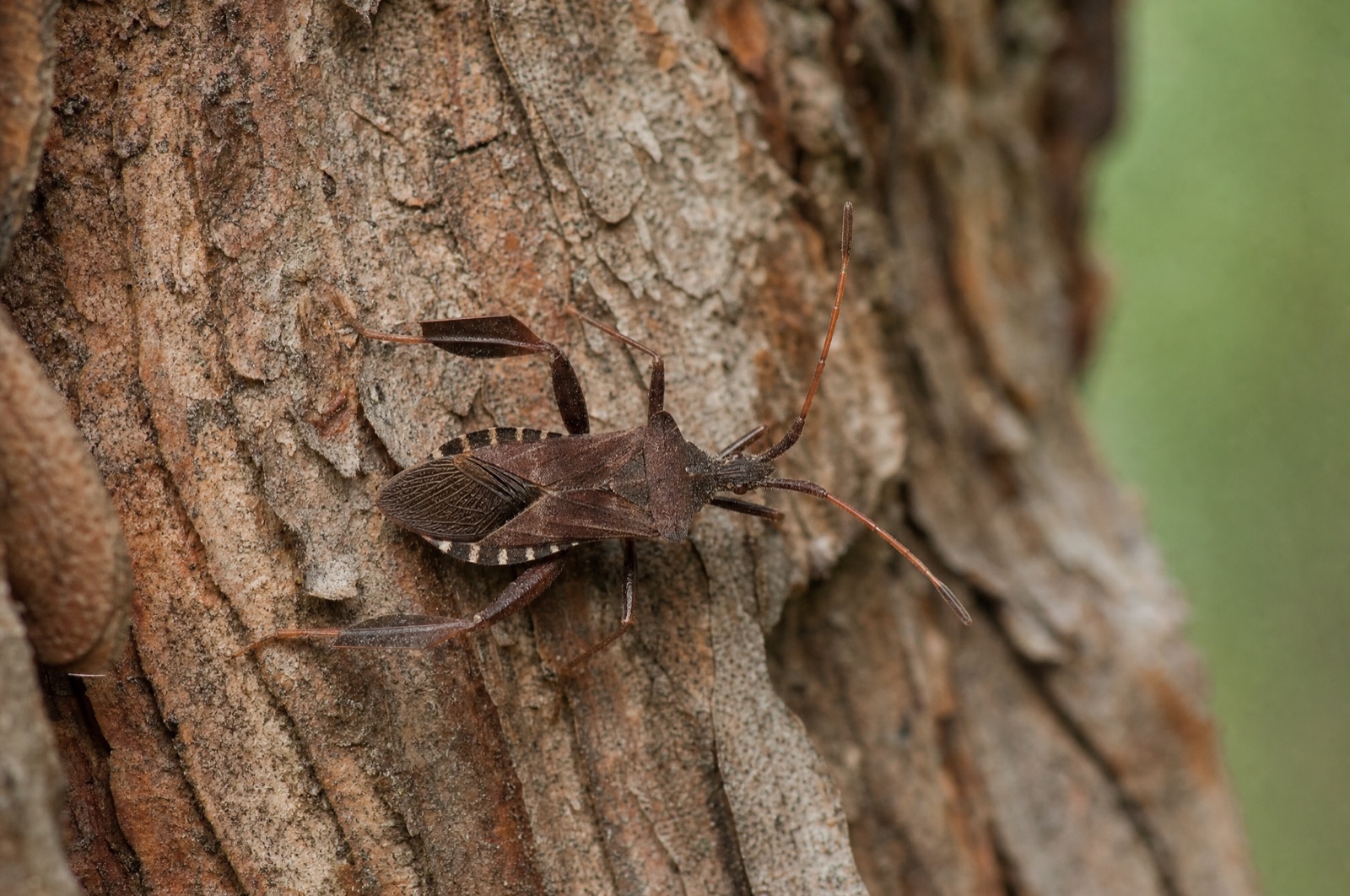
Western conifer seed bug vs stink bug
It is easy to mix these up at a glance. They are both brownish, both show up in fall, and both end up indoors around windows.
Quick ID: western conifer seed bug
- Body shape: More long and narrow than a stink bug. Adults are often around 5/8 to 3/4 inch long.
- Signature features: A pale zigzag or W-shaped band across the wings is common, plus leaf-like widened sections on the hind legs.
- What they look like up close: Some have a slightly flattened, “all legs” look compared with a stink bug’s rounder shield shape.
- Where they come from: Conifers. You will often have pines, Douglas-fir, true fir, spruce, or hemlock nearby. They feed on developing cones and seeds outdoors.
- Odor when crushed: They can smell when disturbed. In my experience it is often less intense than a brown marmorated stink bug, but still unpleasant.
Quick ID: brown marmorated stink bug (for comparison)
- Body shape: More shield-shaped, broad, and “armored” looking.
- Extra clue: Antennae often show alternating light and dark bands.
- Where they come from: Often broadleaf plants and fruiting trees, gardens, and agricultural crops.
- Odor when crushed: Often very strong and unmistakable.
If you are still unsure, look at the hind legs. The western conifer seed bug’s hind legs often look like they have little paddles or leaves built in.
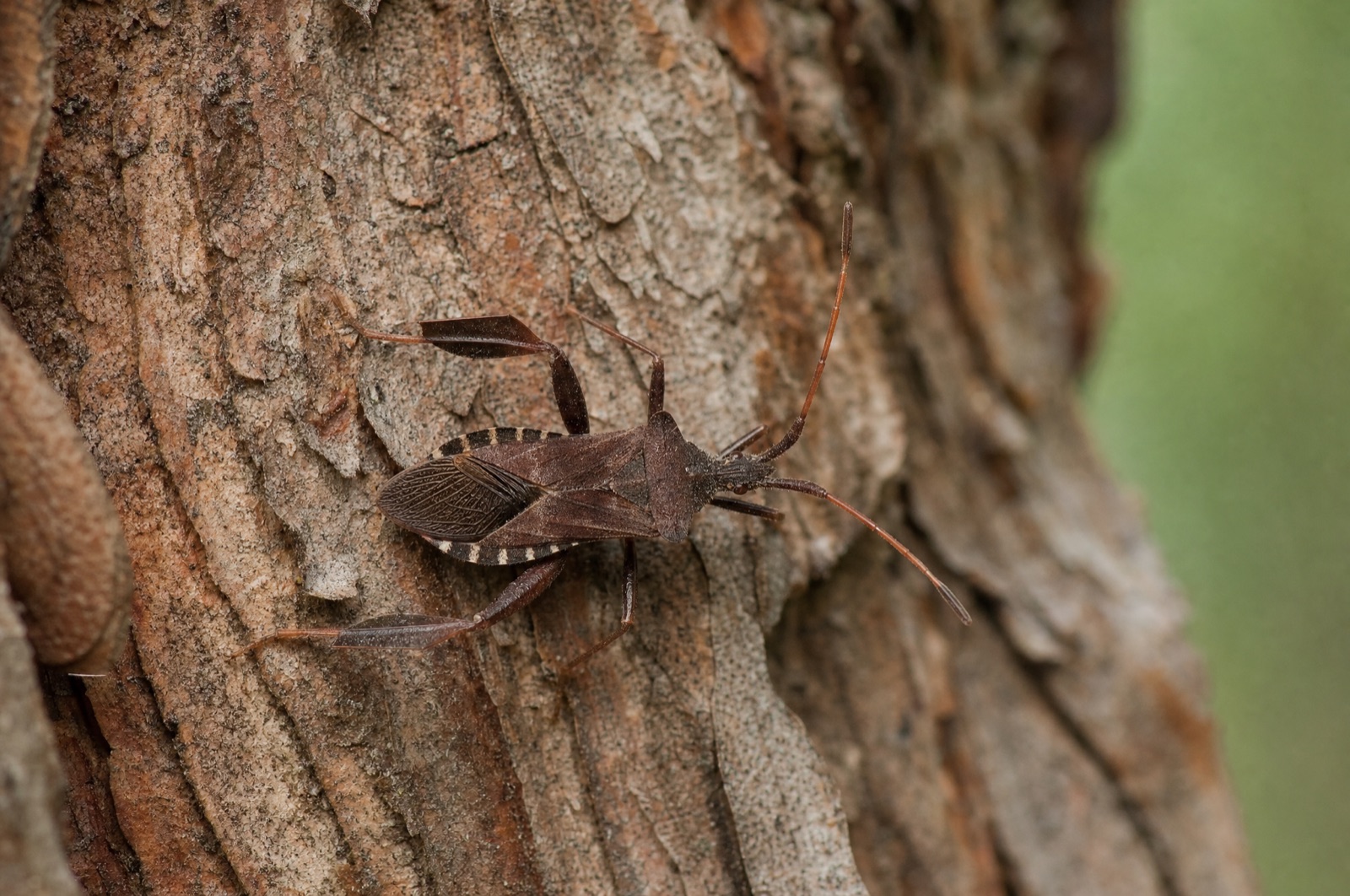
Why they come inside (and why sprays rarely help)
Western conifer seed bugs are classic “overwintering” invaders. As temperatures drop and days shorten, they start hunting for protected spots like bark crevices, wood piles, sheds, and unfortunately, the warm cracks and gaps around a house.
Once they get indoors, they tend to:
- show up on sunny windows and south or west facing walls
- hide in attics, wall voids, and behind trim
- move sluggishly on cold mornings and get more active when the house warms up
Important reality check: If you have seed bugs inside because they are overwintering, garden sprays outside and general indoor spraying usually do not solve the problem. By the time you see them, many are already inside the building envelope or in hidden voids. Spraying can also leave you with dead or dying insects in wall voids and other hard-to-reach spots, and it still does not solve the entry points.
The fix is two steps:
- Remove the ones you already have indoors.
- Seal the entry points so the next wave cannot get in.
How to get rid of the ones already inside
Think “clean removal,” not “battle.” These bugs are not breeding in your house. You are just catching stragglers and the ones that already slipped in.
Method 1: Vacuum them (my go-to)
This is the fastest, least messy approach.
- Use a vacuum with a hose wand.
- If you have a bagged vacuum, even better.
- If you have a bagless vacuum, empty the canister right away into an outdoor trash bin.
Odor tip: Take the vacuum outside to empty it, and do it immediately. If you are using a shop vac, even better, store it in the garage so any lingering smell stays out of the living space.
Thrifty tip: If you are worried about smell or cleanup, you can put a couple of paper towels in the canister first so the bugs do not smear around.

Method 2: Cup-and-card capture (no tools needed)
If there are only one or two, trap them like you would a spider:
- Cover the bug with a clear cup or jar.
- Slide a stiff piece of paper or thin cardboard underneath.
- Carry it outside and release it away from doors and windows.
Method 3: Soapy water jar
If you do not want to vacuum and you do not want to handle them, a jar of warm water with a squirt of dish soap works well. Knock or guide them into the jar. Soap helps them sink, but because these are fairly big, it works best if you fully submerge them and cap the jar.
What not to do
- Do not crush them on walls or curtains. While they are not usually as stinky as stink bugs, you can still end up with a lingering odor and a stain risk.
- Skip foggers and bug bombs. They do not reach the cracks and voids where these bugs hide, and they add fumes and residue to your living space.
- Avoid broad indoor spraying. It is rarely necessary for a seasonal invader and it does not address entry points.
Where they get in: the usual entry points
On older homes, especially, there are a handful of repeat-offender gaps that let in seed bugs, lady beetles, and all kinds of fall hitchhikers. When I do my own walkaround each year, I start with these.
- Window and door trim: tiny cracks where casing meets siding, or where caulk has shrunk and split
- Soffits and fascia: gaps at joints, rot-softened corners, loose panels
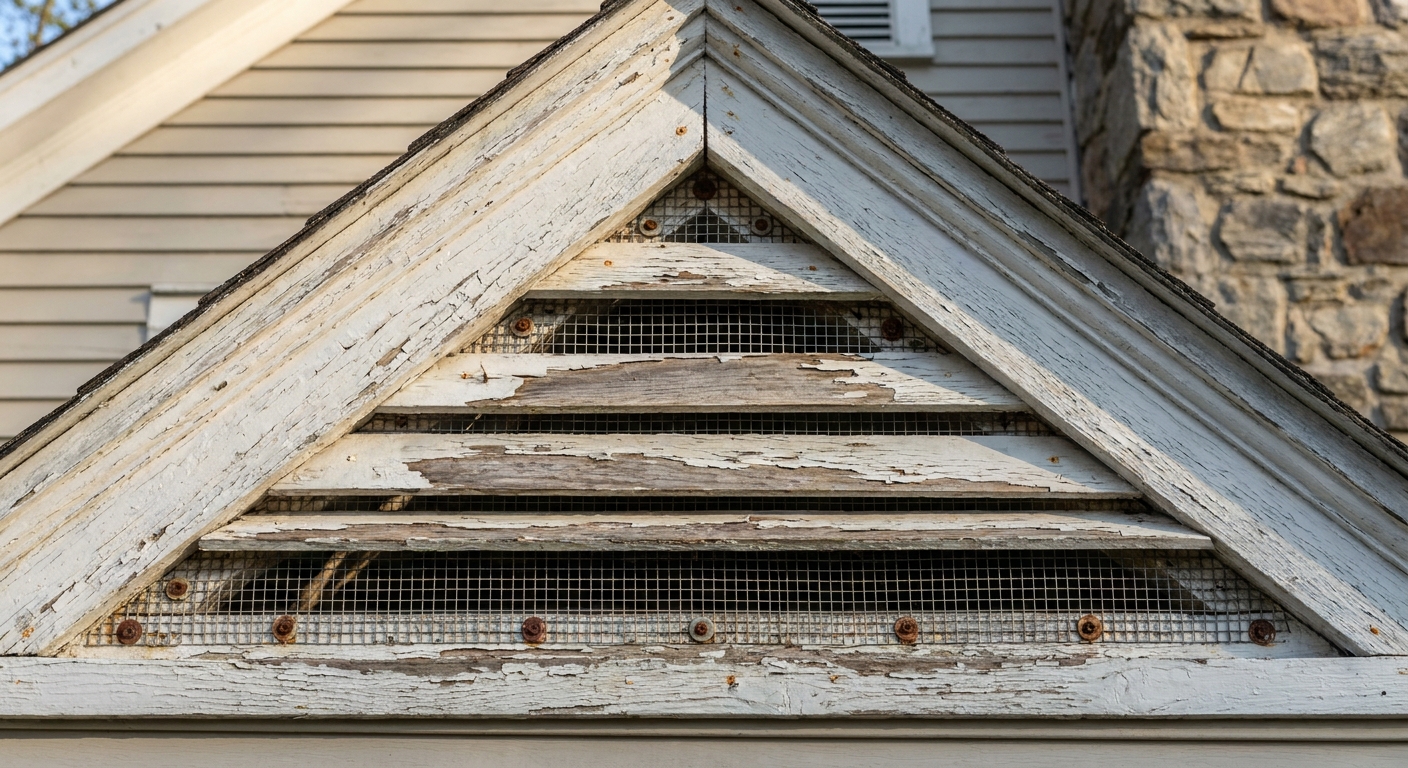
- Vents: gable vents, roof vents, dryer vents, bath fan vents with broken screens or flappers
- Utility penetrations: hose bibs, AC line sets, electrical conduit, cable lines
- Garage: top corners of the door, side seals, and the gap at the bottom seal
- Foundation rim area: where siding meets foundation, weep holes, and cracks around sill plates
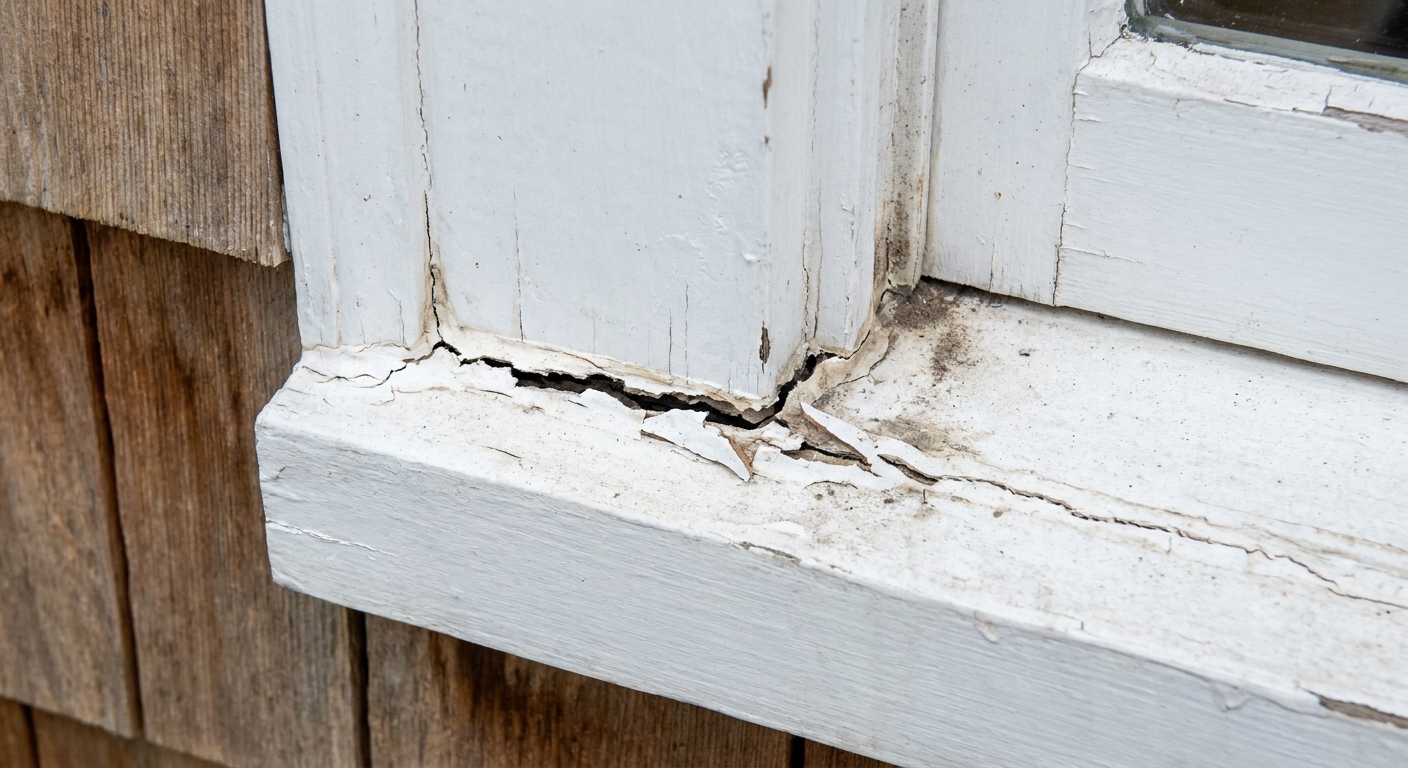
Seal the house: a simple exclusion plan
If you have pines or other conifers near your home, you do not need to remove trees to fix this. You just need to tighten up the envelope where bugs sneak in. I like to do this in late summer or early fall, before the big temperature swings.
Step 1: Do a slow exterior walk with a flashlight
Even in daylight, a flashlight helps you spot shadow lines where gaps live. Check the sunny sides of the house first. That is often where fall invaders congregate.
Step 2: Re-caulk small cracks
For narrow gaps at trim, siding joints, and around penetrations, a quality exterior caulk goes a long way.
- Remove loose, failing caulk first.
- Clean and dry the joint.
- Apply a steady bead and tool it smooth.
If you are caulking next to mixed materials (like masonry to wood), make sure the product is rated for that use.
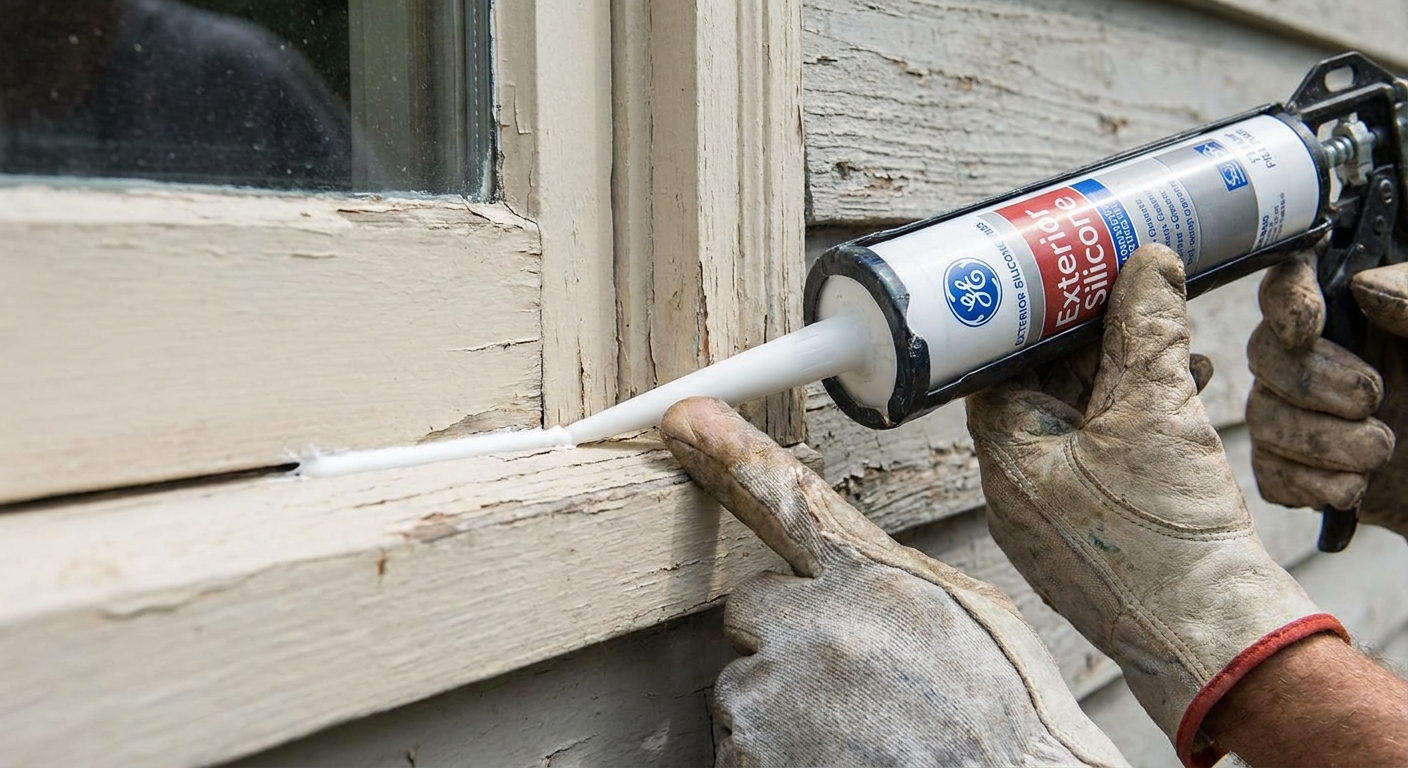
Step 3: Use foam or sealant for larger gaps
For bigger openings around pipes and wire penetrations, use a pest-blocking foam or appropriate sealant. The goal is to block airflow and physical entry, not just make it look pretty.
My rule: If you can fit the corner of a credit card into the gap, it is worth addressing.
Step 4: Repair and screen vents correctly
Vents are a favorite entry point because they lead straight into comfortable voids.
- Replace torn vent screens.
- Make sure flapper vents close fully.
- Secure loose vent covers so they sit tight to the siding.
Use metal screen where possible in areas that get chewed by wildlife.
Important: Do not add screening to a dryer vent in a way that traps lint. Use a proper dryer vent hood designed for airflow and check it regularly.
Step 5: Weatherstrip doors and tune up the garage
If seed bugs are showing up in a bonus room over the garage or along a shared wall, the garage door perimeter is often part of the problem.
- Replace worn door sweeps and cracked weatherstrip.
- Check the top corners of the garage door opening for daylight.
- Seal gaps where the garage framing meets siding or brick.
Step 6: Reduce staging areas next to the house
You cannot control the forest, but you can control the first 3 to 6 feet around your exterior.
- Move wood piles away from the siding.
- Trim back branches that touch the roof or walls.
- Clean out heavy needle buildup in gutters and roof valleys.
If they keep coming back: optional outside treatment
If you have done the sealing work and you still get a heavy fall wave, you can consider a targeted perimeter approach outdoors where they gather, typically around sunny exterior walls, eaves, and window trim.
But I want to keep expectations realistic: sprays do not replace sealing. They are, at best, a helper.
If you choose to use any pesticide product, follow the label exactly for location and application method, and keep kids and pets in mind. If you are uncomfortable with that, a local pest pro can do a perimeter treatment while you focus on exclusion.
Are western conifer seed bugs dangerous?
In normal household situations, they are considered nuisance invaders, not dangerous pests. They do not reproduce indoors. They are not after your food. They can fly, they can startle you, and they can sometimes jab with their beak if mishandled, but most of the time they are just clumsy houseguests.
If someone in your home has asthma or chemical sensitivities, that is another reason to lean on physical removal and sealing instead of indoor spraying.
FAQ
Why are they always on my windows?
They are attracted to warmth and light. Windows also tend to have tiny air leaks around frames and trim, so they end up there naturally.
Will an air purifier or dehumidifier help?
Not really. This is not a moisture-driven infestation. It is an entry-point problem.
What time of year do they show up?
Most homeowners notice them in late summer through fall as nights get colder. You may see a few again on warm winter days when they wake up and wander toward light.
Do I need to remove nearby pines?
No. If you like your trees, keep them. Focus on sealing, screening, and tightening up the exterior so your home stops being the easiest warm hideout in the neighborhood.
The 30-Second Cheat Sheet
Essential takeaways for: How to Get Rid of Western Conifer Seed Bugs
Fast ID (seed bug vs stink bug)
- Western conifer seed bug: long, narrow brown bug, often with a pale zigzag band on the wings and leaf-like widened hind legs. Comes from nearby conifers. Can smell if disturbed, but the odor is often less intense than a brown marmorated stink bug.
- Brown marmorated stink bug: broad shield-shaped body, strong odor when crushed, often tied to gardens and fruiting plants. Antennae often show alternating light and dark bands.
Get rid of the ones inside (today)
- Vacuum them up with a hose attachment, then empty outside immediately.
- Or cup-and-card capture and release outdoors away from doors.
- Do not crush them on walls or fabrics.
What actually stops them (the real fix)
- Seal entry points around window and door trim, soffits, vents, and utility penetrations.
- Repair screens on gable and roof vents, and make sure exhaust vent flappers close.
- Replace weatherstripping and fix garage door perimeter gaps.
What will not solve it
- Garden sprays and bug bombs do not fix an indoor overwintering problem.
- General indoor spraying rarely helps because the bugs hide in cracks and wall voids.
My quick order of operations
- Vacuum what you see.
- Do an exterior walk with a flashlight.
- Caulk small gaps, foam larger ones.
- Screen and tighten vents.
- Upgrade door and garage weatherstripping.
💡 Tip: Scroll up to read the full article for detailed, step-by-step instructions.
⬆️ Back to top
About Marcus Vance
Content Creator @ Grit & Home
Marcus Vance is a lifelong DIY enthusiast and self-taught home renovator who has spent the last decade transforming a dilapidated 1970s ranch into his family's dream home. He specializes in budget-friendly carpentry, room-by-room renovations, and demystifying power tools for beginners. Through his writing, Marcus shares practical tutorials and hard-learned lessons to help homeowners tackle their own projects with confidence.