
🚨 In a DIY emergency or rush?
Skip the details and jump straight to our 30-second cheat sheet for the most crucial info.
I still remember the first time our kitchen sink started smelling like a sewer. It hit me right when I flipped on the faucet after a long weekend away, like something crawled up from the depths and moved in. I did what most DIYers do first. I blamed the garbage disposal. Turns out the disposal was part of it, but the real issue was the boring plumbing under the sink.
The good news: most kitchen sewer smells come from a handful of repeat offenders. If you can narrow down where the odor is coming from and when it shows up, you can usually fix it in an hour with basic tools.
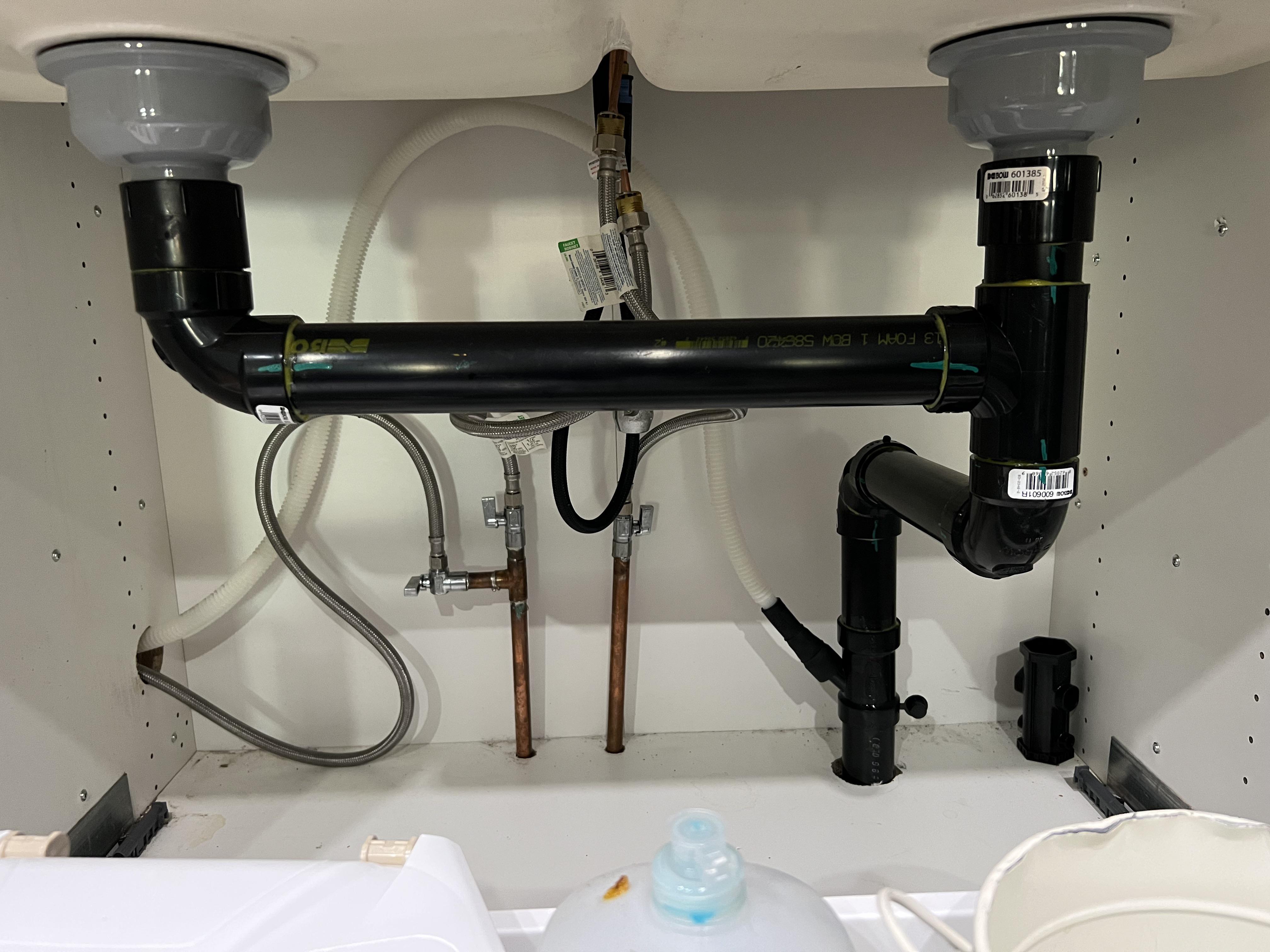
First, figure out what kind of smell you actually have
Homeowners describe two different problems the same way. “Sewer smell.”
- Drain gas from the plumbing system can smell musty, swampy, or like rotten eggs. The key clue is that it often points to a missing water seal in the P-trap, a venting problem, or a bad connection that lets gases escape.
- Rotting food and biofilm smells sour, fishy, or like a forgotten wet sponge. This usually points to the disposal, the sink overflow channel (on some sinks), a gunky basket strainer, or the dishwasher drain hose and air gap.
Quick test: Smell directly at the drain opening, then open the cabinet and smell under the sink. If it is stronger under the sink, think P-trap, venting, or a leak. If it is strongest right at the drain opening, think disposal and drain gunk.
Safety note
If you suspect sewer gas, do not ignore it. Drain odors are usually nuisance-level, but sewer gas can contain methane and hydrogen sulfide. If the smell is overwhelming, you feel lightheaded, or you suspect a broken drain line in the wall, open windows and step back.
If you have a garbage disposal, turn off power at the switch and, if you are going hands-in, flip the breaker. Disposals do not care about fingers.
The most common cause: a dry P-trap
Your kitchen sink has a P-trap, that U-shaped bend under the sink. Its whole job is to hold a little water. That water is the plug that blocks drain gases from coming back up.
When a dry trap is likely
- The smell started after you were away for days or weeks.
- You have a secondary sink you rarely use.
- The smell is worst first thing in the morning or after the sink has not been used.
Fix: refill the trap
- Run water for 30 to 60 seconds to fully refill the trap.
- Wait a few minutes and smell again.
- If the smell fades but returns later, check again after the sink has sat unused for an hour.
If the smell goes away and stays away, you likely had a dry trap. If it comes back quickly, the trap may be losing its water seal because of siphoning from venting problems or a downstream restriction.
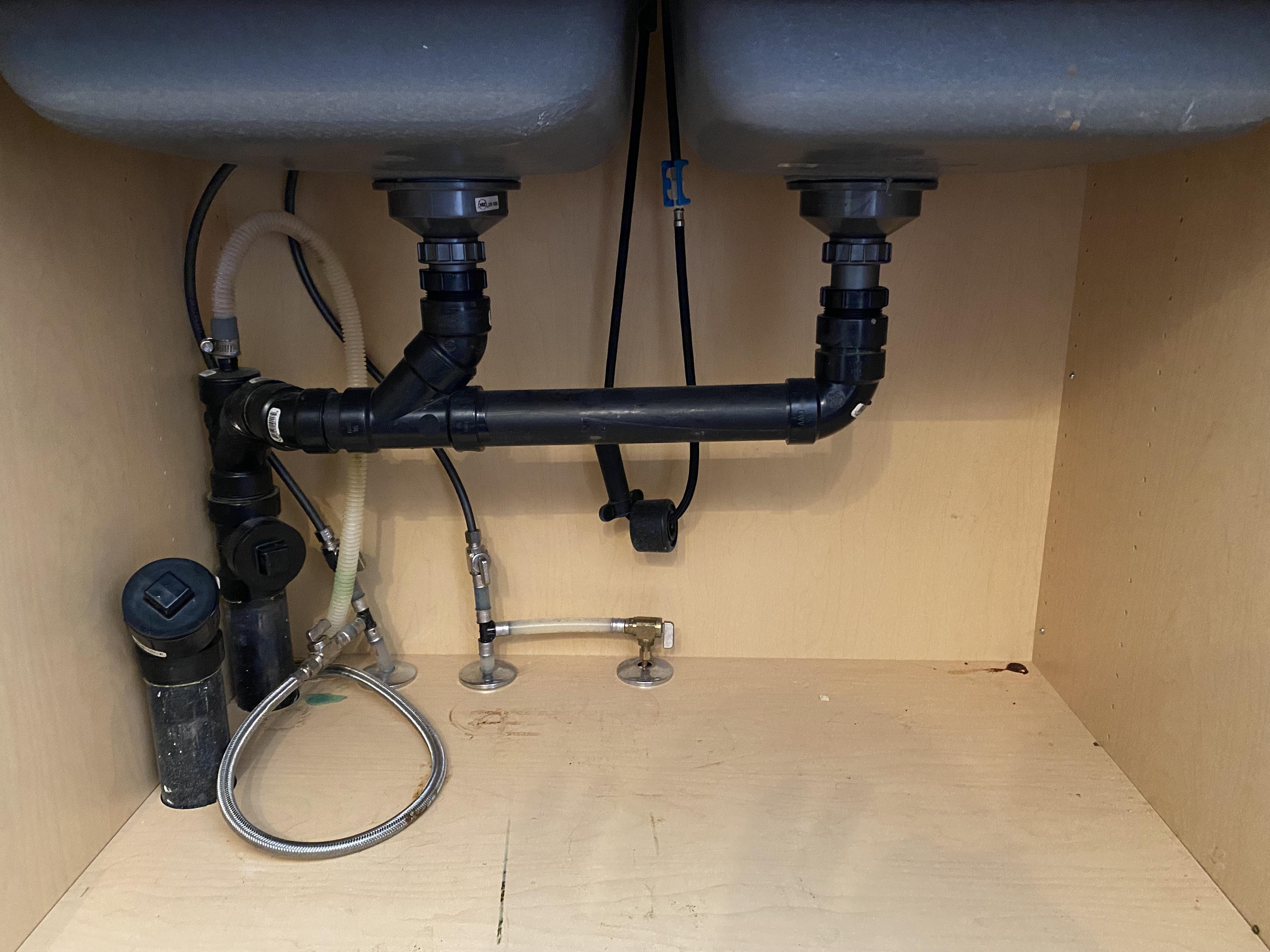
If the smell comes back fast: clean the P-trap
A kitchen P-trap can hold greasy sludge, coffee grounds, rice, onion skins, and whatever else made it past the strainer. That gunk can stink even when the sink drains fine. And if your drain is partially restricted, it can mimic venting symptoms like gurgling.
Clues your P-trap is dirty or restricted
- The sink drains slowly or gurgles.
- The smell is worse after running water.
- You see black slime buildup on the horizontal pipe under the sink.
Fix: clean the P-trap (DIY-friendly)
Tools: bucket, old towel, adjustable pliers or channel-locks (maybe), gloves, small bottle brush, dish soap.
- Put a bucket under the P-trap and lay a towel down.
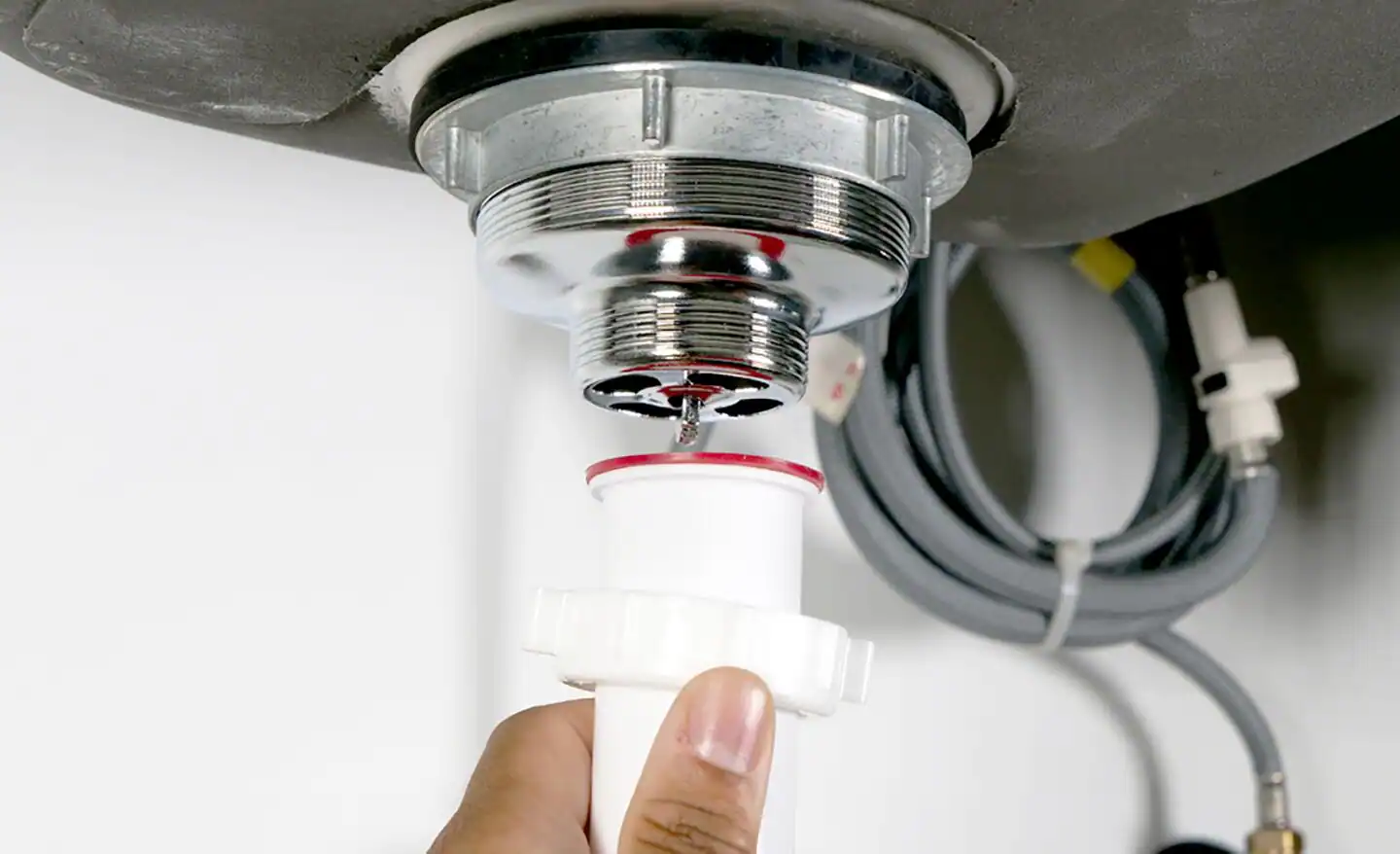
- If you have plastic slip nuts, try loosening them by hand first. If they are stuck, use pliers gently. Do not crush the nut.
- Remove the trap bend and dump it into the bucket.
- Scrub the inside with hot water and a brush. Dish soap helps cut grease.
- Inspect the washers (tapered slip-joint washers). If they are cracked or deformed, replace them.
- Reassemble, hand-tighten, then snug slightly with pliers if needed.
- Run water and check for leaks with a dry paper towel around the joints.
Thrifty tip: If you are replacing parts, take the old trap to the store. Under-sink plumbing sizes are not a “close enough” situation.
Garbage disposal odors
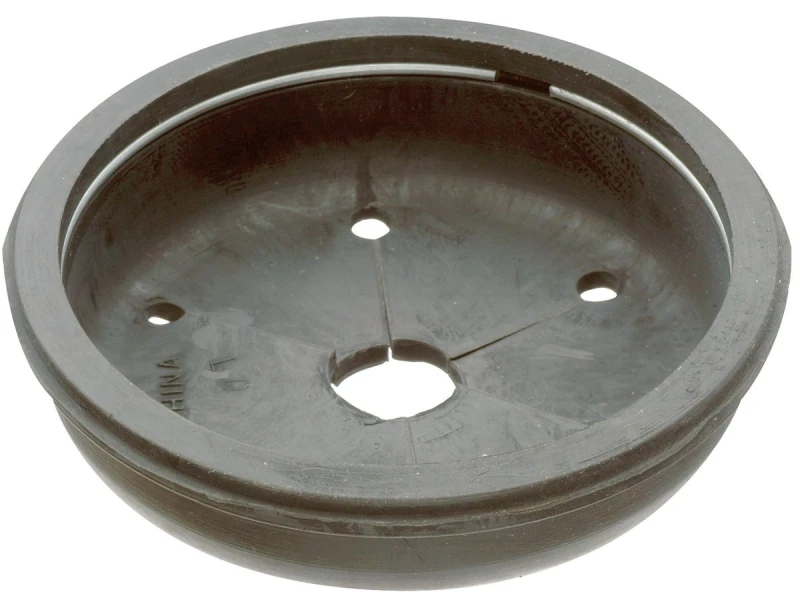
If you have a disposal, the smell is often not drain gas at all. It is rotting food film stuck to the rubber splash guard and the metal ring just inside the throat.
Clues the disposal is the problem
- The odor is strongest right at the disposal opening.
- The smell is worse after grinding food.
- The sink drains fine, but the stench lingers.
Fix: clean the splash guard and throat
What I do: I use a long-handled dish brush and a little degreasing dish soap.
- Cut power to the disposal at the switch (and breaker if you are nervous, which is totally fair).
- Lift the rubber splash guard flaps and scrub the underside thoroughly.
- Scrub the inside metal ring and the upper chamber walls you can reach.
- Rinse with hot water.
- Run cold water and the disposal for 20 to 30 seconds to flush loosened gunk through.
Avoid: Bleach alone. It can mask odors temporarily, but it does not remove the greasy biofilm that holds the stink. Also avoid dumping harsh drain chemicals into a disposal. They can sit in the trap and attack seals and finishes.
Dishwasher tie-in smells
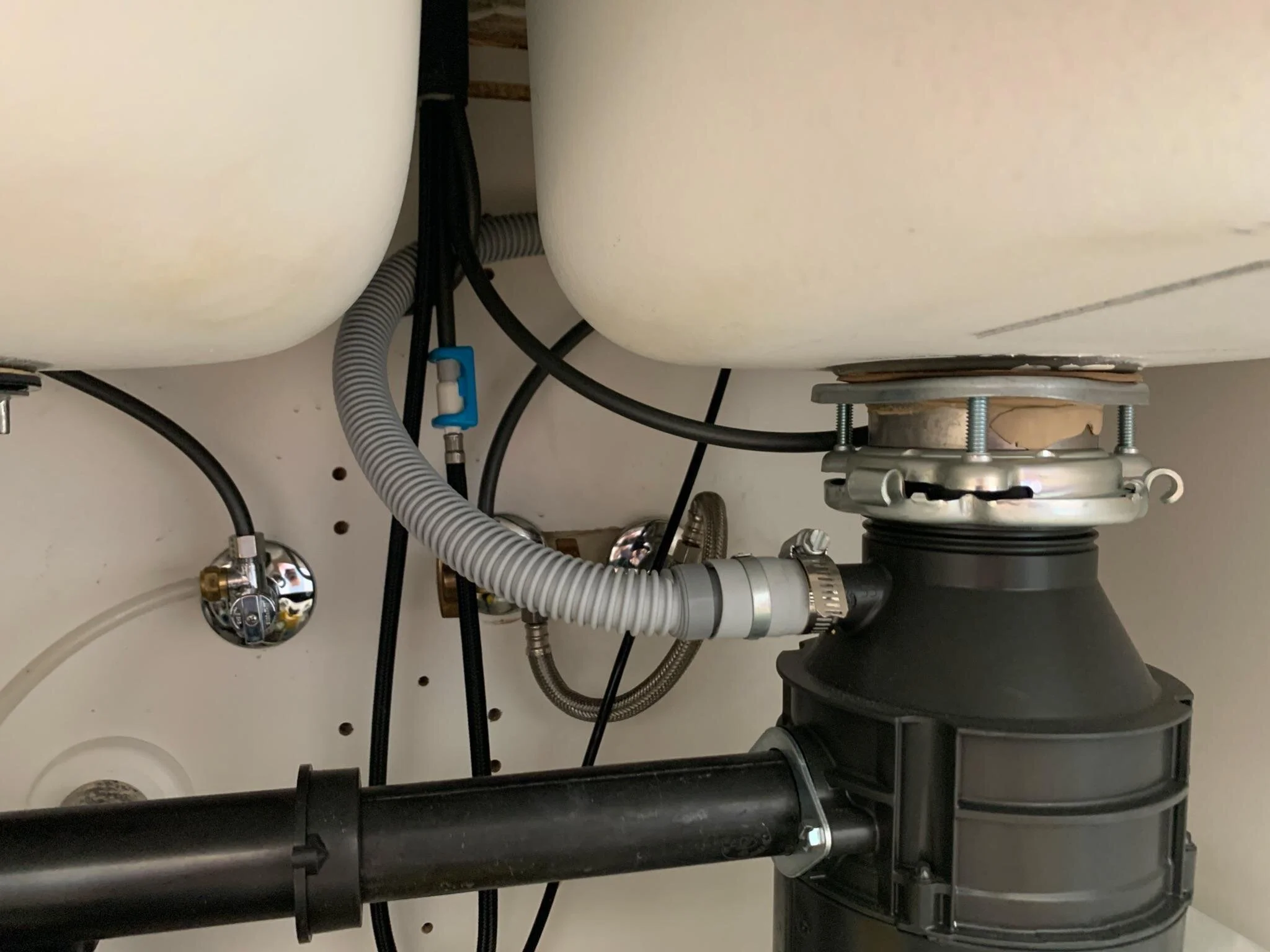
Dishwashers often drain into the disposal or a branch tailpiece under the sink. When that setup is wrong or dirty, it can smell awful and sometimes it smells exactly like drain gas.
What to check under the sink
- High loop: The dishwasher drain hose should rise up high under the countertop before it drops down to the disposal or tailpiece. This helps prevent dirty sink water from backflowing into the hose and dishwasher.
- Air gap (if you have one): Some sinks have a small cylinder on the countertop near the faucet. That is an air gap. If it is clogged, it can stink.
- Disposal knockout plug: If the dishwasher was recently installed and it is draining into a disposal, the installer must knock out the inlet plug inside the disposal port. If not, the dishwasher may drain poorly and leave nasty standing water in the hose.
Fix: clean the dishwasher drain path
- With the dishwasher off, inspect the drain hose routing and create a proper high loop using a clamp or zip tie to secure it high in the cabinet.
- If you have an air gap, unscrew the cap and clean inside with a small brush. Put a towel under it first.
- Run the dishwasher on a rinse cycle and sniff near the air gap and disposal connection.
If you smell it strongest at the air gap, that is your target. If the smell is strongest at the disposal inlet where the dishwasher hose connects, clean that port and make sure the hose is not sagging and holding stagnant water.
Do not forget the sink overflow channel
If your sink has an overflow opening near the top of the basin, that little passage can hold slime that smells like pure regret.
Quick overflow cleaning
- Squirt a little dish soap or mild cleaner into the overflow opening.
- Scrub inside with a small bottle brush or flexible straw brush.
- Flush it by running water in the sink and letting some flow into the overflow opening.
- Do not mix cleaners. If you used bleach earlier, rinse well before using anything else.
How to tell if venting is the problem
Here is the thing that confuses most people: a venting problem can act like a dry trap because it can siphon water out of the P-trap when other fixtures drain.
Strong clues your kitchen venting is off
- You hear gurgling from the kitchen sink drain after draining a full sink or after the dishwasher pumps out.
- The smell is worse after a big drain event.
- You refill the trap, but within hours or a day the smell returns and the sink sometimes drains “glug-glug.”
Quick at-home checks
- Listen test: Fill the sink partway, then pull the stopper. If it gurgles loudly, that is a venting or restriction clue.
- Trap check: After the sink drains, wait 10 minutes, then shine a flashlight down the drain. If you consistently lose the water seal, suspect siphoning.
DIY versus plumber territory
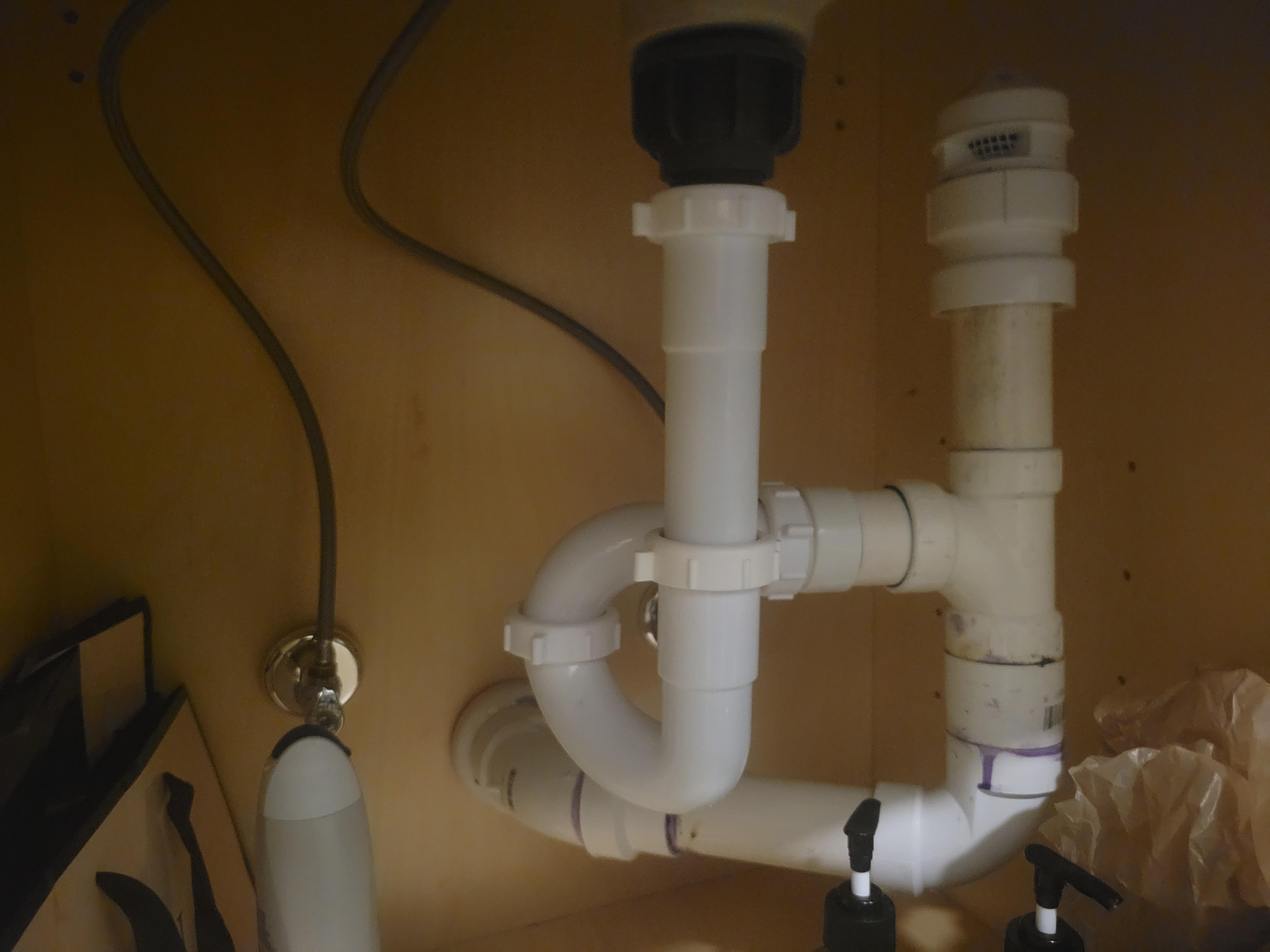
Vents run in walls and up through the roof, so most true vent repairs are pro territory. But there is one DIY-adjacent situation in kitchens: an air admittance valve (AAV), sometimes installed under the sink on a vertical stub of pipe.
If you see an AAV: It is usually a plastic valve with slots or vents at the top. If it smells right around that valve, replacement can help. It also needs to be installed correctly, accessible, and allowed by your local code. If you are unsure, call a plumber. Venting is not an area where “good enough” stays good.
One more sneaky cause: bad installation
Sometimes the problem is not gunk. It is the way the drain is put together. An S-trap, an oddly sloped trap arm, or a sloppy under-sink rework can encourage siphoning and smells.
If you open the cabinet and see a setup that looks like a plumbing roller coaster, that is usually the moment to stop guessing and bring in a pro. Correcting drain geometry is not hard for a plumber, but it can turn into a bigger project fast if you start cutting pipe without a plan.
Do not skip this: check for a tiny leak
A slow leak at a slip joint can release odor too. Not just because drain water smells, but because leaks can let a little air move where it should not.
Fast leak check
- Wipe the trap and connections dry.
- Run water for 1 minute, then stop.
- Wrap a dry paper towel around each slip nut and joint.
- If you see any moisture, snug the connection or replace the washer.
Important: If you see staining, swollen cabinet floor material, or moldy particle board, address that immediately. A $2 washer is not worth ignoring cabinet damage.
What not to do
- Do not use near-boiling water as a routine fix on PVC. Very hot water can soften or warp plastic over time and stress joints and seals. Hot tap water is plenty for normal flushing.
- Do not rely on lemon peels and ice. They make the disposal smell nicer for a day, but they do not remove the greasy film that causes the odor.
- Do not use strong chemical drain openers as your first move. If you end up pulling the trap, you might spill caustic liquid on yourself. Mechanical cleaning is safer and usually more effective for kitchen sludge.
When to call a plumber
Most kitchen sink smells are manageable. But call a plumber if:
- You cleaned the disposal, cleaned the P-trap, confirmed a high loop, and the smell still returns quickly.
- You have repeated gurgling and the trap loses its water seal.
- You see any sign of drain backups elsewhere when the kitchen drains.
- You suspect a cracked drain pipe in the wall or floor.
A good plumber can test venting and inspect for hidden issues without you tearing out half a cabinet and guessing.
Kitchen sink sewer smell FAQ
Why does my kitchen sink smell like sewer only at night?
Two common reasons: the sink is unused long enough that a weak water seal problem becomes noticeable, or venting pressure changes make the drain burp odor more when the house is quiet. Start with refilling the P-trap and listening for gurgling.
Why does it smell worse after I run the dishwasher?
Dishwashers can push a lot of water out fast. If your venting is marginal, that discharge can siphon the trap. Or the dishwasher hose and air gap area may be dirty and release a rotten-food smell during drain-out.
My sink drains fine. Can it still be the P-trap?
Yes. A P-trap can drain fine and still stink due to biofilm buildup inside the bend. Pulling and scrubbing the P-trap is often the quickest win.
Is the smell always sewer gas?
No. In kitchens, a huge percentage of “sewer” smells are disposal funk, P-trap sludge, a dirty overflow channel, or a nasty dishwasher tie-in. The fixes are different, which is why narrowing down the source matters.
The 30-Second Cheat Sheet
Essential takeaways for: Kitchen Sink Smells Like Sewer? Causes and Fixes
Fast diagnosis (2 minutes)
- Stronger under the cabinet: suspect P-trap water seal, dirty/clogged trap, a small leak, or venting.
- Stronger at the drain opening: suspect garbage disposal gunk, a dirty basket strainer, or food film in the drain.
- Worse after dishwasher runs: suspect dishwasher drain hose routing (high loop), an air gap clog, or trap siphoning.
Fixes in order (least effort first)
- Refill the P-trap: run water 30 to 60 seconds to re-establish the water seal.
- Clean disposal splash guard: cut power, scrub underside of rubber flaps and the metal throat with dish soap.
- Check dishwasher high loop: secure the drain hose up high under the countertop; clean air gap if present.
- Clean the P-trap: bucket underneath, remove trap, scrub out sludge, reassemble and check for leaks.
Clues it is a venting issue
- Gurgling after draining a full sink or after dishwasher discharge.
- Trap seems to lose its water seal soon after you refill it.
- Odor comes back quickly even after cleaning the trap and disposal.
When to call a plumber
- Smell keeps returning after trap and disposal cleaning and dishwasher hose check.
- Persistent gurgling or suspected trap siphoning.
- Any sign of drain line damage in the wall or repeated backups.
💡 Tip: Scroll up to read the full article for detailed, step-by-step instructions.
⬆️ Back to top
About Marcus Vance
Content Creator @ Grit & Home
Marcus Vance is a lifelong DIY enthusiast and self-taught home renovator who has spent the last decade transforming a dilapidated 1970s ranch into his family's dream home. He specializes in budget-friendly carpentry, room-by-room renovations, and demystifying power tools for beginners. Through his writing, Marcus shares practical tutorials and hard-learned lessons to help homeowners tackle their own projects with confidence.