
🚨 In a DIY emergency or rush?
Skip the details and jump straight to our 30-second cheat sheet for the most crucial info.
There is a special kind of frustration when you step outside and hear the condenser running like it means business, but inside the house the vents are basically whispering or doing nothing at all. I have been there. The good news is this symptom usually points to the indoor side of the system: airflow, blower, or a safety switch. You can often narrow it down in 10 to 20 minutes without touching refrigerant or doing anything sketchy.
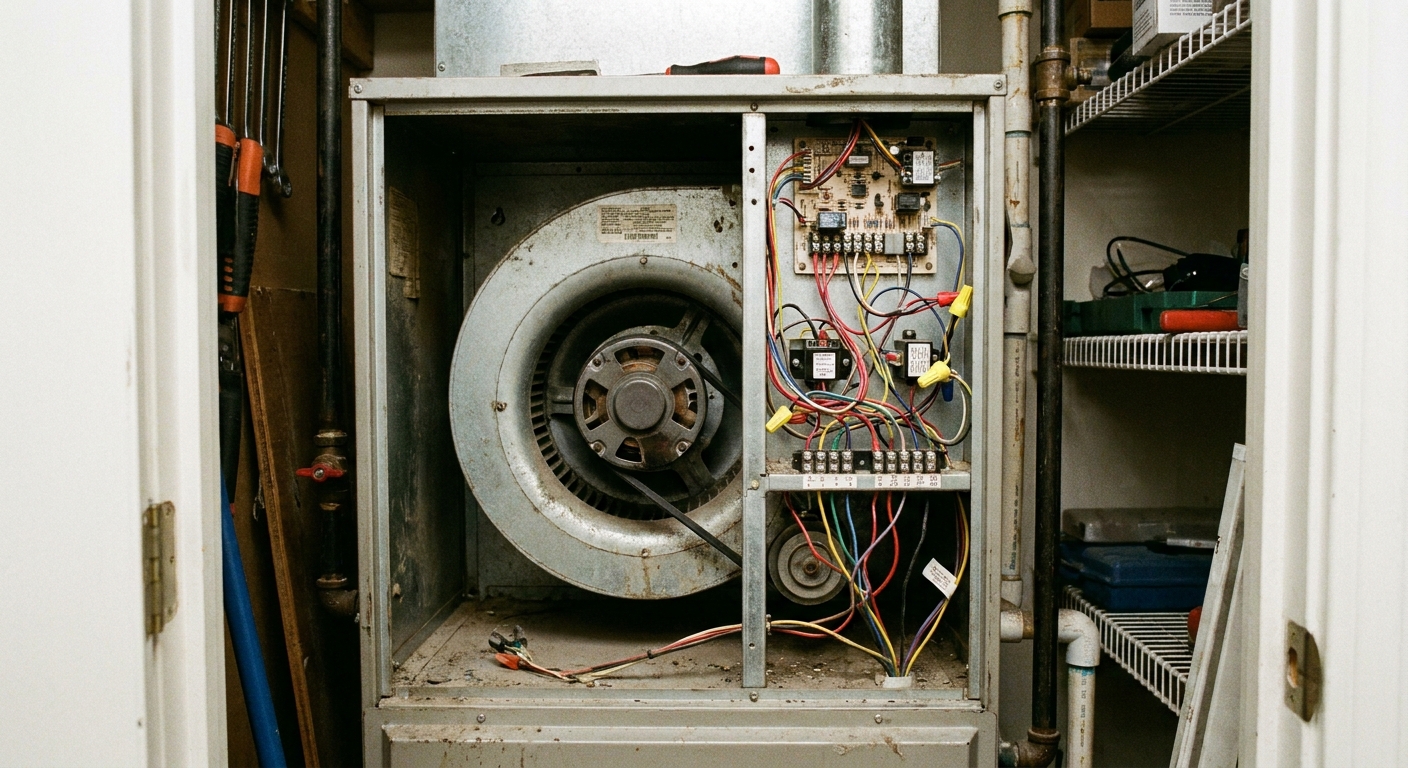
This guide is for: outdoor unit runs (you hear it, fan spins, or it hums) and indoor airflow is weak or absent. If your issue is different, I call out those lookalikes below so you do not chase the wrong rabbit.
First, pick the right symptom
Match your situation
- Outdoor unit runs, but almost no air from vents: you are in the right place. Think filter, coil freeze, blower power, blower motor, or duct blockage.
- Indoor air blows fine, but outdoor fan will not spin: that is usually a condenser fan motor or capacitor issue outside.
- Nothing runs at all: think thermostat, breaker, disconnect, drain safety switch, or control board.
- Air blows normally but it is warm: airflow is fine, cooling is not. That points more toward refrigerant, compressor, outdoor coil, or metering issues.
Now let us troubleshoot the “runs outside, dead inside” case safely.
Safety before you open anything
I am all for DIY, but HVAC has two hazards that deserve respect: high voltage and moving blower wheels. Do these every time.
- Set thermostat to OFF.
- Turn off the furnace or air handler switch (often a normal light switch near the unit).
- Turn off the breaker labeled furnace, air handler, or HVAC.
- If you have an attic air handler, bring a good headlamp and watch your footing.
If you ever smell burning insulation, see smoke, or hear loud electrical buzzing inside the air handler, stop and call a pro.
Quick checks you can do from the thermostat and vents
1) Fan setting and mode check
This sounds too simple, but it catches real-world problems.
- Make sure the thermostat is set to COOL, not HEAT or OFF.
- Set the fan to AUTO for a minute, then switch to ON and listen at a return grille.
- If the outdoor condenser is running but switching fan from AUTO to ON does nothing indoors, that points to an indoor blower issue or a safety switch.
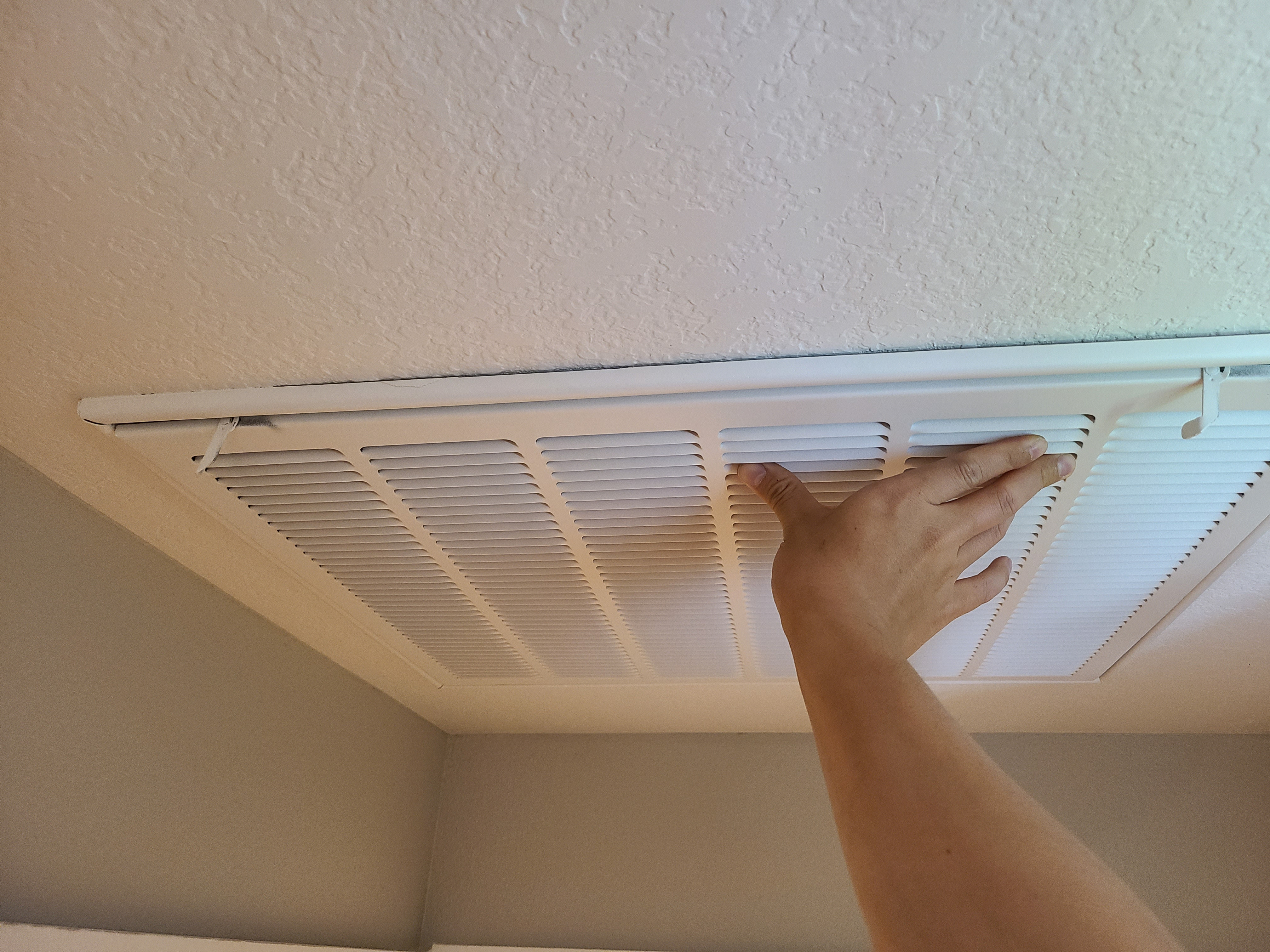
2) Check a couple supply vents and the main return
Pick two supply vents far apart and one main return grille.
- If none of the supply vents blow, suspect blower power, blower motor, frozen coil, or a big blockage.
- If some blow and others do not, suspect a closed damper, crushed flex duct, or a disconnected duct.
The big 3 homeowner fixes: filter, ice, and a blocked return
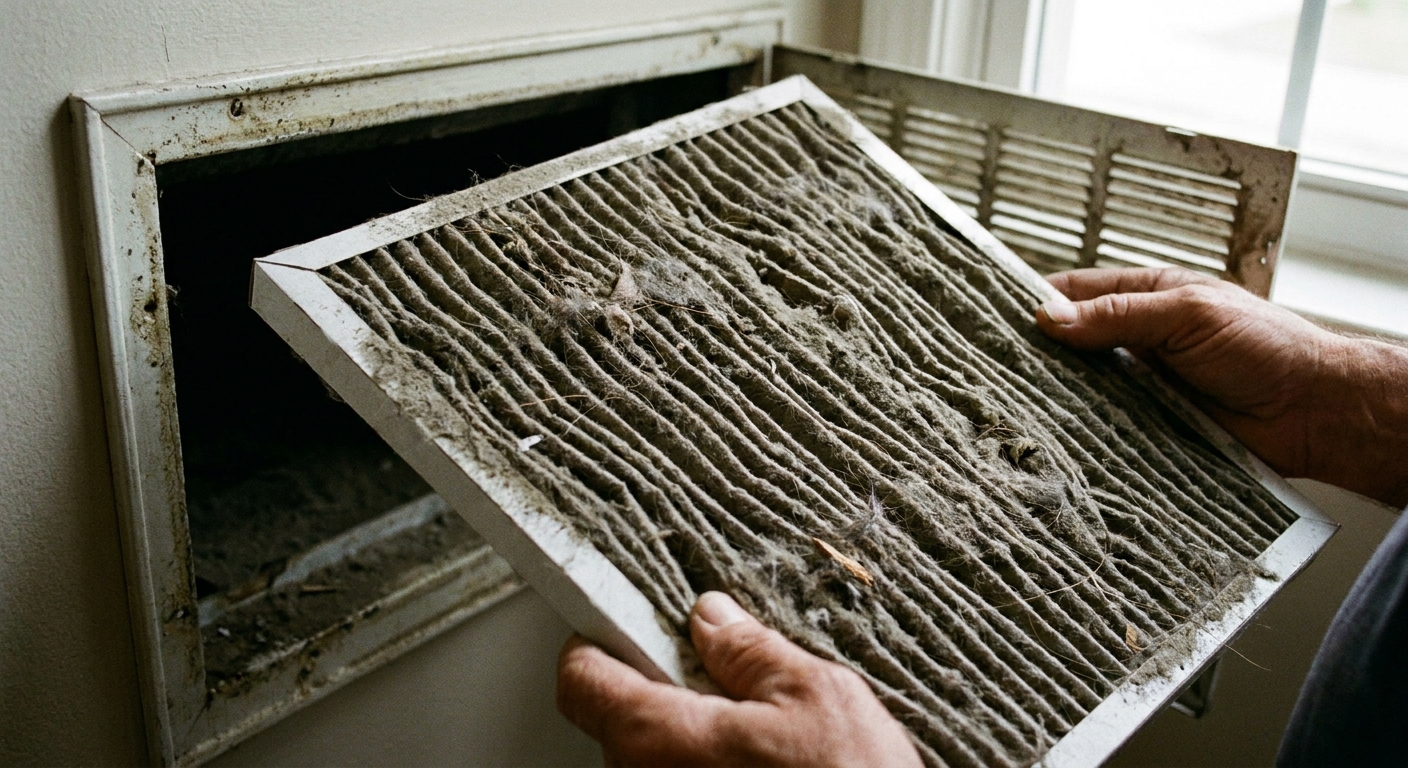
3) Change or remove the air filter to test airflow
A clogged filter can choke the system so badly the coil starts to freeze, and once ice builds up, airflow can drop to almost nothing.
- Pull the filter and look at it with a light behind it.
- If it is packed with dust, replace it.
- For a quick test only, you can run the system briefly with no filter to see if airflow returns. Do not leave it that way.
4) Look for a frozen evaporator coil
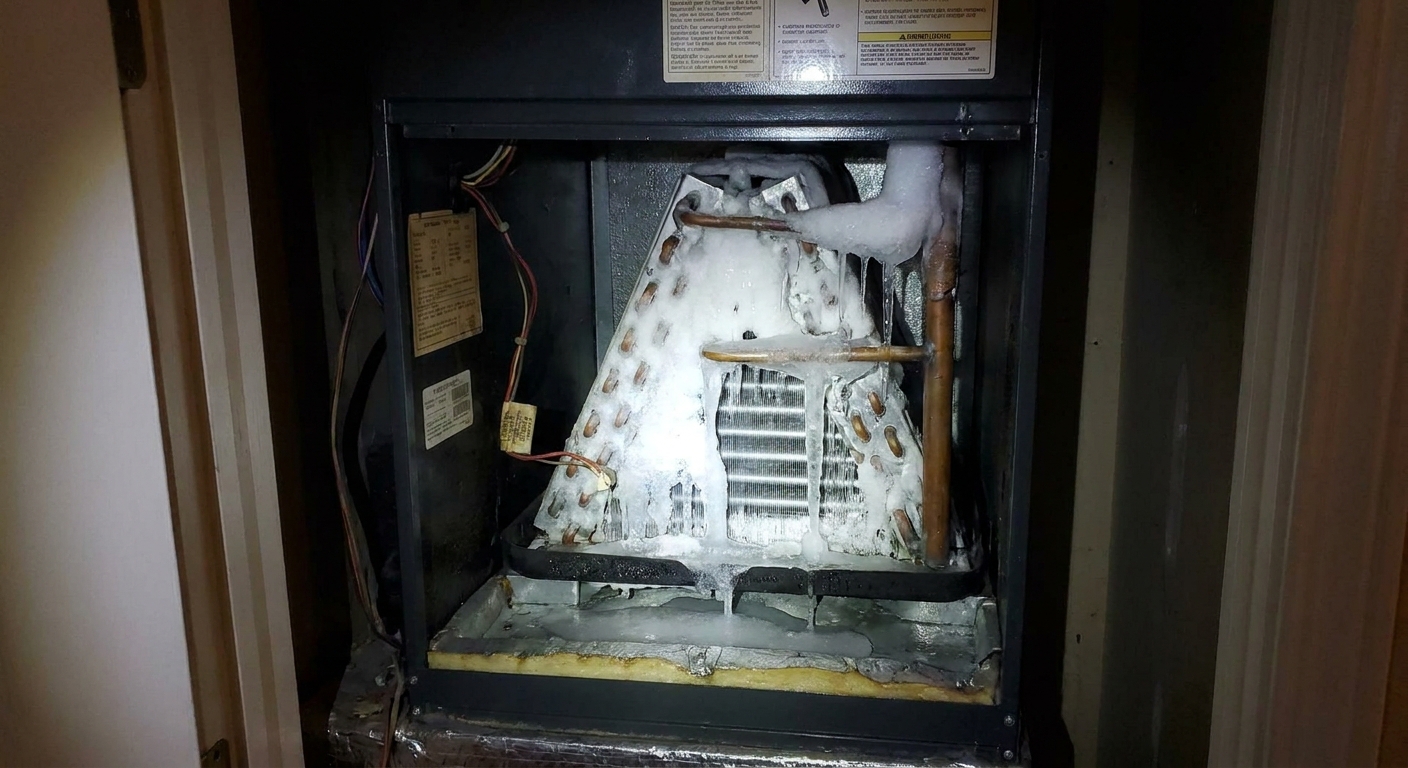
If the indoor coil is frozen, the blower may be trying, but air cannot get through the ice. Clues:
- Weak airflow that gets worse over time
- Water around the furnace or air handler after shutdown
- Ice on the larger copper line near the indoor unit, or sweating and then frosting
- You hear the blower running, but very little air moves
What to do:
- Turn cooling OFF at the thermostat.
- Set the fan to ON to help thaw, if the blower actually runs.
- Let it thaw fully. Depending on the ice, this can take 2 to 12 hours.
After it thaws, put in a clean filter and try cooling again. If it freezes again quickly, the common causes are:
- Restricted airflow (dirty filter, blocked return, dirty coil, closed registers)
- Blower issue (weak motor or failing capacitor)
- Low refrigerant from a leak (pro territory)
5) Make sure the return is not blocked
I have seen rugs, pet beds, and even a piece of foam board leaned against a return grille during a renovation. When the return cannot breathe, airflow collapses.
- Move furniture away from the main return grille.
- Open interior doors if your home relies on door undercuts for return airflow.
- If you have return filters in grilles around the house, check them all.
Open the indoor unit: two common “it will not run” culprits
If the filter is clean and nothing is frozen, it is time to check the indoor unit itself. You are not diagnosing refrigerant here. You are checking basic power and safety interlocks that stop the blower.
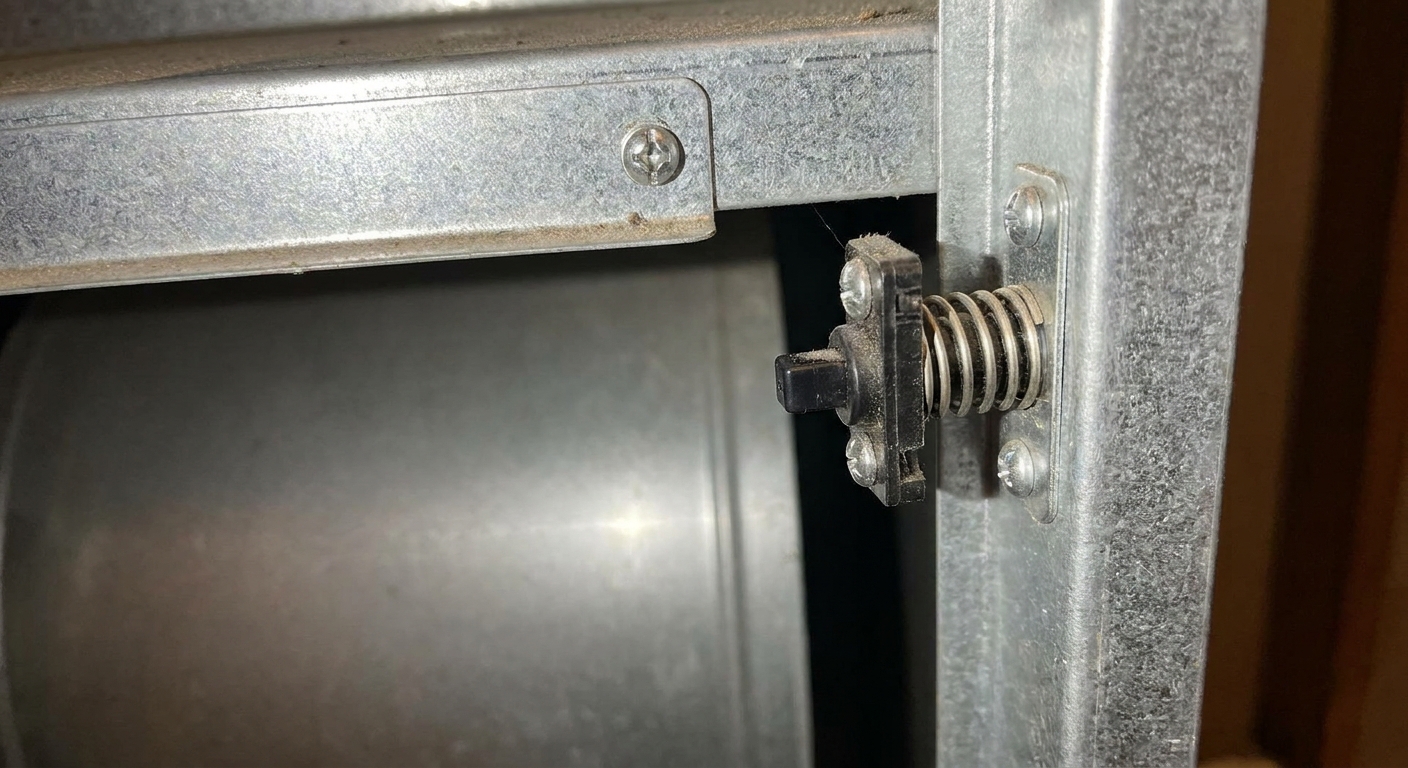
6) Check the blower door safety switch
Most furnaces and many air handlers have a little safety switch that cuts power when the blower door is off. If the door is not seated perfectly, the switch does not press in and the blower will not run.
- Kill power at the breaker first.
- Remove and reinstall the blower compartment door carefully.
- Make sure it is fully latched or screwed in, especially on older cabinets that can flex.
7) Inspect the condensate drain and float switch
In humid weather, a clogged condensate drain can trip a float switch that shuts down the system to prevent water damage. Some setups shut off the outdoor unit, others kill the indoor blower, and some do both.
- Look for a small safety switch near the drain pan or on the PVC drain line.
- Check for standing water in the secondary pan (attics) or water around the unit.
- If the pan is full, turn the system off and clear the drain line. A wet dry vac on the outside drain termination can often pull a clog.
If you clear the drain and it keeps backing up, there may be a sagging line, algae growth, or a blocked trap that needs a more thorough cleaning.
If the blower is not moving air: what to listen for
8) Is the indoor blower trying to start?
Restore power, set the thermostat fan to ON, and stand by the air handler or furnace.
- You hear nothing at all: could be no power to blower, failed control board, blown fuse, or a tripped safety switch.
- You hear a hum or a brief start then stop: often a weak blower capacitor (PSC motors) or a failing motor.
- You hear the blower spinning but airflow is still weak: likely a frozen coil, collapsed duct, dirty coil, or a closed damper.
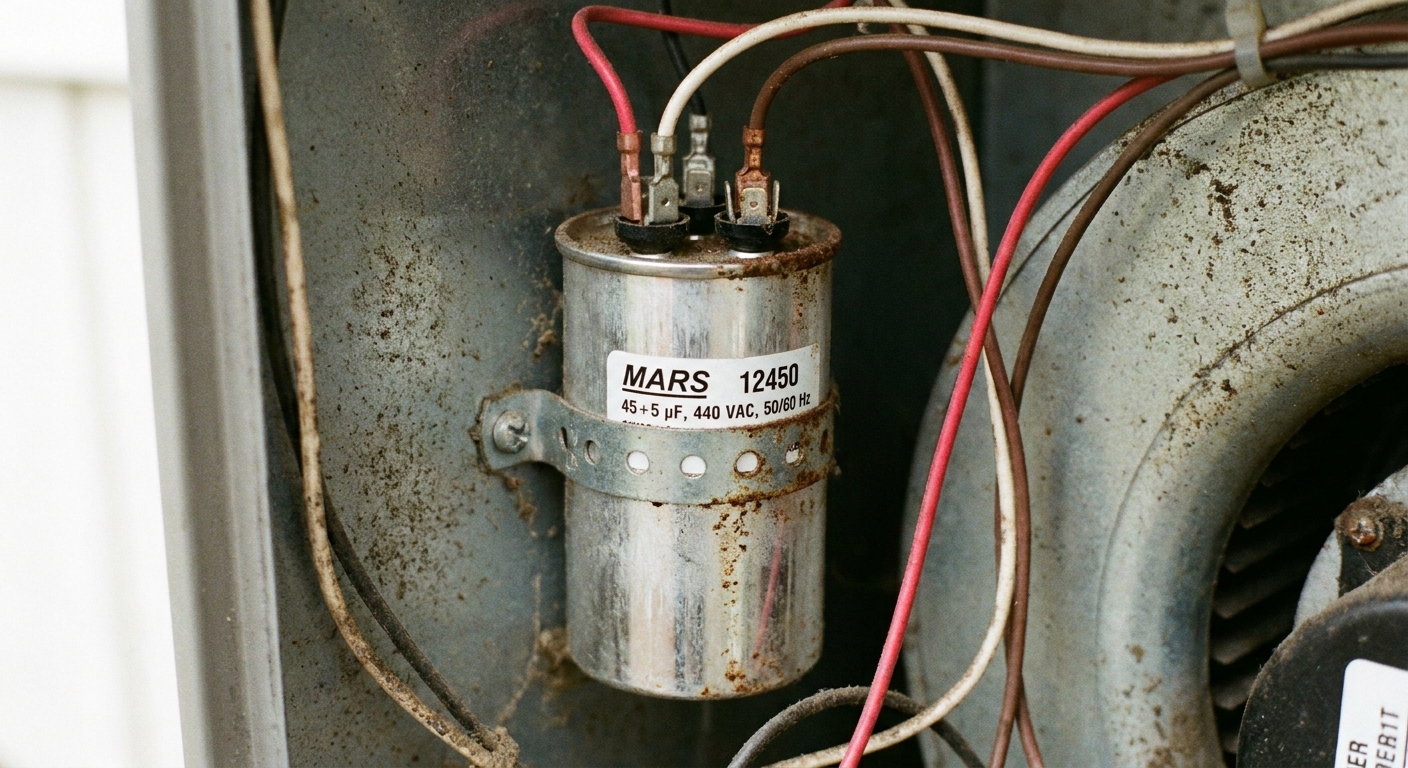
9) Blower capacitor clues (common on older systems)
Many older indoor blowers use a capacitor to get started. When it weakens, the motor may struggle, overheat, and shut off on thermal protection.
Homeowner-friendly clues:
- Blower hums but does not spin
- Blower sometimes starts after several tries
- Airflow is weaker than normal even with a clean filter
Safety note: capacitors can store a charge. If you are not comfortable testing with a multimeter and discharging properly, this is a good point to call an HVAC tech.
10) Dirty evaporator coil (not frozen, just clogged)
Even without ice, a coil can get matted with dust if a filter was missing, poorly seated, or ignored. That restricts airflow hard.
- With power off, remove the access panel if it is designed to be removed for service.
- If you see a blanket of dust on the coil face, stop and schedule service unless you are confident you can reassemble panels and maintain an air-tight seal.
DIY coil cleaning is possible, but it is also easy to bend fins, create air leaks, or soak electrical components. I treat this as an advanced task.
Don’t miss the ductwork angle
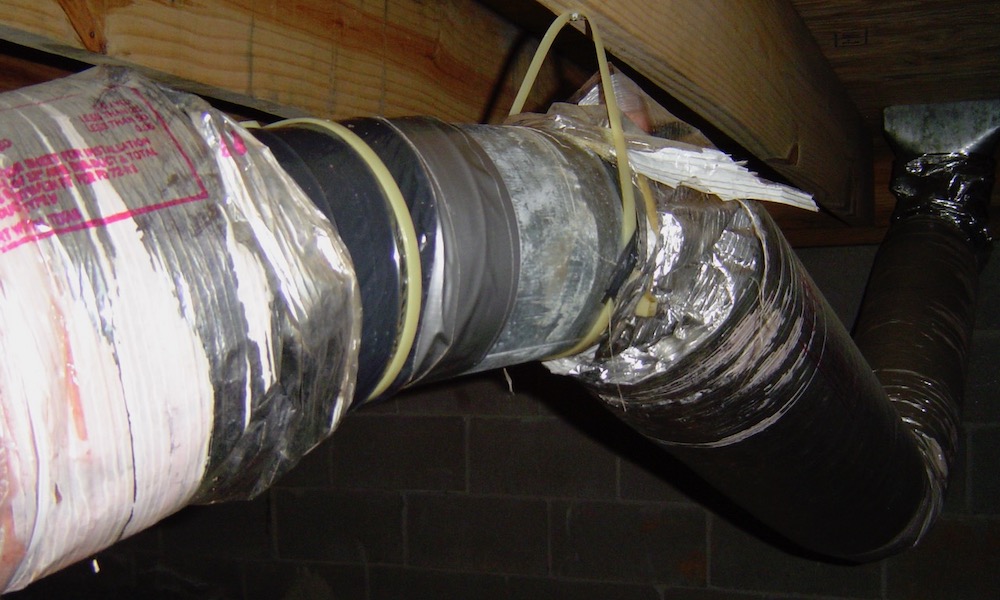
11) Disconnected or collapsed duct
If the blower runs but you get almost nothing at the vents, check the basics in the attic or crawlspace if you can do it safely.
- Look for a large flex duct that slipped off a collar near the air handler.
- Look for crushed flex duct from storage boxes or a recent contractor crawling around.
- Check for a manual damper that got bumped closed.
When to call a pro (and what to tell them)
If you have done the filter check, looked for ice, verified the blower door switch, and the blower still will not run or keeps freezing up, it is time. The most common professional fixes here are a blower capacitor or motor replacement, control board troubleshooting, refrigerant leak diagnosis, or coil cleaning.
When you call, these details help a tech show up prepared:
- Outdoor unit runs: yes or no
- Indoor blower runs: yes, no, or only sometimes
- Any ice on lines or coil: yes or no
- Filter condition and when it was changed
- Any recent drain overflow or water in a pan
FAQ
Can the outdoor unit run if the indoor blower is dead?
Yes. The outdoor condenser can still be powered and running while the indoor blower is off or not moving air. That is why you can hear it outside and still get nothing at the vents.
Is it bad to keep the AC running if there is no airflow?
Yes. Poor airflow can freeze the evaporator coil, and a frozen coil can lead to water damage during thawing. Turn cooling off while you troubleshoot.
My vents blow a tiny bit. Does that still count?
It does. A frozen coil or severely clogged filter can reduce airflow to a faint trickle. Treat “barely blowing” as the same problem until you prove otherwise.
Why does it work at night but not during the day?
That pattern often points to a system that is right on the edge. During hotter daytime temps, the system runs longer, airflow restrictions or a weak blower capacitor show up, and the coil is more likely to freeze.
The 30-Second Cheat Sheet
Essential takeaways for: Outdoor AC Runs but No Air From Vents
What this symptom usually means
If the outdoor AC unit is running but little or no air comes from the vents, the problem is usually on the indoor airflow or blower side: a clogged filter, a frozen evaporator coil, a tripped safety switch, a drain float switch, or a blower motor or capacitor issue.
Do this first (fast and safe)
- Set thermostat to OFF to prevent coil freeze damage.
- Check thermostat is on COOL and try fan set to ON.
- Replace the air filter (or remove briefly to test airflow only).
- Look for ice on the indoor coil area or the larger copper line near the air handler.
If you suspect a frozen coil
- Turn cooling OFF.
- If the blower runs, set fan to ON to help thaw.
- Wait for full thaw, often 2 to 12 hours.
- If it re-freezes soon after, suspect airflow restriction, blower weakness, or low refrigerant leak (pro).
Indoor unit checks (power off first)
- Reseat the blower door. A mis-seated door can keep the safety switch open and stop the blower.
- Check the condensate pan and drain. A clogged drain can trip a float switch and shut things down.
Listen for these clues
- Nothing at all inside: safety switch, fuse, control board, or no power to air handler.
- Hum then stop, or struggles to start: often blower capacitor (older PSC motors) or failing motor.
- Blower runs but airflow weak: frozen coil, dirty coil, duct collapse, or closed damper.
Call a pro if
- Blower will not start after filter and door switch checks.
- Coil freezes repeatedly.
- You see burned wiring, smell electrical burning, or hear loud buzzing.
💡 Tip: Scroll up to read the full article for detailed, step-by-step instructions.
⬆️ Back to top
About Grit
Content Creator @ Grit & Home
Grit is Grit & Home’s little blue clay courier, delivering big questions about the place you call home. Expect practical ideas, a raised eyebrow, and a satchel full of curiosity.