
🚨 In a DIY emergency or rush?
Skip the details and jump straight to our 30-second cheat sheet for the most crucial info.
The first time a squirrel turned one of my patio pots into a crater, I assumed it was after the plant. Turns out, a lot of the time it is after the soil. Fresh potting mix is easy to dig, it smells “new,” and it is a perfect place to bury snacks or go hunting for a forgotten nut.
The good news: you do not have to declare war on the neighborhood squirrels to win this. You just need to make your containers annoying to dig in and less interesting than the next yard.
Why squirrels dig in pots
Once you know the motivation, the fix gets a lot clearer.
- Burying food: Containers are tidy little “stash spots,” especially in fall.
- Looking for bulbs: If you plant tulips, crocus, or other bulbs in pots, squirrels will investigate.
- Loose, dry soil feels good to dig: Potting mix is lighter than garden soil, so it is easy work.
- Moisture and bugs: Sometimes they are after whatever is living in the mix, which is more likely in large planters or pots that include compost or topsoil blends.
If you see a neat hole with disturbed soil, it is usually caching behavior. If your entire plant is uprooted, it is often a messy digging spree that happened while they were searching.
Start here
If you want a simple, repeatable approach, this is my go-to order:
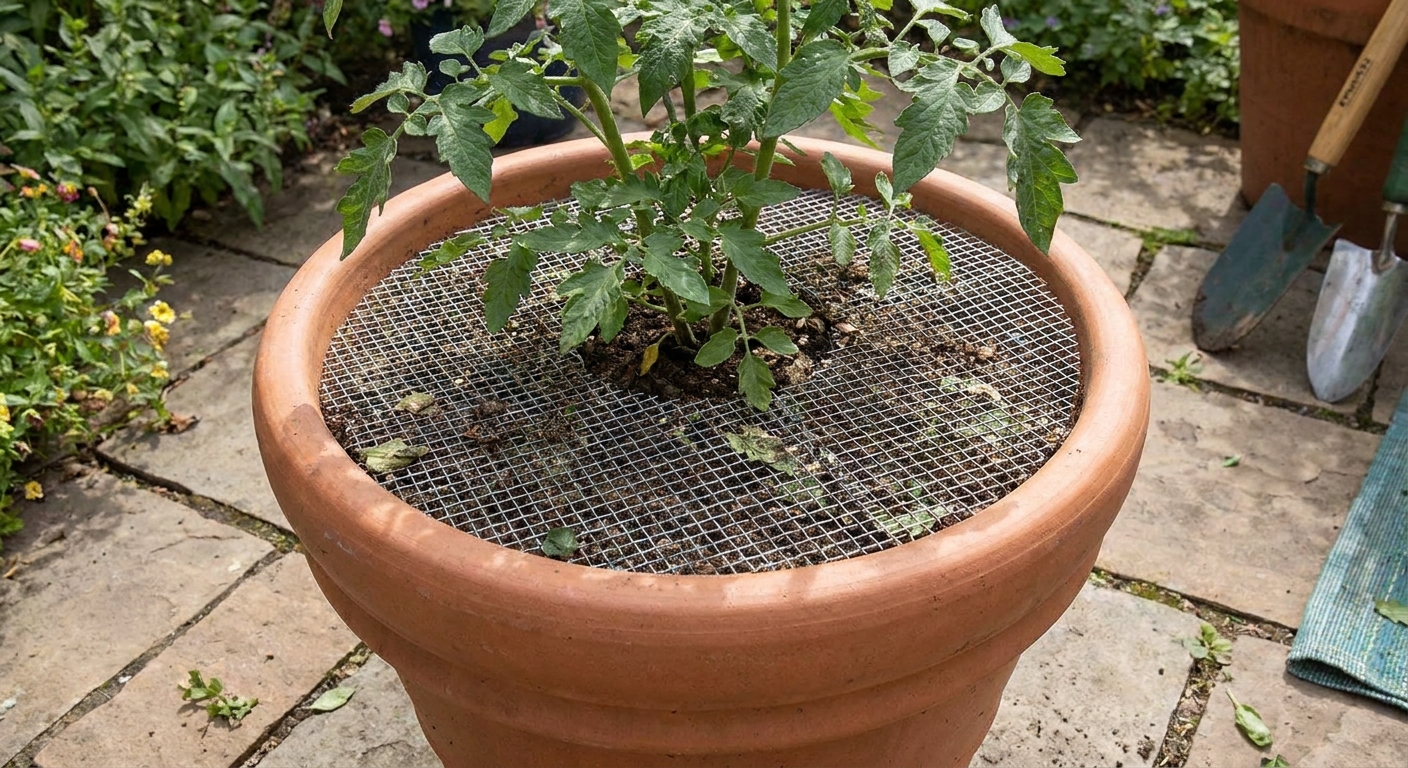
- Block the soil surface with mesh or a rigid cover.
- Top-dress with something unpleasant to dig through.
- Move the pot so the squirrel feels exposed and chooses an easier target.
Most people only need Step 1, especially on small to medium containers.
Best long-term fix
Spices smell strong for a day. Physical barriers work every day. For containers, the most dependable solution I have used is a simple soil cover made from hardware cloth or similar mesh.
Option A: Hardware cloth
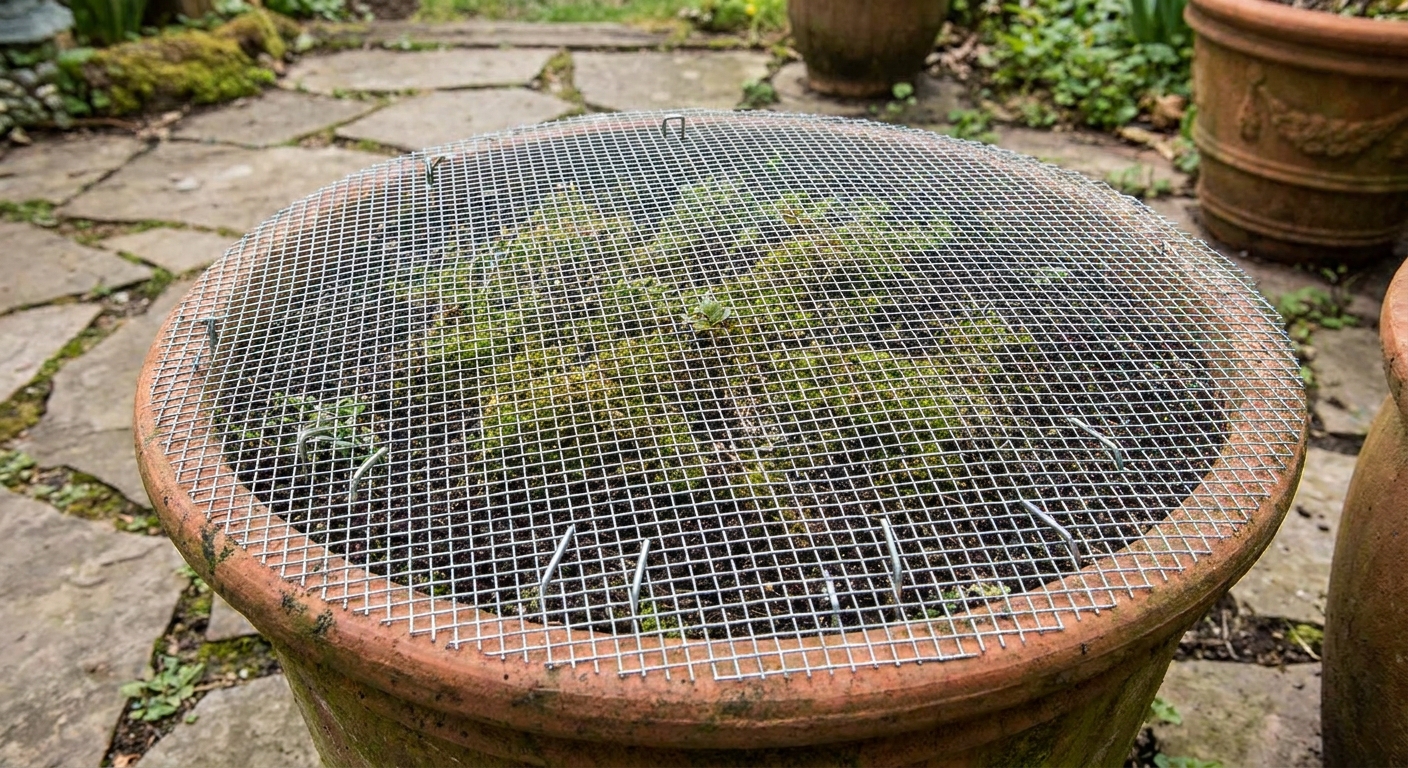
Hardware cloth is a galvanized wire mesh (often 1/2 inch openings). It is stiff enough that squirrels cannot easily push it aside.
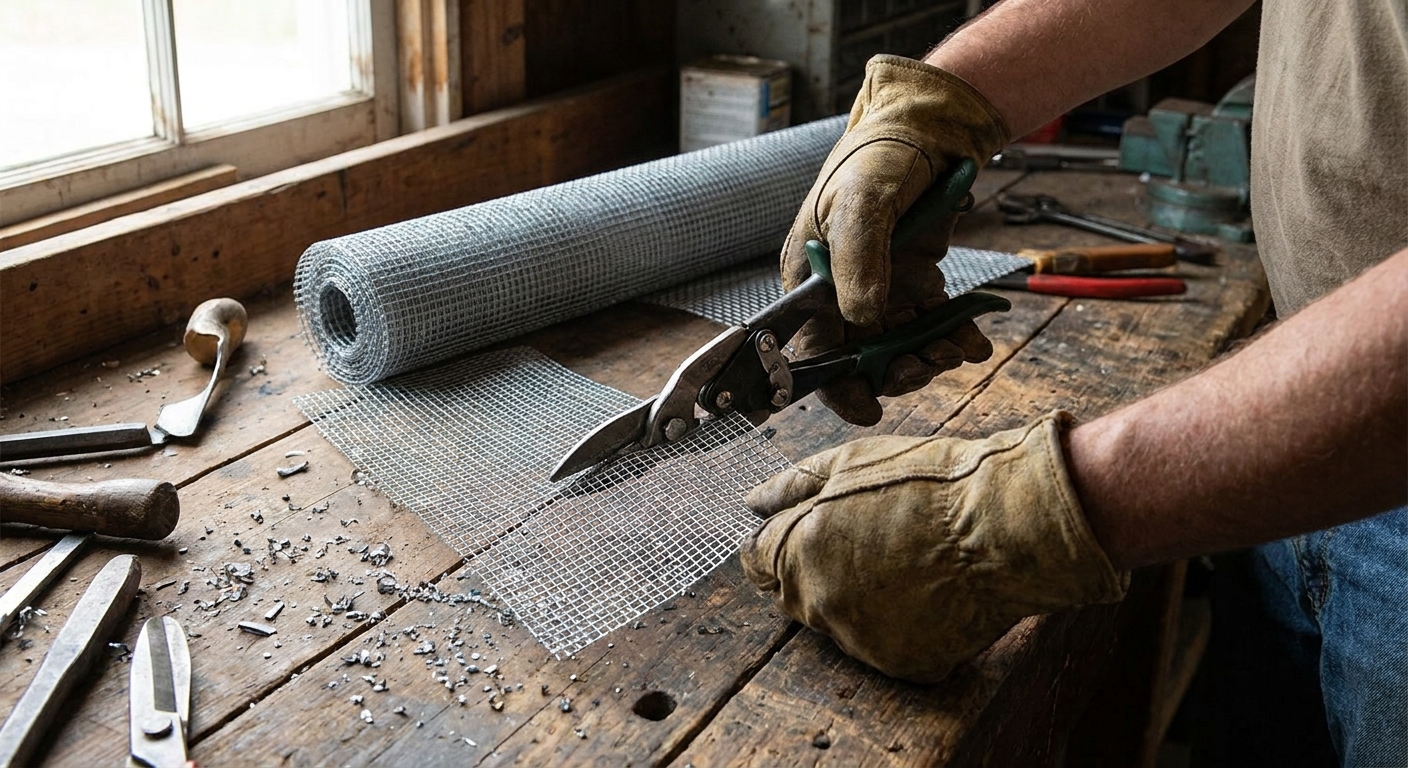
- What you need: hardware cloth, tin snips, gloves, and landscape staples or a few U-shaped pieces of wire.
- How to do it: cut a circle the diameter of your pot, then cut a slit from the edge to the center and a small opening for the plant stem. Lay it flat on the soil and pin it down near the rim.
Tip: Wear gloves. The cut wire edges are sharp. I have learned that lesson the hard way more than once.
Small upgrade that helps: After you cut, take an extra minute to bend the cut edges down slightly (or fold them over) so they are less poky, especially on plastic pots and around your hands.
Option B: Plastic garden mesh
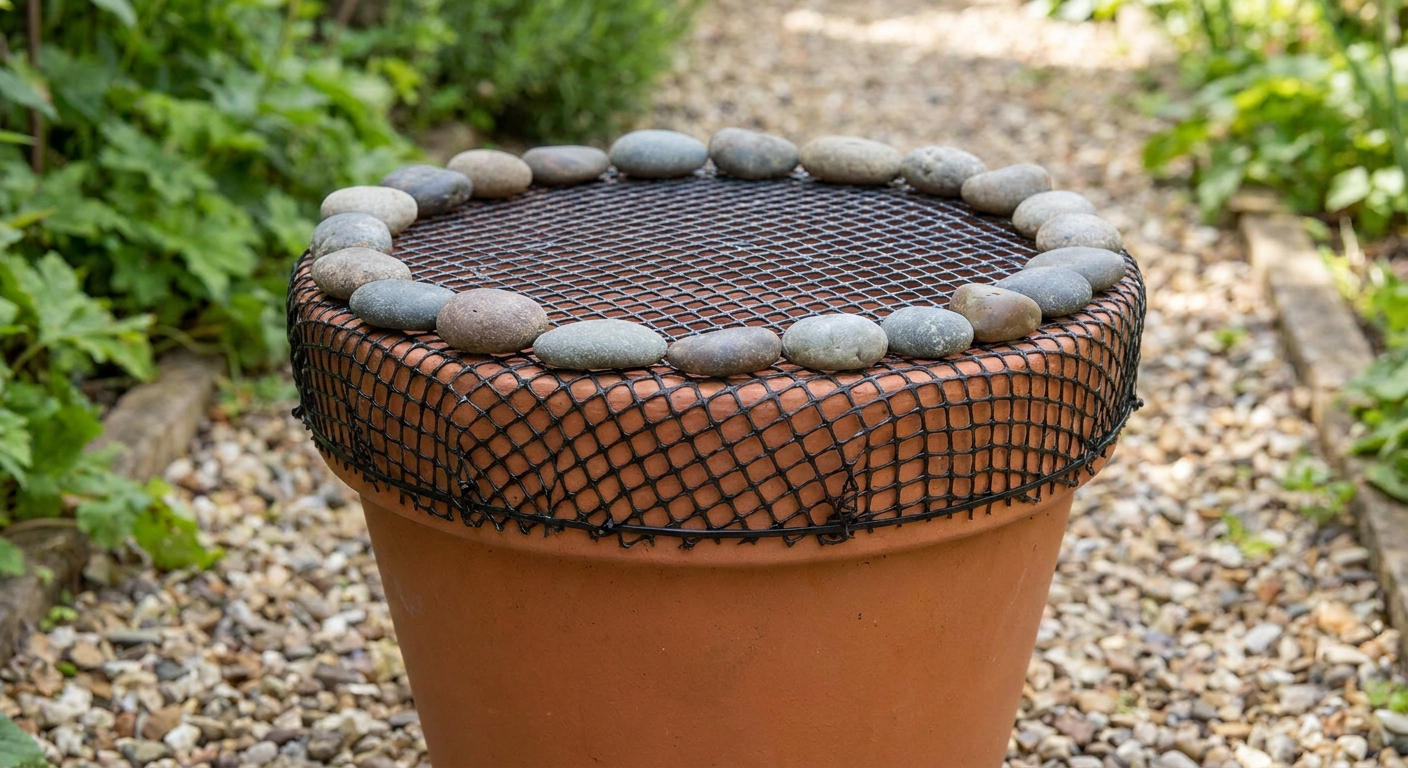
If you are protecting light pots and you want something you can cut with scissors, plastic mesh is fine. Just know squirrels can sometimes lift it unless you pin it down well.
- Use landscape staples if the pot is large enough, or
- Tuck edges under a thin layer of gravel to lock it in.
Top-dress the soil
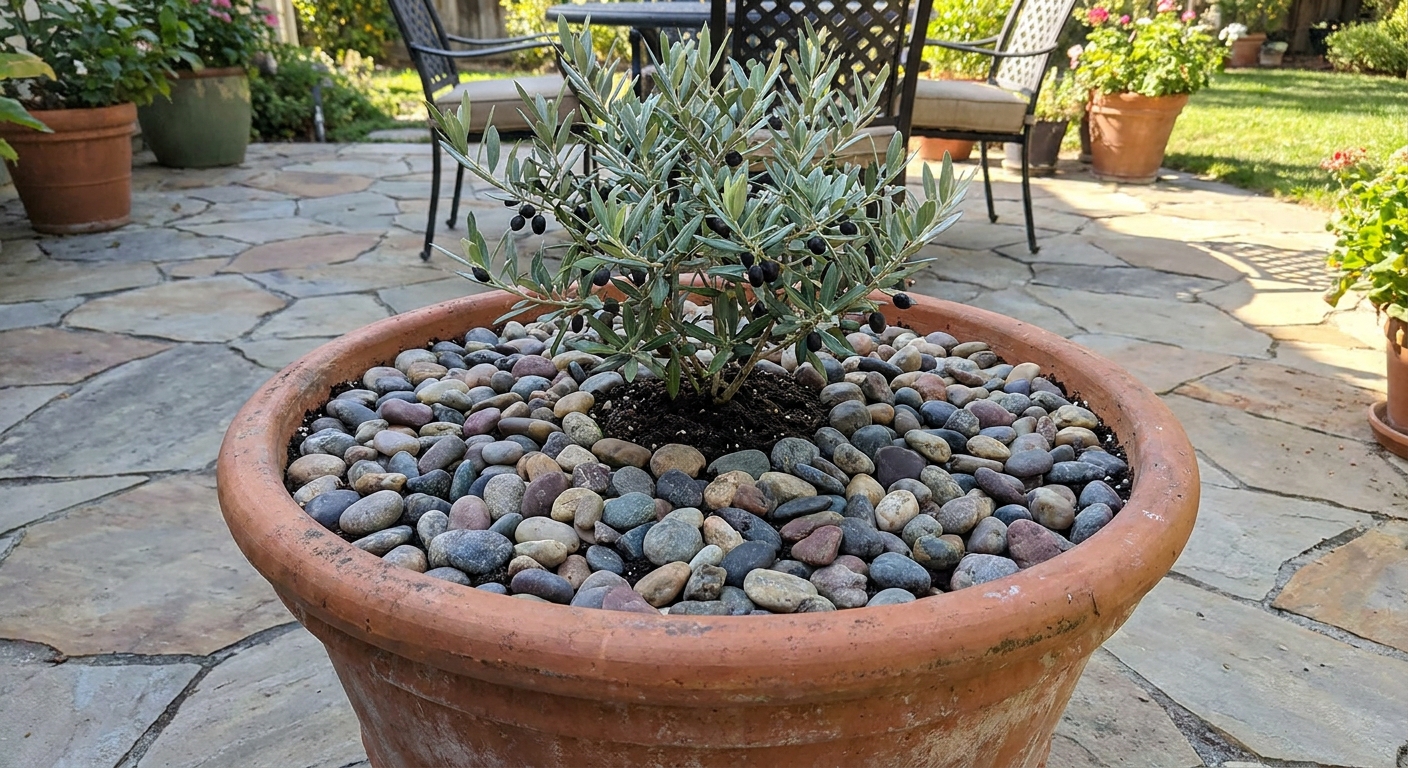
Even with mesh, I like a thin top layer that discourages scratching and also makes the pot look finished.
Good options
- River rock or 3/4 inch decorative gravel: Heavier and harder to move. Works well on bigger pots.
- Lava rock: Lightweight but rough. Many squirrels do not love it.
- Pine cones: Free, prickly, and easy to arrange. Great seasonal fix.
Quick plant-health note: Keep rock, cones, and mulch pulled back a bit from soft stems and plant crowns. Some plants hate staying damp at the base, and a tight ring of rock can hold moisture where you do not want it.
Skip these if you can: very small pea gravel (easy to push aside), and fluffy mulch (it is basically an invitation).
Bulbs in containers
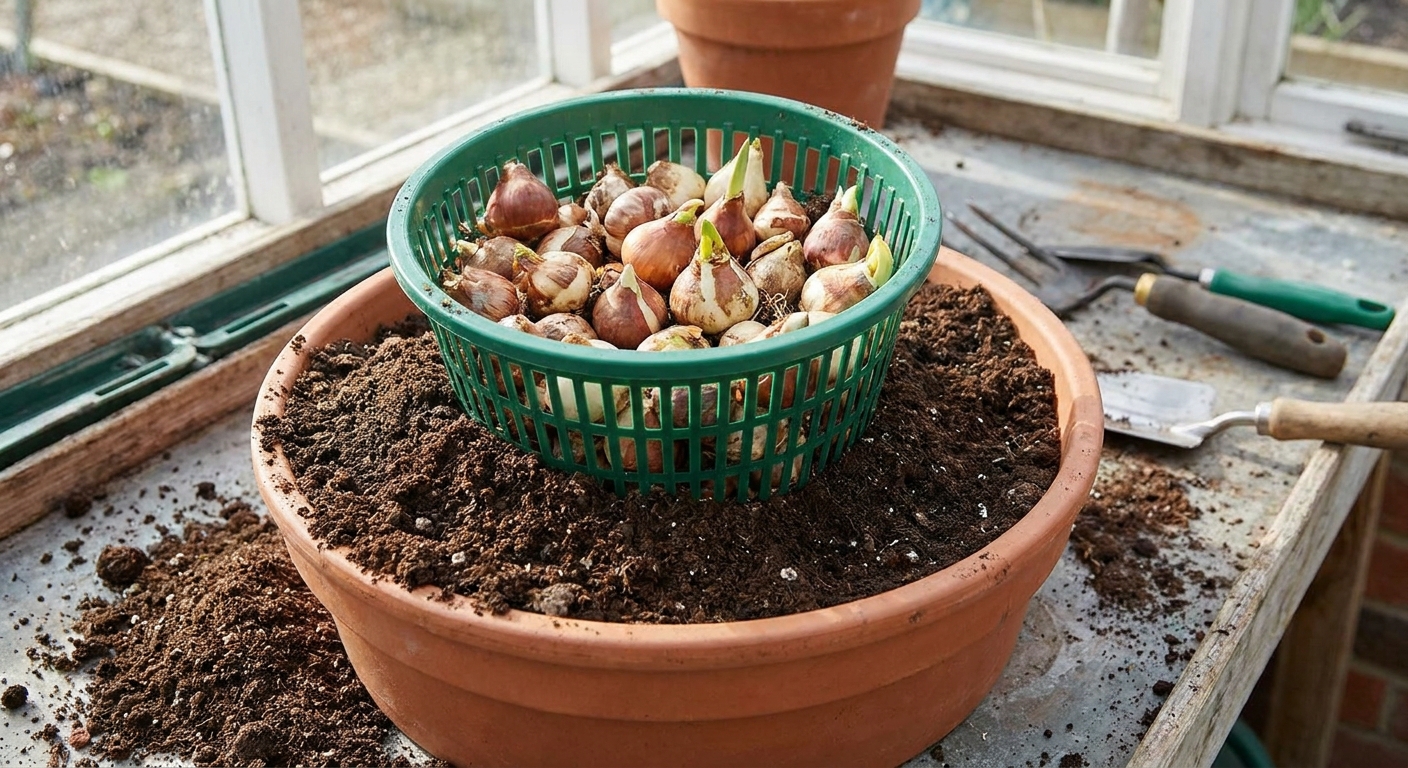
If squirrels are digging specifically where you planted bulbs, take away the reward. I have had the best luck with bulb baskets or wire bulb cages even in containers.
Two reliable approaches
- Bulb basket in the pot: Plant bulbs inside a plastic bulb basket, then bury the basket in the container like a “module.”
- Wire cover on top: After planting, place hardware cloth over the soil for several weeks, or until you stop seeing fresh digging. In cold climates, many people leave it until the ground is consistently frozen.
In containers, squirrels can keep investigating all winter because the soil stays looser than the ground. A cover matters more than you would think.
Pot placement
Squirrels like quick escape routes and low stress. You can use that.
Placement tweaks
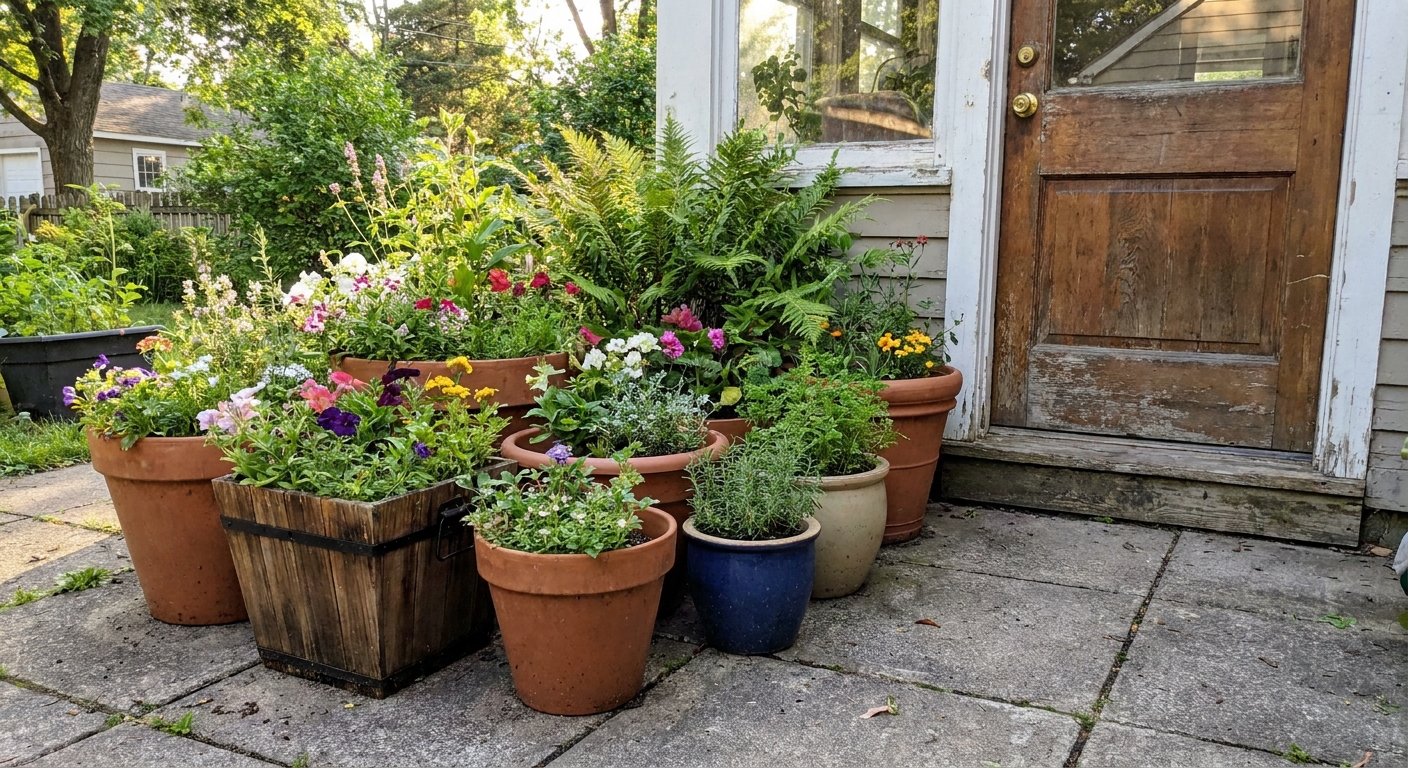
- Pull pots away from railings, shrubs, and steps that provide an easy hop-in, hop-out route.
- Group pots tightly so there is less exposed soil edge to land on and scratch at.
- Raise small pots onto a table or plant stand so the squirrel feels more exposed.
- Put the most targeted pot closest to activity like a door you use often or a window that sees movement.
One more thing that matters: If you have a bird feeder nearby, clean up spilled seed. Easy calories bring squirrels back to the same spot, and once they are there, your pots become entertainment.
This is not magic, but it stacks the odds in your favor, especially paired with a mesh cover.
Spices and scents
I get why these are popular. They are cheap and you can try them in five minutes. I have tried plenty of them too.
The issue is not that they never work. The issue is that they usually do not work for long.
Why they fade
- Rain and watering wash them out and dilute the smell.
- Sun breaks down scents faster than most of us expect.
- Squirrels get used to it if the smell is always there and nothing bad happens.
If you still want to try them
Use them as a short-term add-on, not the main defense. And keep them off delicate foliage.
- Cayenne or chili powder: Can help for a few days in dry weather, but reapply often. Avoid getting it in your eyes, and keep in mind it can irritate pets.
- Coffee grounds: More of a mild deterrent than a solution. Can mold if you pile it on thick.
- Predator urine granules: Sometimes helps briefly for some people, but outdoor conditions make it inconsistent.
If you want something you do once and forget, go back to mesh.
DIY soil cover
If you are a visual learner, this is the exact approach I use on patio pots that get hit repeatedly.
Materials
- 1/2 inch hardware cloth (a small roll goes a long way)
- Tin snips
- Work gloves
- 4 to 8 landscape staples (or thick wire bent into U-shapes)
- Optional: a handful of decorative rock to hide the mesh
Steps
- Measure the inside diameter near the rim (soil line area).
- Cut a circle of hardware cloth to match.
- Cut a slit from the outside edge to the center.
- Cut a small center notch so it can fit around the plant stem without pinching it.
- Lay it flat on the soil and overlap the slit edges so there is no wide gap.
- Pin it down near the rim with staples or U-wires.
- Top-dress lightly with rock or pine cones if you want the mesh hidden.
Access tip: If you fertilize often or like to scratch in amendments, cut the mesh so one side can lift like a small flap, then pin it back down when you are done. You can also remove two staples and pivot the whole cover up for watering and feeding, then re-pin it.
My mistake to help you avoid: Do not leave a big opening around the stem. Squirrels are basically tiny excavators. If there is a gap, they will start there.
Seedling protection
Freshly planted seeds and tender starts are extra vulnerable. If you are seeing plants yanked out or chewed, you need a little more than a soil cover.
Two easy protections
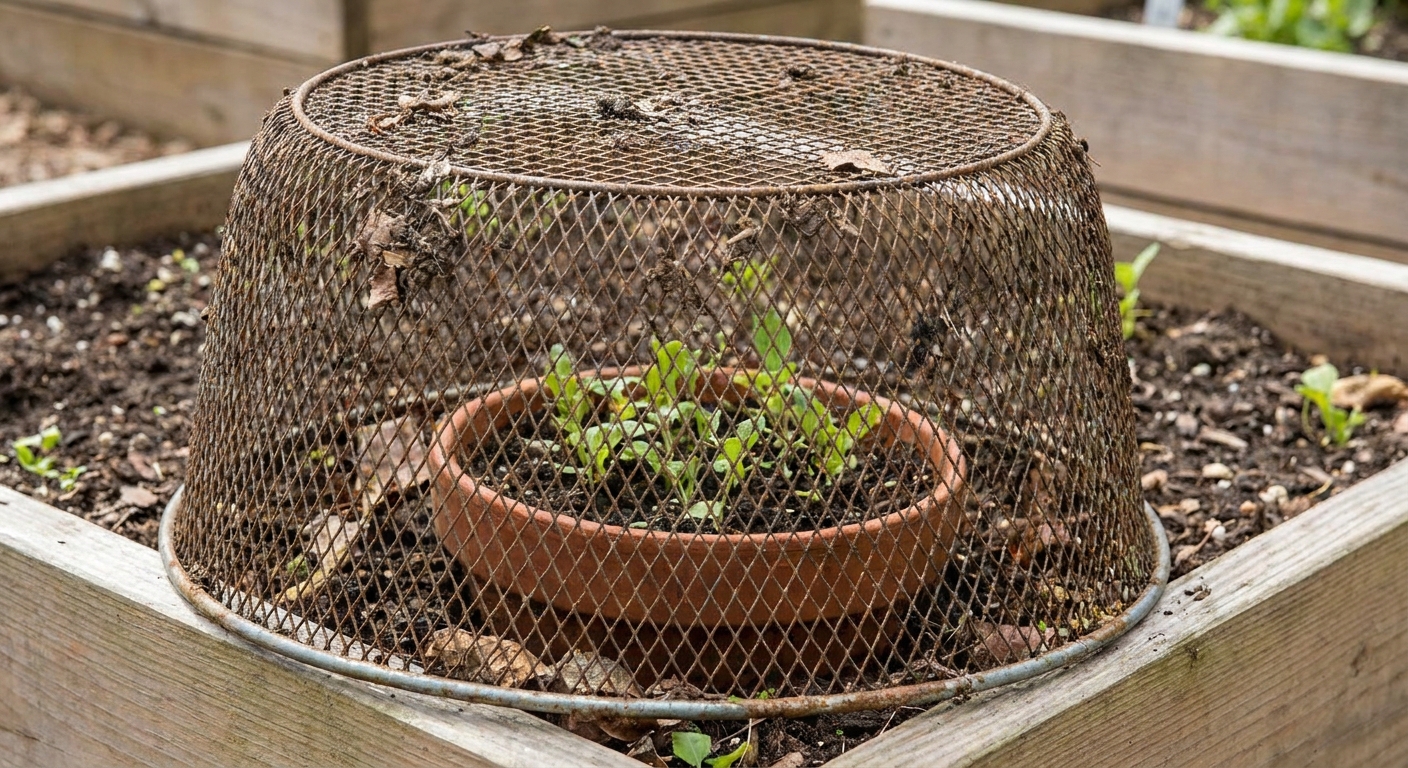
- Temporary cloche: Use a wire wastebasket turned upside down, or a rigid wire plant protector over the pot for a week or two.
- Mini fence ring: Make a short cylinder of hardware cloth around the plant, anchored into the soil, then add the flat mesh cover on top.
Once the plant is established and roots grab, you can usually remove the “cage” and keep just the soil cover.
FAQ
Will rocks on top of soil stop squirrels?
Sometimes, especially if the rocks are large and heavy. On their own, rocks can be hit-or-miss because squirrels can push lighter stones aside. Rocks work best over mesh, or when you use larger river rock that is awkward to move.
What is the best mesh size?
For most container plants, 1/2 inch hardware cloth is a great balance of strength and ease of cutting. Smaller openings work too, but are harder to cut and shape.
Can I use landscape fabric?
Landscape fabric is not designed to stop squirrels. If it is pulled tight and pinned well, it can reduce digging a little, but squirrels can claw through it and keep going. If you already have some, you can use it under a gravel top layer, but it is not a reliable squirrel barrier by itself.
Will cinnamon or peppermint oil keep squirrels out of planters?
They can help briefly, especially right after application, but outdoor watering and weather usually make them short-lived. I treat these as “quick resets,” not long-term fixes.
Do I need to trap or remove squirrels?
In most container situations, you can solve the problem with barriers and placement. Trapping rules vary widely by location, and it is usually more hassle than it is worth when a mesh cover solves the digging.
The bottom line
If you take one thing from my own patio pot battles, let it be this: make the soil physically hard to access. Hardware cloth plus a little top-dressing is cheap, fast, and it does not wash away the first time you water your plants.
And if you are feeling annoyed, you are not alone. Nothing tests your DIY patience quite like a squirrel undoing your work overnight. Put a lid on the soil, and get your mornings back.
The 30-Second Cheat Sheet
Essential takeaways for: Squirrels Digging in Flower Pots? How to Stop Them
Fastest fix (most reliable)
- Cover the soil surface with 1/2 inch hardware cloth cut to the pot size, slit to fit around the plant, then pinned down with landscape staples or U-shaped wire.
- Add a thin top layer of river rock, lava rock, or pine cones to make digging less appealing and to hide the mesh. Keep rock pulled back from tender stems and crowns.
If squirrels are digging up bulbs
- Plant bulbs in a bulb basket inside the container, or
- Keep a wire mesh cover on the pot for several weeks after planting (and longer if digging pressure stays high or winters are mild).
Placement tweaks that help
- Pull pots away from railings, shrubs, and steps (fewer easy hop-in routes).
- Group pots tightly to reduce exposed soil edge.
- Raise small pots on a stand or table to make squirrels feel exposed.
What usually does not last
- Spices (cayenne, cinnamon), coffee grounds, and predator scents tend to fade quickly outdoors due to watering, rain, sun, and squirrels getting used to them.
Seedling protection (short term)
- Use an upside-down wire wastebasket or a rigid wire cover as a temporary cloche until seedlings are established.
💡 Tip: Scroll up to read the full article for detailed, step-by-step instructions.
⬆️ Back to top
About Grit
Content Creator @ Grit & Home
Grit is Grit & Home’s little blue clay courier, delivering big questions about the place you call home. Expect practical ideas, a raised eyebrow, and a satchel full of curiosity.