
🚨 In a DIY emergency or rush?
Skip the details and jump straight to our 30-second cheat sheet for the most crucial info.
Small appliance. Big home questions.
A dehumidifier that runs constantly can be totally normal for a while, especially in a damp basement after a rainy week. But if it never seems to reach the humidity you set, and it keeps filling the bucket over and over, it is time to ask a less polite question: what moisture is this thing fighting, and can it actually win?
This guide helps you separate a normal long run from a unit that is stuck in an endless loop, then walks you through the most common causes and fixes.
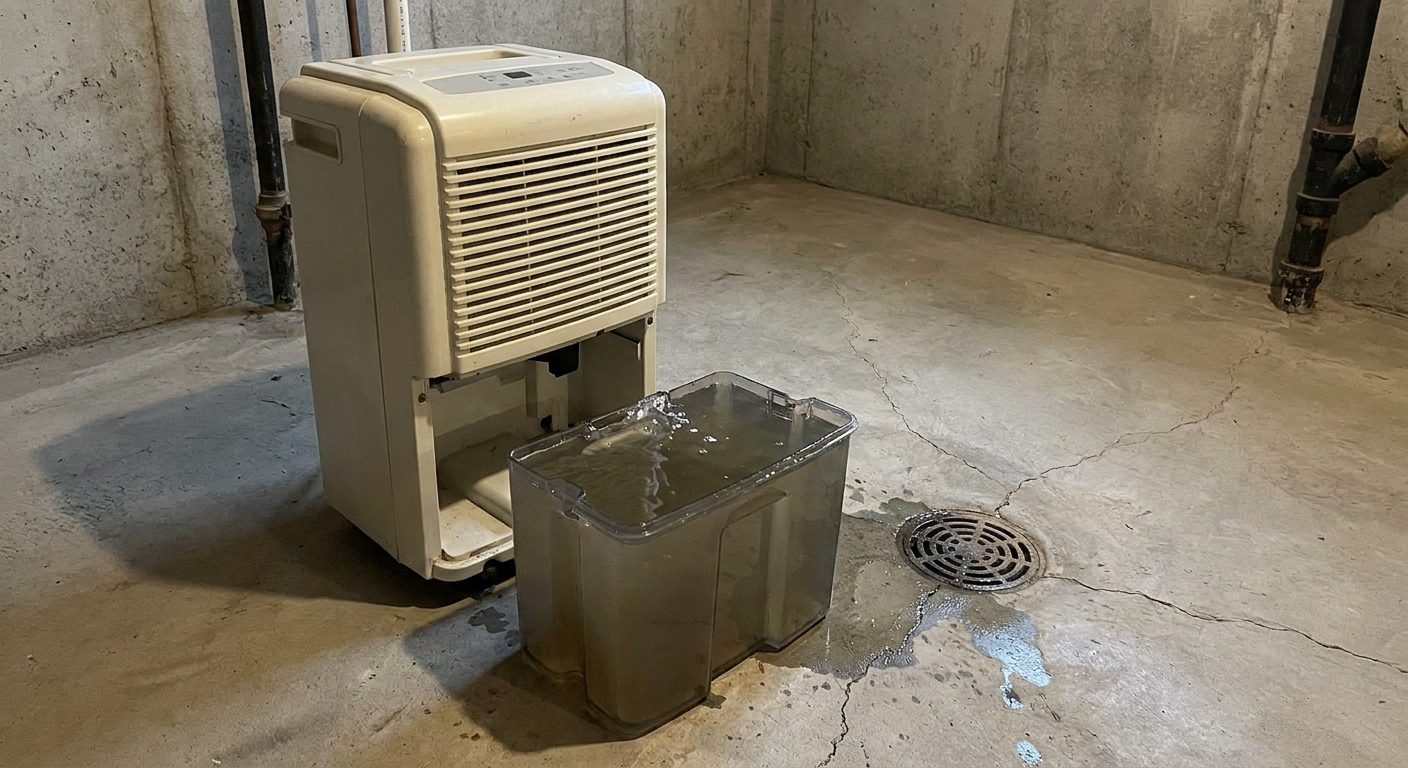
First: is a long run actually normal?
Yes, sometimes. A dehumidifier can run for many hours, and in some cases even days, during an initial dry-down. The air, the concrete, the framing, and anything porous in the room can hold moisture and release it slowly. That is not the machine being dramatic, that is physics being patient.
Likely normal
- New placement or first seasonal start-up, and the unit is pulling water steadily.
- Basement after heavy rain, or after humid outdoor air has been flowing in.
- Humidity is dropping day to day, even if slowly.
Likely not normal
- It runs 24/7 and the room humidity stays roughly the same.
- You set 45% to 50% RH but it never gets close, even after days.
- The bucket fills frequently and you also notice a clear moisture source (leak, open door, dryer vent issues).
If you are unsure, do this quick reality check: place a basic hygrometer in the room (not right next to the unit) and log humidity morning and night for two days. If it never trends down, the dehumidifier is either undersized, mis-reading humidity, or fighting a constant moisture input.
30-minute triage: quick checks
Before you assume the unit is bad, run through these. They fix a surprising number of “won’t shut off” complaints.
1) Confirm the setpoint and mode
- Set the target humidity to 50% RH as a baseline.
- Make sure it is not in Continuous or Turbo mode.
- If it has a fan setting, use Auto to let it cycle normally.
2) Check the air filter and airflow
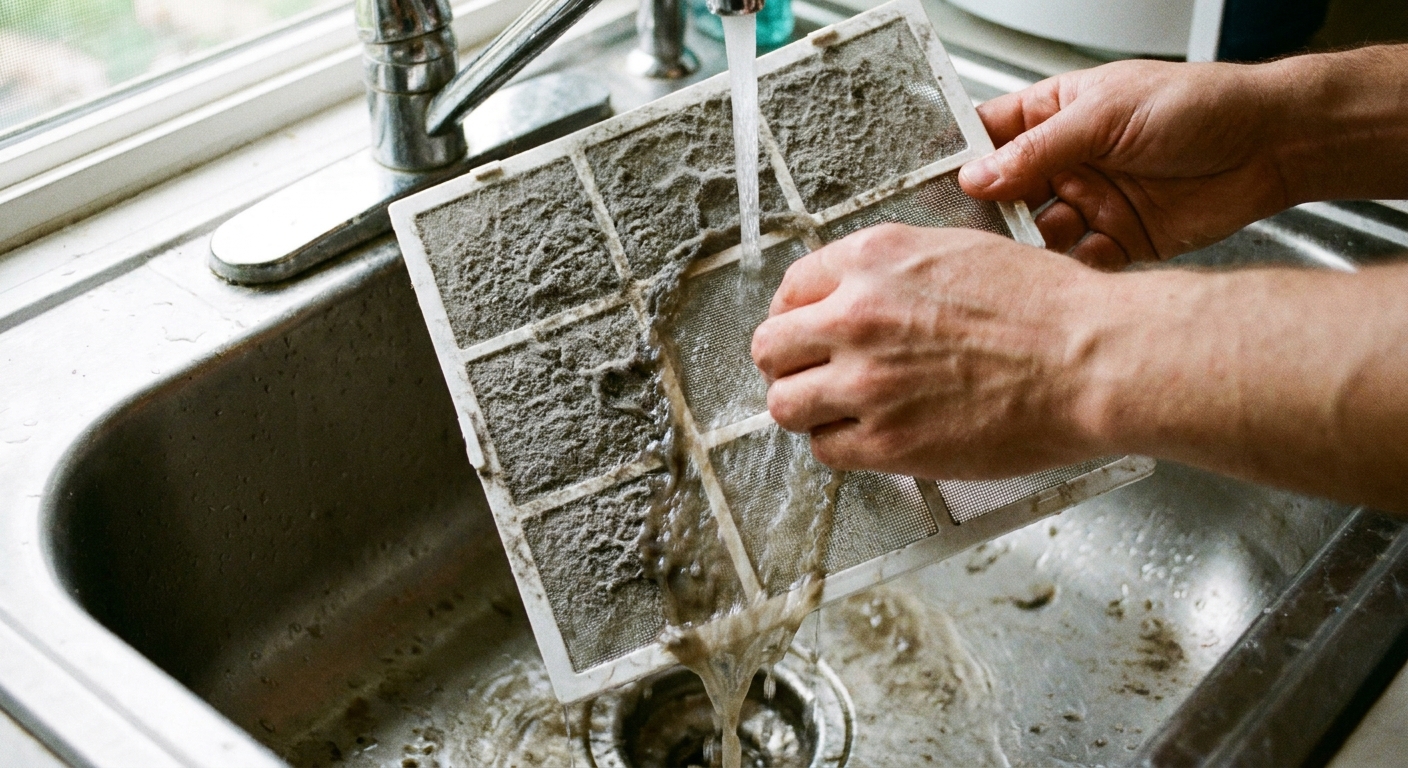
A clogged filter reduces airflow across the coils, which reduces water removal. The unit can run constantly and still struggle to drop humidity.
- Clean or replace the filter.
- Give the unit space: at least 12 inches clearance on intake and exhaust sides, or whatever your manual calls for.
- Make sure nothing blocks the grille or louvers (curtains count).
Cause #1: the unit is undersized
This is the most common reason a dehumidifier runs constantly while still collecting water. It is not failing, it is outmatched.
Clues you are undersized
- The unit collects water steadily but humidity plateaus above the setpoint.
- The room is a basement with bare concrete, stone foundation, or frequent dampness.
- You are trying to dehumidify multiple rooms through doorways or hallways.
Fixes
- Close doors and dehumidify one zone at a time.
- Add air circulation with a box fan to move damp air toward the unit, especially in basements with corners and alcoves.
- If it is truly too small, you may need a higher capacity unit or a second unit for separate areas.
One raised eyebrow detail: the “square footage” claim on the box is often optimistic. A damp basement behaves like a bigger job than a same-size upstairs bedroom.
Cause #2: humid air keeps entering
A dehumidifier can only dry the air it has. If you are continuously feeding it new humid air, it will run like it is on a treadmill.
Common moisture adders
- Basement door to outside that is opened often, or has poor weatherstripping.
- Leaky rim joist area or foundation gaps letting humid air infiltrate.
- Open windows in summer “for fresh air.”
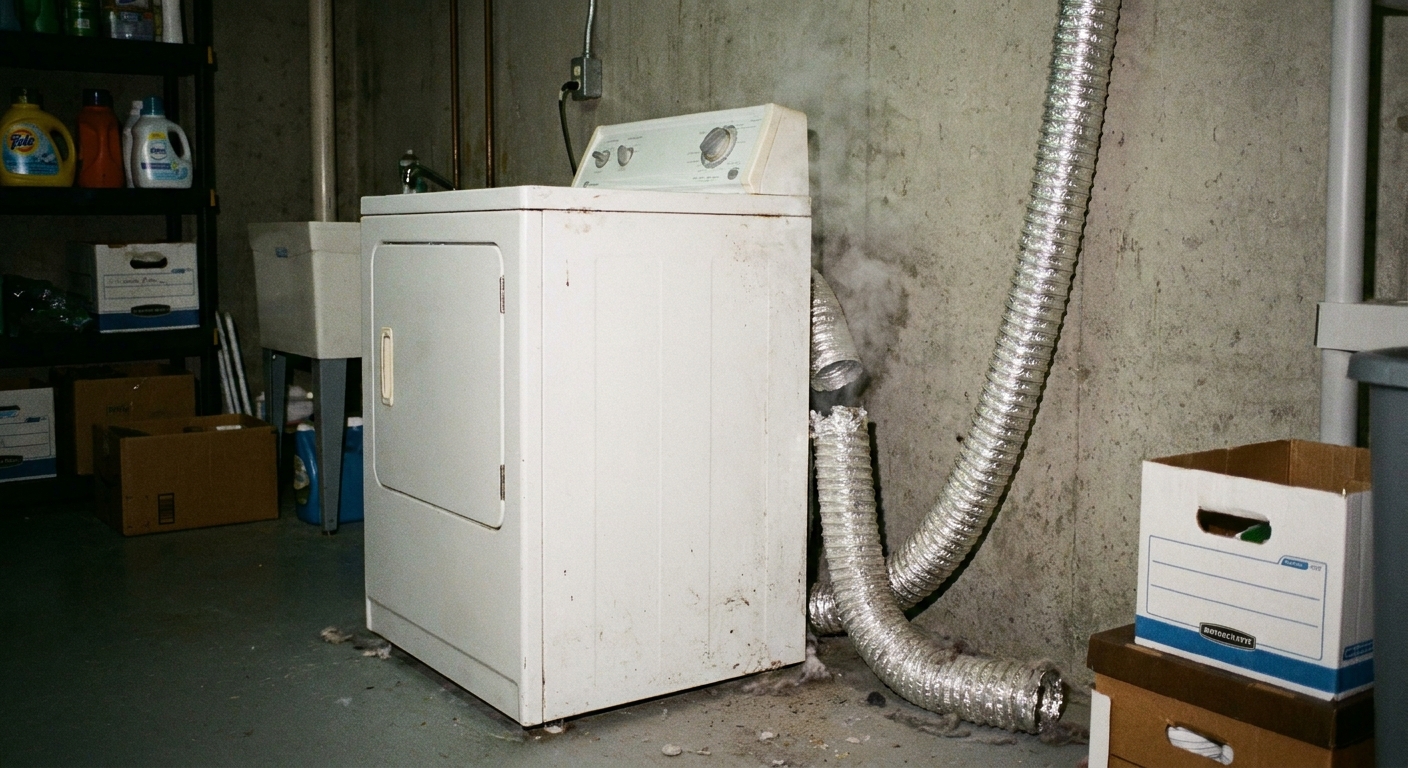
- Dryer exhausting indoors, a loose vent connection, or a crushed vent line.
- Showers, cooking, boiling, or an unvented gas appliance adding moisture faster than the unit can remove it.
Fixes that move the needle
- Keep windows closed when outdoor humidity is high.
- Air seal obvious gaps (rim joist, utility penetrations) and improve weatherstripping.
- Confirm the dryer vent is connected, intact, and exhausting outdoors.
Cause #3: the humidistat is wrong
Dehumidifiers decide when to shut off based on a humidity sensor, often called a humidistat. If it is inaccurate, or if it is reading a weird pocket of air, it can keep calling for dehumidification forever.
How to test it
- Place a separate hygrometer 6 to 10 feet away from the unit.
- Let the room run for a few hours.
- Compare readings. A small difference is normal, and many hygrometers are only accurate to about plus or minus 2 to 5% RH. A big mismatch that stays consistent suggests the unit’s sensor is off.
Fixes to try
- Move the unit away from a damp wall or floor drain area where humidity is higher.
- Do not place it right next to a sump pit, washing machine, or a constantly damp corner.
- If your model allows it, use a calibration or offset setting.
- If it is far off and not adjustable, you may be looking at a sensor failure and a repair or replacement decision.
Also check the simple stuff: if the control panel is set to 35% in a basement, the machine may run constantly because that target is unrealistic for the conditions.
Cause #4: it is too cold
Most standard compressor-based dehumidifiers struggle in cooler spaces. When the air temperature drops, they remove less moisture per hour, and some models run longer trying to hit the target. This becomes especially noticeable below about 60 to 65°F, depending on the unit.
Clues
- The unit is in a basement that sits around 55°F to 65°F.
- It runs a lot but seems to make slower progress than expected.
Fixes
- Raise the room temperature a few degrees if possible.
- Consider a unit designed for lower-temperature basements if the space is consistently cool.
If your unit’s coils are icing up, that is a different failure path. See the coil section below.
Cause #5: coil issues reduce removal
Even with a clean filter, dust can build up on the coils over time. And in cooler basements, coils can ice up. Both problems reduce water removal, so the unit stays on longer trying to reach the setpoint.
What to look for
- Weak water output compared to what it used to do, even though it runs a lot.
- Frost or ice on the coil area (often behind the filter or front grille).
- Musty dust smell when it runs, or visible grime behind the filter.
Fixes
- Unplug the unit and let it fully defrost if you see ice. Then run it in a warmer space, if possible.
- Clean accessible coil surfaces per your manual. Do not bend fins or blast it with a high-pressure nozzle.
- If icing keeps coming back in normal room temperatures, you may have a sensor, airflow, or sealed-system issue and it is time for service.
Cause #6: drain and hose problems
This one is sneaky because it looks like “the dehumidifier won’t shut off,” but the real issue is that the unit never transitions into a stable cycle due to how it is draining or being handled.
What to look for
- Auto-shutoff never happens because you are using continuous drain and the machine is set to a low target it cannot reach.
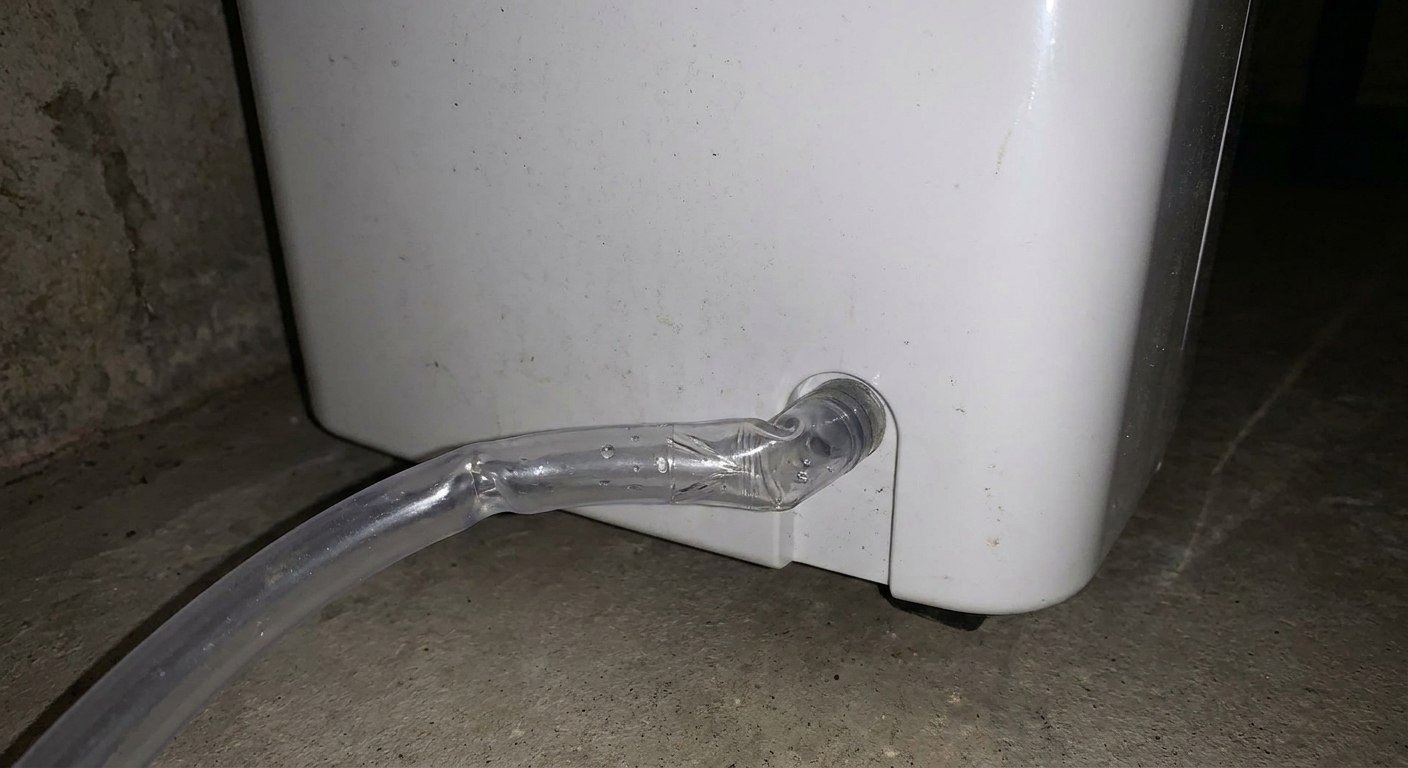
- Hose routing problems like an uphill section, kinks, or a loose connection dripping back under the unit, adding moisture right where it measures.
- Condensate pump issues causing water to spill, leak, or recirculate moisture into the room.
Fixes
- For gravity drain, ensure the hose runs continuously downhill with no dips.
- Tighten the drain connection and replace a flattened hose.
- If using a condensate pump, check for leaks at the reservoir and tubing connections.
- Temporarily switch back to the bucket for a day to see if performance stabilizes.
Cause #7: you are dehumidifying too much space
Dehumidifiers are not central HVAC. If you place a unit in one room and expect it to control humidity across an open basement plus a stairwell plus the first floor, it will run constantly and still feel behind.
Fixes
- Contain the job by closing doors or hanging a temporary plastic barrier for wide openings.
- Relocate the unit closer to the dampest zone, then use a fan to circulate.
- Use separate units for separate floors or distant rooms.
Cause #8: a bigger moisture problem
If the bucket fills constantly and humidity stays stubborn, sometimes the dehumidifier is simply reporting what the building is doing.
Common underlying problems
- Bulk water intrusion like seepage after rain, foundation cracks, or a leaky window well.
- Ground moisture coming through an uncovered dirt crawlspace or missing vapor barrier.
- Plumbing leaks behind a wall, under a slab, or at a water heater drain pan.
- Sump pit issues like a missing or poorly sealed lid that lets moist air vent into the basement.
Fixes
- Find and stop liquid water first. A dehumidifier is for air moisture, not active leaks.
- Cover exposed earth in a crawlspace with a proper vapor barrier.
- Use a tight-fitting sump cover if the pit is open to the room.
If you suspect a hidden plumbing leak, do the boring but useful test: shut off all water use, then check whether your water meter still moves. If it does, you have a leak that a dehumidifier cannot outwork.
When to stop DIY
A constantly running unit is usually a setup, sizing, or moisture-source issue, not a dangerous one. Still, a few situations deserve a pro.
- Electrical concerns like a hot plug, warm outlet, buzzing, or frequent breaker trips. Also, avoid extension cords with dehumidifiers. Plug directly into a properly rated outlet.
- Weak airflow, grinding noises, or a big drop in water collection compared to past performance.
- Visible mold growth or persistent musty odor after humidity is controlled.
- Recurring water intrusion through foundation walls or floors.
- Suspected hidden plumbing leak you cannot locate.
FAQ
Is it bad for a dehumidifier to run constantly?
Not automatically. During initial dry-down or high humidity periods, long runs are expected. What is not ideal is constant running because it can accelerate wear and electricity use, and it signals the unit cannot reach its target or moisture is continuously entering the space.
What humidity should I set my basement dehumidifier to?
Many homes do well around 45% to 55% RH. Basements often feel best near 50%. If you aim much lower, the unit may run constantly without ever getting there.
Why does my bucket fill but the humidity number will not drop?
Most often: the space is too large, outdoor air is leaking in, the sensor is reading wrong, temperatures are working against you, or you have a steady moisture source like seepage, a crawlspace, or a venting issue adding humidity as fast as the unit removes it.
Should I use continuous drain if it never shuts off?
Continuous drain is fine, but it can hide how much the unit is running. If you are troubleshooting, switching back to the bucket for a day can help you measure progress and spot leaks or drain routing problems.
The 30-Second Cheat Sheet
Essential takeaways for: Dehumidifier Runs Constantly? Causes and Fixes
The fast read
If your dehumidifier runs constantly and the bucket keeps filling, the unit is usually either (1) doing a normal initial dry-down, (2) undersized, (3) chasing a steady moisture source, (4) mis-reading humidity, or (5) losing performance from airflow or coil issues.
Do this first (10 to 30 minutes)
- Set target to 50% RH and confirm it is not on Continuous.
- Clean the air filter and give it at least 12 inches of clearance (or whatever your manual calls for).
- Place a separate hygrometer 6 to 10 feet away and compare readings (many are only accurate to about plus or minus 2 to 5% RH).
Most common causes
- Undersized unit: collects water but humidity plateaus.
- Humid air entering: open windows, leaky door, poor air sealing, dryer vent leaks.
- Sensor issues: humidistat inaccurate or unit placed in a damp corner.
- Low temperatures: especially below about 60 to 65°F, many compressor units slow down.
- Drain setup problems: kinked hose, uphill run, pump leaks adding moisture back.
- Bigger moisture problem: seepage after rain, uncovered crawlspace earth, plumbing leak, open sump pit.
Fixes that matter
- Close off the area you are dehumidifying and add a fan for circulation.
- Seal obvious air leaks and verify the dryer exhausts outdoors.
- Make sure a drain hose runs continuously downhill with no kinks.
- Address liquid water and crawlspace vapor issues first. A dehumidifier cannot win against an active leak.
Call a pro if
- The outlet or plug gets hot, breakers trip, or the unit smells like burning.
- Airflow is weak, noises are new, or water removal is way lower than it used to be.
- You have recurring water intrusion or suspect a hidden plumbing leak.
- Mold is visible or musty odor persists after humidity control.
💡 Tip: Scroll up to read the full article for detailed, step-by-step instructions.
⬆️ Back to top
About Grit
Content Creator @ Grit & Home
Grit is Grit & Home’s little blue clay courier, delivering big questions about the place you call home. Expect practical ideas, a raised eyebrow, and a satchel full of curiosity.