
🚨 In a DIY emergency or rush?
Skip the details and jump straight to our 30-second cheat sheet for the most crucial info.
Small courier. Big home questions.
If your cold water comes out with confidence but the hot side arrives late and wheezy, that is not a whole-house “pressure problem.” That is a hot-side bottleneck. Good news: bottlenecks can be found. Better news: you can often narrow this down quickly without touching anything complicated.
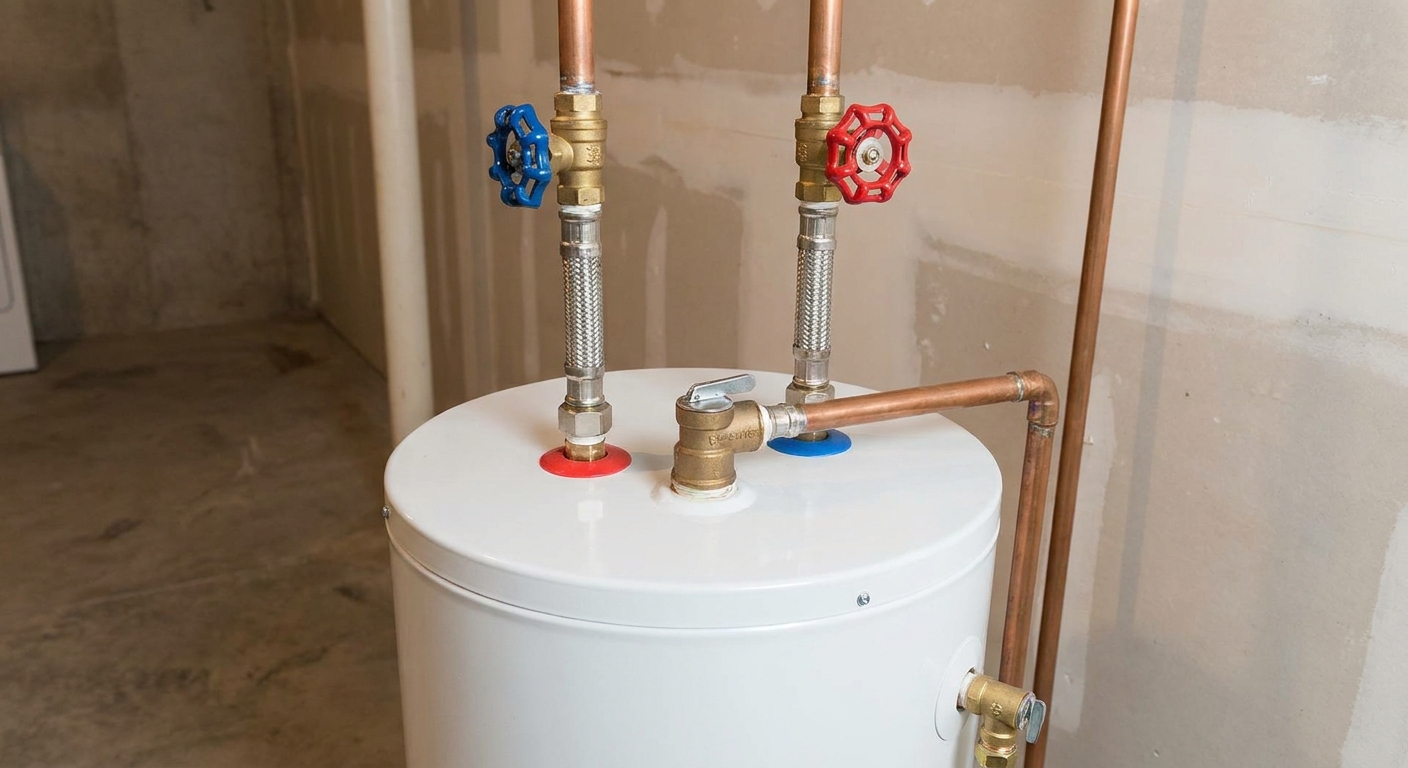
First, confirm what kind of problem you have
People say “low pressure” when they mean two different things:
- Low flow: The hot water stream is weaker than cold at the same faucet setting.
- Slow hot arrival: Cold blasts normally, but it takes a long time to get hot. Once it is hot, the stream is normal.
This article is for low flow on hot only. If your stream is fine but the water is just slow to heat up, the story is usually pipe run length (a constraint), insulation, or recirculation behavior, not a restriction.
A quick 2-minute check
- Pick one fixture. If you have a two-handle faucet, use the separate cold and hot handles. If you have a single-handle faucet, move the handle fully to cold, then fully to hot and give it a second to settle before judging flow.
- Run cold fully for 5 seconds. Notice the strength.
- Switch to hot fully for 5 seconds. If it is clearly weaker, keep going.
- Try two different fixtures (for example kitchen faucet and bathtub). If hot is weak everywhere, suspect the water heater outlet, a partially closed valve, a mixing valve, a recirc check valve, or scale buildup.
Safety first, then a simple troubleshooting order
Before you poke around the water heater area:
- If you smell gas near a gas water heater, leave the area and contact your gas utility or a licensed plumber.
- Be careful around hot pipes and fittings.
- If you shut water off to the heater, avoid turning power on for an electric water heater with an empty tank.
Now, the fastest order that avoids unnecessary disassembly:
- Check water heater shutoff valves (partially closed is common).
- Use a no-aerator test (bathtub spout or utility sink) to separate fixture problems from heater-side problems.
- Check aerators and showerheads (especially after work on the heater or a main shutoff event).
- Check for a hot-side restriction at the heater outlet (heat trap nipples, scale, kinked connector).
- Check for a mixing valve or anti-scald device restricting flow.
- If you have one, consider a hot-water recirculation system (pump, service valves, check valve).
- Consider old galvanized hot piping or a failing valve if nothing else fits.
Cause #1: A hot water valve is not fully open
This is the most common “it was fine yesterday” culprit.
What to look for
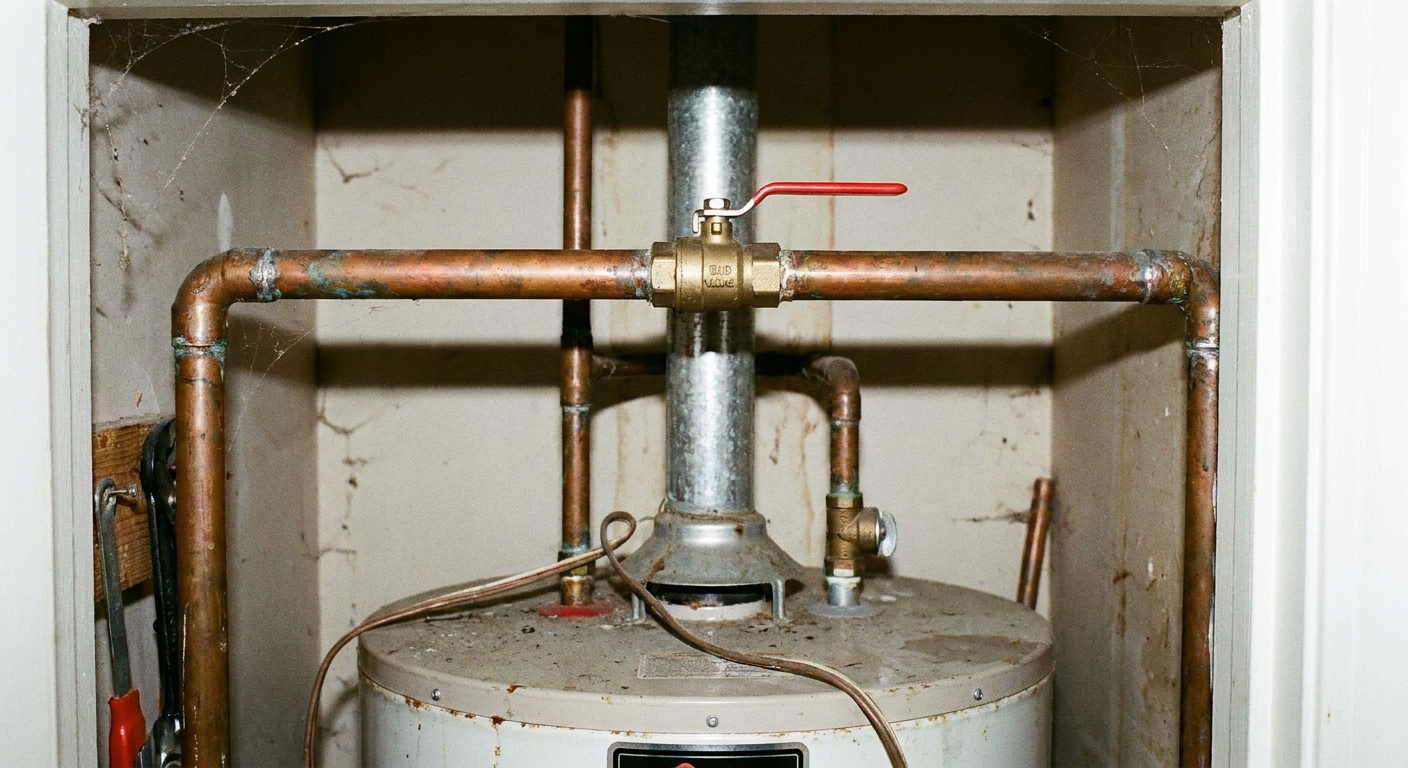
- A shutoff valve on the cold supply into the heater that is partially closed.
- A shutoff valve on the hot outlet (not every home has one) that is partially closed.
- A valve that turns but does not fully open because the internal parts are failing.
Handle position basics:
- Ball valve (lever handle): handle parallel to the pipe is open, perpendicular is closed.
- Gate/globe valve (round handle): counterclockwise opens, clockwise closes. These can feel “open” but still be stuck partway.
What to do
- For lever valves, move fully to open.
- For round-handle valves, gently turn to fully open. Some plumbers back a gate valve off slightly after opening to reduce the chance of seizing later, but the key is that it must be fully open for normal flow.
- If a valve is stiff, corroded, or will not change the flow, stop forcing it. A snapped stem is a fast way to turn a nuisance into an emergency.
Cause #2: Aerators clogged after the heater was flushed or the water was shut off
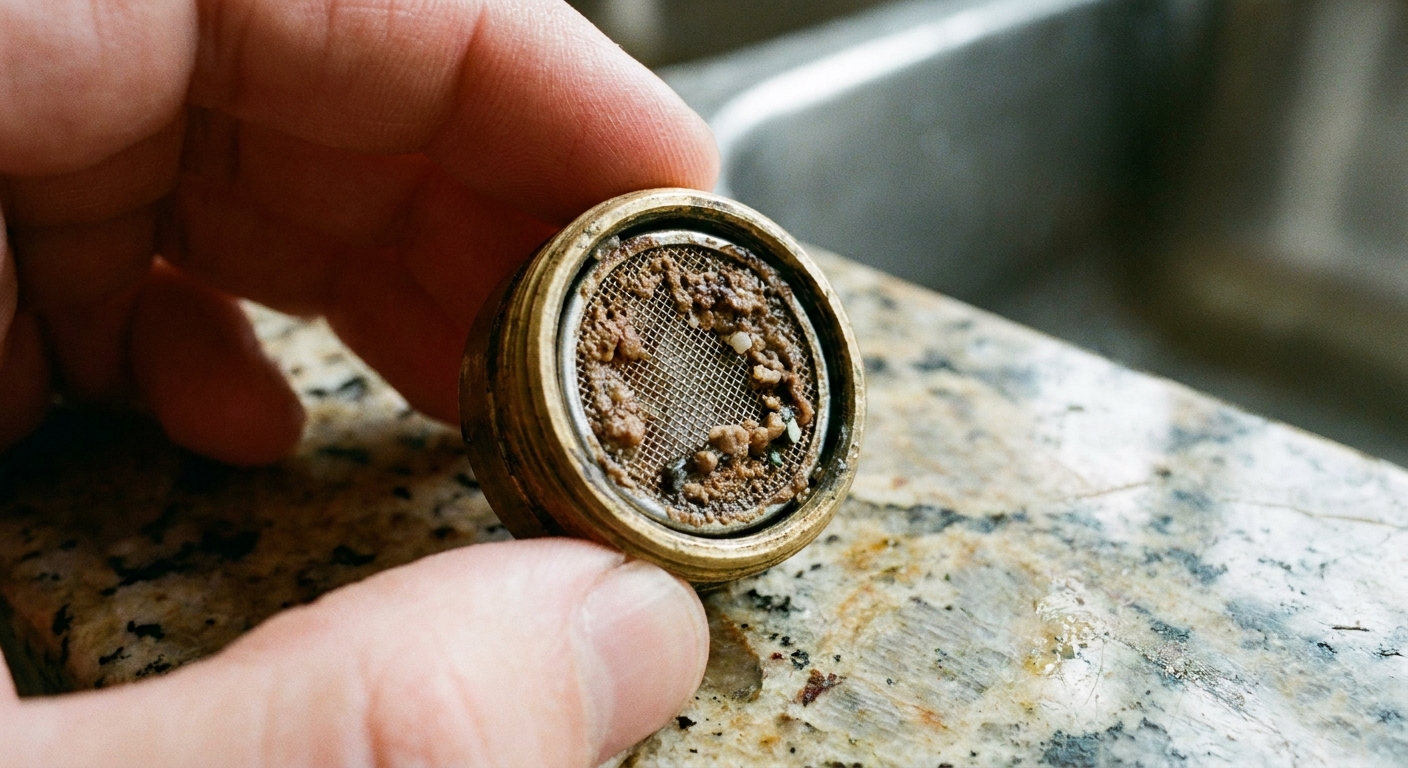
If you recently flushed the water heater, replaced an anode rod, had plumbing work done, or had a water outage, debris can break loose. It often ends up in tiny screens that live at the ends of faucets and inside showerheads.
This can show up as “hot is weak” simply because a bit of grit found a screen and parked itself there. You do not need a complicated story for it to be true.
How to check and clean a faucet aerator
- Plug the sink or cover the drain.
- Unscrew the aerator at the faucet tip. Use a rag and adjustable pliers if needed.
- Rinse the screen and parts. Pick out grit with an old toothbrush.
- Reassemble and test.
Showerhead check
Showerheads often have a screen at the inlet. Unscrew the showerhead, rinse the screen, and test with the shower arm briefly aimed into a bucket.
Cause #3: A restriction right at the water heater hot outlet
If hot flow is weak at multiple fixtures, focus your suspicion near the source. Mineral scale can narrow passages at:
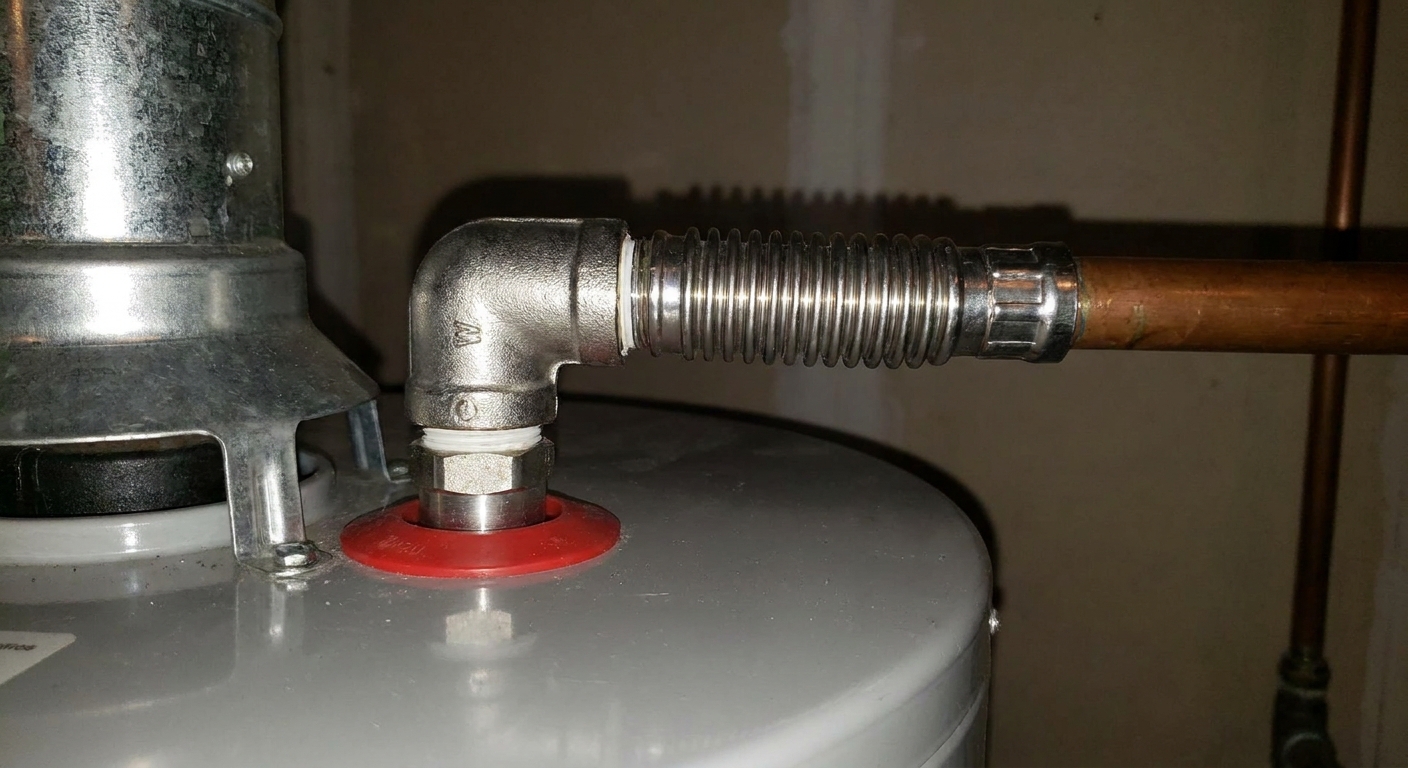
- The hot outlet nipple on top of the water heater
- Heat trap nipples (designed to reduce heat loss, but they can restrict when fouled)
- A partially clogged flex connector
Clue: Cold flow is great everywhere, but the hot side feels like it is breathing through a straw no matter which fixture you test.
A simple, safe comparison test
- Test hot flow at a bathtub spout first, since it typically has no aerator.
- If the tub hot is also weak, the problem is less likely to be faucet aerators and more likely to be upstream (heater outlet, mixing valve, recirc check valve, or piping).
What you can do without a full teardown
- Visually inspect the hot outlet area for kinks in flex lines, obvious corrosion, or a shutoff valve that is not fully open.
- If your home has very hard water and the heater is older, plan on calling a plumber if you suspect a blocked nipple, heat trap, or connector. Those parts are simple, but the risk is in disturbing old fittings and discovering leaks.
Cause #4: A mixing valve is restricting flow
Not every home has one, but when it does, it is a prime suspect. A thermostatic mixing valve blends hot and cold to deliver a safer set temperature, often for whole-house anti-scald protection or for radiant heat systems.
Most mixing valve failures show up as temperature trouble or crossover behavior, but low hot flow can happen when debris clogs the valve’s internal screens, the integrated check valves stick, or the valve body gets fouled with scale.
Where you might find a mixing valve
- Near the top of the water heater, connected between hot out and cold in
- Near a manifold in newer plumbing setups
- Near a boiler or hydronic system that shares domestic hot water components
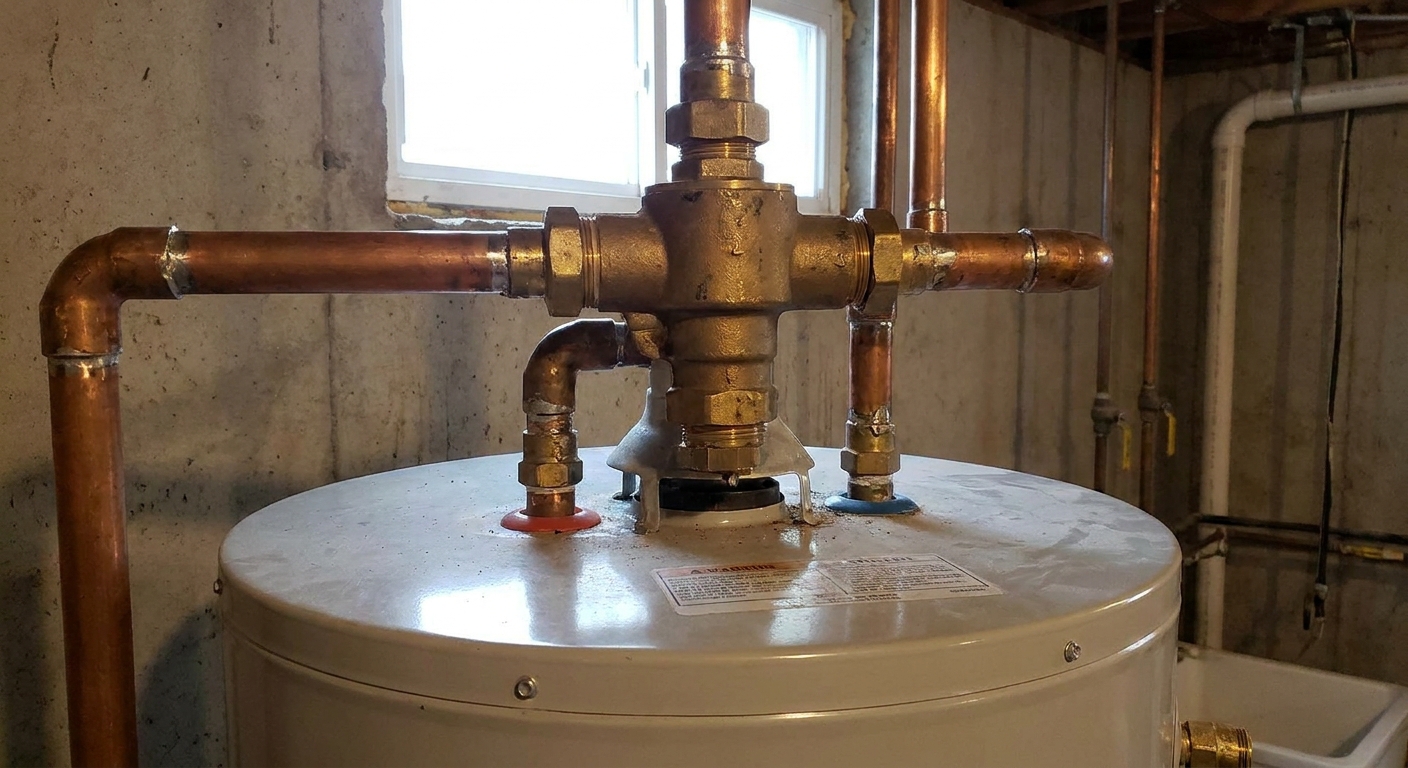
Signs it is the issue
- Hot flow is weak at multiple fixtures, not just one
- The problem started suddenly after a shutdown, flush, or plumbing repair
- Some fixtures improve when another tap is running, suggesting odd crossflow or check valve behavior
What to do: Many mixing valves have serviceable screens or check valves, but the steps depend heavily on model. If you can identify the brand and model on the valve body, use the manufacturer’s instructions or have a plumber service it. When in doubt, this is a good place to bring in help because incorrect reassembly can create scald risk.
Cause #5: A bad cartridge or stop on the hot side of a faucet
If hot is weak at one faucet only and every other hot tap is fine, the water heater is probably innocent. Your culprit is likely in that fixture:
- Clogged inlet screen in the faucet cartridge
- A failing cartridge
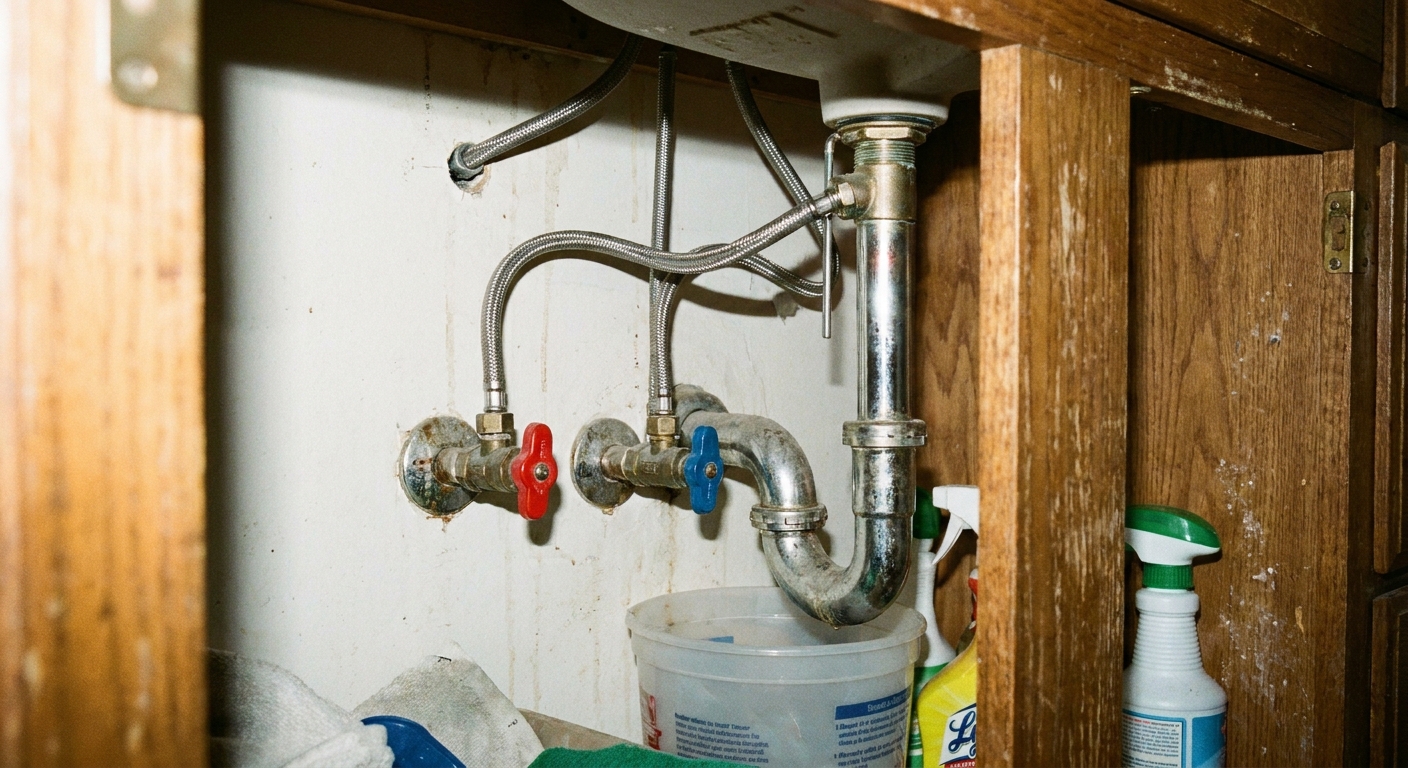
- A partially closed hot stop valve under the sink
Fast under-sink check
- Find the two small shutoff valves under the sink. Make sure the hot stop is fully open.
- If it is a multi-turn valve, open it gently to the stop. If it feels crunchy, stiff, or seems to do nothing, plan on replacing it rather than forcing it.
Cause #6: Hot-water recirculation issues
If your home has a hot-water recirculation pump, a dedicated return line, or a comfort system under a sink, add it to the suspect list. A stuck or clogged check valve, a partially closed service valve, or a failing crossover valve can do weird things to hot-side flow.
Clues
- Hot flow is inconsistent, pulses, or changes when another fixture is used
- The issue started after a pump install, a shutdown, or plumbing work
- You can see a small pump on or near the water heater, or a thermostatic valve under a sink
Recirc setups vary a lot. If you can identify the pump brand and any check valve or crossover valve model numbers, a plumber can usually diagnose this quickly without guesswork.
Cause #7: Tankless water heater screens and service valves
If you have a tankless unit and cold flow is fine but hot flow is weak everywhere, check the basics you can check safely:
- Confirm the unit’s isolation valves (hot and cold service valves) are fully open.
- Many tankless units have a small inlet filter screen that can clog and reduce hot flow. Cleaning it is often straightforward, but follow your manufacturer guidance and shut water off first.
If you see error codes, leaks, or heavy scale history, this is a good moment to schedule professional descaling and inspection.
Less common, but real: Old galvanized hot piping
In older homes, galvanized steel pipes can corrode from the inside. Sometimes the hot side suffers first because heat accelerates mineral deposition and corrosion patterns.
Clues:
- Hot flow has been getting worse slowly over months or years
- Multiple fixtures are affected
- The home has older plumbing materials and the water heater area shows mixed metals and aging valves
This is usually not a quick DIY clean-out. A plumber may recommend targeted repiping sections, replacing failing valves, or updating supply lines depending on what they find.
What not to blame first
When cold pressure is fine, these are usually not the headline:
- Whole-house pressure reducing valve issues: those typically affect hot and cold.
- City supply problems: neighbors usually notice, and cold will drop too.
- One showerhead clog: possible, but that is a one-fixture story. Confirm with a bathtub or kitchen faucet test.
When to call a plumber
Call for backup if any of these are true:
- You see leaking, corrosion, or wetness around the heater connections
- Valves are seized and you are tempted to muscle them
- You suspect a blocked nipple, heat trap, mixing valve, recirc check valve, or tankless inlet screen and cannot identify the parts
- Your water heater is old and disturbing fittings feels risky
A clean, professional repair often costs less than the cascade of “I fixed it and now it leaks.”
Quick FAQ
Why is my cold water strong but my hot water weak?
Because something is restricting flow on the hot side only. Common causes are a partially closed heater valve, clogged faucet aerators after debris movement, scale at the heater hot outlet, a mixing valve with clogged screens or sticky checks, or a recirculation check valve issue.
Can sediment in the water heater cause low hot water pressure?
It can cause low hot water flow if sediment or scale restricts the outlet, nipples, heat traps, or connectors. It is less about “pressure” and more about the passage getting narrowed.
Will flushing the water heater fix it?
Sometimes, but flushing can also loosen debris that then clogs aerators and showerhead screens. If the problem started right after a flush, check aerators first, then test hot flow at a bathtub spout to rule screens out fast.
The 30-Second Cheat Sheet
Essential takeaways for: Hot Water Pressure Low but Cold Is Fine?
Hot water weak, cold water fine: the fastest path
- Test two fixtures. If hot is weak everywhere, suspect a hot-side restriction near the heater, a mixing valve, or a recirculation/check valve issue. If it is only one faucet, suspect that fixture’s stop valve, cartridge, or aerator.
- Use a no-aerator test. Check hot flow at a bathtub spout (no aerator) or a laundry/utility sink. Strong there but weak at faucets points to aerators or cartridges, not the heater.
- Check water heater valves. Make sure the cold inlet shutoff (and any hot outlet shutoff) is fully open. Lever handles should be parallel to the pipe.
- Clean aerators and showerhead screens. Especially if you recently flushed the heater, had plumbing work, or had a water outage.
- Look at the heater hot outlet area. Kinked flex connector, scaled nipple, or fouled heat trap can choke flow across the house.
- Consider a mixing valve. If you have a thermostatic mixing valve near the heater, debris or sticky check valves can restrict flow.
- If you have hot-water recirculation, check it. A stuck check valve or a partially closed service valve can create strange hot-side flow problems.
Call a plumber if
- Valves are seized or you see corrosion or leaks at the heater connections
- You suspect the hot outlet nipple, heat trap, mixing valve, or recirc check valve is clogged and you cannot confidently service it
- Hot flow has been declining for months and you have older galvanized piping
💡 Tip: Scroll up to read the full article for detailed, step-by-step instructions.
⬆️ Back to top
About Grit
Content Creator @ Grit & Home
Grit is Grit & Home’s little blue clay courier, delivering big questions about the place you call home. Expect practical ideas, a raised eyebrow, and a satchel full of curiosity.