
🚨 In a DIY emergency or rush?
Skip the details and jump straight to our 30-second cheat sheet for the most crucial info.
Small comfort. Big home questions.
If your central air conditioner is old enough to vote, you are probably eyeing it the way you eye a wobbly chair: it still works, but you do not fully trust it. The tricky part is that ACs rarely die on a schedule. They fade. They get louder. They cost more to run. And they start asking for “just one more repair” right when you least want a surprise bill.
So how long does a central air conditioner last? There is a “most common” range, plus an “under ideal conditions” range, and a lot depends on climate, usage, maintenance, refrigerant type, and coil condition. Let’s sort it out so you can plan instead of panic.
Typical central AC lifespan
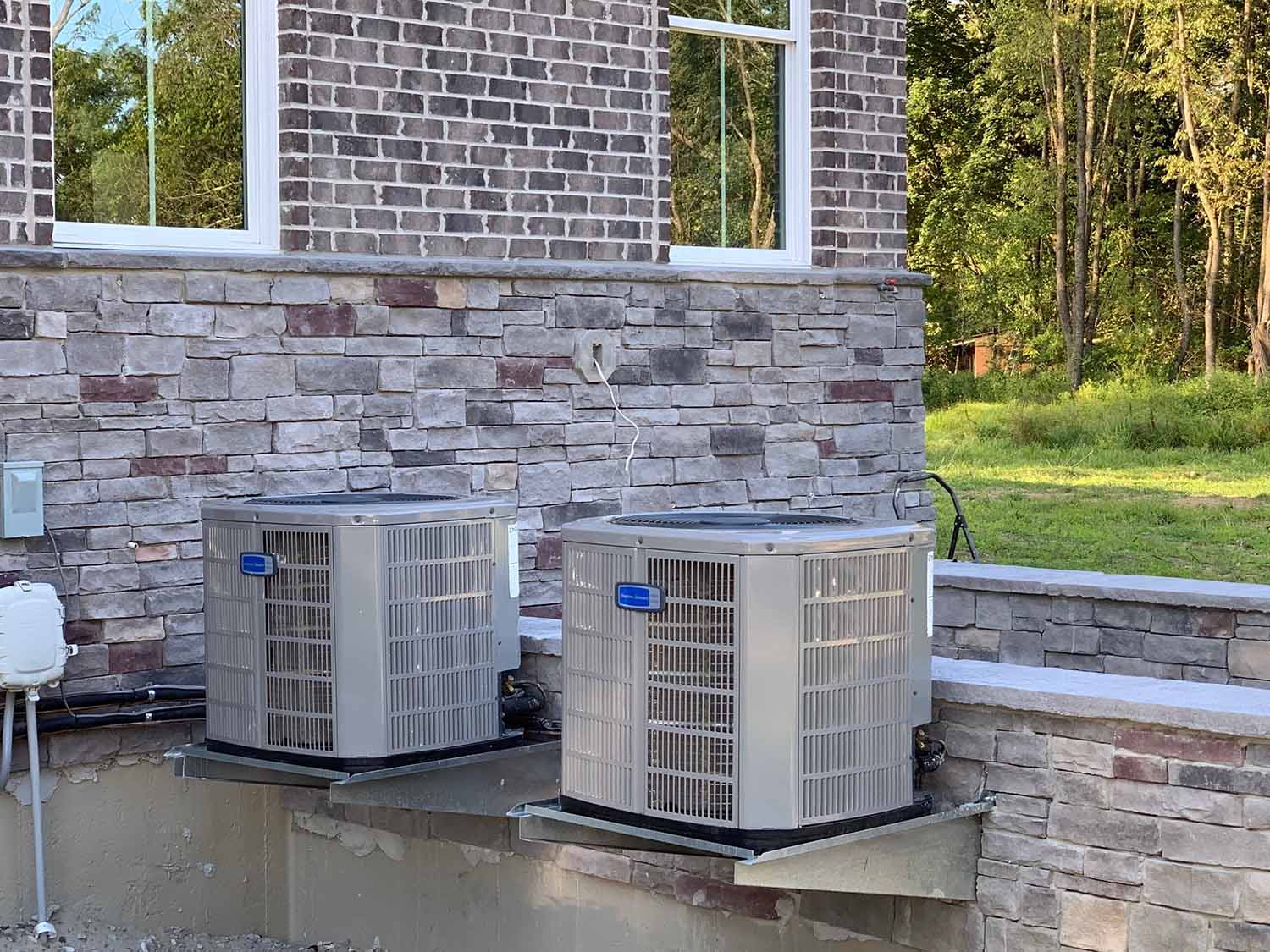
In many homes, a central air conditioner lasts about 10 to 15 years. With mild weather, correct sizing, and consistent maintenance, some systems reach 15 to 20 years. It happens, but it is not the most typical outcome, especially in areas with long, punishing cooling seasons.
- Short end (10 to 12 years): heavy runtime, harsh conditions, inconsistent maintenance, or chronic airflow issues.
- Middle (12 to 15 years): common for properly sized systems with average maintenance.
- Long end (15 to 20 years): mild climate, solid installation, steady maintenance, and clean coils with healthy refrigerant management.
Quick note: “Central AC” often shares the blower and duct system (and sometimes the air handler) with your heating setup. In a typical split system, the outdoor condenser and indoor evaporator coil work as a team. A weak link on either side can make the whole system feel “old.”
What changes lifespan most
Climate: heat, humidity, salt, and smoke
Where you live changes how hard your AC has to work and how quickly components corrode.
- Hot, long summers: More run hours means more wear on the compressor, fan motors, and electrical components.
- High humidity: Moisture adds strain because the system has to remove water from the air, not just lower temperature.
- Coastal salt air: Salt accelerates corrosion on the outdoor coil and cabinet, which can shorten life noticeably.
- Dusty or wildfire-prone areas: Outdoor coils clog faster, raising pressures and temperatures inside the system.
Usage: runtime matters more than the birthday
A 10-year-old unit that runs 10 months a year can be “older” in wear and tear than a 15-year-old unit that only runs a few weeks each summer.
Big drivers of heavy runtime include:
- Thermostat set very low for long periods
- Undersized equipment that never quite catches up
- Leaky ducts or poor attic insulation
- Dirty filters causing low airflow
Installation and sizing
Improper installation is a lifespan thief. Common examples:
- Oversized AC: short cycles, uneven humidity control, extra wear from frequent starts.
- Undersized AC: long cycles, higher heat load, more stress on the compressor.
- Refrigerant charge issues: too much or too little refrigerant can raise operating pressures and shorten compressor life.
- Poor airflow across the indoor coil: can lead to freezing and liquid refrigerant returning to the compressor, which is bad news.
Maintenance that extends AC life
Maintenance does not make an old system new, but it can prevent the avoidable deaths that happen when airflow or heat transfer gets choked off.
Homeowner tasks that help most
- Change the air filter regularly: Many homes do well checking monthly during peak season and replacing as needed. A clogged filter reduces airflow and can cause coil icing.
- Keep the outdoor unit clear: Maintain clearance around the condenser. Leaves, grass clippings, and shrubs trap heat.
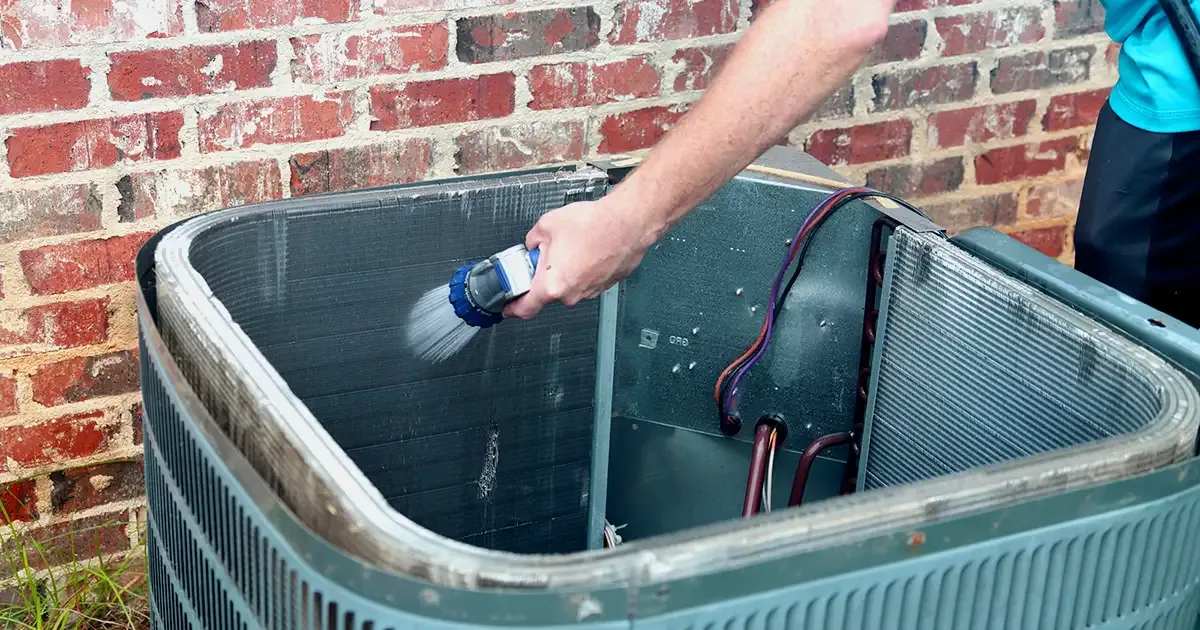
- Rinse the outdoor coil carefully: Turn power off, remove loose debris first, and use low pressure from a garden hose. Avoid bending fins and avoid spraying into electrical compartments. Deeper cleaning can require panel removal and is often better left to a pro.
- Watch supply and return vents: Closed vents and blocked returns reduce airflow and can make the system run hotter.
Pro maintenance worth paying for
A seasonal HVAC tune-up typically focuses on items that protect the compressor and improve heat transfer, such as:
- Checking refrigerant performance and temperature split
- Cleaning indoor and outdoor coils where accessible
- Inspecting electrical connections, capacitors, and contactors
- Clearing the condensate drain to prevent water damage
- Verifying blower performance and overall airflow
If you are trying to stretch a unit into its late teens, coil cleanliness and refrigerant health become even more important.
Refrigerant type and money
Refrigerant does not just affect cooling. It affects repair economics.
R-22 (Freon) systems
If your central AC uses R-22, you are operating in the expensive lane. In the U.S., new production and import have been phased out, so servicing relies on reclaimed or recycled supply. That means:
- Even a small leak can be costly because refrigerant itself is expensive.
- Repairs that involve opening the refrigerant circuit can turn into a bigger bill fast.
- At a certain point, sinking money into an R-22 system is like repairing a phone that no longer gets updates.
R-410A and newer refrigerants
Many systems installed over the last couple decades use R-410A. New equipment is transitioning to lower-GWP A2L refrigerants (timelines vary by manufacturer and region). For planning purposes:
- If your system uses a refrigerant that is becoming less common, repair costs can trend upward over time.
- Mixing indoor and outdoor components across refrigerant types is not a simple swap. Refrigerant compatibility affects whether partial replacement is realistic.
Bottom line: If you have an R-22 system and you are facing a refrigerant leak or major sealed-system repair, replacement usually deserves a serious look.
Coil condition matters
Coils are where your AC trades heat with the air. When coils are damaged, dirty, or corroded, the whole system starts aging in dog years.
Outdoor condenser coil
The outdoor coil dumps heat outside. If it is clogged with debris or corroded, the unit runs hotter and at higher pressure, which stresses the compressor.
Indoor evaporator coil
The indoor coil absorbs heat and pulls moisture from the air. Common coil problems include:
- Corrosion: can lead to pinhole leaks and slow refrigerant loss.
- Dirty coil: reduces heat transfer, can cause icing, and increases runtime.
- Restricted airflow: from dirty filters, undersized ductwork, or weak blower performance can freeze the coil and trigger repeated shutdowns.
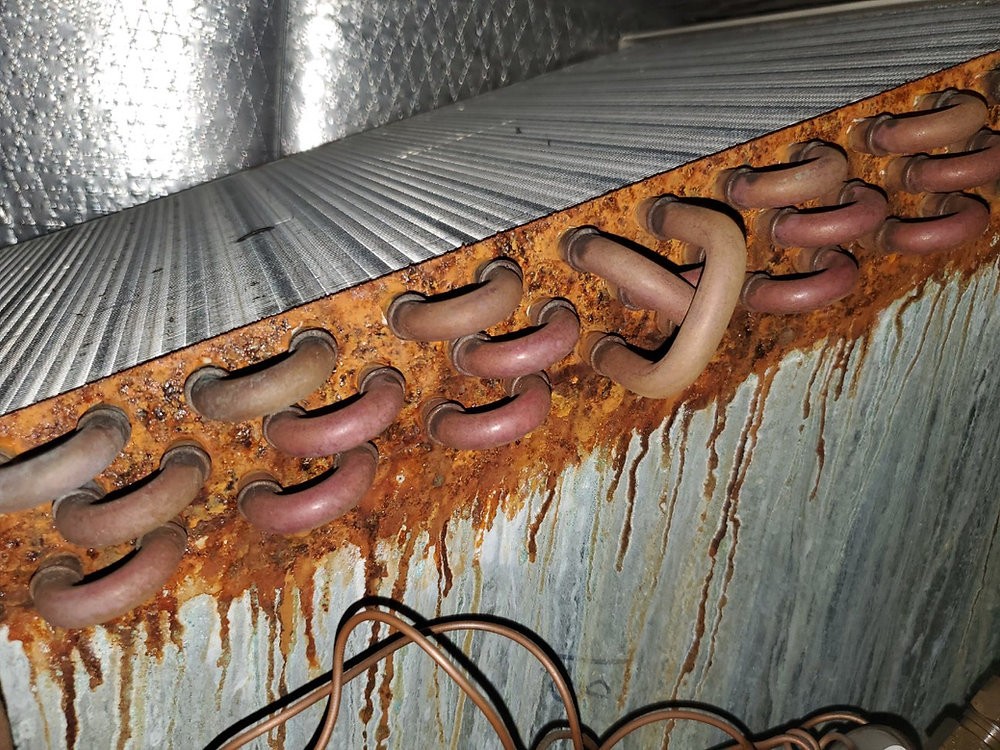
If a tech tells you the coil is leaking, ask two practical questions:
- Is the leak confirmed? If so, how and where was it identified?
- Is the replacement coil compatible? Coil swaps are not always a clean match, especially as systems age or refrigerant standards change.
Signs your AC is near the end
Age alone is not the whole story. Some units limp along inefficiently for years. Others hit a wall quickly. Watch for these warning signs, especially in combination.
1) Rising energy bills
If your insulation, thermostat habits, and utility rates are fairly stable but your summer electric bill keeps climbing, efficiency loss can be the culprit. Dirty coils, duct leaks, and low refrigerant can all cause this, but older systems also tend to lose performance over time. If your unit is a decade or two old, you may also be comparing it to modern equipment that can be significantly more efficient (SEER2 ratings have moved on).
2) Repeated repairs
One repair is normal. A pattern is a message. Frequent calls for:
- capacitors
- contactor issues
- fan motors
- refrigerant top-offs
- drain line clogs that keep coming back
can indicate a system that is wearing out or operating under chronic stress.
3) Weak cooling or longer run times
If the air feels less cool at the vents, or the house takes much longer to recover after the sun goes down, your system might be losing capacity due to coil issues, compressor wear, duct problems, or low refrigerant.
4) Humidity problems or uneven temps
Central AC should reduce indoor humidity during cooling season. If the house feels clammy, or rooms vary wildly in temperature, it might be a duct, sizing, or airflow issue. But older equipment struggling to keep up often shows itself here first.
5) New noises or vibrations
Buzzing, rattling, grinding, or squealing should not be ignored. Some are minor, like a loose panel. Others point to motor bearings or compressor trouble, which can become expensive quickly.
6) Short cycling
Short cycling is when the AC turns on and off frequently. It can be caused by oversized equipment, thermostat issues, dirty coils, or refrigerant problems. It also increases wear because start-ups are hard on components.
7) Ice on the lines or coil
Ice often means low airflow or refrigerant issues. Either way, it is a stress signal, and repeated freeze-ups can shorten system life.
Repair vs replace
I cannot make the decision for your budget, but I can give you a few raised eyebrow moments where replacement is often the calmer choice.
Consider replacement if:
- Your system is 15+ years old and needs an expensive repair.
- You have an R-22 system and there is a confirmed refrigerant leak.
- The compressor is failing or has failed. Compressor work can approach the cost of putting that money toward a new system.
- The indoor coil is leaking and compatibility with the outdoor unit is questionable.
- Repairs are stacking up and comfort is still not great.
A quick math check
Ask for a written estimate and compare it to the installed cost of a new system. Costs vary a lot by region and setup, but here is a simple way to sanity-check it.
Example: If a repair quote is $1,200 and a comparable replacement is $7,500 installed, that repair is about 16 percent of replacement cost. That might be reasonable on a newer unit. On a 16-year-old unit, you also have to price in risk: another failure next season, parts availability, and the fact that you will be calling during peak heat when schedules are tight.
Also ask about warranty status. Many systems have 10-year parts warranties (often tied to registration and sometimes the original owner), and that can swing the decision fast if a major part is still covered.
Estimate your unit’s remaining life
If you want to move from guesswork to a reasonable plan, gather three pieces of information.
1) Find the manufacturing date
Look for the data plate on the outdoor unit. It usually lists model and serial numbers. Many manufacturers encode the date in the serial number. If you are not sure, an HVAC company can decode it quickly.
2) Note your runtime reality
Ask yourself:
- How many months a year does it run regularly?
- Does it run long cycles, or does it click on and off all day?
- Has your home changed, like new windows, added insulation, a remodeled basement, or more people in the house?
3) Ask about coil health and refrigerant
When a tech is onsite, these questions are worth asking plainly:
- Are the indoor and outdoor coils clean and in good shape?
- Is there any sign of corrosion or oil staining (a clue for leaks)?
- What refrigerant does this system use?
- Is the refrigerant charge stable year to year?
If you have a heat pump doing your cooling, most of this guidance still applies. It is the same basic refrigeration system, just doing double duty in winter too, which can add runtime and change the wear pattern.
FAQ
Can a central AC last 25 years?
It can, especially in mild climates with good maintenance and moderate runtime. But once a unit is past 20 years, parts availability, efficiency, and repair frequency often become the deciding factors even if it still cools.
Is it worth replacing an AC before it breaks?
If your system is older, uses R-22, or is showing multiple warning signs, replacing on your timeline can be less stressful than an emergency changeout during a heat wave. If it is running well, bills are stable, and it has not needed repeated repairs, you can often keep maintaining it while you plan ahead.
Does a bigger AC last longer?
Not necessarily. An oversized unit tends to short cycle, which increases wear and can reduce comfort by leaving humidity behind. Proper sizing is healthier for the equipment and your indoor air.
What is the single best thing I can do to extend lifespan?
Keep airflow healthy. Regular filter changes and making sure returns and supply vents are not blocked are simple steps that prevent coil icing, overheating, and unnecessary strain.
The 30-Second Cheat Sheet
Essential takeaways for: How Long Does a Central Air Conditioner Last?
Typical lifespan
- Most central ACs last about 10 to 15 years.
- 15 to 20 years happens, but it is less common and usually requires ideal conditions plus steady maintenance.
- 10 to 12 years is common in harsh climates, coastal areas, or high-runtime homes.
Big factors that shorten life
- Long, hot cooling seasons and high humidity
- Coastal salt-air corrosion
- Dirty filters and poor airflow
- Dirty or corroded coils
- Incorrect sizing or installation issues
Refrigerant and replacement timing
- R-22 (Freon) systems: new U.S. production and import are phased out; servicing relies on reclaimed/recycled supply, which can make leaks expensive.
- R-410A and newer refrigerants: generally easier to service, but big failures (coil/compressor) can still tip the math toward replacement.
Coil condition matters a lot
- Outdoor coil clogged or corroded makes the system run hot and stresses the compressor.
- Indoor coil leaks can be a turning point, especially on older or mismatched systems.
Warning signs your AC is near end of life
- Rising electric bills without a clear reason
- Repeated repairs in back-to-back seasons
- Weak cooling, longer run times, or humidity problems
- Short cycling (frequent on and off)
- Ice on refrigerant lines or coil
- New grinding, rattling, buzzing, or squealing noises
When replacement often makes sense
- Age 15+ years plus a major repair quote
- Confirmed refrigerant leak on an R-22 system
- Compressor failure or significant sealed-system work
💡 Tip: Scroll up to read the full article for detailed, step-by-step instructions.
⬆️ Back to top
About Grit
Content Creator @ Grit & Home
Grit is Grit & Home’s little blue clay courier, delivering big questions about the place you call home. Expect practical ideas, a raised eyebrow, and a satchel full of curiosity.