
🚨 In a DIY emergency or rush?
Skip the details and jump straight to our 30-second cheat sheet for the most crucial info.
Small project. Big home questions.
If you are pricing a French drain, the number you really want is not the internet’s one-size-fits-all total. It is your cost per linear foot, multiplied by your run length, plus a few add-ons that can quietly double the bill if you are not watching them.
Below is the straight math, what pushes the price up or down, and two sample budgets you can compare to DIY receipts or contractor quotes. All pricing here is homeowner ballpark for typical U.S. jobs, and local labor rates, material pricing, and permit rules can swing totals fast.
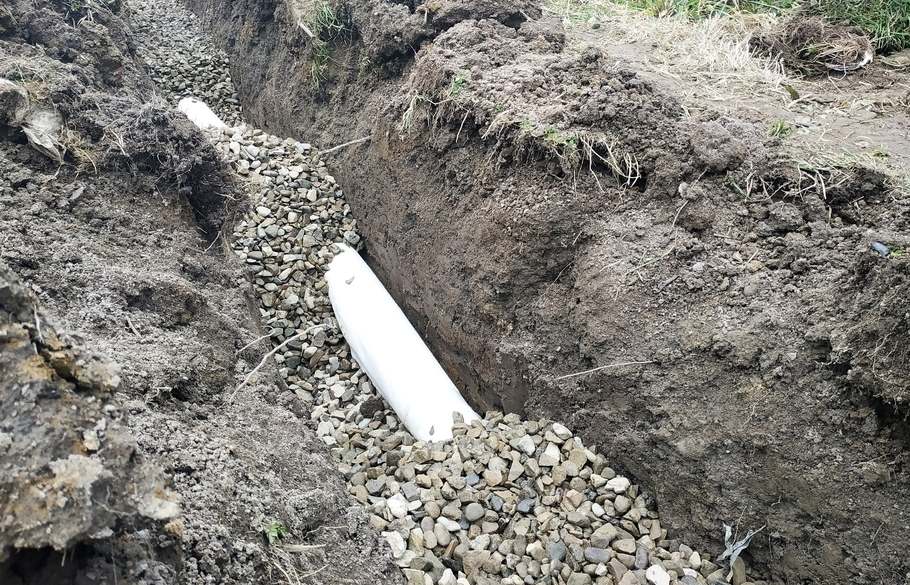
French drain cost per foot
French drain pricing swings because “French drain” can mean anything from a shallow yard drain to a deeper foundation perimeter system with multiple inlets and a pumped discharge. These ranges cover most homeowner projects.
DIY cost per foot
- Typical DIY materials: $10 to $25 per linear foot
- DIY with premium extras (more depth, more gravel, multiple basins): $20 to $40 per linear foot
DIY numbers assume you already own some basics (shovel, rake, wheelbarrow) and you are not counting your time as labor. If you rent equipment, see the add-on section below.
Professional cost per foot
- Typical professional install: $30 to $100+ per linear foot
- Higher-cost installs (very deep trenches, tough access, near structures, pumps): $80 to $150+ per linear foot
Pro pricing usually bundles labor, equipment, disposal, and some warranty or call-back protection. It also bakes in a “risk premium” when the work is deep, tight, or close to foundations, utilities, and hardscape that may need repair afterward.
What changes the total
A French drain is basically a long, skinny materials list. Change the trench, the pipe, the gravel, the soil, the slope, or where the water goes, and the price shifts fast.
The trench
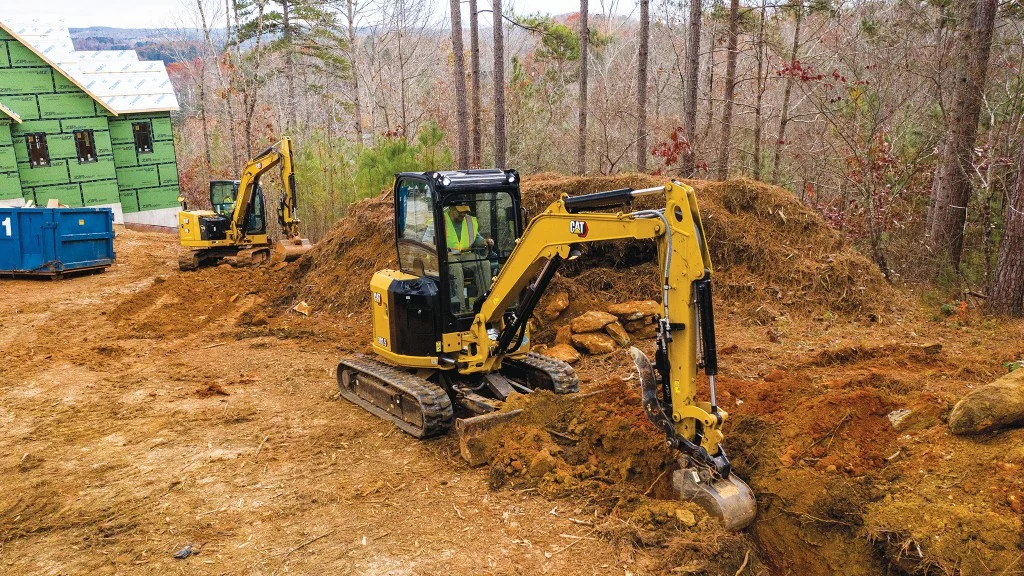
More digging is more cost, whether you pay with money or with your spine.
- Deeper trench: More labor, more spoil to move, often more gravel to backfill.
- Wider trench: Usually means more gravel and fabric, and sometimes a larger pipe or extra bedding.
- Access issues: Tight side yards, fences, stairs, and landscaping can force hand digging and wheelbarrow hauling instead of a mini-excavator.
- Utility locating and careful digging: If the run crosses areas with gas, electric, irrigation, or telecom, careful excavation slows everything down.
Slope and fall
Slope is a hidden cost driver. If you do not have enough fall to move water by gravity, you usually pay for it one of two ways: a deeper trench (more excavation and gravel) or a pump (equipment, power, and maintenance).
Pipe type and size
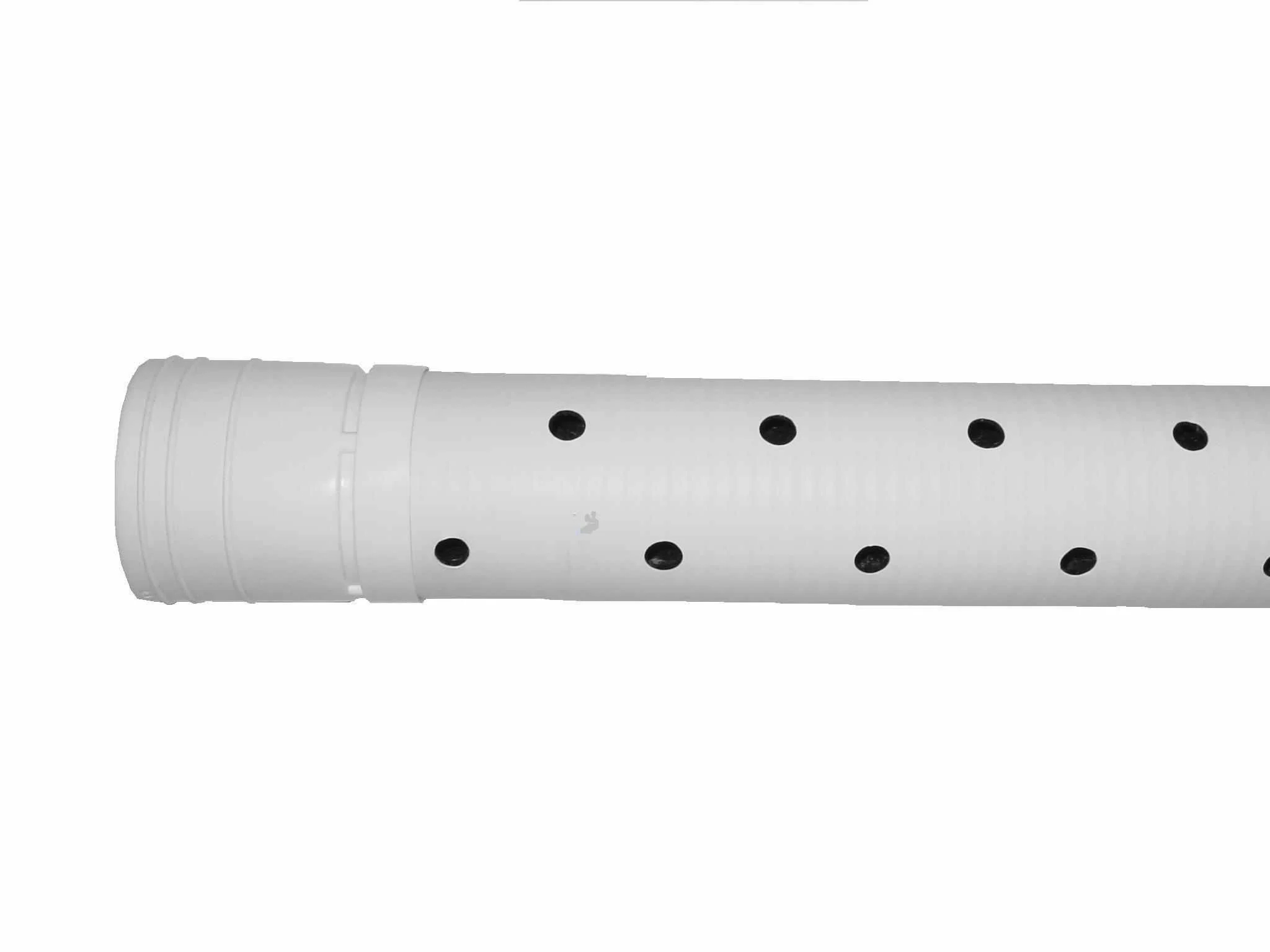
For many yard drains, 4-inch perforated pipe is the most common. You will also see 6-inch used on higher-volume collector runs or when multiple lines tie together. What you choose affects both cost and clog resistance.
- Corrugated perforated pipe: Usually cheaper and easier to snake through gentle curves. It can trap sediment in the corrugations if the system is not designed well.
- Rigid PVC perforated pipe: Typically costs more but stays straighter and can be easier to clean out. Fittings add cost, and sweeping turns take planning.
- Pipe diameter: Larger sizes cost more per foot and fittings cost more, too. If a quote jumps from 4-inch to 6-inch, ask what problem it is solving.
Budget tip: If a quote upgrades pipe size or switches materials, ask why. Sometimes it is justified. Sometimes it is just what they keep on the truck.
Gravel costs
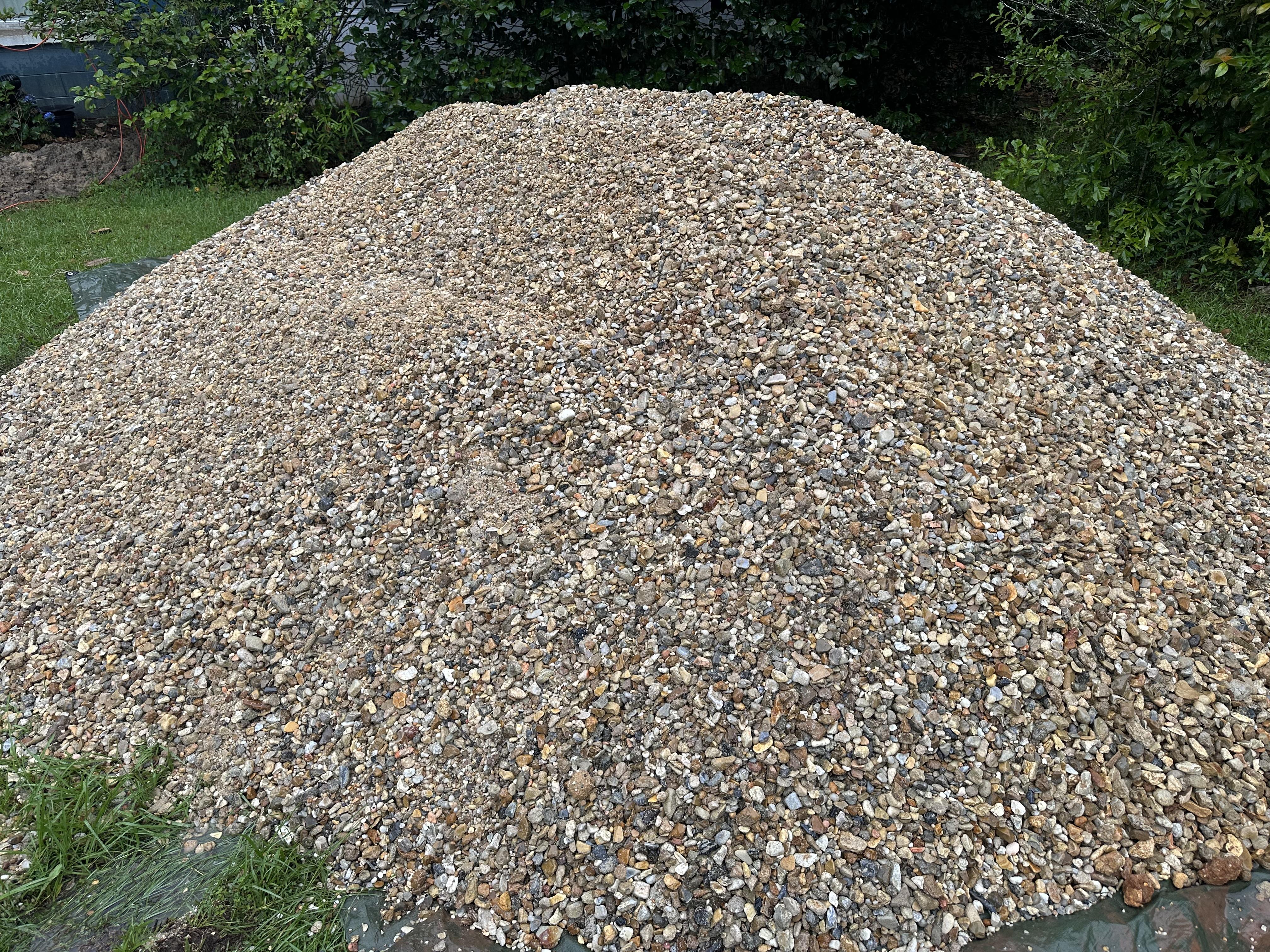
Gravel is where a lot of DIY projects get sticker shock. The deeper and wider your trench is, the more stone you buy and haul.
- Typical stone: Washed drainage gravel (often 3/4-inch) costs more than mixed fill because it stays open and drains well.
- Delivery fees: Small loads can get hit with minimum delivery charges. Multiple deliveries add up quickly.
- Bagged vs bulk: Bagged drainage rock is convenient but almost always the most expensive way to buy it.
If you are estimating quantities, the fastest way is to compute trench volume and then adjust for how much is stone vs soil backfill. Your gravel supplier can help convert cubic feet to tons based on the product.
Soil and disposal
Soil decides how hard digging is, how stable the trench walls are, and how much time you spend fighting collapse or mud.
- Clay: Heavy to move, sticky when wet, slow to grade. Often increases labor time.
- Sandy soil: Often easy to dig, but deeper trenches can slump or cave, which may require safer methods, timing, or added labor to manage wall stability.
- Rocky soil: Can force powered equipment, special buckets, and extra time.
- Disposal: If you cannot spread the excavated soil on site, hauling and dumping fees can be a meaningful chunk of the total.
Discharge and add-ons
This is the part that turns a simple trench into a system.
Discharge options
- Daylight outlet: Often the simplest and cheapest if your yard slopes to a safe exit point. You may still need a grate or rodent guard.
- Pop-up emitter: A common add-on for flat yards. Adds parts cost and requires a good location where water can spill without flooding patios or neighbors.
- Dry well: Useful when you have no safe daylight outlet and you need to store and soak water into the ground. Adds excavation, stone, fabric, and sometimes a manufactured dry-well tank.
- Tie-in to a storm drain: Highly jurisdiction-dependent. Many municipalities prohibit private drains from tying into municipal storm systems. If it is allowed, it may require permits, inspections, and specific materials.
- Sump pump discharge: If gravity cannot do it, a pump can. This adds electrical work, pump cost, maintenance, and a higher failure risk during storms.
Catch basins and surface inlets
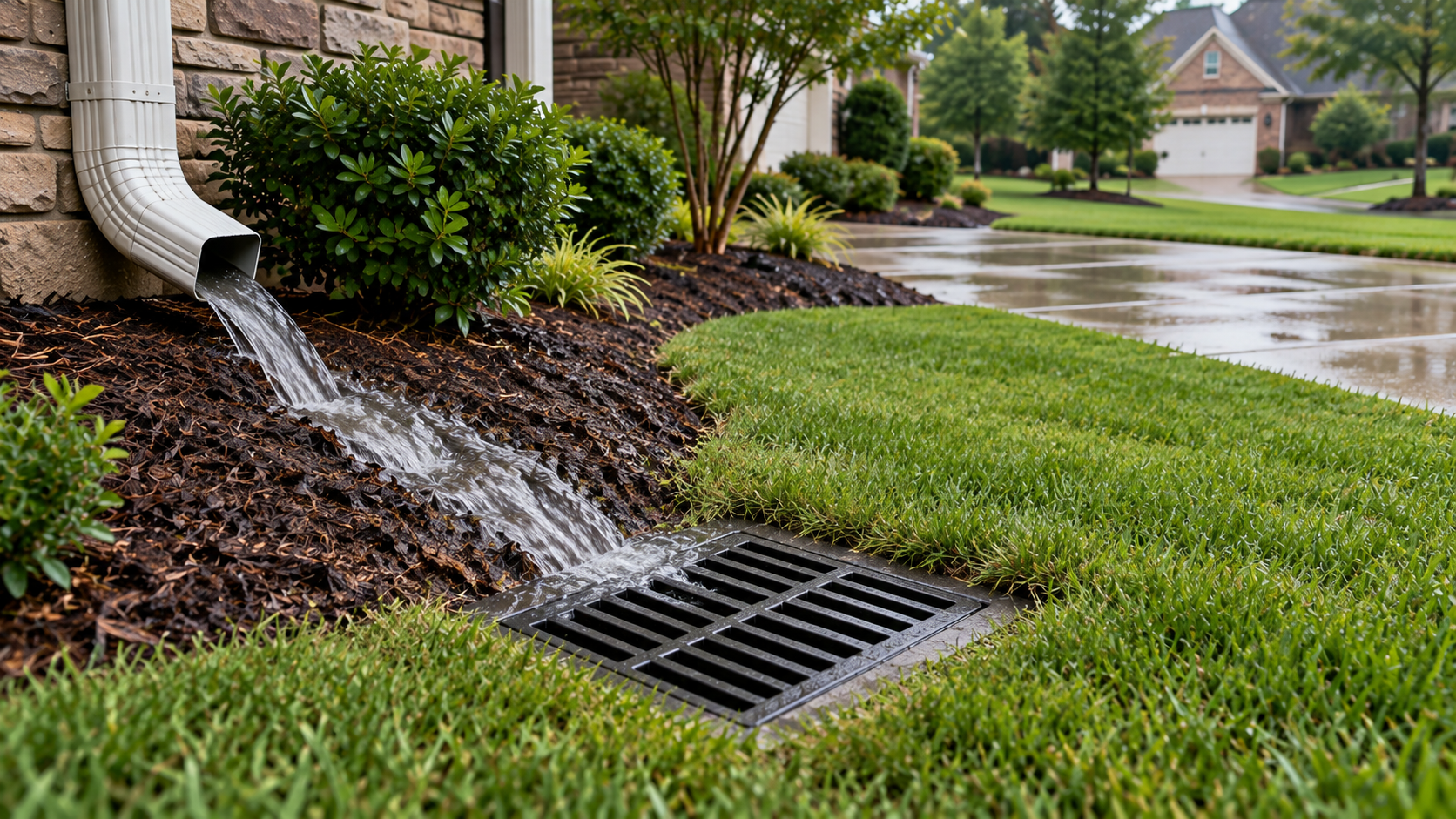
French drains handle subsurface water. If you have puddles, downspouts, or patio runoff, you may need catch basins, channel drains, or downspout adapters tied into the line.
- Each catch basin adds the cost of the box, grate, fittings, and extra digging.
- More inlets can improve performance, but they also create more joints and more potential clog points.
Cleanouts
Cleanouts cost more upfront, but they make maintenance realistic. A good rule of thumb is to add a cleanout at the high end of the run and at major direction changes.
Sample budget: 25 feet
Picture a soggy side yard that needs a 25-foot French drain to a daylight outlet. This is a common DIY project size.
Assumptions: a basic yard drain with a trench roughly 12 to 18 inches deep and about 8 to 12 inches wide, using 4-inch perforated pipe, washed gravel, and fabric wrap.
DIY materials (25 feet)
- Perforated pipe and fittings: $40 to $120
- Washed drainage gravel: $150 to $450
- Filter fabric and pins: $25 to $80
- Outlet parts (daylight or pop-up emitter): $20 to $80
- Miscellaneous (gloves, marking paint, primer and cement for PVC): $15 to $60
Estimated DIY total: $250 to $790 (about $10 to $32 per foot)
Professional estimate (25 feet)
Estimated pro total: $750 to $2,500+ (about $30 to $100+ per foot)
Why the spread? Access, soil, disposal, and whether they are adding a basin, protecting landscaping, or restoring hardscape.
Sample budget: 100 feet
Now imagine a 100-foot run along part of a foundation, collecting water and routing it to a safe discharge point. This often gets deeper, more technical, and more expensive to do wrong.
Assumptions: a longer collector-style run with a deeper trench in sections (often 18 to 36 inches depending on outlet elevation), 4-inch pipe in many cases, plus extra fittings, cleanouts, or inlets as needed.
DIY materials (100 feet)
- Perforated pipe and fittings: $120 to $350
- Washed drainage gravel: $600 to $1,800
- Filter fabric: $80 to $250
- Inlets, cleanouts, adapters (varies): $50 to $400
- Outlet parts or pop-up emitter: $25 to $120
Estimated DIY total: $875 to $2,920 (about $9 to $29 per foot)
Reality check: This size often pushes DIYers into tool rentals, helper labor, and disposal costs, which can add hundreds to thousands more depending on access and soil.
Professional estimate (100 feet)
Estimated pro total: $3,000 to $10,000+ (about $30 to $100+ per foot)
If a contractor is proposing an interior perimeter drain, sump system, or major excavation near the foundation, that is a different category with different pricing.
Common add-on costs
- Equipment rental: A trencher or mini-excavator rental plus delivery can materially change the DIY math, especially for 50 feet and up.
- Landscape restoration: Sod replacement, seed and straw, mulch, plant replacement, or repairing irrigation lines.
- Hardscape repairs: Cutting and patching concrete, removing and resetting pavers, rebuilding edging.
- Permits and inspections: Some areas require permits for tie-ins or certain discharges.
- Cleanouts: Adding vertical cleanouts costs more upfront but can save you later if the line clogs.
Compare contractor quotes
If you get three quotes and they are wildly different, you are not alone. Make them comparable by asking each contractor to spell out the same basics.
- How deep and how wide is the trench?
- What pipe type and diameter are you using? Corrugated vs PVC, sock-wrapped vs fabric-wrapped trench.
- What gravel type and how much? Washed drainage gravel vs mixed rock.
- How are you preventing clogs? Filter fabric, cleanouts, inlet protection.
- Where does the water discharge? Daylight, pop-up, storm tie-in (if legal), dry well, sump pump.
- What restoration is included? Regrading, reseeding, replacing sod, pavers, or plants.
- Is disposal included? Spoils hauling and dump fees.
- What is excluded? This is where surprises hide.
A raised eyebrow moment: if a quote is very cheap, check the gravel and fabric line items first. Skimping there can turn your “drain” into a buried mud tube.
FAQ
Is a French drain worth it?
It can be, if the water has a reliable place to go and the drain is sized and sloped correctly. If your issue is roof runoff, fixing gutters, extensions, and grading may be cheaper and just as effective.
Do French drains need gravel?
In most common designs, yes. The gravel creates open space for water to move and protects the pipe. Some alternative products exist, but the classic, reliable approach uses washed drainage stone.
Can I put a French drain by my foundation?
Sometimes, but this is where caution pays. Digging near foundations can create settlement risk, and discharging water improperly can make things worse. If you see foundation cracks, water in a basement, or recurring saturation at the footing line, it is smart to get professional eyes on the plan.
What is the cheapest way to build one?
The cheapest version is a short, shallow run with a gravity daylight outlet, minimal obstacles, and bulk gravel delivery. The most expensive version is deep digging in bad access with pumps, hardscape removal, and lots of restoration.
The 30-Second Cheat Sheet
Essential takeaways for: How Much Does a French Drain Cost?
Typical cost per linear foot (ballpark)
- DIY: about $10 to $25 per foot (can reach $40 per foot with deeper trenches and add-ons)
- Professional install: about $30 to $100+ per foot (can reach $150+ per foot for deep, difficult, or pumped systems)
Biggest price drivers
- Trench depth, width, and access: deeper, wider, or tighter spaces cost more
- Slope and fall: if gravity cannot do the work, costs jump (deeper trenching or pumps)
- Pipe choice: corrugated is often cheaper; PVC often costs more but can be easier to clean
- Gravel quantity and delivery: washed drainage gravel plus delivery fees can dominate the materials bill
- Soil and disposal: clay, rock, and hauling spoils increases labor and fees
- Discharge method: daylight is usually cheapest; pop-up emitters, storm tie-ins, dry wells, and sump pumps add cost
- Add-ons: catch basins, surface inlets, cleanouts, and hardscape restoration
Sample budgets
- Short yard run (25 ft): DIY $250 to $790 | Pro $750 to $2,500+
- Long foundation run (100 ft): DIY $875 to $2,920 (before tool rental and disposal) | Pro $3,000 to $10,000+
Quote checklist
- Confirm trench depth and width
- Confirm pipe type and diameter
- Confirm washed gravel and filter fabric are included
- Ask where the water discharges and whether restoration and disposal are included
💡 Tip: Scroll up to read the full article for detailed, step-by-step instructions.
⬆️ Back to top
About Grit
Content Creator @ Grit & Home
Grit is Grit & Home’s little blue clay courier, delivering big questions about the place you call home. Expect practical ideas, a raised eyebrow, and a satchel full of curiosity.