
🚨 In a DIY emergency or rush?
Skip the details and jump straight to our 30-second cheat sheet for the most crucial info.
Small courier. Big home questions.
If termites had a business card, it would read: Quiet. Persistent. Expensive. The tricky part is that “termite treatment” can mean everything from a targeted spot application to a whole-house fumigation that turns your home into a giant tent for a few days. Prices vary because you are paying for access, labor, and strategy, not just chemicals.
Below are the typical cost ranges you will see in the U.S. for common professional termite treatments, plus what a quote should include so you can compare bids like a pro, even if you do not want to become one.
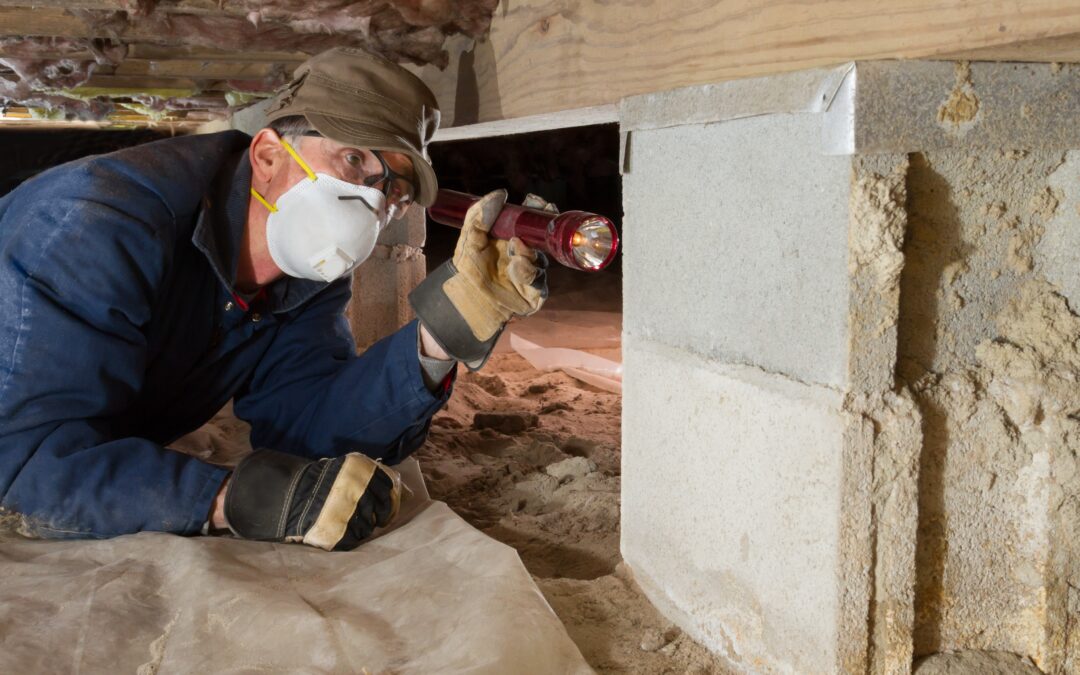
Typical termite treatment costs (by method)
Regional reality check: These are national ballparks. High-cost areas and major metros (common examples include parts of CA, FL, and TX) can exceed them, and some rural markets may fall below. State regulations and product availability can also nudge both pricing and what methods are offered.
Termite pricing is usually quoted as a project price, not a strict hourly rate. Some companies price by linear feet of foundation, others by the square footage of the structure, and some may also price based on the size of the infestation footprint.
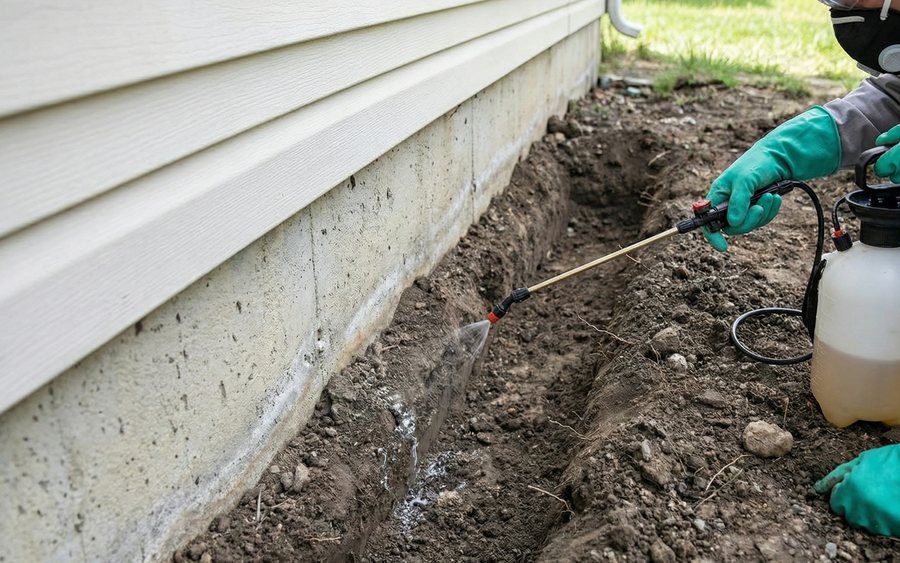
Liquid barrier treatment (soil-applied termiticide)
Typical cost: $800 to $2,500 for many homes, with larger or complex foundations often landing $2,500 to $4,000+.
Liquid barrier treatments create a treated zone in soil around and sometimes under the home, commonly involving trenching, rodding, and drilling through concrete (garage slabs, porches, interior expansion joints) when needed. The goal is to stop subterranean termites from entering and to expose them to the termiticide as they tunnel.
- Good fit for: Subterranean termites and perimeter protection when access is reasonable.
- What it usually includes: A defined treatment perimeter and a renewable warranty, with terms that vary by company.
- Why prices vary: Foundation type (slab vs. crawlspace vs. basement), amount of drilling, and linear footage.
Typical timeline: Many homes can be treated in a half day to a full day. Follow-up is often an annual renewal inspection, or per the warranty terms.
Bait station systems
Typical first-year cost: $900 to $2,800 (installation plus initial service), with ongoing monitoring commonly $250 to $600 per year.
Bait stations are placed in the ground around the home and checked on a schedule. If termites feed, the technician adds bait that can spread through the colony over time. Baits are often sold with an ongoing service plan because the system only works if it is monitored and maintained.
- Good fit for: Long-term monitoring, properties where drilling is undesirable, and situations where continuous oversight is the priority.
- What it usually includes: Installation plus recurring visits to inspect stations, refresh monitors, and add bait as needed.
- Tradeoff: Results can take longer than liquid barriers, and the plan depends on consistent follow-up visits.
Typical timeline: Installation is often quick, but colony impact is measured over weeks to months. Monitoring commonly stays quarterly, biannual, or per your provider’s schedule.

Spot treatments (localized applications)
Typical cost: $250 to $1,000+ depending on access and size of the affected area.
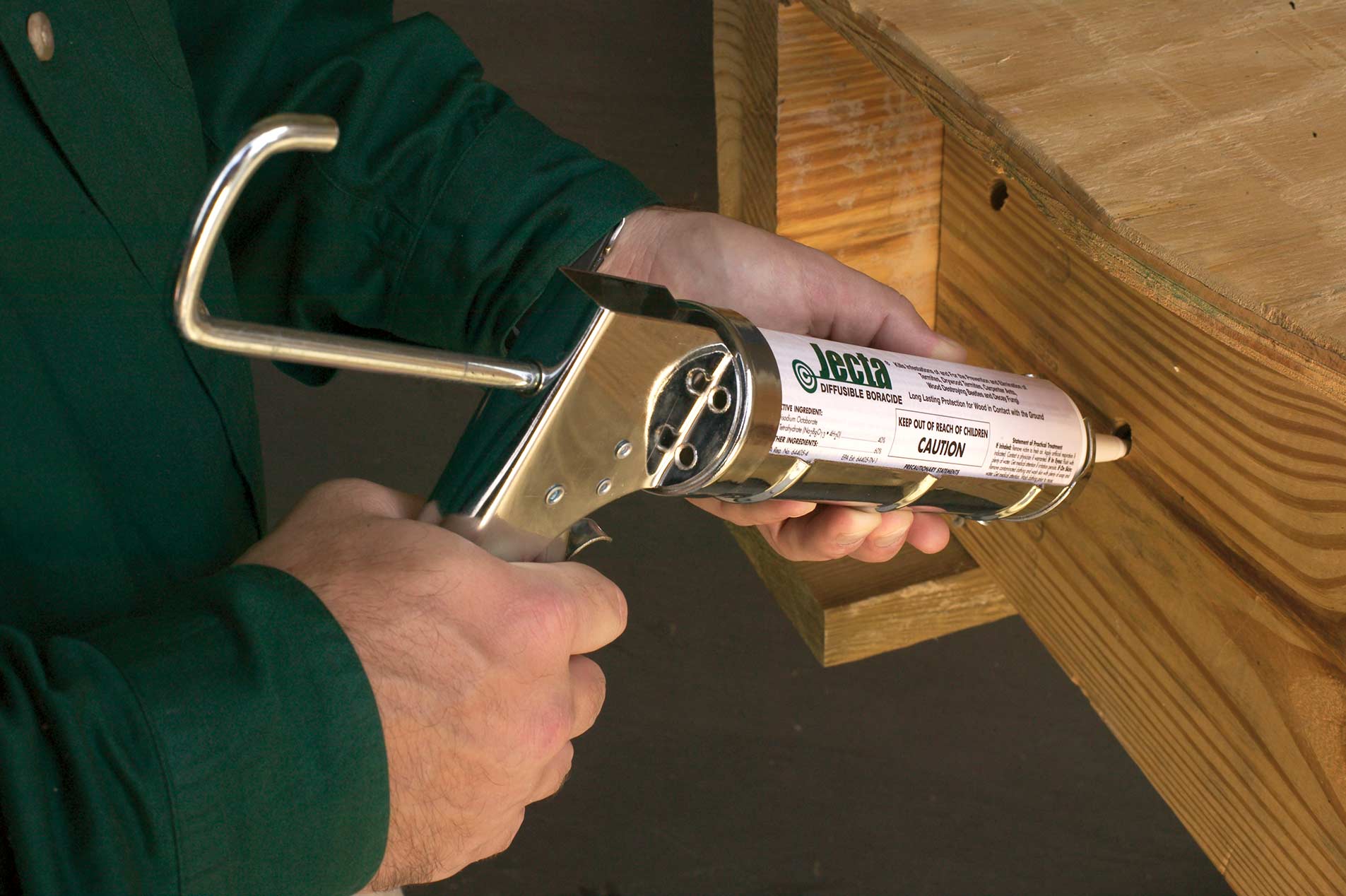
Spot treatments are targeted applications, often used for drywood termites in a localized area (like a window frame) or as part of a broader plan. Methods can include injection into galleries, foam applications, or localized liquid treatment.
- Good fit for: Small, clearly identified infestations where the colony is likely limited to one area.
- What it usually includes: Treatment of the known activity location and a recommendation for follow-up inspection to confirm you are not dealing with multiple sites.
- Watch-out: If termites are in multiple hidden areas, spot treatment can miss the bigger picture.
Typical timeline: Often completed in one visit, plus a recheck visit if your company includes one or if the evidence was limited.
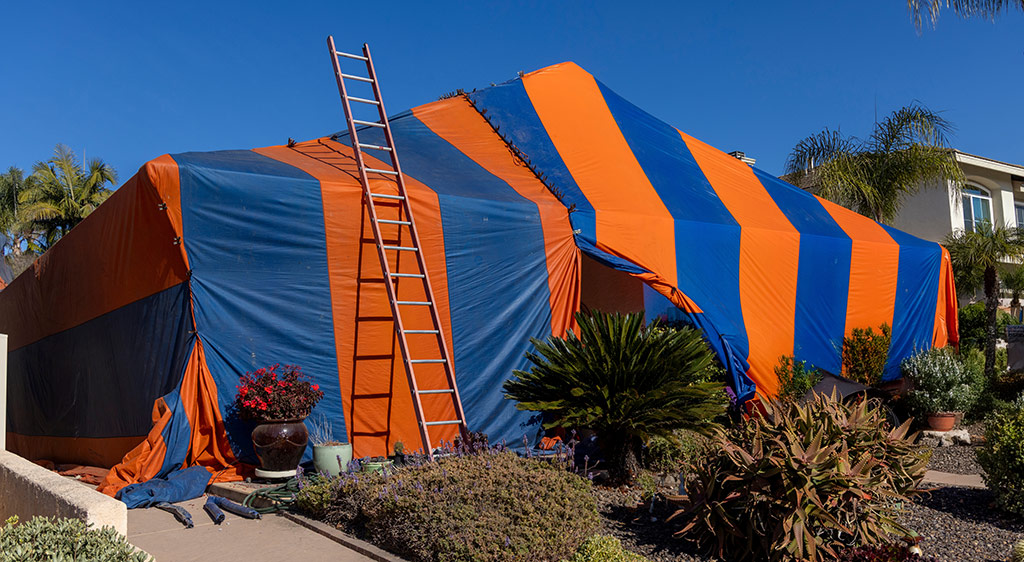
Tent fumigation (whole-structure fumigation)
Typical cost: $1,200 to $4,500 for many single-family homes, with larger homes and complicated logistics often reaching $4,500 to $8,000+.
Fumigation is typically used for drywood termites when the infestation is widespread or not easily isolated. The home is sealed under a tent and treated with a fumigant that penetrates wood and voids.
- Good fit for: Widespread drywood termites across multiple rooms or levels.
- What it usually includes: Tenting, fumigation, aeration, and clearance procedures required by local rules and the provider’s protocol.
- Important limitation: Fumigation kills termites present at the time, but it does not create a long-lasting barrier. Many homeowners pair it with prevention work and regular inspections.
Typical timeline: Commonly about 2 to 3 days from tenting to clearance, but it can vary by fumigant, aeration time, weather, and local regulations. Your provider should give you the specific re-entry window in writing.
Inspection fees and what you actually get
Typical cost: $0 to $300 for an inspection.
You will see three common inspection setups:
- Free inspection that is tied to receiving a treatment quote.
- Paid inspection from a licensed professional that may include a written report, diagram, photos, and moisture or conducive-condition notes.
- Real estate or lender-driven inspection, which is often priced separately because the report format and liability expectations can be different.
Even when an inspection is free, you should still expect clear documentation: where activity was found, what evidence was used to identify it (swarmers, mud tubes, frass), and what areas were not accessible to inspect.
If you are comparing companies, add one more item to your checklist: ask for their license number and proof of insurance, or ask where you can verify it through your state. Legit companies do not get weird about this.
Annual monitoring and warranties
Typical cost: $250 to $800 per year, depending on plan type and region.
Ongoing plans can include:
- Annual or semiannual inspections (sometimes more frequent for bait systems).
- Re-treat coverage if termites return (common).
- Repair coverage for new termite damage (less common and often capped or conditional).
Read the warranty like it is a tiny contract because it is. A low annual fee is less exciting if the fine print excludes key areas (for example, “no coverage where wood-to-soil contact exists”) and your home has several of those conditions.
What changes the price
Termite bids can feel inconsistent until you realize companies are pricing risk, labor time, and the probability of hidden spread. These are the biggest drivers.
Home size and layout
Bigger perimeter and more square footage usually means more product, more stations, more time, and more areas to inspect. Multi-story homes, additions, and split-level footprints often increase complexity.
Foundation type and access
- Slab foundations can require drilling through concrete to treat soil beneath, especially where termites enter through cracks or expansion joints.
- Crawlspaces can be faster or slower depending on clearance, vapor barriers, debris, and whether the crew can access all piers and perimeter walls.
- Basements can add time if there are finished walls that block access to sill plates or rim joists.
Termite species
- Subterranean termites often drive quotes toward liquid barriers or bait systems, sometimes both in high-pressure areas.
- Drywood termites commonly lead to spot treatments for localized activity or fumigation for widespread infestations.
- Dampwood termites usually point to a moisture problem first. They are less commonly a whole-house structural pest than subterranean or drywood termites, and the fix often includes moisture correction and replacing damp, damaged wood.
Severity and spread
A small, contained issue is cheaper than a multi-area infestation. Pros price for how much of the home must be treated and how confident they can be that the chosen method will reach the colony.
Local conditions and timing
Region matters. So does demand. In some areas, prices rise during heavy swarming seasons when schedules are packed and response times get tight.
Obstacles and conducive conditions
Decks tight to the siding, dense landscaping against the foundation, stored items in crawlspaces, or hard-to-access slab areas can add labor. If a company has to remove or work around obstacles, the quote tends to grow accordingly.
What a quote should include
I like a quote that behaves like a good courier: clear route, clear delivery, no mysterious extra stops.
At minimum, a solid estimate should spell out:
- Identified termite type (or what evidence supports the suspected type).
- Treatment method and scope: perimeter only, full structure, specific rooms, crawlspace, attic, or slab penetrations.
- Where they will drill or trench, and whether patching is included (many companies do basic plug and patch, but not cosmetic matching).
- Product or system being used (at least category and brand family, plus whether it is non-repellent, bait-based, foam, etc.).
- Number of bait stations and monitoring interval if using a bait system.
- Prep requirements for you, especially for fumigation (food, medications, plants, pets, access, and time out of the home).
- Timeline: treatment date, expected disruption, and follow-up schedule.
- Warranty details: length, renewal cost, what triggers re-treatment, exclusions, and transferability.
- Inspection notes about moisture or wood-to-soil contact, plus recommended fixes that reduce reinfestation risk.
- License and insurance details (or instructions on how to verify through your state).
If the quote is one vague line, your follow-up questions might become your whole personality. Better to push for details before you sign.
Red flags that raise costs
- “Treatment as needed” with no defined scope or monitoring cadence.
- No mention of drilling, trenching, or access when the foundation type strongly suggests it will be required.
- Warranty language that sounds generous but is packed with exclusions that match your home’s conditions.
- A fumigation quote with fuzzy logistics about re-entry time, who clears the structure, and what happens if weather delays the schedule.
- Heavy pressure to sign immediately without time to compare or understand the plan.
Compare two bids fast
When two companies recommend different treatments, it is not automatically a scam or a mistake. Sometimes there are multiple valid approaches. The key is comparing apples to apples.
Ask these five questions
- What evidence did you see and where?
- What is the target: active termites, prevention, or both?
- What areas are you treating and why those areas?
- What happens if termites return during the warranty period?
- What do you need from me to make the treatment effective (prep, repairs, moisture control)?
Get the plan in writing
A verbal “we will take care of you” does not help when you are staring at a renewal invoice next year. The written scope, warranty, and monitoring schedule are the real comparison tools.
Budget snapshots
Every home is different, but these ballparks can help you sanity-check numbers.
- Localized drywood activity in one area: Often $250 to $1,000 for spot treatment, plus follow-up inspection.
- Subterranean termites with straightforward access: Often $800 to $2,500 for a liquid barrier, possibly plus a yearly warranty renewal.
- Drywood termites across multiple rooms: Often $1,200 to $4,500 for fumigation, plus an inspection plan afterward.
- High-risk property wanting ongoing protection: Often $900 to $2,800 first year for baits, then $250 to $600 per year monitoring.
FAQ
Is DIY termite treatment cheaper?
Up front, yes. Long term, it depends on whether you can correctly identify the termite type, reach the colony, and apply the product safely and effectively. Many professional prices are really prices for coverage: the inspection, the access work, and the warranty. If you choose DIY, it is worth at least paying for an inspection so you know what you are actually dealing with.
Does homeowners insurance cover termite treatment?
Typically, no. Termite damage is usually considered preventable maintenance rather than sudden accidental damage. Some policies vary, so it is worth checking your specific coverage, but it is not something most homeowners can count on.
Why does one quote recommend bait stations and another recommends liquid?
They manage risk differently. Liquids can provide a strong barrier when applied correctly. Baits can provide ongoing monitoring and colony suppression over time. The right choice depends on termite pressure in your area, your foundation type, and how much access work makes sense for your home.
Should a quote include repairs to termite-damaged wood?
Often, no. Many pest control companies treat termites but do not do carpentry or structural repairs, and if they do, it may be a separate line item. Treatment stops the bugs. Repairs address the damage. If there is sagging, cracking, or structural concern, it is smart to get a qualified contractor or structural professional to evaluate what needs to be rebuilt.
The 30-Second Cheat Sheet
Essential takeaways for: How Much Does Termite Treatment Cost?
Typical costs (U.S.)
Regional reality check: These ranges are common nationwide ballparks. High-cost markets (especially major metros in states like CA, FL, and TX) can run higher, while smaller towns and rural areas can come in lower.
- Inspection: $0 to $300
- Liquid barrier (soil treatment): $800 to $2,500 typical, $2,500 to $4,000+ for larger or complex homes
- Bait stations: $900 to $2,800 first year, then $250 to $600 per year monitoring
- Spot treatment: $250 to $1,000+
- Tent fumigation: $1,200 to $4,500 typical, $4,500 to $8,000+ for larger homes
What drives the price
- Home size and perimeter length
- Foundation type (slab drilling, crawlspace access, basement finish)
- Termite species (subterranean vs drywood vs dampwood)
- Severity and spread across multiple areas
- Obstacles: decks, landscaping, cluttered crawlspaces
- Warranty level and monitoring schedule
- Local rules and product availability
What a good quote includes
- Termite type and evidence locations
- Exact scope: where they will treat, drill, trench, or place stations
- System details (liquid, bait, foam, fumigation) and follow-up plan
- Prep requirements (especially for fumigation)
- Warranty length, renewal cost, and exclusions
- License and insurance details (or where to verify them)
Fast decision tip
If two bids recommend different methods, ask: “What evidence did you see, what areas are you treating, and what happens if termites return?” Choose the plan with the clearest scope and warranty, not just the lowest number.
💡 Tip: Scroll up to read the full article for detailed, step-by-step instructions.
⬆️ Back to top
About Grit
Content Creator @ Grit & Home
Grit is Grit & Home’s little blue clay courier, delivering big questions about the place you call home. Expect practical ideas, a raised eyebrow, and a satchel full of curiosity.