
🚨 In a DIY emergency or rush?
Skip the details and jump straight to our 30-second cheat sheet for the most crucial info.
I grew up holding the flashlight for my dad under the sink, which taught me two things: bugs always show up at the worst time, and you do not want to “treat” the wrong problem. Elm leaf beetles are a perfect example. They can resemble a couple of other common “accidental house guest” insects, but the control plan is different because these beetles are tied to elm trees and a spring and summer feeding cycle. Later in the season, adults can also gather on buildings and look for sheltered places to ride out colder weather, which is why they sometimes end up indoors.
This guide will help you ID elm leaf beetles correctly, remove indoor strays quickly, and then cut down the next wave by sealing and tackling what is happening outside.
First: Are You Sure They Are Elm Leaf Beetles?
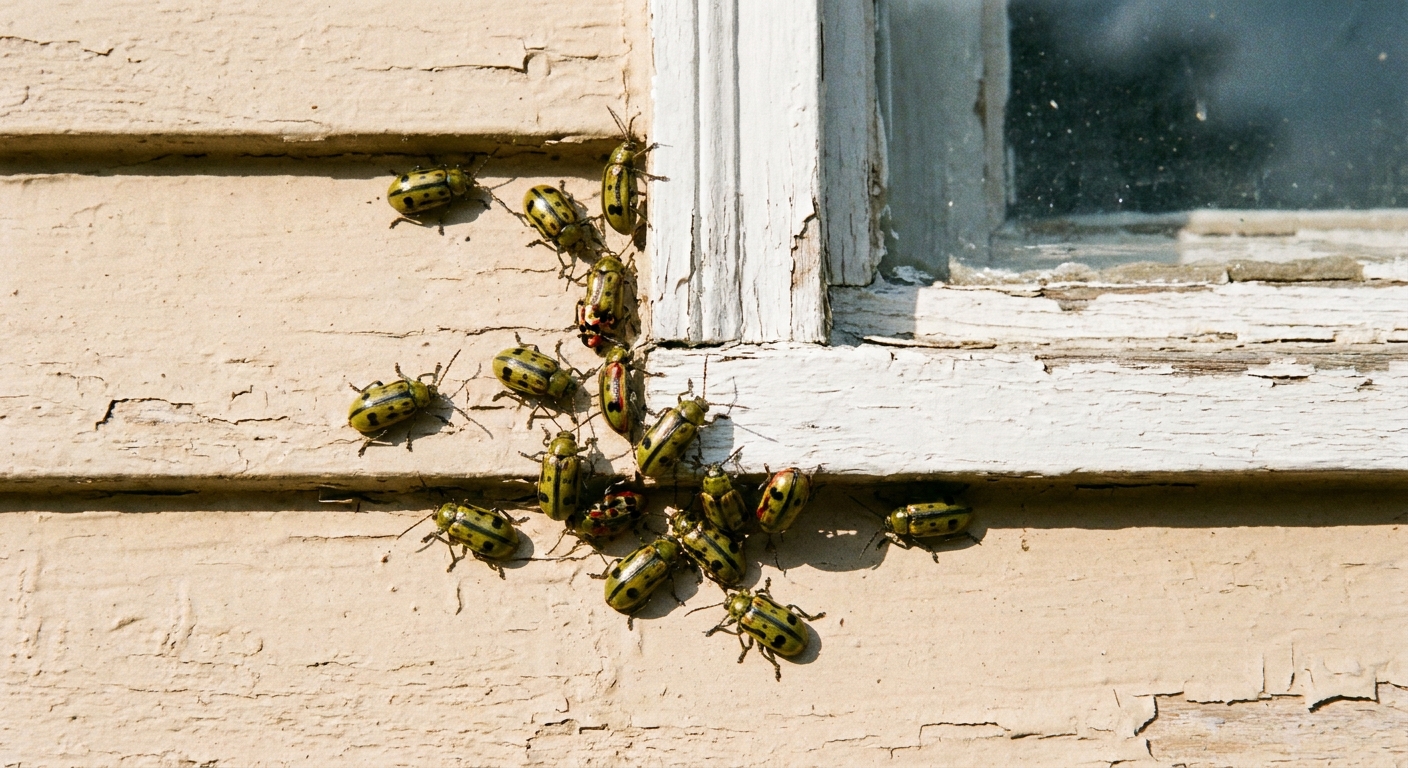
Before you grab a spray can, do a quick ID check. Elm leaf beetles (Xanthogaleruca luteola) are leaf-feeding beetles that damage elm trees and then end up on sunny siding, windows, and sometimes indoors.
What adults look like
- Shape: Oval, like a tiny little football.
- Size: About 1/4 inch long (roughly 6 to 7 mm).
- Color: Yellowish to olive with darker stripes or blotchy dark markings on the wing covers.
- Where you see them: Clustering on sunny siding, window frames, soffits, and then wandering inside through gaps.
What larvae look like
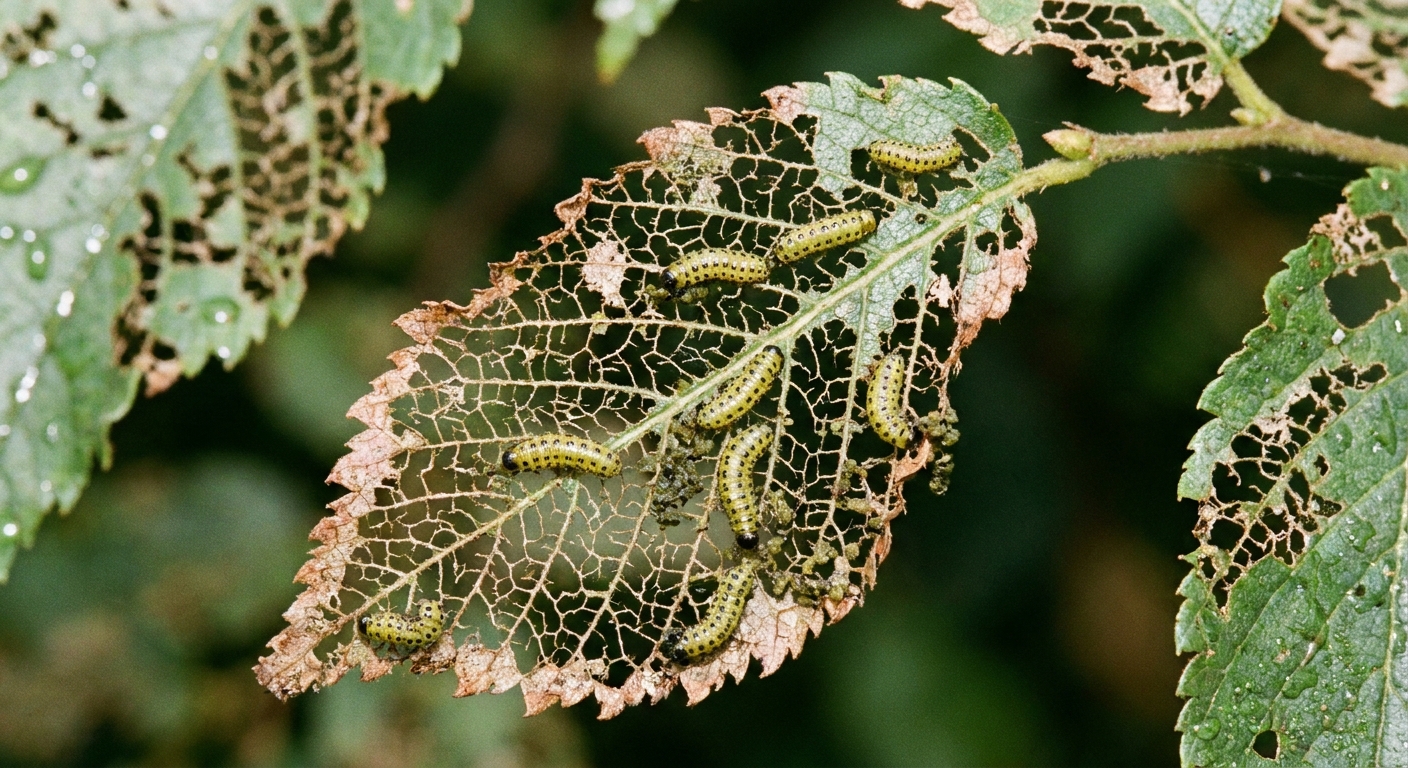
Larvae are usually what cause the worst leaf damage.
- Color: Dark, often blackish with lighter yellow or orange areas along the sides.
- Texture: They look a little “alligator-like,” not fuzzy.
- Location: On elm leaves in spring and early summer. When they are ready to pupate, they crawl down the trunk and tuck into bark crevices and sheltered spots near the base, including leaf litter or the top layer of soil.
Common Lookalikes
Here is the shortcut I use: if you are also seeing skeletonized elm leaves outside, you are probably not dealing with carpet beetles, pantry pests, or random garden beetles that wandered in by mistake.
That said, a couple of insects can still confuse the situation indoors, so compare the “whole story,” not just the bug you caught on the windowsill.
Elm leaf beetles vs boxelder bugs
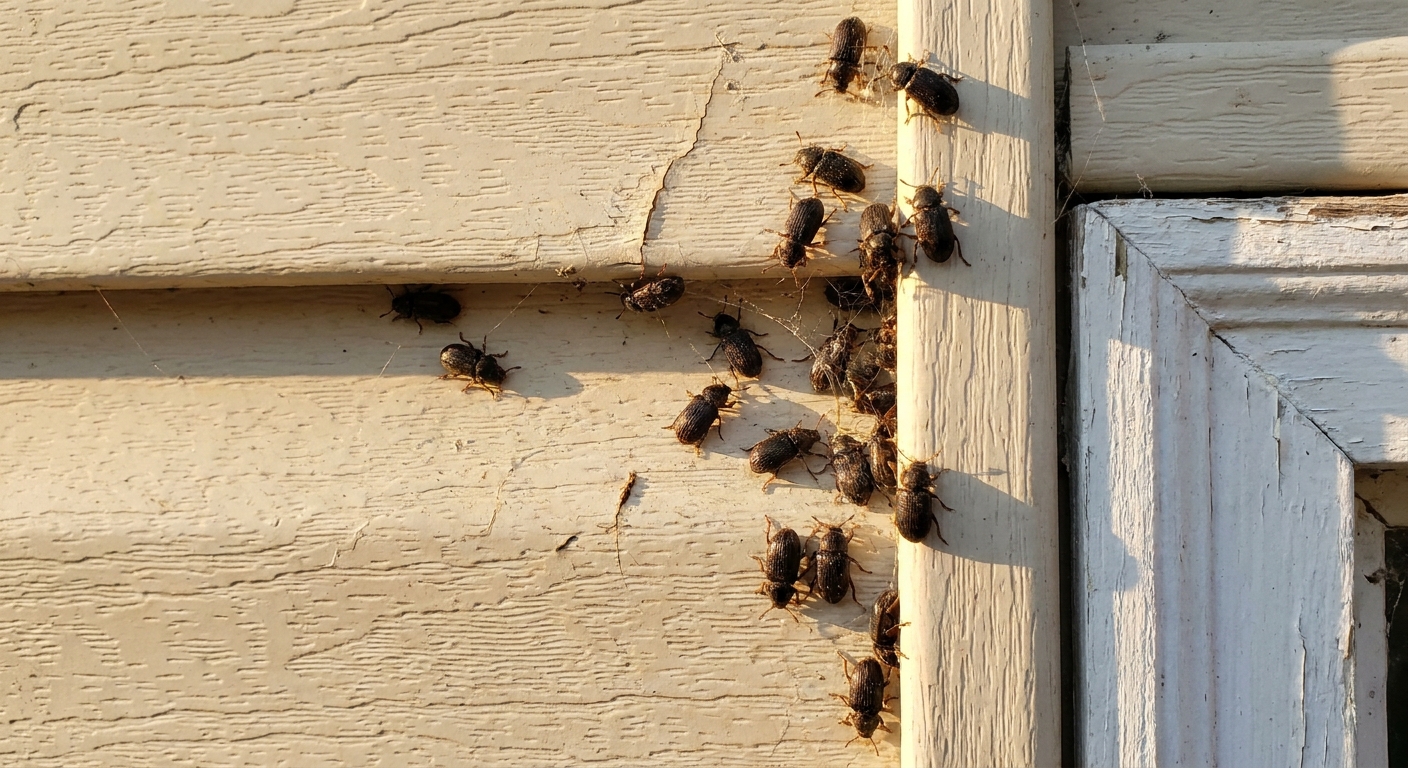
- Body shape: Elm leaf beetles are oval beetles. Boxelder bugs are longer, flatter true bugs.
- Color: Boxelder bugs are black with red or orange lines, and the adults are more sleek looking.
- Outdoor clue: Elm leaf beetles leave skeletonized elm leaves. Boxelder bugs do not skeletonize leaves.
- Season clue: Boxelder bugs are famous for fall invasions. Elm leaf beetles are driven by elm feeding in spring and summer, but adults can also show up on buildings later as they look for shelter.
Elm leaf beetles vs Asian lady beetles
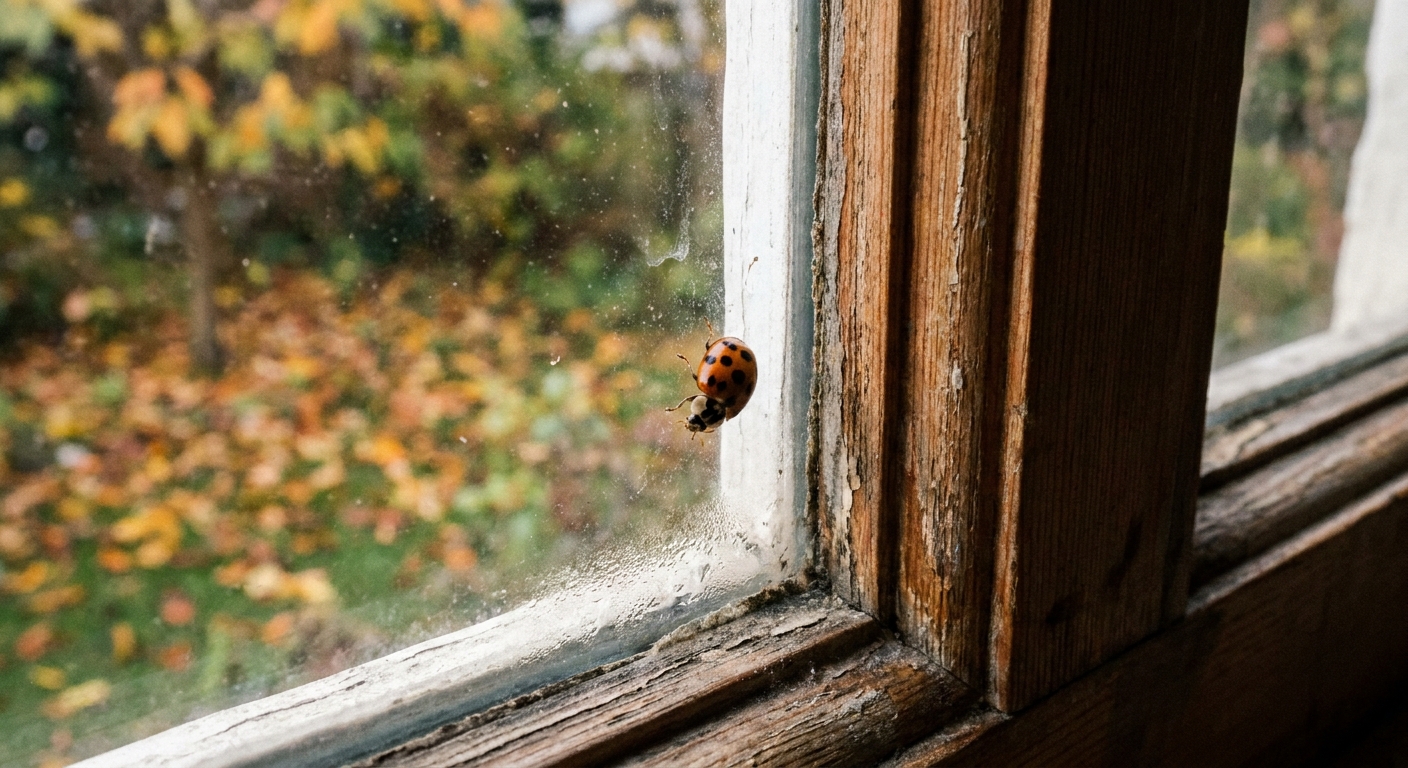
- Color: Asian lady beetles range orange to red and can have lots of spots, plus a noticeable pale area behind the head with a black “M” shape on many individuals.
- Behavior indoors: Asian lady beetles commonly overwinter inside and can show up by the dozens on windows.
- Outdoor clue: Asian lady beetles are predators of aphids. They do not cause skeletonized elm leaves.
The Damage Calendar
Elm leaf beetle control works best when you match your actions to their life cycle. The exact timing shifts by region and weather, but the pattern is consistent.
- Early spring: Adults that survived winter become active and move back to elms. They feed and lay eggs on leaves.
- Mid to late spring: Eggs hatch. Larvae feed heavily, often causing noticeable leaf damage.
- Early summer: Larvae move down the tree to pupate in bark crevices and protected spots around the base, including leaf litter or shallow soil. New adults emerge.
- Mid to late summer: Another round of feeding can happen. In many areas there can be two generations per year, while cooler regions may see one.
- Late summer into fall: Adults look for sheltered spots. They may gather on buildings and can wander indoors through gaps.
Why this matters: If you only deal with the beetles you see inside, you are ignoring the engine of the problem, which is feeding and breeding on elm leaves outside.
Do They Hurt the Tree?
Most healthy elms can handle some feeding, but heavy infestations can cause repeated defoliation. That kind of stress can weaken a tree over time, especially during drought, heat, or other problems. If your elm looks thin, scorched, or is dropping leaves early year after year, it is worth taking the outdoor side seriously.
Why They Come Inside
Most of the time, elm leaf beetles are not trying to live in your kitchen. They are looking for shelter and they are attracted to warm, sunny surfaces.
- They cluster on sunny siding: Especially light-colored or south and west facing walls.
- They follow gaps: Window trim, weep holes, siding joints, utility penetrations, and attic vents.
- They wander: Once on the building, some end up inside through tiny openings, especially on windy days or when temperatures swing.
Get Rid of Them Indoors
Inside the house, my approach is simple: remove them cleanly, do not smear them, and do not create a bigger mess than the bug problem.
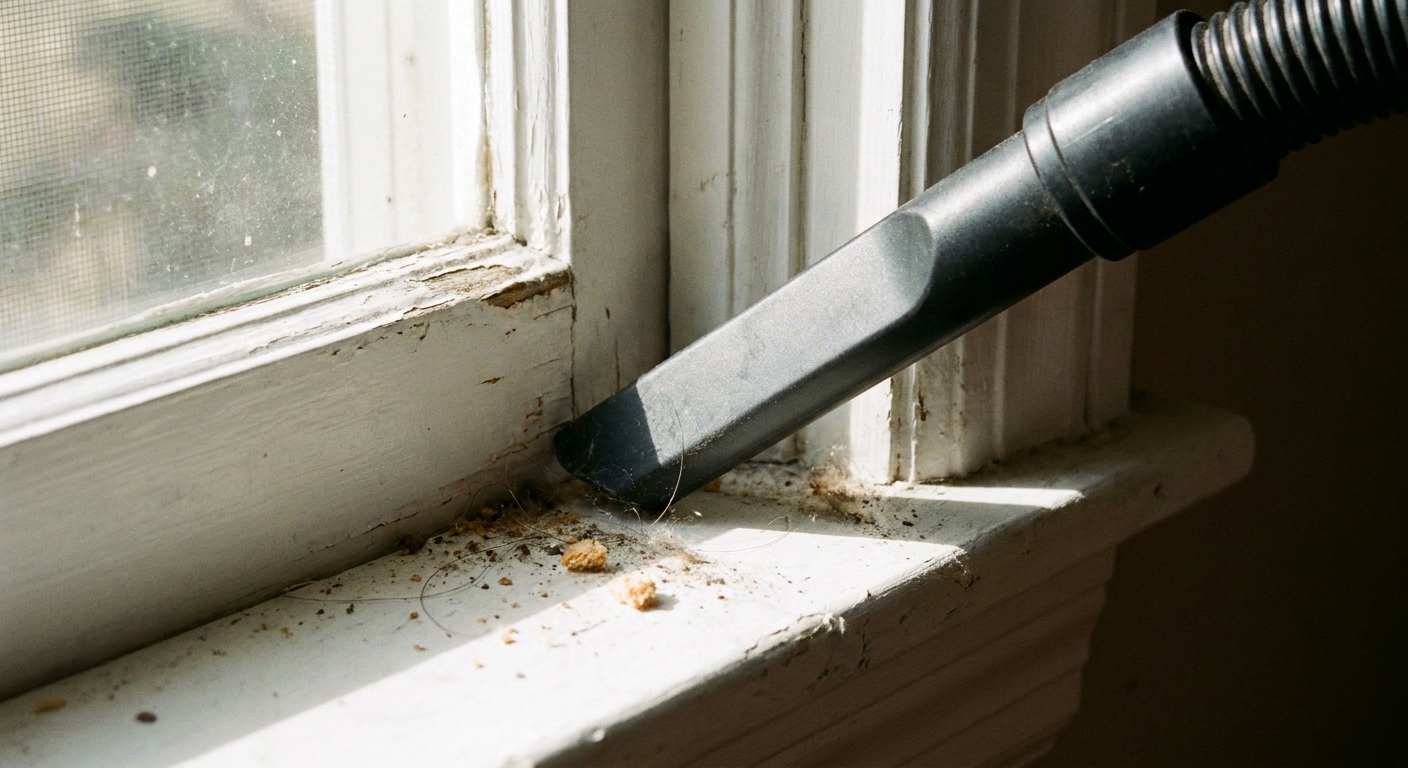
Step 1: Vacuum (best first move)
Vacuuming is the quickest, least gross option and it avoids staining. Some beetles can leave spots if crushed.
- Use a hose and crevice tool along window sills, baseboards, and corners.
- If your vacuum uses a bag, seal and toss it.
- If it is bagless, empty the canister into a trash bag right away, tie it off, and take it outside.
DIY tip from my own mistakes: Do not leave a bagless canister full of live bugs in the garage thinking you will “deal with it later.” Later becomes an escape story.
Step 2: Knock down stragglers
If you keep seeing a few on windows, you can use a light-touch approach.
- Soapy water in a spray bottle: A few drops of dish soap in water can help knock down beetles on hard surfaces. Wipe up afterward. If you are spraying painted trim or finished wood, test a small hidden spot first.
- Sticky traps near windows: Useful for monitoring and catching wanderers, especially in finished attics or bonus rooms.
Avoid foggers. They rarely solve the entry problem and they add chemical residue to living spaces.
Step 3: Clean the hot spots
- Wipe window sills and frames to remove dust and any bug residue.
- Check screens for gaps and make sure they sit tight in the frame.
- Reduce night lighting by doors and windows if it seems to draw insects to those areas.
Seal the House
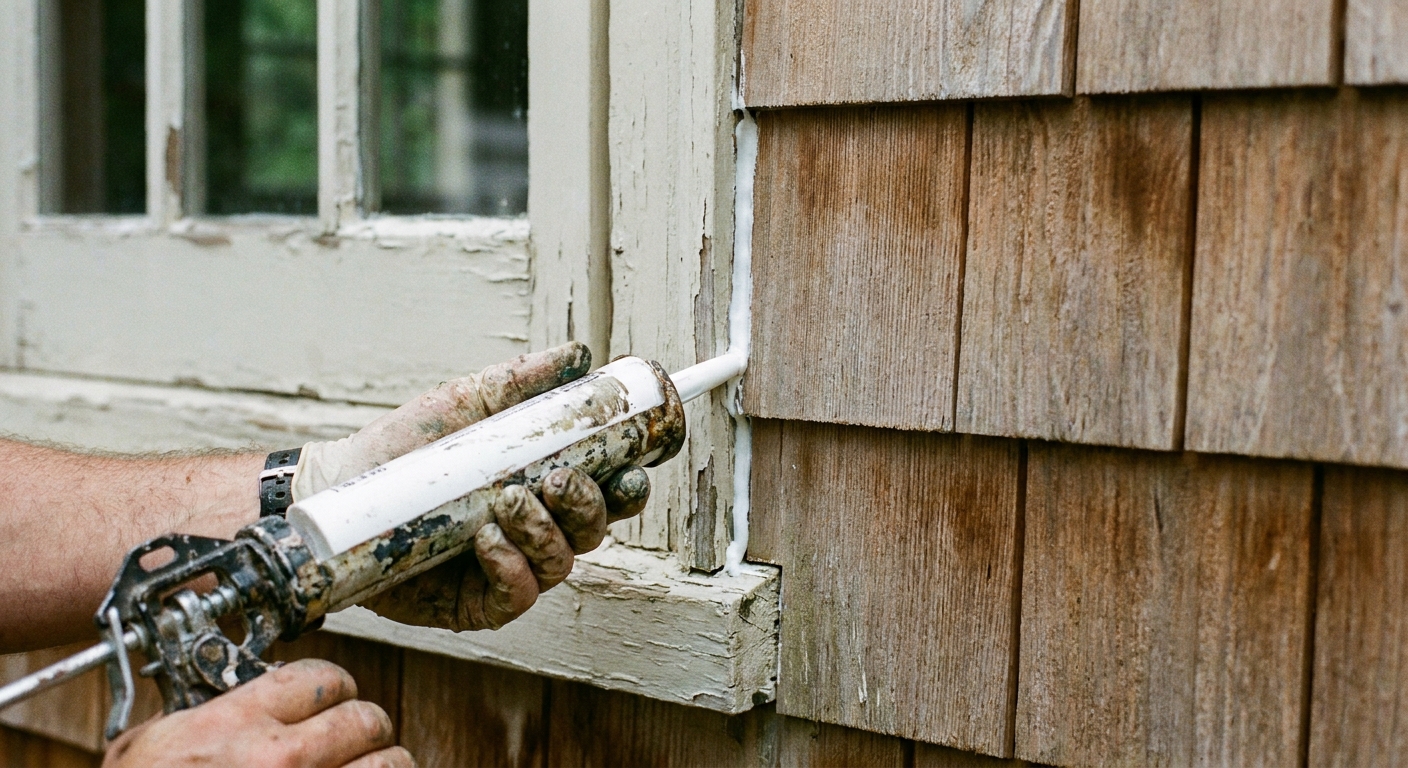
Sealing is boring, but it is the part that pays you back every season. Focus on the sunny sides of the house first.
Common entry points
- Window and door casing gaps
- Cracked caulk at trim and siding transitions
- Utility lines and hose bib penetrations
- Garage door weatherstripping
- Attic vents and soffit gaps (screening issues)
My thrifty sealing kit
- Silicone or siliconized acrylic latex caulk (good exterior grade)
- Backer rod for wide cracks
- Expandable foam for larger utility penetrations (use sparingly)
- Replacement door sweeps and weatherstripping
- Fine mesh screen patches for vents and torn screens
Timing tip
Seal whenever you find gaps, but the best time is before peak activity in your area. If your elm leaf beetles show up heavily in late summer, do your sealing earlier in summer so they hit a tighter envelope when they start wandering.
Outdoor Control
Here is the honest truth: if you have one or more elm trees nearby, especially mature ones, you can reduce indoor nuisance by reducing what is breeding and feeding on the tree.
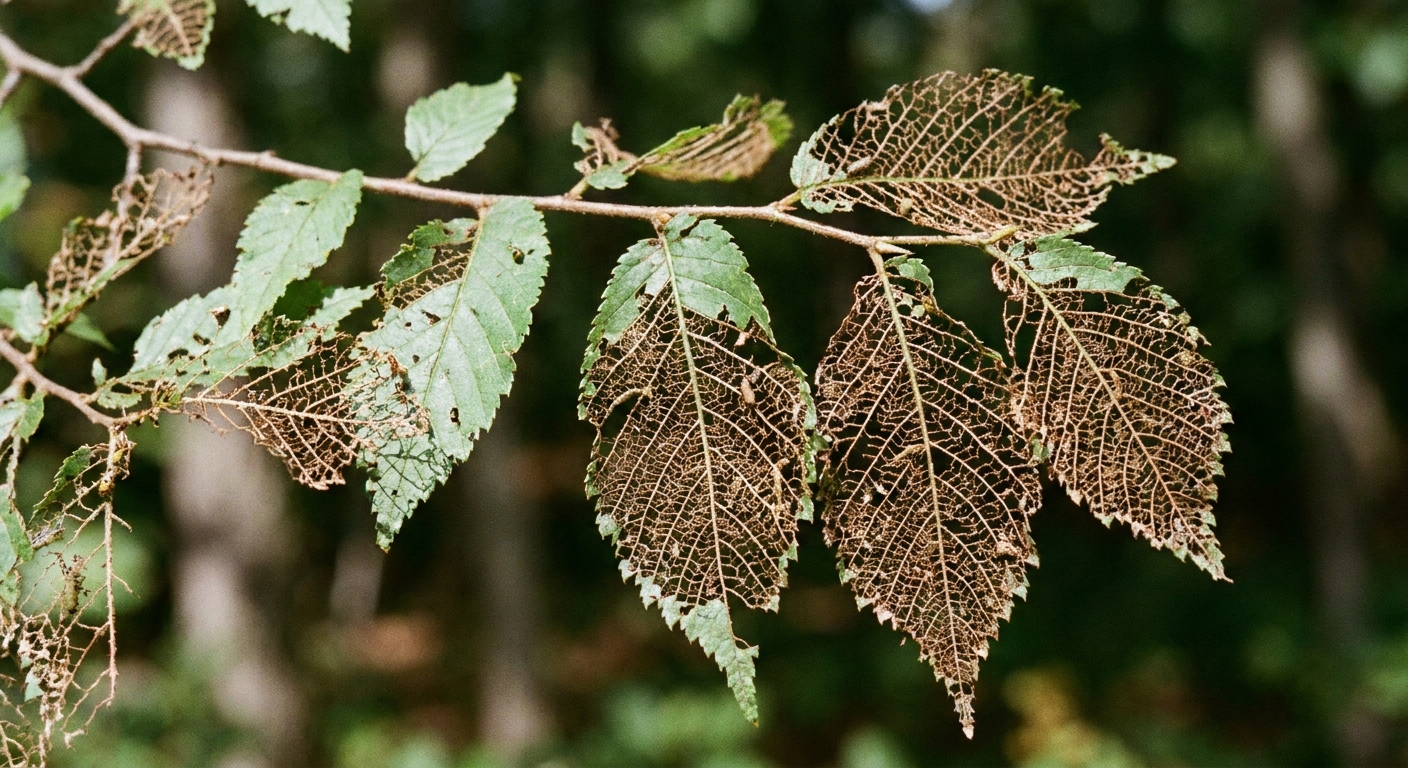
Step 1: Confirm elm damage
Look for skeletonized leaves, where the beetles or larvae eat the soft leaf tissue and leave a lace-like network of veins. You may also see browned, dried leaves that look scorched.
Step 2: Reduce pupation spots at the base
Elm leaf beetle larvae often crawl down the trunk to pupate in bark cracks and sheltered spots near the base, including leaf litter and the top layer of soil.
- Rake leaf litter and debris away from the trunk area.
- Keep mulch from touching the trunk and avoid creating thick, damp hiding spots right at the base.
- Trim back dense groundcover that touches the trunk.
Step 3: Tree treatments (often pro-level)
For heavy, recurring infestations, the most effective treatments are usually aimed at the tree, timed to when larvae are actively feeding in the canopy. Depending on your area and the tree, that can include foliar treatments and systemic options such as trunk injection or soil-applied products. These approaches have real tradeoffs and timing matters, so this is where I recommend calling a local arborist or licensed pest professional for a plan, especially if the elm is large.
If you prefer DIY, stick to products labeled for elm leaf beetles and follow the label exactly. Avoid blanket spraying the house siding as your “main plan.” It may kill some beetles on contact, but it does not fix why they keep showing up.
When to Call a Pro
- Large elm canopy: You cannot safely reach the foliage where larvae feed.
- Repeat heavy defoliation: The tree is thinning out year after year.
- Timing confusion: You keep treating adults on the house but the problem rebounds.
- Pollinator concerns: You have flowering plants under the elm or want guidance on lower-risk options.
- Multiple trees or neighborhood pressure: Street trees or nearby elms keep reinfesting your yard.
Troubleshooting
- You see beetles on sunny siding daily: Recheck window trim caulk lines and screens on that side.
- They show up most in one room: That room often has a single overlooked entry point like a loose screen, a cracked corner of trim, or a gap behind baseboard heat pipes.
- They appear in an upstairs bathroom or attic: Look at soffit vents, bath fan ducting, and attic hatch weatherstripping.
- Vacuuming helps but they return: Shift focus outdoors to the elm and sealing. Indoor removal alone is not enough.
FAQ
Do they bite people?
They are not a biting pest like fleas or bed bugs. If one gets trapped in clothing, a minor pinch is possible, but it is rare and not medically significant for most people.
Are they harmful inside the house?
They do not infest food like pantry pests. The main indoor issues are annoyance and occasional staining if crushed.
Why are they on my house if I do not have an elm?
You may have an elm nearby, including on a neighbor’s property or in the street planting strip. Adults can fly and will travel to warm, sunny surfaces.
Will they go away on their own?
Often the indoor activity tapers when weather shifts. But if you have active elm leaf beetles outside, you can expect repeat seasons unless you seal entry points and address the elm side of the problem.
The 30-Second Cheat Sheet
Essential takeaways for: How to Get Rid of Elm Leaf Beetles in Your House
Quick ID
- Elm leaf beetle adults: small, oval yellowish beetles with darker stripes or blotches (about 1/4 inch, 6 to 7 mm).
- Outdoor clue: skeletonized elm leaves (leaf tissue eaten, veins left behind).
- Not boxelder bugs: boxelder bugs are longer, flatter, black with red lines and show up most in fall.
Get them out of the house today
- Vacuum beetles from window sills, baseboards, and corners using a crevice tool.
- Empty bagless vacuums outside immediately or seal and toss the bag.
- For stragglers, use soapy water spray on hard surfaces and wipe up.
Stop the next wave
- Seal entry points on sunny sides of the house: caulk gaps at window and door trim, fix screens, replace door sweeps, seal utility penetrations.
- Match the life cycle: elm leaf beetles are driven by spring and summer elm feeding, but adults may also gather on buildings and slip indoors as they look for shelter later in the season.
- If you have recurring heavy activity, consider targeted elm tree treatment timed to larval feeding (often best handled by an arborist or licensed pro for large trees).
Elm leaf beetle calendar
- Early spring: adults feed on elms and lay eggs.
- Mid to late spring: larvae feed and cause most leaf damage.
- Early summer: larvae crawl down to pupate in bark crevices and leaf litter or soil near the base, then new adults emerge.
- Mid to late summer: another generation may feed; adults may cluster on houses.
- Late summer to fall: adults seek shelter and may wander indoors through gaps.
💡 Tip: Scroll up to read the full article for detailed, step-by-step instructions.
⬆️ Back to top
About Marcus Vance
Content Creator @ Grit & Home
Marcus Vance is a lifelong DIY enthusiast and self-taught home renovator who has spent the last decade transforming a dilapidated 1970s ranch into his family's dream home. He specializes in budget-friendly carpentry, room-by-room renovations, and demystifying power tools for beginners. Through his writing, Marcus shares practical tutorials and hard-learned lessons to help homeowners tackle their own projects with confidence.