
🚨 In a DIY emergency or rush?
Skip the details and jump straight to our 30-second cheat sheet for the most crucial info.
The first time wild violets really got under my skin was in the shady side yard at our 1970s ranch. I did what a lot of homeowners do. I grabbed the same broadleaf spray that knocks out dandelions and clover. A week later, the dandelions were toast and the violets looked like they’d just gotten a spa day.
If that sounds familiar, you’re not failing. Wild violets are simply built different: waxy leaves, underground rhizomes, and the patience of a perennial. The good news: with the right ID, the right herbicide (usually triclopyr), and the right timing, you can absolutely get them under control.
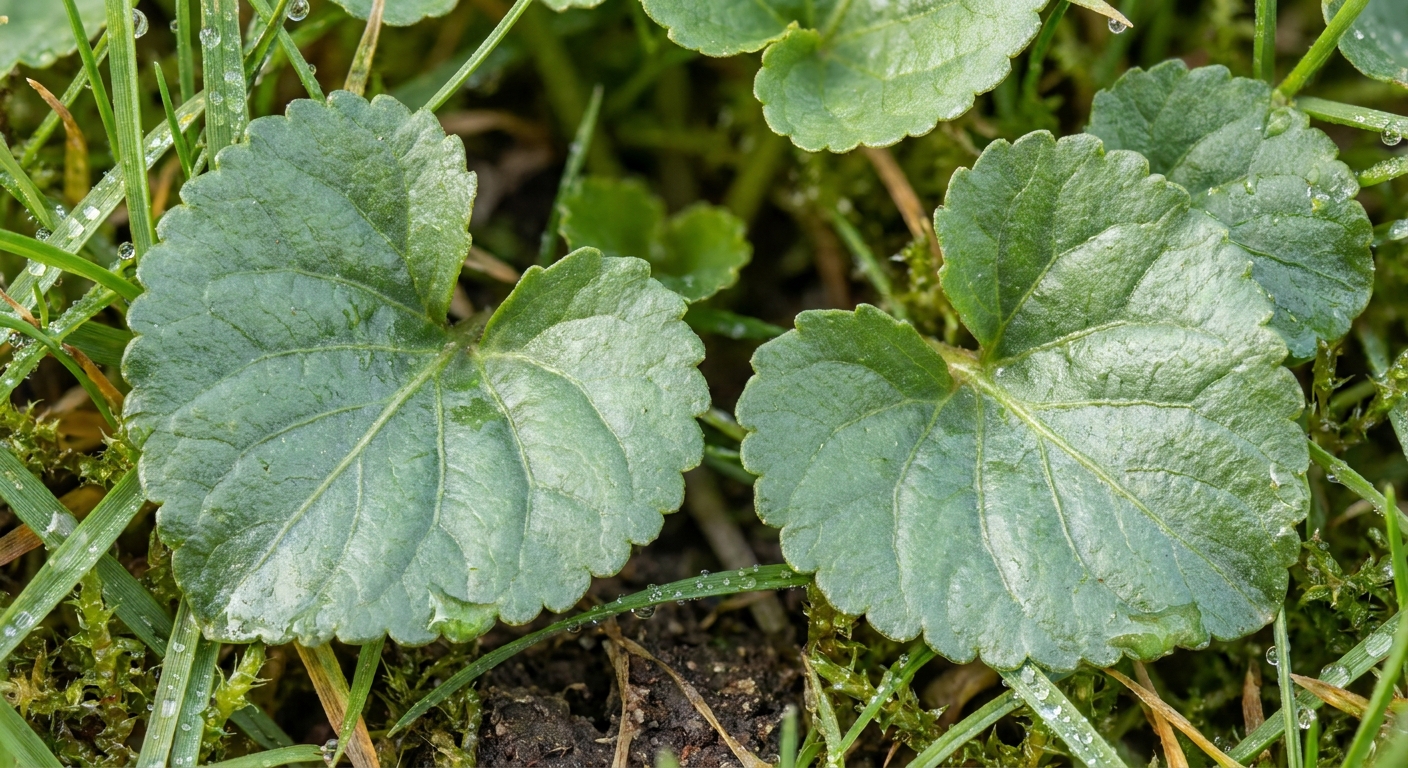
Make sure it’s wild violet
Before you spray anything, confirm the plant. A lot of “my lawn has creeping Charlie” photos I get from neighbors are actually wild violet. Treatment overlaps a little, but the best timing and product choice can change.
Wild violet quick ID
- Leaves: heart-shaped, often glossy or waxy, with gently scalloped edges. Leaves usually pop up on individual stems rather than forming a dense, creeping mat.
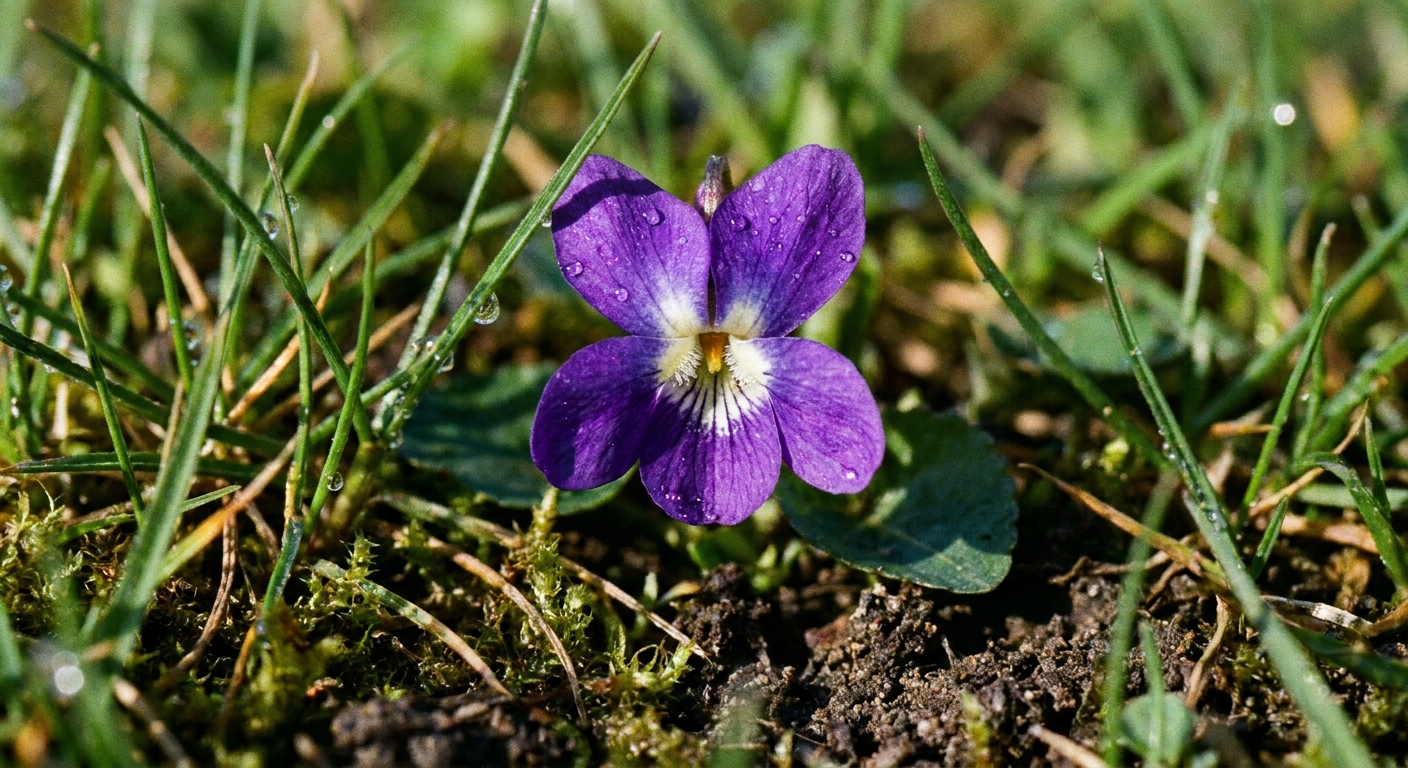
- Flowers: purple to violet (sometimes white), with five petals. Blooms often show up in spring.
- Growth habit: spreads by rhizomes (underground stems) and can also reseed. That underground spread is a big reason one-and-done sprays rarely work.
- Location: loves shade, thin turf, and compacted or moist soil.
Not sure what you have? Look for the flower first when it’s blooming. The purple flower plus the heart-shaped leaf is the giveaway.
Why common sprays miss them
Most off-the-shelf “3-way” lawn weed killers are a mix of ingredients like 2,4-D, mecoprop (often listed as MCPP or mecoprop-p), and dicamba. Those are great on many broadleaf weeds. Wild violet often shrugs them off for a few reasons:
- Waxy leaf surface: spray beads up and does not absorb well.
- Perennial roots and rhizomes: even if you burn the top, underground parts can re-sprout.
- Wrong timing: spraying when the plant is not moving carbohydrates down to the roots means less herbicide reaches the parts that matter.
This is also why “ground ivy” sprays sometimes disappoint on violets. Ground ivy (creeping Charlie) has a different leaf texture and growth habit. Many products marketed for it are optimized for that target, not for the tough, waxy violet leaf.
What works best: triclopyr
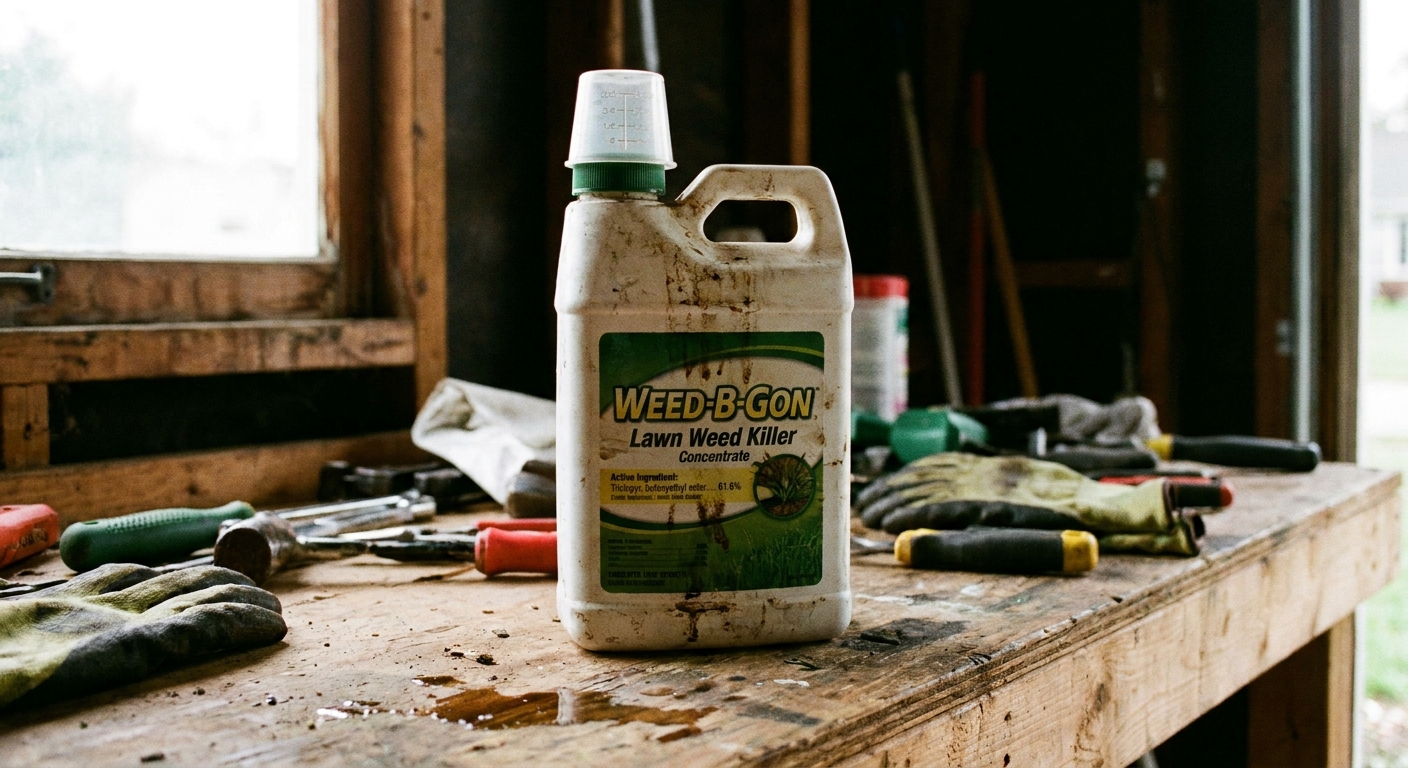
If I had to pick one active ingredient that consistently performs on wild violet in lawns, it’s triclopyr. You’ll see it in some ready-to-spray lawn products and many concentrate formulations intended for broadleaf weeds.
What to look for
- Active ingredient: triclopyr (often listed as triclopyr ester or triclopyr amine depending on the product).
- Site: labeled for lawns and your grass type (cool-season lawns like fescue/bluegrass/rye vs warm-season like bermuda/zoysia).
- Target weed: ideally the label actually lists wild violet. If it does, you’re in the right aisle.
Safety note: Triclopyr can injure desirable plants if it drifts. Avoid spraying on windy days, avoid overspray onto beds, and do not apply where runoff could carry product into ornamentals. Follow your label restrictions around trees, shrubs, and landscaped areas.
One more heads-up: If you have ornamental violets or violas in beds nearby, treat the lawn carefully so you do not accidentally hit the plants you actually want.
Best timing to spray
Timing is the difference between “it sort of wilted” and “it finally stayed gone.” For wild violets, you want to hit them when they are actively growing and most likely to move herbicide into the roots and rhizomes.
My preferred windows
- Fall: the best overall window in many cool-season regions. As temperatures cool, perennials start moving energy down into the root system for winter storage. Herbicide can ride along.
- Spring: a good second choice, especially after flowering when the plant is putting energy into leaf growth again.
Weather that helps
- Choose a day around 60 to 85°F if possible, unless your product label specifies otherwise.
- Avoid drought-stressed turf and weeds. Water the lawn a day or two before if it has been dry.
- No rain for the period specified on your label. Many products need several hours of dry time.
- Low wind. Drift is how lawn weed control turns into “oops, I spotted my shrubs.”
One mistake I made early on: spraying on a hot summer day because I finally had free time. The violets browned a bit, then came right back. Summer spot-spraying can work in mild weather, but it’s not my first choice for a deep, perennial weed like this.
How to apply it
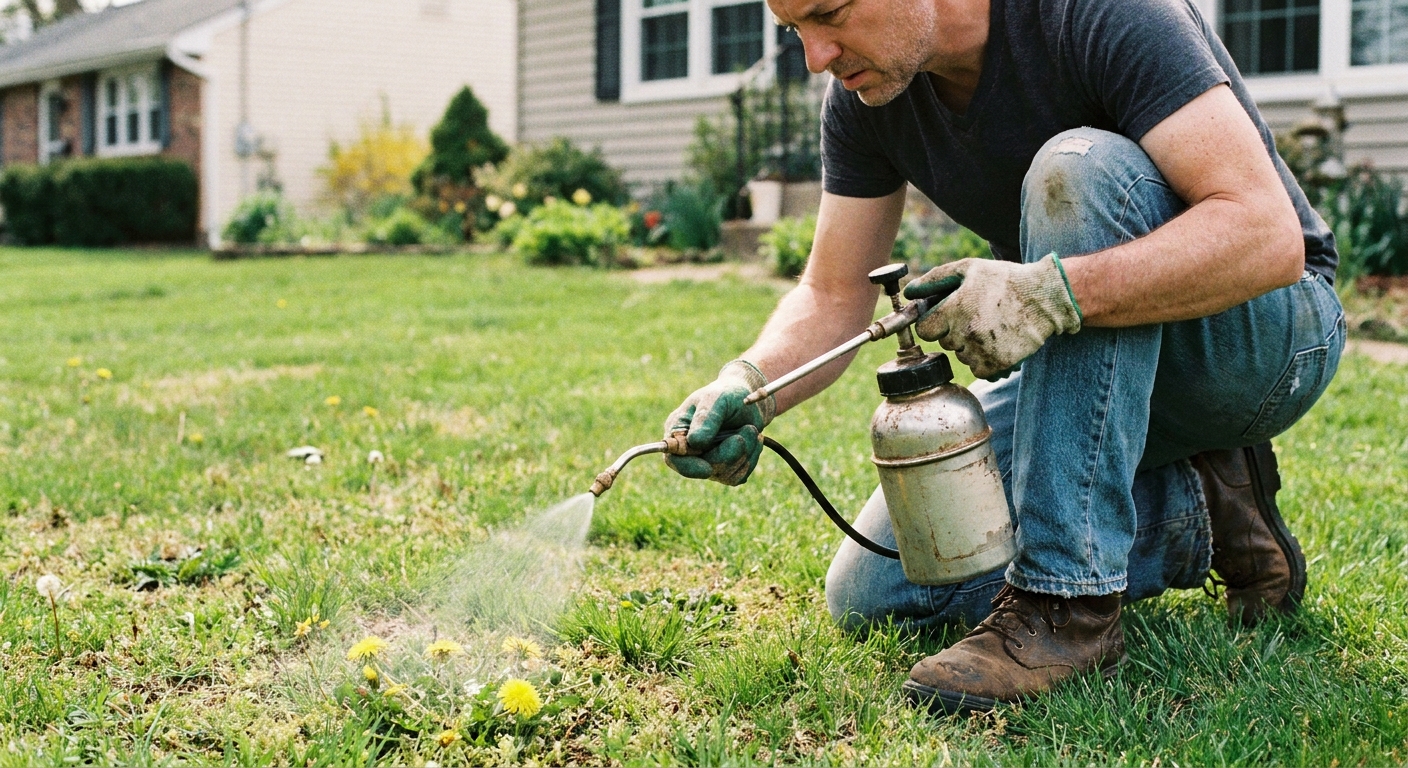
Whether you use a ready-to-spray hose-end bottle or a pump sprayer concentrate, your goal is the same: even coverage on the violet leaves without saturating the soil or letting the product run.
Spot treat vs blanket spray
- Spot treat if violets are scattered. This saves money and reduces turf stress.
- Blanket spray only if violets are widespread across a big area and the product label allows it.
Application tips that matter
- Mow first, but not immediately before: mow 2 to 3 days before spraying, then let the violets regrow some leaf area.
- Do not mow right after: wait at least 2 days after spraying, or whatever your label requires. You want leaf surface time for absorption.
- Use a surfactant only if the label allows: some concentrates recommend a non-ionic surfactant to help break the waxy barrier. If it’s not allowed, skip it.
- Spray to wet, not to runoff: leaves should look evenly damp, not dripping.
Warm-season lawn note: warm-season grasses and hot weather can be a touchier combo with some herbicides. If you are treating bermuda, zoysia, centipede, or St. Augustine, double-check the label for grass-type precautions and temperature limits before you spray.
Repeat treatments are normal
If wild violets have been in place for a while, expect to treat more than once. Rhizomes store energy and can send up new growth even after the first hit.
A realistic plan
- Round 1: spray during a good window (fall is ideal).
- Wait and watch: give it time. You might see twisting, yellowing, and slowed growth before full die-back.
- Round 2: re-treat any survivors at the interval on your label. Often this is around 10 to 21 days, but the label is boss.
- Round 3 (sometimes): for heavy patches, a third application in the same season or the following fall may be needed.
For me, the “aha” moment was accepting that wild violet control is a campaign, not a weekend errand. In tough, established patches, it can take more than one season to fully turn the corner.
Why they come back
If you kill the plant but keep the conditions it loves, it has a way of reappearing. Most lawns that struggle with wild violets are dealing with two big underlying issues.
1) Shade
Wild violets tolerate shade better than many turf grasses. Thin grass equals open real estate for violets.
- Raise mowing height: taller grass blades capture more light.
- Choose shade-tolerant grass seed: in cool-season areas, fine fescues often handle shade better than Kentucky bluegrass.
- Prune smart: thinning a tree canopy can help, but do it correctly. When in doubt, call an arborist rather than hacking limbs yourself.
2) Soil compaction
Compacted soil starves grass roots of air and water movement. Violets tolerate it. Grass usually does not.
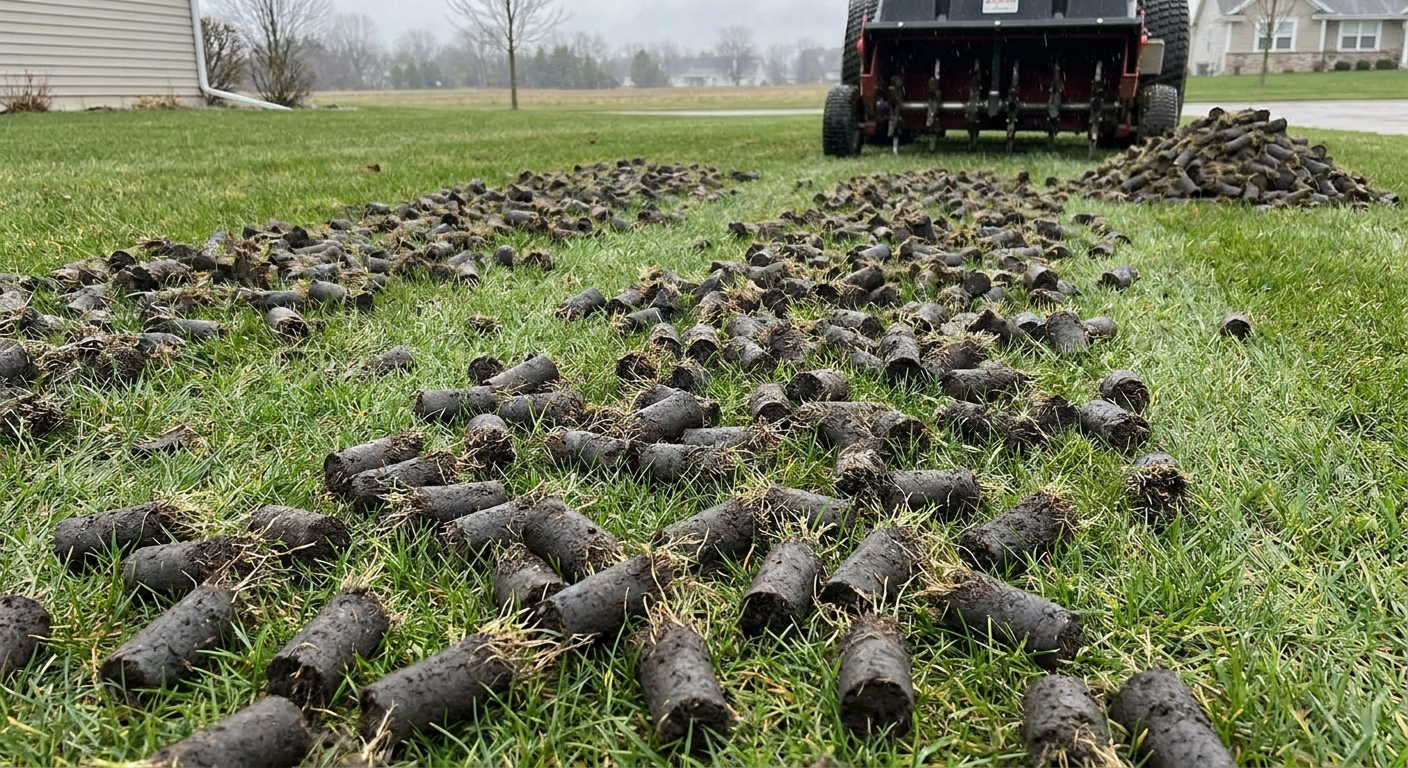
- Core aerate: pull plugs, do not just poke holes. Fall aeration paired with overseeding is a great one-two punch.
- Manage traffic: if a shady area is also a footpath, install stepping stones or a mulch path and let the grass live where it can.
- Topdress lightly with compost: a thin layer after aeration helps biology and improves soil structure over time.
Repair thin turf after treatment
Here’s the part a lot of weed guides skip. If violets die and you leave bare soil, nature fills it. Sometimes with more violets.
Your goal after control is to thicken the turf so the lawn outcompetes whatever tries to move back in.
Step 1: Rake out dead growth
Once the violets are clearly declining, gently rake out dead leaves and loosen the surface. You’re not tilling. You’re making seed-to-soil contact possible.
Step 2: Aerate if soil is hard
If the area feels hard, or water puddles, core aeration helps seed establish and reduces the “violet-friendly” conditions.
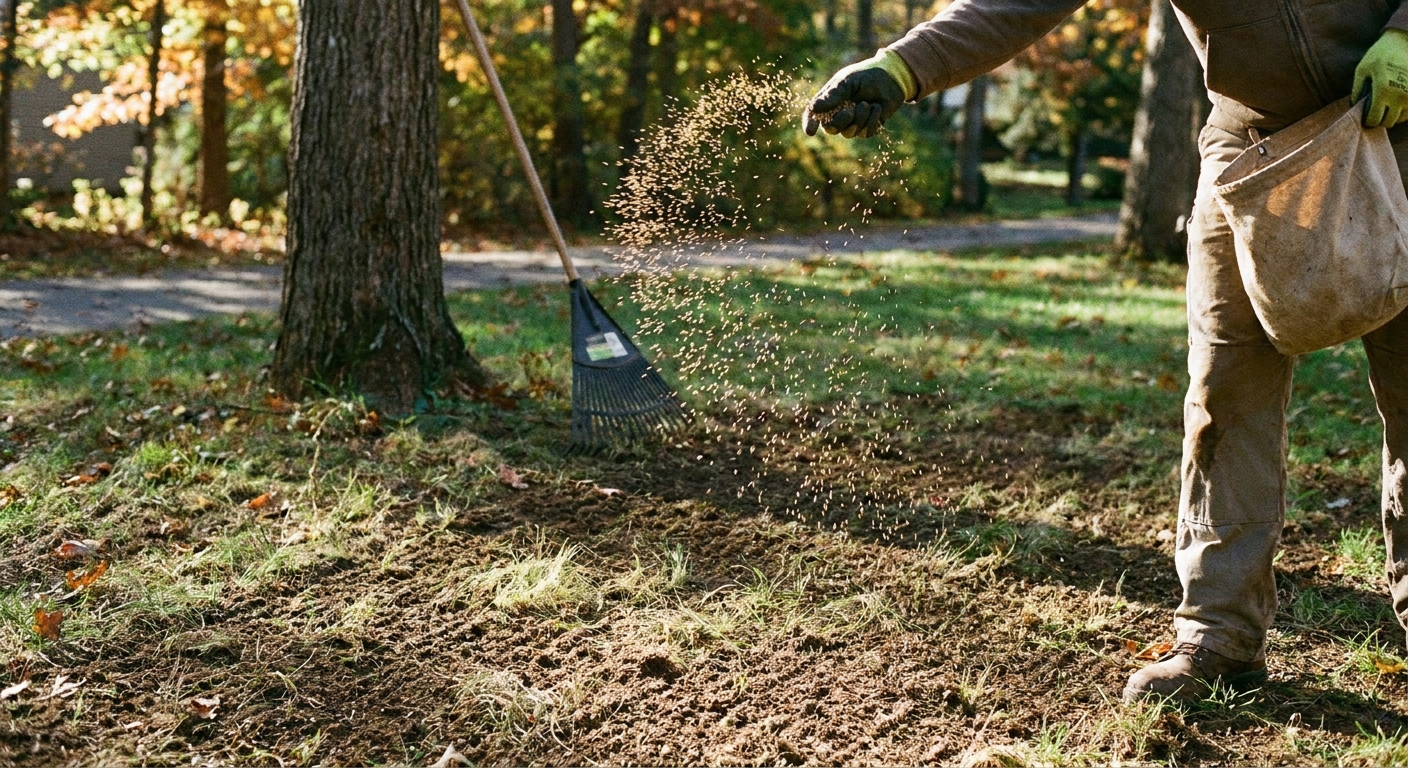
Step 3: Overseed or patch-seed
Pick a seed that matches your lawn type and sunlight levels. In shady trouble spots, I lean toward shade-tolerant blends rather than fighting physics.
- Scratch the surface with a rake.
- Spread seed at the recommended rate.
- Lightly topdress with compost or clean topsoil.
- Keep it consistently damp until germination, then taper watering to encourage deeper roots.
Step 4: Fertilize lightly
New grass appreciates nutrients, but too much fertilizer can stress seedlings or push weak growth. Follow your local best practices and product label rates.
Watch herbicide-to-seed timing
Many broadleaf herbicides require a waiting period before seeding or overseeding. That waiting period depends on the product and concentration. Read your label and plan your seeding window accordingly. If you seed too soon, you can reduce germination or injure baby grass.
Non-chemical options
I’m all for doing things the simpler way when it makes sense, but wild violet is one of those weeds where non-chemical methods are usually slower and more labor-heavy.
Hand pulling
It works only if you remove the rhizomes. If you just snap off leaves, you basically gave it a haircut.
- Water the area first so the soil is soft.
- Use a narrow weeding tool to pry under the crown.
- Pull slowly and try to remove as much root and rhizome as you can.
Smothering
Cardboard and mulch can suppress violets in beds, but it’s not practical in a lawn unless you’re willing to kill the turf and renovate that section.
Vinegar and “natural” sprays
These typically burn tops. They rarely eliminate the underground system, so regrowth is common.
FAQ
Will wild violets die on their own?
They can fade back in heat or drought, but the plant usually survives underground and returns when conditions improve.
How long does it take for triclopyr to work?
Expect a slower timeline than with easy weeds. You may see twisting or yellowing in 7 to 14 days, with continued decline over several weeks. Repeat applications are common.
Can I spray while they are flowering?
You can, but I typically get better results after flowering or in fall. Also, flowering plants attract pollinators. Even though this is a lawn weed, I avoid spraying when bees are active and always follow label precautions.
Why are wild violets always in the shade?
Shade weakens many turf grasses and keeps soil cooler and moister. Violets handle those conditions better, so they take the space.
The 30-Second Cheat Sheet
Essential takeaways for: How to Get Rid of Wild Violets in Your Lawn
How to identify wild violets
- Heart-shaped, glossy leaves with scalloped edges
- Purple, 5-petal flowers in spring
- Spreads by underground rhizomes, so it comes back if you only burn the top
Why typical weed sprays miss them
- Many “3-way” broadleaf sprays (2,4-D + mecoprop (MCPP/mecoprop-p) + dicamba) do not penetrate the waxy leaves well
- They often do not deliver a strong enough hit to the roots and rhizomes
What to use
- Choose a lawn-safe herbicide with triclopyr (bonus points if the label lists wild violet)
- Spot treat when possible to reduce turf stress
Best timing
- Fall is usually best in many cool-season regions (plants move energy down into roots)
- Spring after flowering is a solid second choice
Expect repeat treatments
- Plan for 2 applications, sometimes 3 for heavy patches
- Re-treat at the label interval (often 10 to 21 days)
Keep them from coming back
- Fix shade issues where you can and use shade-tolerant grass seed
- Reduce compaction with core aeration
Repair thin turf after treatment
- Rake out dead material
- Core aerate if soil is hard
- Overseed and keep soil evenly moist until germination
- Do not seed too soon after spraying, follow your herbicide label waiting period
💡 Tip: Scroll up to read the full article for detailed, step-by-step instructions.
⬆️ Back to top
About Grit
Content Creator @ Grit & Home
Grit is Grit & Home’s little blue clay courier, delivering big questions about the place you call home. Expect practical ideas, a raised eyebrow, and a satchel full of curiosity.