
🚨 In a DIY emergency or rush?
Skip the details and jump straight to our 30-second cheat sheet for the most crucial info.
The first winter we lived in our 1970s ranch, I thought I had water hammer. Every time the thermostat called for heat, I would get a sharp bang that echoed through the joists like someone whacked the pipe with a broom handle. I almost bought a water hammer arrestor on the spot.
Good thing I didn’t. When pipes bang only when hot water starts circulating, the culprit is usually something different: hot pipe expansion rubbing on wood, a loose hanger letting pipe jump, or a zone valve or circulator making a thud at startup. An arrestor is made for pressure shock when a faucet or appliance valve snaps shut, and that is a different noise with a different fix.
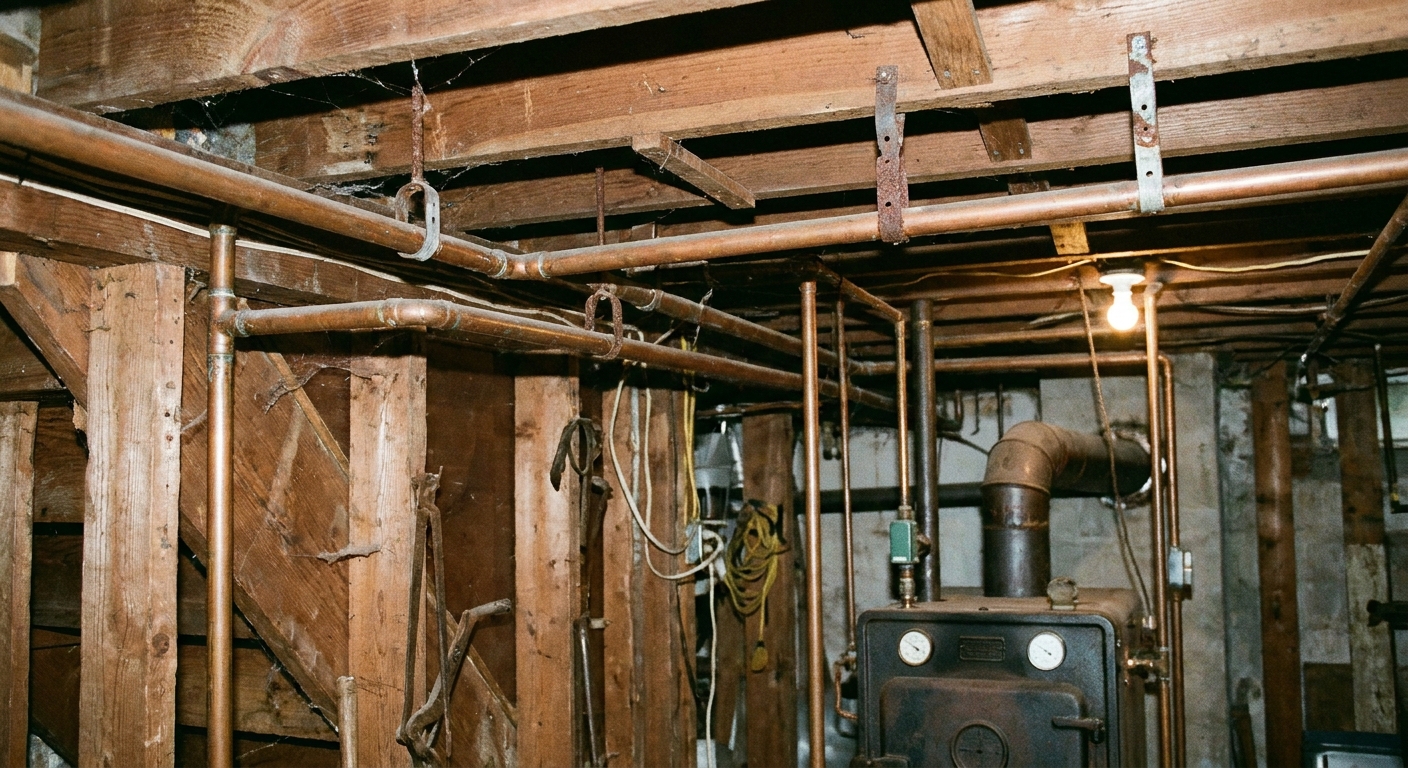
Quick check: startup bang or true hammer?
Before you start tightening things or adding parts, match the sound to the situation. This saves a lot of wasted effort.
Banging tied to the heat turning on
- Timing: Happens right as the system starts heating up, often within the first few minutes of a call for heat.
- Pattern: One bang or a short series of ticks, pops, or bangs as pipes warm and move.
- Most likely causes: Pipe expansion against framing, loose supports, zone valve thump, pump start thump, air in loop, or boiler noise.
Classic water hammer
- Timing: Happens when a valve closes fast, like a washing machine solenoid, dishwasher fill valve, ice maker valve, or a quick-shut faucet. Toilets can do it too, although a lot of toilet noise is actually fill-valve chatter, not true hammer.
- Pattern: A hard bang right at shutoff, sometimes followed by rattling.
- Most likely causes: High water pressure, missing air chambers, loose water supply lines, no arrestor at quick-closing valves.
If the bang only shows up with the heat cycle and not when you turn faucets on and off, treat it like a heating-system issue first.
Quick ID: steam or hot water?
If you are not sure what kind of heat you have, take two minutes to check. The fixes are not the same.
- Steam heat clues: a boiler with a sight glass, big black iron pipes, radiators (not baseboards), and usually one pipe into each radiator. Steam systems often hiss from radiator air vents.
- Hot-water (hydronic) clues: copper or PEX loops, baseboard convectors are common, and radiators often have two pipes (supply and return). You may have a pressure gauge and an expansion tank near the boiler piping.
- If you have steam: do not start bleeding radiators like a hot-water system. Steam noise has its own playbook (pitch, vents, and water level), and a pro is often the fastest route.
Safety first: DIY vs. call a pro
You can do a lot of quieting work without opening combustion equipment or messing with gas, oil, or control wiring.
- Safe DIY: inspecting and securing accessible piping, adding cushioning where pipes pass through wood, replacing or adding hangers, bleeding air from radiators where applicable, checking loose baseboard covers.
- Call a pro: any fuel smell, carbon monoxide alarm, visible leaks at the boiler, relief valve discharge, persistent loud banging from inside the boiler, or you are unsure whether your system is steam or hot-water hydronic.
Cause 1: Pipe expansion rubbing wood
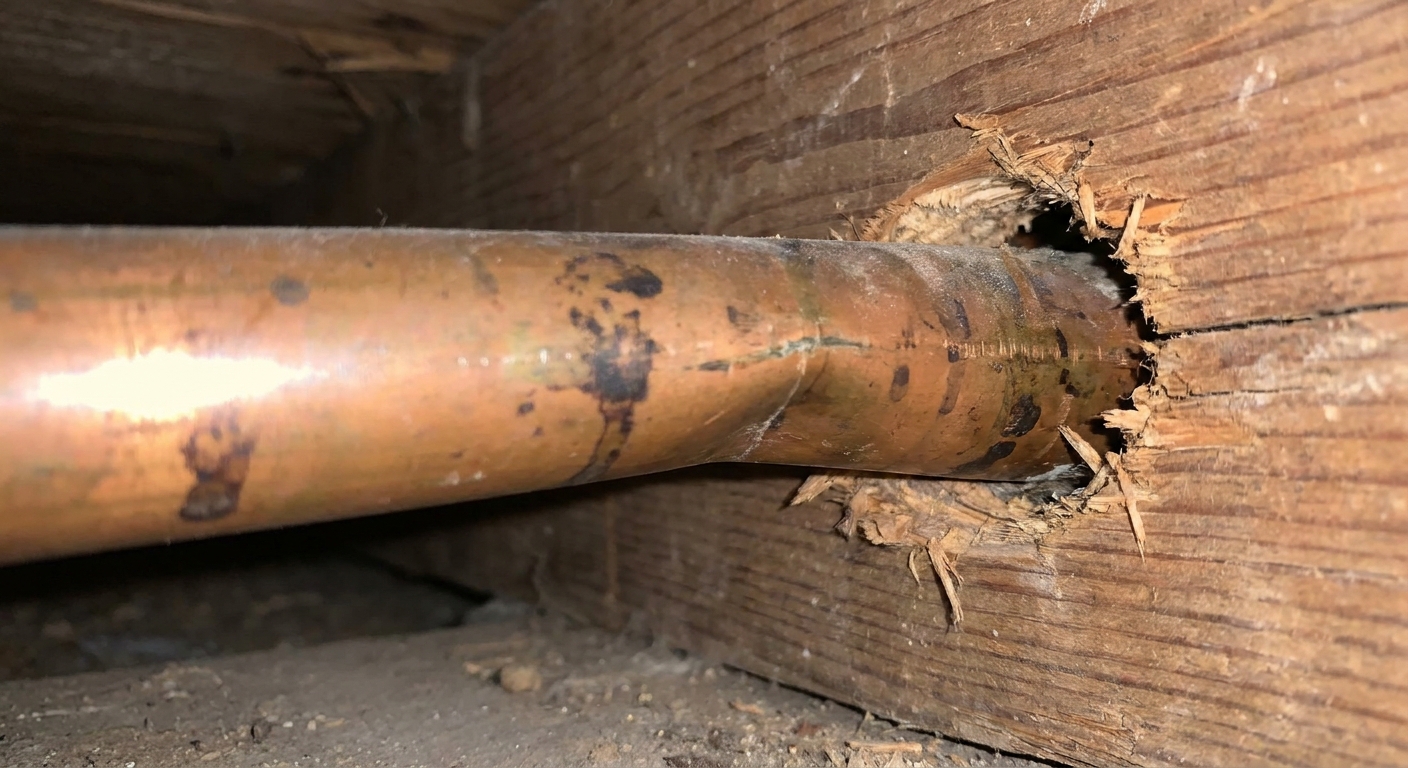
This is the most common one I see in older homes. Copper, PEX, and steel all expand when heated. If the pipe is tight in a drilled hole, pressed against a joist, or trapped under a strap, it will stick and then release with a snap. That snap is the bang.
How to confirm it
- Find where the sound seems loudest: basement ceiling, wall behind baseboard, or near a radiator runout.
- Have someone turn the thermostat up a few degrees while you listen with a hand on the pipe (careful, it can get hot).
- Look for tight penetrations where pipe passes through wood, especially at joists, studs, and top plates.
Fixes that work
- Create a little clearance: If the pipe is pinched in a hole, carefully enlarge the hole enough that the pipe is not grabbing the wood. Use the right tool for the access you have, and avoid nicking the pipe.
- Add a sleeve or isolator: Where pipes pass through framing, add plastic pipe isolators, a short sleeve, or a bushing so the pipe slides quietly instead of rubbing wood.
- Cushion contact points: Use foam pipe insulation in spots where the pipe is close to wood. Do not pack it so tight that it creates a new bind.
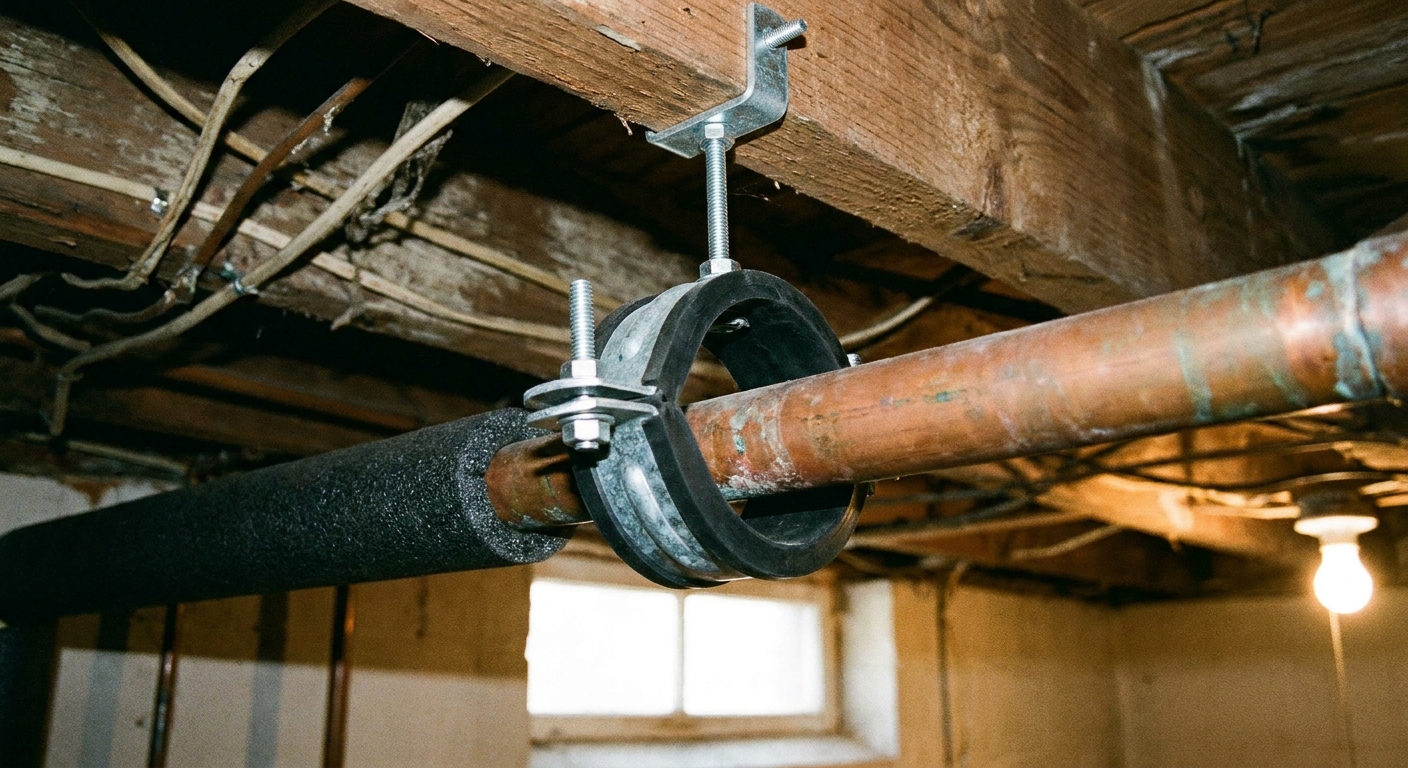
- Avoid fixes that trap the pipe: Tight metal straps directly on copper can amplify noise. Use cushioned clamps or approved isolating hangers.
My thrifty rule: do one section at a time. If you start stuffing foam everywhere, you can accidentally create new friction points and chase the noise around the house.
Cause 2: Loose hanger or support
When the circulator pump kicks on, flow begins and the pipe can jolt if it is not supported well. Combine that with thermal expansion and you get a sharp knock.
What to look for
- Hangers spaced too far apart, especially on horizontal runs.
- Old straps that are loose, bent, or missing screws.
- Pipes resting on wood edges or nails.
- Baseboard piping that can move and tap the enclosure.
Fixes that work
- Tighten or replace hangers: Use cushioned hangers sized for the pipe. The goal is support without pinching.
- Add a hanger near elbows and tees: Direction changes are where movement loves to show up.
- Secure baseboard covers: Sometimes the noise is the pipe tapping the thin metal enclosure. Make sure end caps and covers are seated and not vibrating.
- Know the harmless noise: Baseboard covers and fins can also tick as they heat up (a little oil-can pop). That is annoying but not usually the same as one loud bang from a pipe binding.
Cause 3: Zone valve thump
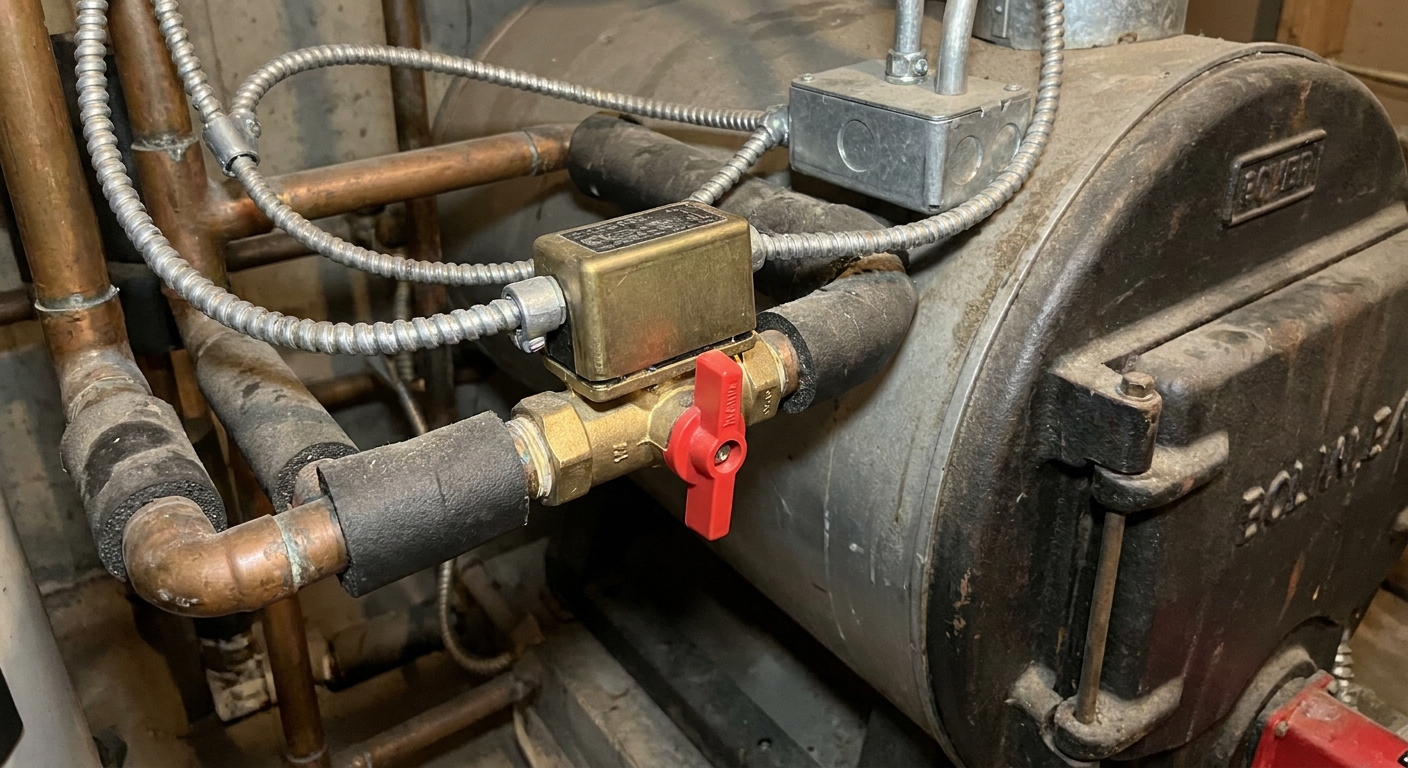
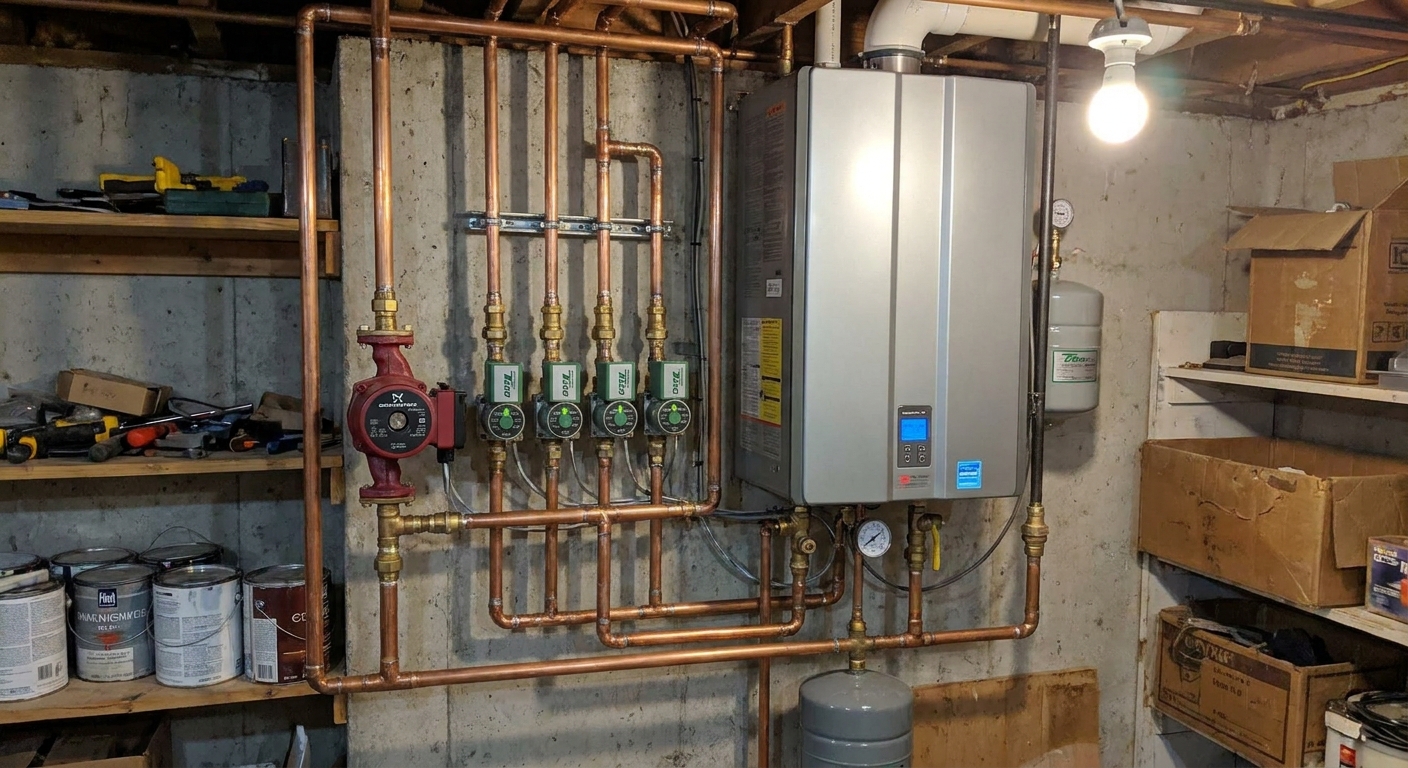
If you have multiple heating zones, that bang may line up with a zone valve opening or closing. Motorized zone valves can make a noticeable thud, and the sudden change in flow can bump nearby piping if it is not secured.
Clues it is a zone valve
- The bang happens at the boiler area, not out in a particular room.
- You hear a small motor sound and then a thump.
- It is tied to one zone calling, not every heating cycle.
DIY steps to reduce it
- Support piping right at the valve: Add a hanger within a short distance so the valve action does not shake a long run.
- Check for a sticking manual lever or loose mounting: Some valves have a manual lever that can rattle if it is loose.
- Do not overtighten fittings: If you are not experienced with hydronic piping, do not start cranking on valve connections. A small weep can turn into a real leak fast.
If the valve is truly slamming or chattering, that is a good time for an HVAC tech. Worn valve heads, incorrect wiring, or control issues can cause repeated opening and closing that sounds like banging.
Cause 4: Air in the loop
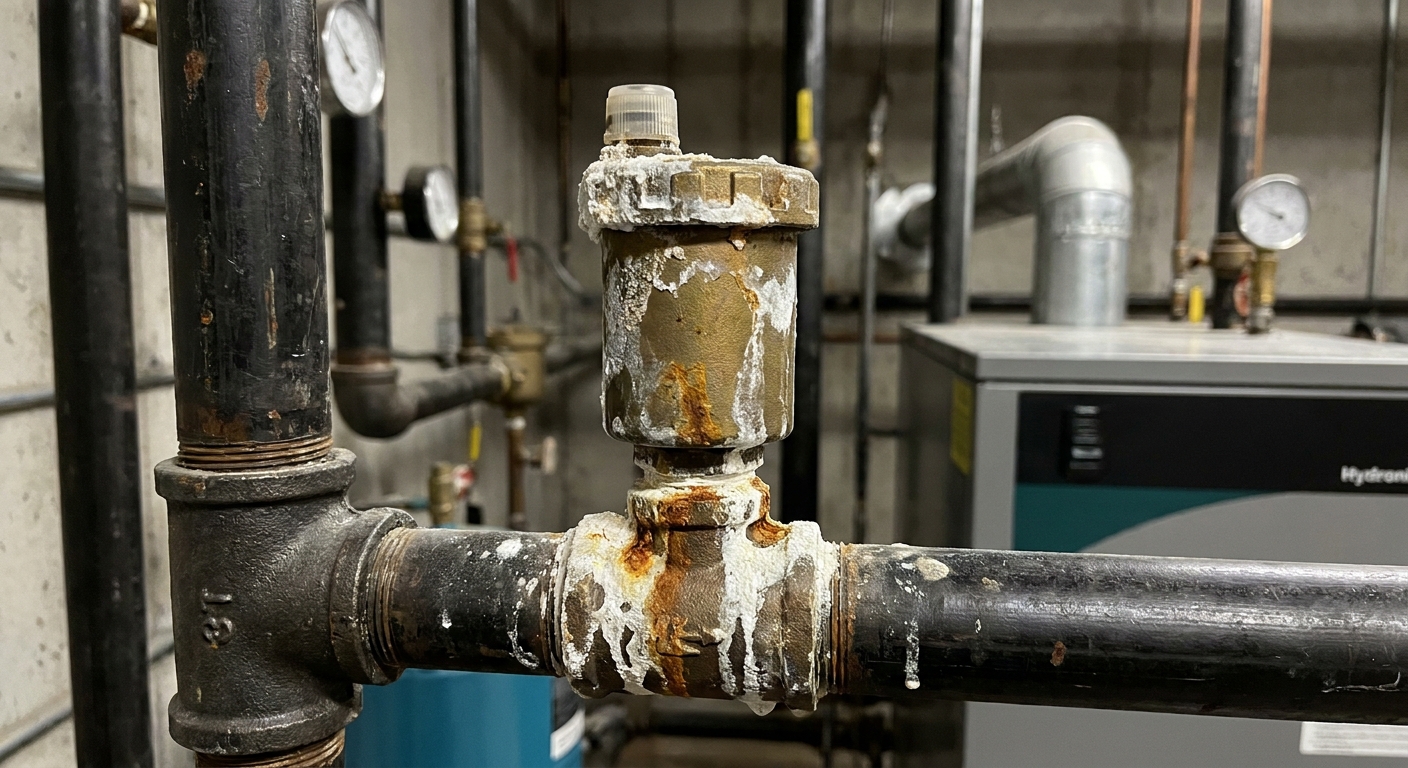
Air trapped in a hydronic system can make a range of noises: gurgling, tinkling, and sometimes knocking as bubbles move through fittings and elbows. It can also make one baseboard run cold while others are hot.
Signs you have air
- Noises sound more like bubbling or sloshing than a single sharp bang.
- Heat is uneven across zones or radiators.
- You recently drained or serviced the system, or had a leak repaired.
What you can do
- Bleed radiators if your system has manual radiator bleed valves.
- Check automatic air vents near the boiler for signs of leaking or crusty mineral buildup.
- Use built-in purge points only if you understand your system layout. Purging can involve valves and hoses and can create a mess or introduce more air if done wrong.
Cause 5: Flow and velocity issues
This is not the first thing I chase, but it is worth mentioning because it gets blamed on “pressure” a lot. If flow is too fast, or a valve is only half-open, you can get thuds, rushing, and occasional knocking at elbows, zone valves, and near the circulator.
Quick checks
- Make sure valves are fully open: look for partially closed isolation valves near the boiler piping or on a problem zone.
- Listen for rushing water: a strong whoosh in baseboards can point to high velocity, not expansion.
- If the circulator was recently replaced: an oversized pump (or wrong speed setting) can make a previously quiet system noisy.
At that point, I usually involve a pro. Changing pump size, balancing flow, or adjusting controls is more “system tuning” than basic DIY, and a bad guess can create comfort problems or worse noise.
When an arrestor will not help
Arrestors are great at absorbing a pressure shock wave in a domestic water line. They are not a cure-all for heating noises.
- If the bang happens when the thermostat calls for heat, an arrestor on your sink supply lines will do nothing.
- If the noise is pipe expansion rubbing wood, the fix is clearance and isolation, not a shock absorber.
- If the noise is a zone valve or pump thump, the fix is support, component diagnosis, or adjustment, not an arrestor.
- If the noise is inside the boiler, you need to address the boiler condition, not add plumbing accessories.
If you hear banging when a washing machine shuts off, that is the right moment to think about arrestors. If you only hear it when the heat starts moving hot water, stay focused on the heating side.
What if the bang is the boiler?
This is the big fork in the road. A bang that comes from the boiler jacket itself, especially if it is loud, deep, or accompanied by rumbling, can point to boiler-specific issues.
Common boiler noises
- Kettling: a rumbling or banging caused by localized boiling due to scale buildup or restricted flow in a heat exchanger.
- Delayed ignition or burner issues: can cause a whoomp or bang at startup on fuel-burning equipment.
- Circulator problems: a failing pump can growl, rattle, or knock.
- Overpressure or feed issues: less common, but if an auto-feed or pressure-reducing valve is malfunctioning, system pressure can drift high and create symptoms people describe as “pressure banging.”
When to stop and call
- Banging is loud and clearly from inside the boiler, not along a pipe run.
- You notice soot, scorching, a fuel smell, or exhaust issues.
- Relief valve is dripping, pressure is abnormal, or you see signs of overheating.
I am all for DIY, but boiler combustion and safety controls are not where you learn by trial and error.
Track the noise step by step
If you want a simple process, this is how I would do it on a Saturday morning with a cup of coffee and a notepad.
- Recreate the noise: Turn the thermostat up a few degrees and wait for the system to start.
- Find the loudest location: Basement ceiling under the room, near baseboards, or at the boiler piping (near the circulator or zone valves).
- Identify the sound type: snap or bang (expansion or movement), motor then thunk (zone valve), gurgle (air), rumble from boiler (kettling or burner).
- Inspect supports and penetrations: Look for tight holes, wood contact, and missing hangers.
- Fix one thing and retest: Add one hanger or isolate one contact point, then run another heat call.
That last step is key. Quieting heating pipes is often a game of reducing friction points, and you want to know which change actually helped.
FAQ
Why do my pipes bang only at the beginning of a heating cycle?
That is a classic pattern for thermal expansion. The pipe heats up, grows slightly, sticks against wood or a tight strap, then releases with a bang. Once everything is warmed and settled, the noise often fades.
Is banging pipes dangerous?
Occasional expansion ticks usually are not dangerous, but loud banging can stress fittings over time, especially if pipes are moving. If you see any sign of leaking or the noise is coming from inside the boiler, treat it as urgent.
Can high pressure cause banging when the heat turns on?
High domestic water pressure causes classic water hammer when valves close fast. It rarely causes banging that only happens when a hydronic heating system starts circulating. One exception: if your hydronic system is overpressurizing because of a malfunctioning auto-feed or pressure-reducing valve, or if flow velocity is excessively high, you can get noise that feels pressure-related.
My baseboards make a pinging or ticking noise. Is that normal?
Some light ticking can be normal as metal expands. Loud, sharp bangs are usually a sign the pipe is binding somewhere or tapping the enclosure. Adding clearance and better support typically reduces it.
The 30-Second Cheat Sheet
Essential takeaways for: Pipes Bang When the Heat Turns On? Causes and Fixes
Most common reason
If pipes bang only when the heat turns on, it is usually pipe expansion rubbing on wood or a loose support letting the pipe jump as hot water starts circulating.
How to tell what you have
- Bang at heat startup: expansion, loose hangers, zone valve, air in loop, pump start thump, or boiler noise.
- Bang when a faucet or washer shuts off: classic water hammer.
Fast DIY fixes
- Check tight wood penetrations: pipes through joists and studs should have a little clearance or a plastic isolator.
- Add or replace supports: use cushioned hangers and support near elbows and tees.
- Quiet baseboards: make sure metal covers are seated and pipes are not tapping the enclosure.
What will not help
A water hammer arrestor usually will not fix banging that happens when the heat turns on. Arrestors are for pressure shock when a valve closes fast (washer, dishwasher, faucet).
When the noise is the boiler, not the pipes
- Rumbling or banging from inside the boiler: possible kettling, burner, or circulation issues.
- Stop and call a pro if the sound is loud, you smell fuel, see soot, notice leaks, or the relief valve is discharging.
💡 Tip: Scroll up to read the full article for detailed, step-by-step instructions.
⬆️ Back to top
About Grit
Content Creator @ Grit & Home
Grit is Grit & Home’s little blue clay courier, delivering big questions about the place you call home. Expect practical ideas, a raised eyebrow, and a satchel full of curiosity.