
🚨 In a DIY emergency or rush?
Skip the details and jump straight to our 30-second cheat sheet for the most crucial info.
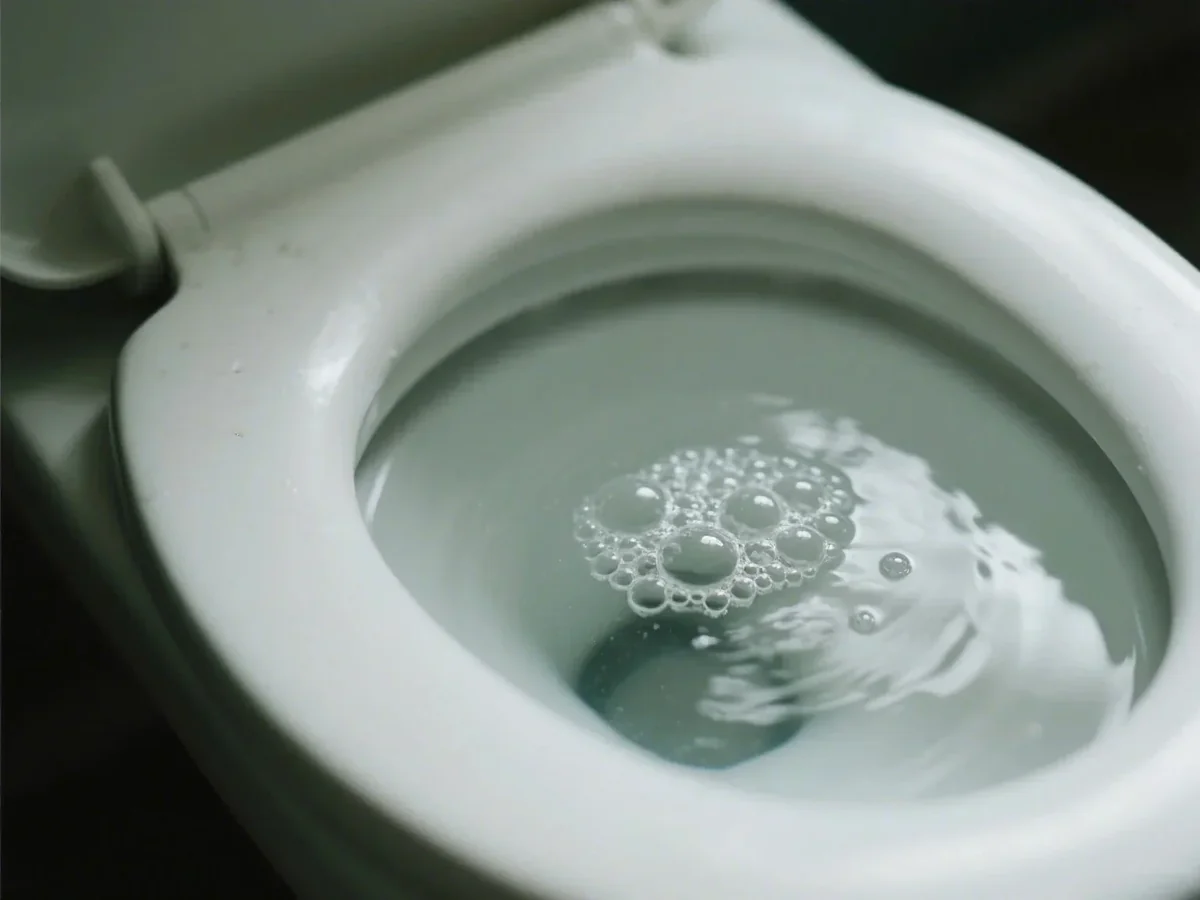
Bubbles or a little foam in the toilet bowl after you urinate can look alarming, especially if it shows up out of nowhere. Most of the time, it is not a plumbing emergency and it is not a sign your toilet is “doing something weird” on its own. It is usually a simple combo of chemistry (cleaners), water conditions, and how the toilet refills and flushes.
Let’s walk through the most common, harmless causes first, then the plumbing red flags, and finally the health situations worth mentioning to a doctor.
Common, harmless reasons you see foam or bubbles
1) Toilet bowl cleaner residue (the most common one)
If you use gel cleaners, drop-in tablets, “blue water” products, or anything that claims it keeps cleaning between flushes, a little foaming is normal. Urine plus surfactants (soap-like cleaners) can create a light foam, especially if the bowl was recently cleaned.
- Clue: The bubbles look fine and soapy, often white, and are more likely after cleaning.
- Quick test: Flush twice and see if the foam disappears. If it comes back mainly after the next cleaning, that is your answer.
2) Soap or shampoo in the bowl
If someone dumped mop water, cleaned the bathroom with sudsy water, or a child used the toilet during bath time, leftover soap film can foam up when urine hits the water.
- Clue: Foam appears even without flushing and may linger on the surface like dish soap bubbles.
3) Aerated refill water (tiny bubbles from the fill valve)
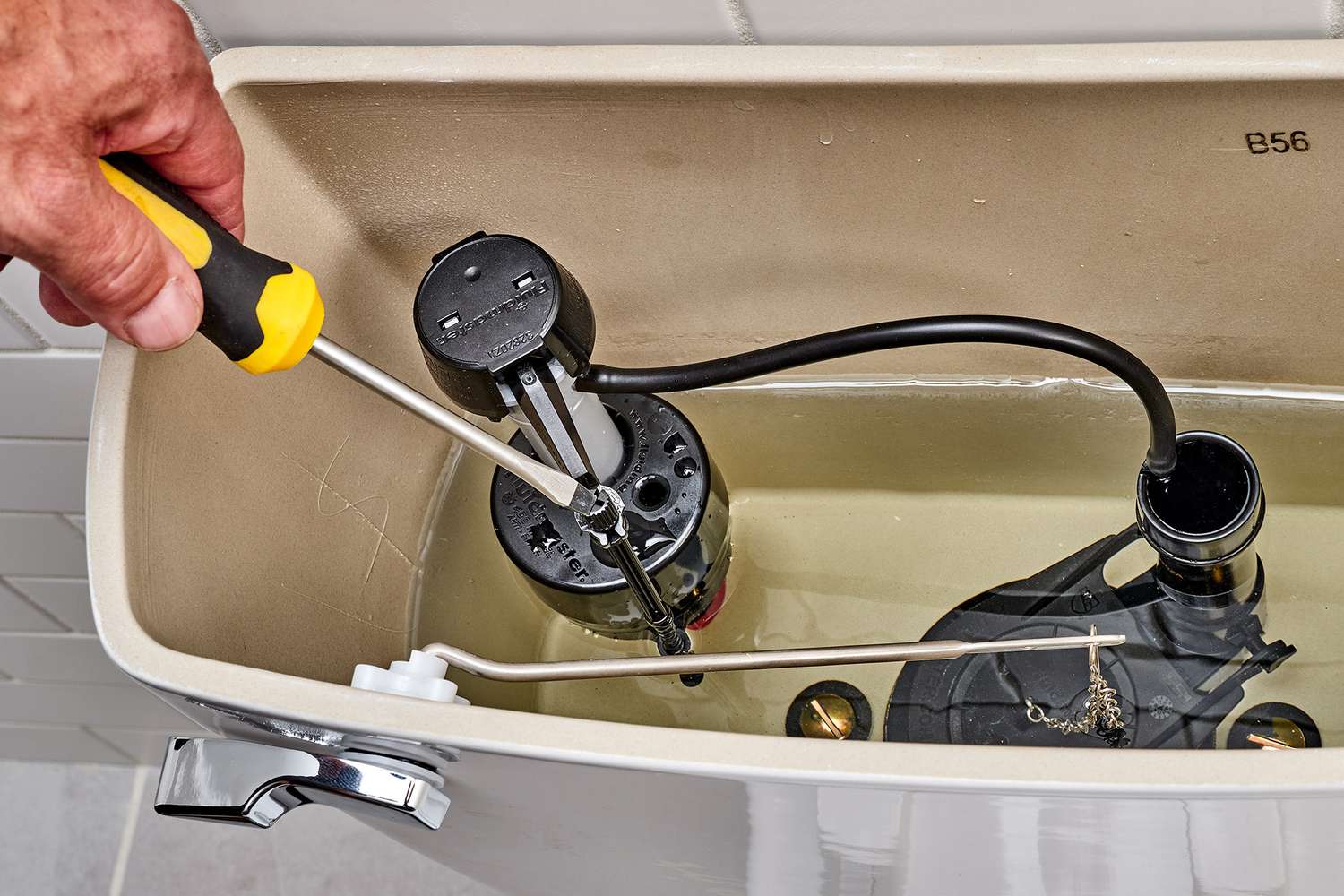
Sometimes the tank refills with water that is full of tiny air bubbles. That can happen if the fill valve is a little noisy, if your supply pressure is high, or if work was done on the street and air got into the water lines. Those microbubbles can collect in the bowl and look like “urine bubbles,” even though they are really just aerated water.
- Clue: You see bubbles in the bowl even when nobody has used the toilet, especially right after a flush.
- Quick test: Fill a clear glass from the bathroom faucet. If it looks cloudy at first but clears from bottom to top within a minute, that is air in the water, not dirt.
4) A strong, turbulent flush
Some toilets are just aggressive. If your toilet has a powerful siphon jet or a newer high-efficiency design, the flush can whip a little air into whatever is in the bowl. Add any cleaner residue and you get foam.
- Clue: Bubbles show up mostly right after flushing, not necessarily right after urinating.
5) Recent plumbing work or a water shutdown
After a repair, water heater flush, line replacement, or even a brief neighborhood shutdown, air can burp through the system for a day or two. Toilets can show it as random bubbles during refill or as a slightly “spitty” flush.
- Clue: Other fixtures may sputter briefly, especially the first time you run them.
Quick checks you can do in 10 minutes
Step 1: Rule out cleaning products
- Flush once.
- Use the toilet without adding any cleaners.
- If you use drop-in tablets or a clip-on cleaner, remove it for a few days and see if the bubbles stop.
Also check for sneaky sources: automatic toilet cleaners, “scrubbing bubbles” style sprays, or leftover bathroom cleaner that got into the bowl. (Bleach usually does not foam much, but many sprays and gels do, and mixed products can leave surfactant residue.)
Step 2: Check the water for trapped air
- Run a cold faucet for 30 to 60 seconds.
- Fill a clear glass and watch it.
- If it clears from the bottom up, you are seeing air bubbles.
If your water is consistently cloudy and does not clear, call your water provider or a plumber to discuss sediment, filtration, or other water quality issues.
Step 3: Watch the flush behavior
Do a normal flush and pay attention to three things:
- Does the bowl drain slowly?
- Do you hear gurgling from the bowl or nearby drain?
- Does the water level end up lower or higher than normal?
Those clues matter because bubbling that comes with gurgling or slow draining is often a venting or partial clog issue, not urine chemistry.
Step 4: Check for random refills
If you notice bubbles when nobody has used the toilet, listen for the tank to refill on its own. A slow flapper leak can trigger periodic refills, which can stir up the bowl and make bubbles look “random.”
Quick check: Add a few drops of food coloring to the tank (not the bowl) and wait 15 minutes without flushing. If color shows up in the bowl, the flapper is leaking.
When bubbles point to a plumbing problem
If your toilet bubbles and you notice any of the symptoms below, you are likely dealing with air being pulled through the drain system. That can happen from a partial clog, a vent issue, or a developing sewer line problem.
Red flags
- Gurgling sounds from the toilet, tub, or sink when another fixture drains
- Bubbles that appear when you run a sink or when the washing machine drains
- Slow draining or repeated near-clogs
- Water level that rises and falls unpredictably
- Any backup in a tub, shower, or floor drain
- Sewer smell in the bathroom
What is usually happening
- Partial clog: A restriction in the toilet trap, branch line, or main line can cause air to burp back through the closest opening, which is often the toilet bowl.
- Blocked vent stack: Your plumbing vents let air in so drains flow smoothly. If a vent is blocked (leaves, a bird nest, snow in some climates), the system can try to pull air through the toilet trap instead.
- Main sewer issue: If multiple fixtures are acting up, the problem might be further downstream.
- Septic systems: If you are on septic and you have gurgling plus slow drains (especially in multiple fixtures), it can also point to a full tank, a blocked outlet baffle, or a drain field issue. Do not wait for a backup.
My neighborly advice: If you have bubbling plus slow drains or gurgling, skip the chemical drain cleaners. They can damage older pipes and they make a professional snake or camera inspection harder and more hazardous.
What you can safely try
- Plunge correctly: Use a flange plunger, get a good seal, and do 15 to 20 strong pumps. (Most people do short, gentle bounces, which does almost nothing.)
- Hot water and dish soap (for minor toilet clogs only): Add a small squirt of dish soap, then carefully pour a bucket of hot but not near-boiling water. Do it slowly and stop if the bowl is rising. This is mainly for soft clogs in or near the trap, not a serious blockage further down the line.
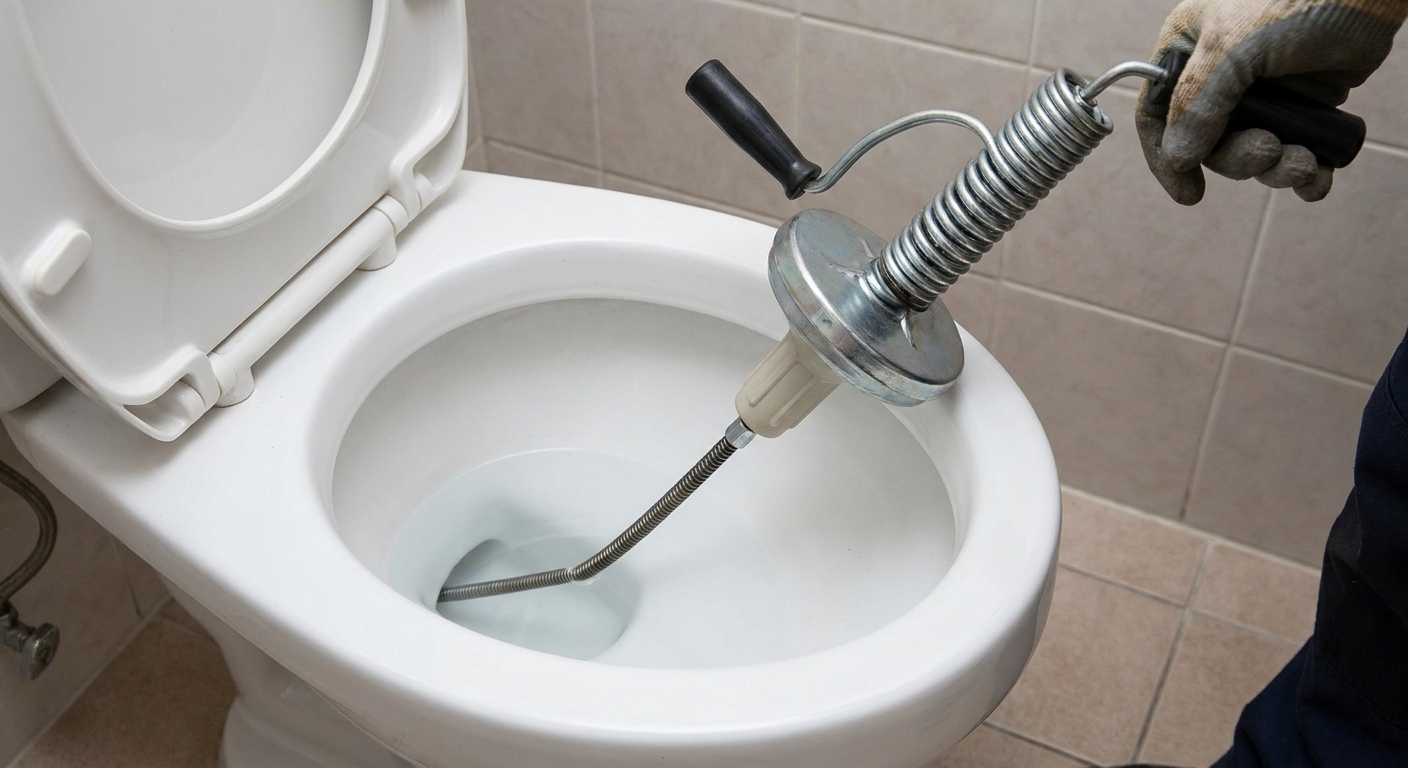
- Toilet auger: If plunging fails, a closet auger is the next step and is safer than chemicals.
When bubbling might be a health clue
Most “urine bubbles in the toilet” cases are household causes, especially cleaners and agitation. That said, there are a couple of situations where persistent foam can be a nudge to pay attention to your body.
Common body-related reasons
- Concentrated urine: If you are dehydrated, urine can be darker and more concentrated, and it can create more bubbles.
- Fast or forceful stream: More agitation equals more bubbles.
- Not you at all: Toilet cleaners or soapy residue can make normal urine look foamy, so it is worth ruling those out before you assume it is medical.
When to talk to a doctor
If you consistently notice very foamy urine (not just a few bubbles, but a persistent foam layer) and it is new for you, it is reasonable to bring it up at your next appointment. In some cases, persistently foamy urine can be associated with protein in the urine or other issues that a simple urine test can screen for.
Call a clinician sooner if foamy urine comes with any of these:
- Swelling in feet, ankles, hands, or around the eyes
- High blood pressure readings
- Fatigue that feels unusual for you
- Back or side pain, fever, burning with urination, or frequent urgency
- Blood in urine or very dark urine that does not improve with hydration
I am a DIY guy, not a medical professional, so I treat this like smoke from under a door. One whiff could be nothing. A steady plume means you should check what is going on. And if you are worried, it is always okay to ask.
Simple fixes based on what you find
If it is cleaner related
- Switch to a non-foaming bowl cleaner or use less product.
- Avoid mixing cleaners.
- Rinse the bowl well after cleaning: flush and swish with a dedicated toilet brush and clean water.
If it is aerated water
- It often resolves on its own within 24 to 72 hours after a shutdown or plumbing work.
- If your fill valve is loud or hissing, consider replacing it. They are inexpensive and usually a 20-minute swap.
If flush turbulence seems high
- Make sure the tank water level is set to the manufacturer’s mark. Too high can sometimes increase agitation in the bowl.
- Check that the refill tube is clipped properly into the overflow pipe and not shoved down inside it.
If you suspect a drain or vent issue
- Try plunging and, if needed, a toilet auger.
- If multiple drains gurgle or you get backups, call a plumber for a main line or vent evaluation.
When to call a plumber right away
Make the call if you see any of the following:
- Bubbling plus water backing up into a shower or tub
- Repeated clogs that return within days
- Gurgling in multiple fixtures (especially after running the washing machine)
- Sewer odors that persist
- You are on a septic system and multiple drains are acting slow or gurgly
A plumber can snake the line, check the venting, and if needed run a camera. That beats guessing, especially when a main line is involved.
FAQ
Is it normal to see bubbles right after peeing?
Occasional bubbles are normal, especially if you recently cleaned the toilet, have aerated refill water, or the stream hits the water with force. Persistent foam that does not rinse away with a flush deserves a closer look.
Why does it foam more after I scrub the bowl?
Cleaner residue plus agitation equals foam. Even products that do not look sudsy can contain surfactants.
Can hard water cause bubbles?
Hard water usually leaves mineral scale, not foam. But hard water can make some cleaners behave differently and leave more residue, which can contribute to foaming.
If the toilet bubbles when the sink drains, what does that mean?
That is a classic sign of a venting issue or a partial blockage in the shared drain line. If it is frequent or you have slow drainage, it is time to troubleshoot the drain or call a plumber.
The 30-Second Cheat Sheet
Essential takeaways for: Urine Bubbles in the Toilet Bowl
Most likely causes (usually harmless)
- Cleaner residue: Gel cleaners, drop-in tablets, and clip-on cleaners can foam when urine hits the water.
- Aerated refill water: Tiny air bubbles in the water after a shutdown or plumbing work can collect in the bowl.
- Turbulent flush: Some toilets whip air into the bowl water, especially with any surfactant residue present.
Fast checks
- Flush twice: If foam disappears and stays gone, it was likely residue.
- Remove drop-in/clip-on cleaners for a few days: If bubbles stop, you found the culprit.
- Glass test for air: Fill a clear glass from the faucet. Cloudy water that clears bottom-to-top in a minute is trapped air.
- Listen for gurgling: Bubbling plus gurgling or slow drains points to a drain or vent problem.
When to call a plumber
- Bubbling plus gurgling in multiple fixtures
- Slow drains, repeated clogs, or any backup (tub, shower, floor drain)
- Sewer odors
When to mention it to a doctor
- Persistent foamy urine that is new for you, especially if it leaves a thick foam layer (and you have ruled out cleaners)
- Foam plus swelling, high blood pressure, fatigue, pain, burning, fever, or blood in urine
What to do first
- Skip chemical drain cleaners if you suspect a clog.
- Try a flange plunger, then a toilet auger if needed.
💡 Tip: Scroll up to read the full article for detailed, step-by-step instructions.
⬆️ Back to top
About Marcus Vance
Content Creator @ Grit & Home
Marcus Vance is a lifelong DIY enthusiast and self-taught home renovator who has spent the last decade transforming a dilapidated 1970s ranch into his family's dream home. He specializes in budget-friendly carpentry, room-by-room renovations, and demystifying power tools for beginners. Through his writing, Marcus shares practical tutorials and hard-learned lessons to help homeowners tackle their own projects with confidence.