
🚨 In a DIY emergency or rush?
Skip the details and jump straight to our 30-second cheat sheet for the most crucial info.
The first time I ran into this, I assumed the washer itself was broken. Turns out the hot supply valve behind the machine was barely open, and my “cold wash” problem was really a “no hot water getting to the washer” problem. If your washer fills and runs normally but the wash stays cold, you can usually narrow it down in 15 minutes with a couple of simple checks.
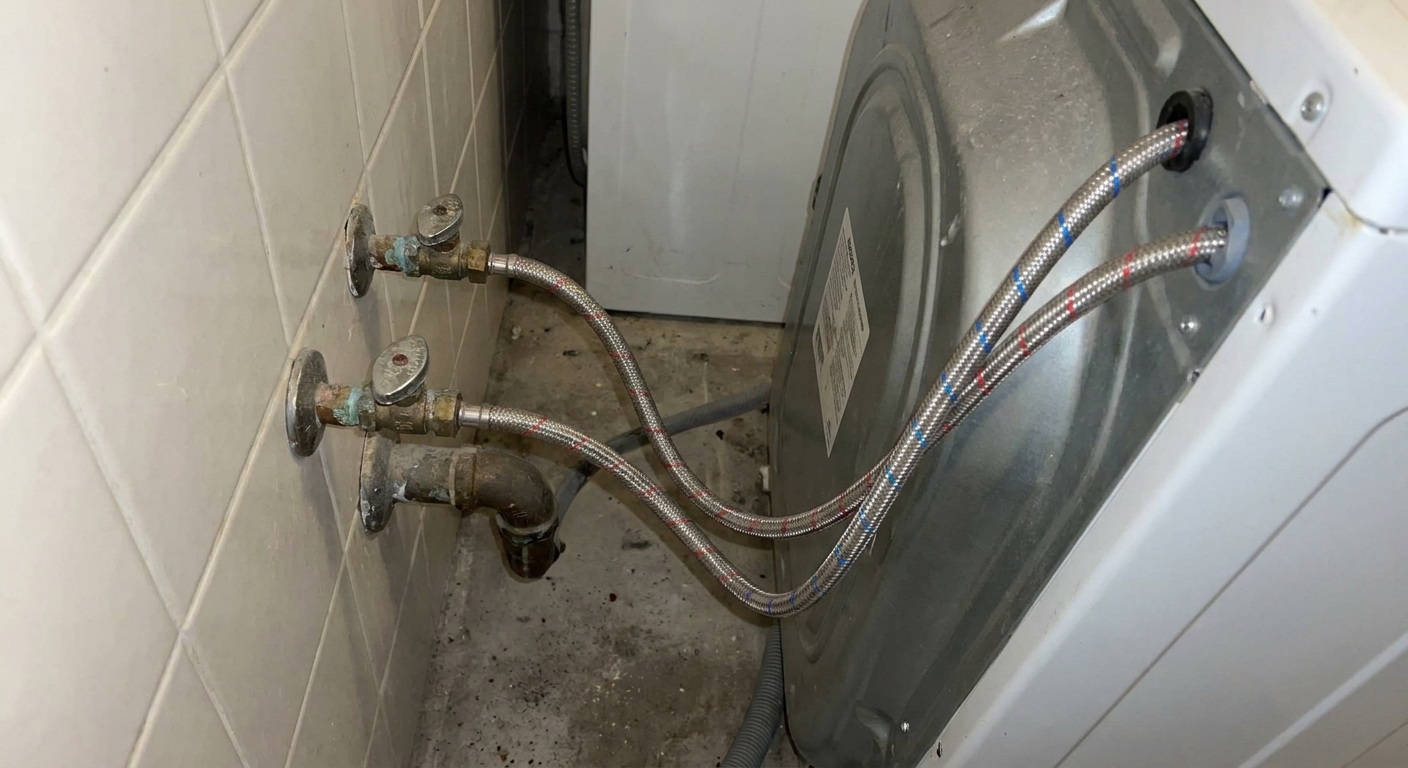
This guide focuses on one symptom: the washer fills and agitates or tumbles, but the water never warms up. If your tub never fills at all, that is a different troubleshooting path.
Quick safety note
- Unplug the washer before removing any panels or touching wiring.
- Turn off both water valves before disconnecting hoses.
- If you smell burning, see melted wires, or the breaker trips repeatedly, stop and call a pro.
Cheapest checks first
1) Confirm the washer is actually calling for hot
This sounds obvious, but it is the fastest win. On many modern machines, some cycles and eco settings can use mostly cold water, even when you pick “warm.”
- Pick a cycle that should use hot or warm water, like Whites, Heavy Duty, Sanitize, or a “Hot” temperature selection.
- Turn off Eco mode or Energy Saver if your model has it. Some machines heavily bias toward cold to save energy.
- On some front-loaders, “Warm” can mean a lot of cold with a smaller amount of hot, especially if the machine is aiming for a target temperature.
2) Check the hot water supply valve
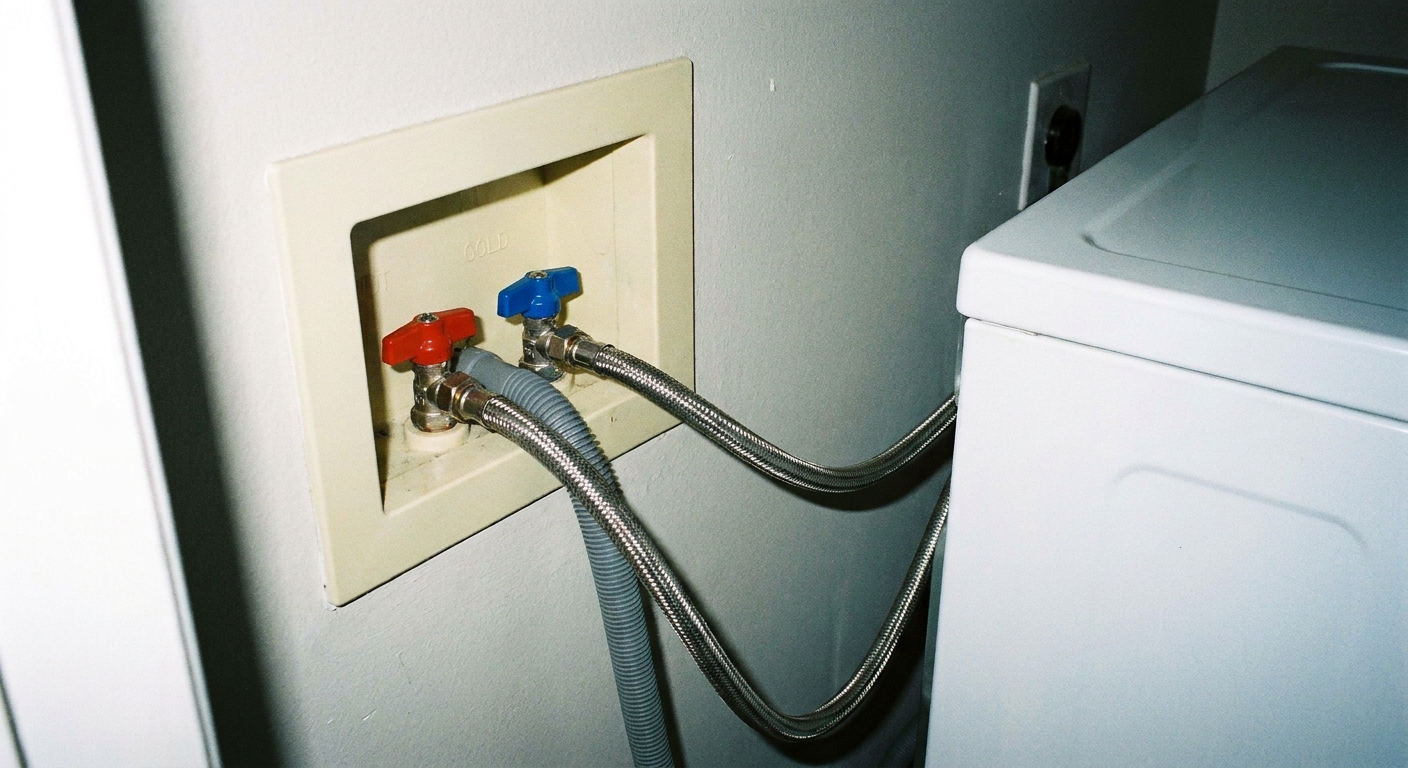
Behind the washer you should have two shutoff valves: hot and cold. I have seen hot valves that look “open” but are actually only cracked open.
- Turn the hot valve fully counterclockwise to open it.
- If it is a lever-style valve, the handle should be parallel to the pipe for open.
3) Make sure the inlet hoses are not crossed
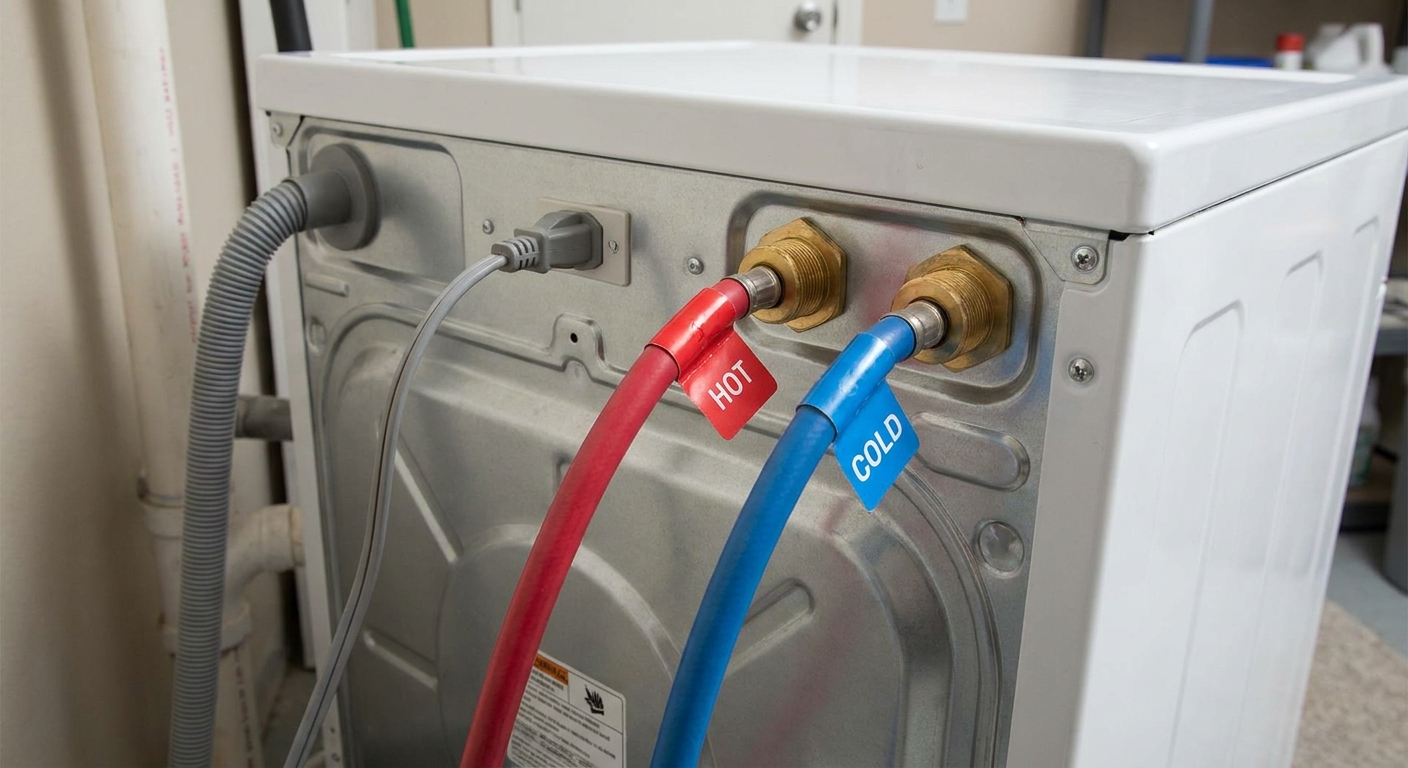
Crossed hoses can make the washer behave weirdly, and it is more common than you would think after a move or a quick appliance swap.
- Hot hose should run from the hot wall valve to the washer inlet labeled H.
- Cold hose should run from the cold wall valve to the washer inlet labeled C.
Standard coloring is red for hot and blue for cold, but do not rely on color alone. Follow the hose ends and check the washer’s inlet markings.
4) Rule out a whole-house hot water issue
Before you blame the washer, confirm you actually have hot water in the house.
- Run the nearest sink faucet on full hot for up to a few minutes.
- If it never warms up, the issue is likely your water heater, a hot water shutoff somewhere, or a plumbing problem.
- If hot water is fine at the sink but not at the washer, focus on the washer supply valves, hoses, and inlet screens.
5) Check for clogged inlet screens
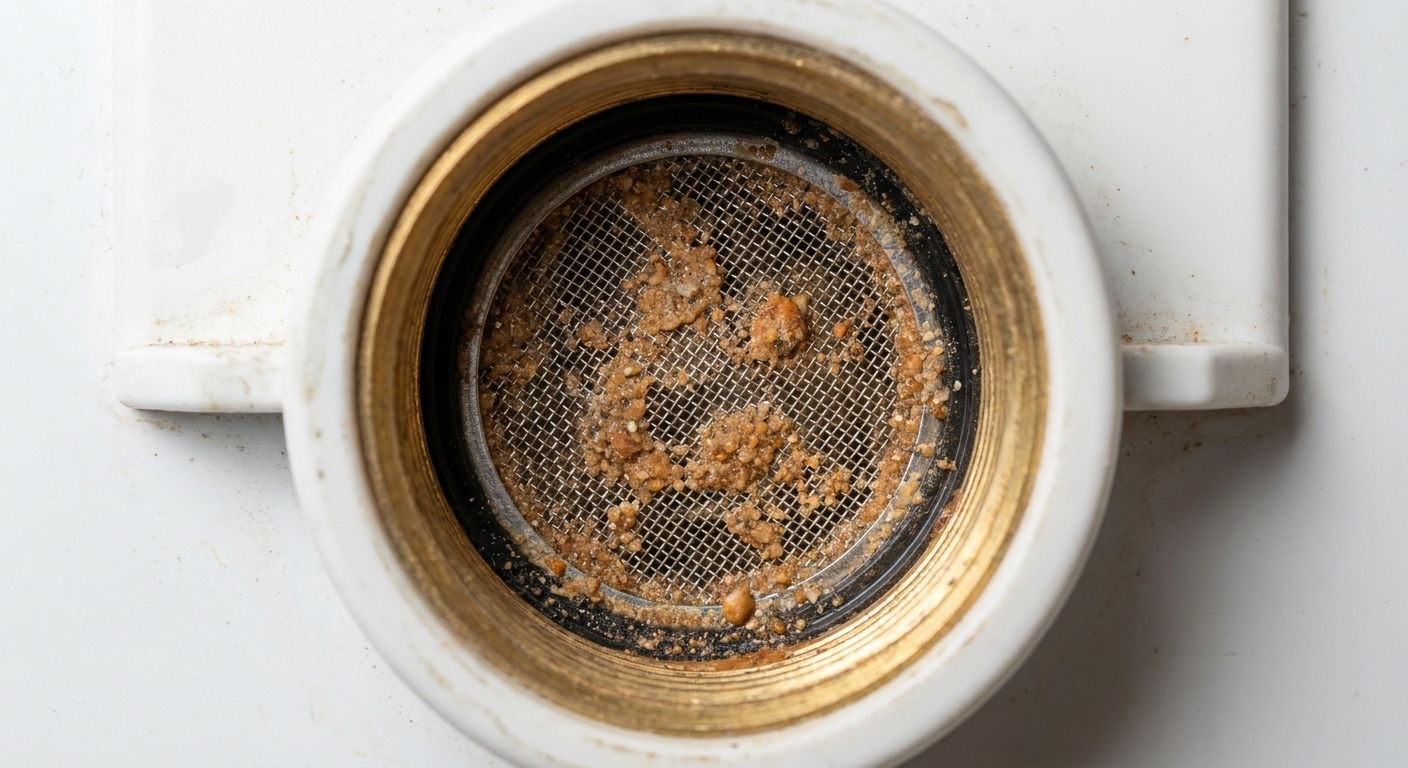
Most washers have small mesh screens right inside the water inlet ports. A little sediment can choke off hot flow enough that you get “all cold” behavior.
- Unplug the washer.
- Turn off both wall valves.
- Place a towel and shallow pan under the hoses.
- Disconnect the hot hose from the back of the washer.
- Look inside the washer inlet for a mesh screen. Gently pull debris off with an old toothbrush.
Also check the hose end for a screen or buildup. Some hoses have built-in screens or check valves at the hose end, and those can clog too. If your hoses are old, consider replacing them with new braided stainless hoses.
6) Do a simple hot-flow test
This tells you whether hot water is making it to the laundry hookup.
- With the hot hose disconnected from the washer, aim it into a bucket.
- Slowly open the hot wall valve.
- You should get a strong stream.
If the flow is weak, the issue is upstream: a partially closed valve, a failing valve, a kinked hose, a clogged hose screen, or (less commonly) a restriction in the plumbing.
Top-load checks
Top-loaders vary a lot. Some are basic and rely entirely on household hot water. Some HE top-loaders are more electronically controlled and may favor cooler water unless the cycle and sensors call for more heat.
Listen and feel during fill
On many top-loaders you can hear the valves open and water rushing in. If you select Hot and it still sounds like a slow trickle, the hot inlet may be blocked or the hot solenoid valve may be failing.
Check fill temperature the right way
Do not judge temperature by touching the outside of the tub. Also keep in mind the first splash can feel cold because it is running through a cold hose and into a cold tub. Instead:
- Start a cycle set to Hot.
- After 30 to 60 seconds of filling, pause the cycle and lift the lid.
- Carefully stir the water and feel it.
If it is stone cold, you likely have a supply, valve, or control issue. If it is slightly warm but not hot, you may have a weak hot supply or a washer that is blending heavily with cold.
Suspect the inlet valve, but keep control issues in mind
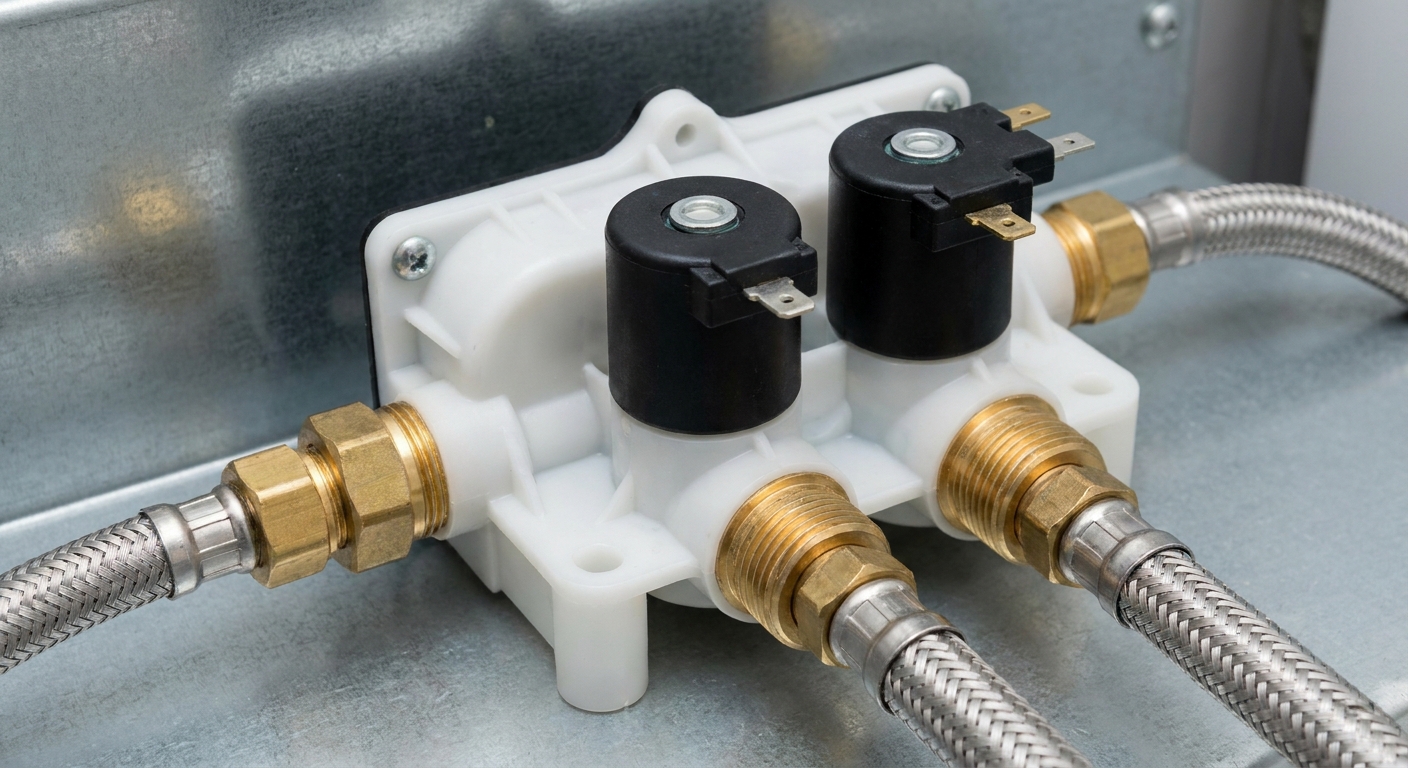
If you verified strong hot flow at the wall and cleaned inlet screens, the washer’s water inlet valve assembly is a common culprit. It is the part where the hoses connect, and it contains electrically controlled solenoids for hot and cold.
- Symptoms include: cold-only filling on hot settings, very slow hot fill, or occasional warm fills that come and go.
- Replacement is usually straightforward: remove the rear panel or console access (varies by model), swap the valve, and reconnect hoses.
One important caveat: a washer can act the same way if the control is not energizing the hot solenoid. If you replace the valve and nothing changes, or if the hot side never seems to “click on” in any cycle, a control or wiring issue moves up the list.
If you are comfortable using a multimeter, you can test the solenoid coils for continuity, but the exact expected readings are model-specific.
Front-load checks
Front-loaders often use less water, which means temperature can feel underwhelming even when things are working. But if it is always cold, the troubleshooting steps are similar.
Confirm you are not in a cold-only cycle
Many front-loaders default to colder washes, even on normal cycles. Make sure the temperature selection is truly set to Warm or Hot and that a “Tap Cold” or “Cold Wash” option is not enabled.
Check hot fill early in the cycle
Front-loaders often pulse water in and out during fill. Set a Hot cycle and listen for the hot valve opening. If you have access to the rear, you can also touch the hot hose carefully. It should begin warming as hot water flows.
If your washer has a heater, the issue can be inside the machine
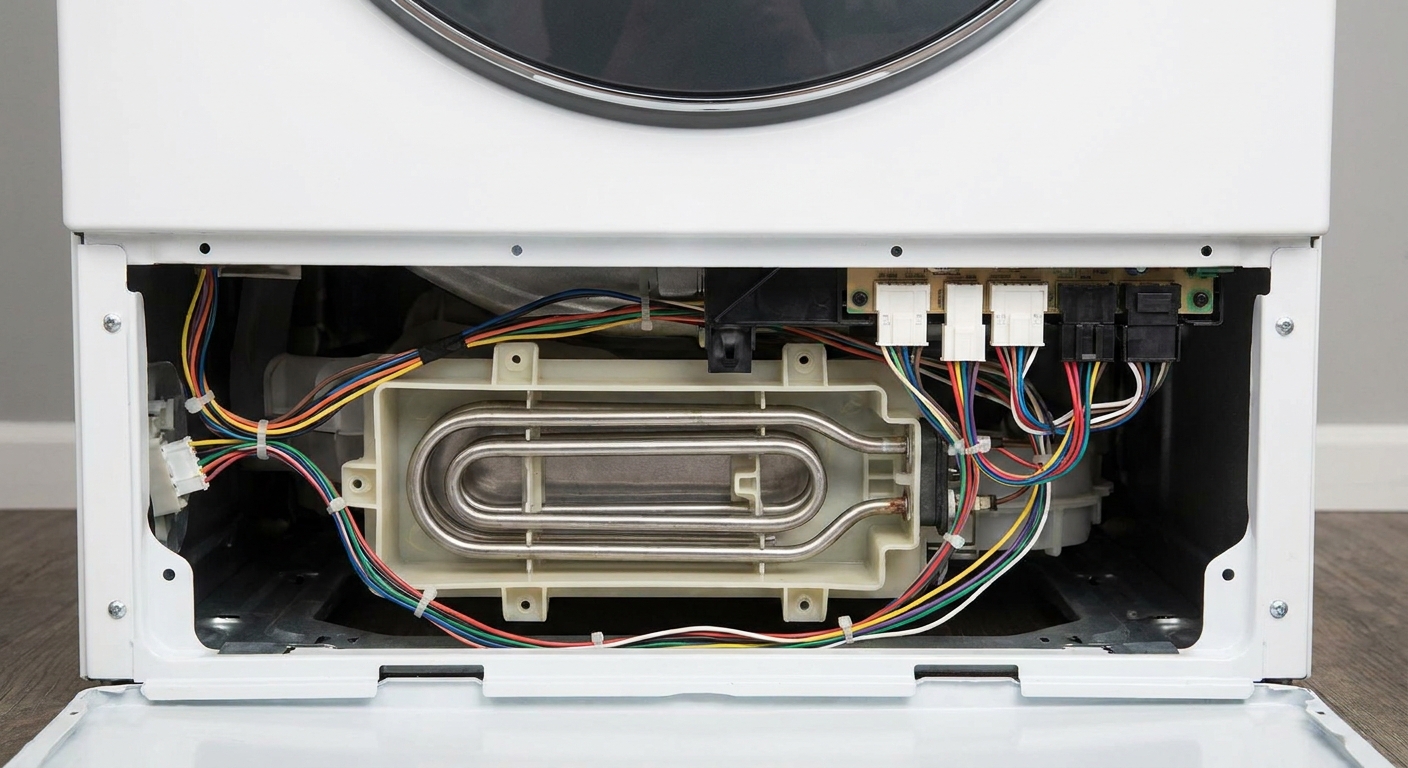
Some front-load washers, and some top-loaders depending on brand and region, have an internal heating element. These models may heat cold water up to a target temperature, especially on Sanitize or Allergy cycles.
If your model has a heater and you have good hot water supply but the water never warms, common internal causes include:
- Failed heating element
- Failed temperature sensor (thermistor)
- Wiring issue at the heater or control board
- Control board fault not powering the heater
Washer has internal heat
If your washer has a Sanitize cycle or claims to heat water to specific temperatures, it may have an internal heater. In that case, a cold wash can happen even when hot water supply is fine.
How to tell if your washer has a heater
- The control panel includes Sanitize, Steam, Allergy, or temperature targets like 140 F or 160 F.
- The manual mentions a heater, heating element, or thermistor.
- Cycles run longer when heating is involved.
Basic heater troubleshooting
- Reset the washer: Unplug for 2 minutes, plug back in, retry a hot or sanitize cycle.
- Run diagnostic mode if your model supports it: Many washers can display error codes related to heating or temperature sensing.
- Look for heating-related error codes: Some machines will still run but limit heat if the sensor readings are off.
Multimeter checks
With the washer unplugged, you can often access the heater connections from a lower front panel or rear panel depending on brand and model.
- Heating element: test for continuity across the heater terminals. No continuity often means a failed element.
- Thermistor: should show a resistance reading that changes with temperature. Expected values are model-specific, so compare to your service info if you have it.
If testing wiring and components feels like a stretch, this is a good handoff point for an appliance tech. Heater circuits are simple in concept, but access and model-specific diagnostics can get tedious fast.
Why it stays cold
The washer is using mostly cold by design
Modern HE machines often mix in a lot of cold water to protect fabrics and save energy. If you want truly warm or hot washes:
- Select a cycle designed for hot water like Whites or Heavy Duty.
- Turn off eco settings.
- Use the hottest temperature option and check results early in the fill.
Hot water is too far away
If the water heater is on the opposite end of the house, your washer might finish filling before hot water reaches the laundry hookup, especially with low-water front-loaders and especially if you have not run hot water anywhere recently.
- Run the hot water at a nearby sink for a minute or two before starting laundry.
- Consider insulating exposed hot water lines if accessible.
- Long-term fix options include a recirculation setup, but that is a bigger project.
The hot hose is kinked or restricted
Pull the washer out and check the hot hose path. A tight bend can choke flow. Old rubber hoses can also soften and collapse internally over time. Also look for any add-ons like a Y-splitter, flood-safe hose, or an inline screen or filter that could be clogged.
When to call a pro
- You have strong hot flow at the wall but the washer still never fills warm, and you have already cleaned inlet screens and checked hose-end screens.
- Your washer trips the breaker, shows burn marks, or you see damaged wiring.
- Your washer has an internal heater and you are getting persistent heating-related error codes.
FAQ
Is it okay to wash everything in cold water?
For many everyday loads, yes. But hot or warm water is still useful for greasy items, heavily soiled work clothes, and sanitizing certain textiles. If your washer used to heat and now never does, it is worth fixing.
My washer fills but the water is barely warm. Is that a problem?
Not always. Many modern washers blend temperatures aggressively. The real red flag is always cold on Hot or Sanitize settings, or noticeably worse cleaning performance.
What if the washer never fills at all?
That is a different symptom with a different set of likely causes, like a failed inlet valve, clogged screens, lid switch issues, or water pressure problems. Use a dedicated “won’t fill” troubleshooting guide for that situation.
Can a bad temperature selector cause cold wash?
Yes. On electronic models, a failing control board or temperature selection input can stop the washer from energizing the hot valve or heater. On older mechanical models, a worn temperature switch can do the same. Because access and testing vary by model, I treat this as a mid to advanced repair after you confirm the hot supply, hoses, and inlet screens are all good.
The 30-Second Cheat Sheet
Essential takeaways for: Washing Machine Not Heating Water? Causes and Fixes
Fastest way to pinpoint the cause
- If the washer fills and runs but stays cold, the problem is usually hot water supply to the washer, a clogged inlet screen, a failing inlet valve, or (on heater-equipped models) a heater circuit issue.
- If the tub never fills at all, you are chasing a fill problem, not a heating problem.
60-second checklist
- Confirm settings: Choose a cycle that truly calls for hot (Whites, Heavy Duty, Sanitize) and turn off Eco/Energy Saver.
- Open the hot wall valve fully behind the washer.
- Verify hoses are not crossed: hot-to-H, cold-to-C.
- Check whole-house hot water: run a sink on hot for up to a few minutes.
- Clean inlet screens on the washer’s hot inlet and the hose end.
Quick diagnosis by result
- No hot water at nearby sink: likely a water heater or household hot supply issue.
- Strong hot water at sink, weak hot flow at washer valve: partially closed or failing laundry valve, kinked hose, clogged hose screen, or plumbing restriction.
- Strong hot flow at washer valve, still cold wash: clogged inlet screen you missed, a failing washer inlet valve, or a control issue not energizing the hot valve.
- Washer has Sanitize/Steam and still never warms: possible heating element, thermistor, wiring, or control board problem.
When to stop DIY
- Burning smell, melted connectors, repeated breaker trips.
- Heater-circuit testing or control board diagnosis is needed and you are not comfortable with a multimeter.
💡 Tip: Scroll up to read the full article for detailed, step-by-step instructions.
⬆️ Back to top
About Grit
Content Creator @ Grit & Home
Grit is Grit & Home’s little blue clay courier, delivering big questions about the place you call home. Expect practical ideas, a raised eyebrow, and a satchel full of curiosity.