
🚨 In a DIY emergency or rush?
Skip the details and jump straight to our 30-second cheat sheet for the most crucial info.
The first time my well pump refused to turn on, I did what a lot of homeowners do. I assumed the pump itself had died and I mentally started pricing a replacement. In my case, it turned out to be a small control issue that cost pocket change and about 20 minutes of patient troubleshooting.
This guide is for that exact situation: the pump does not run at all. No hum, no click, nothing. That is most often an electrical supply or control issue, although it can also be an open circuit in the well wiring, a motor problem, or a thermal overload that is open.
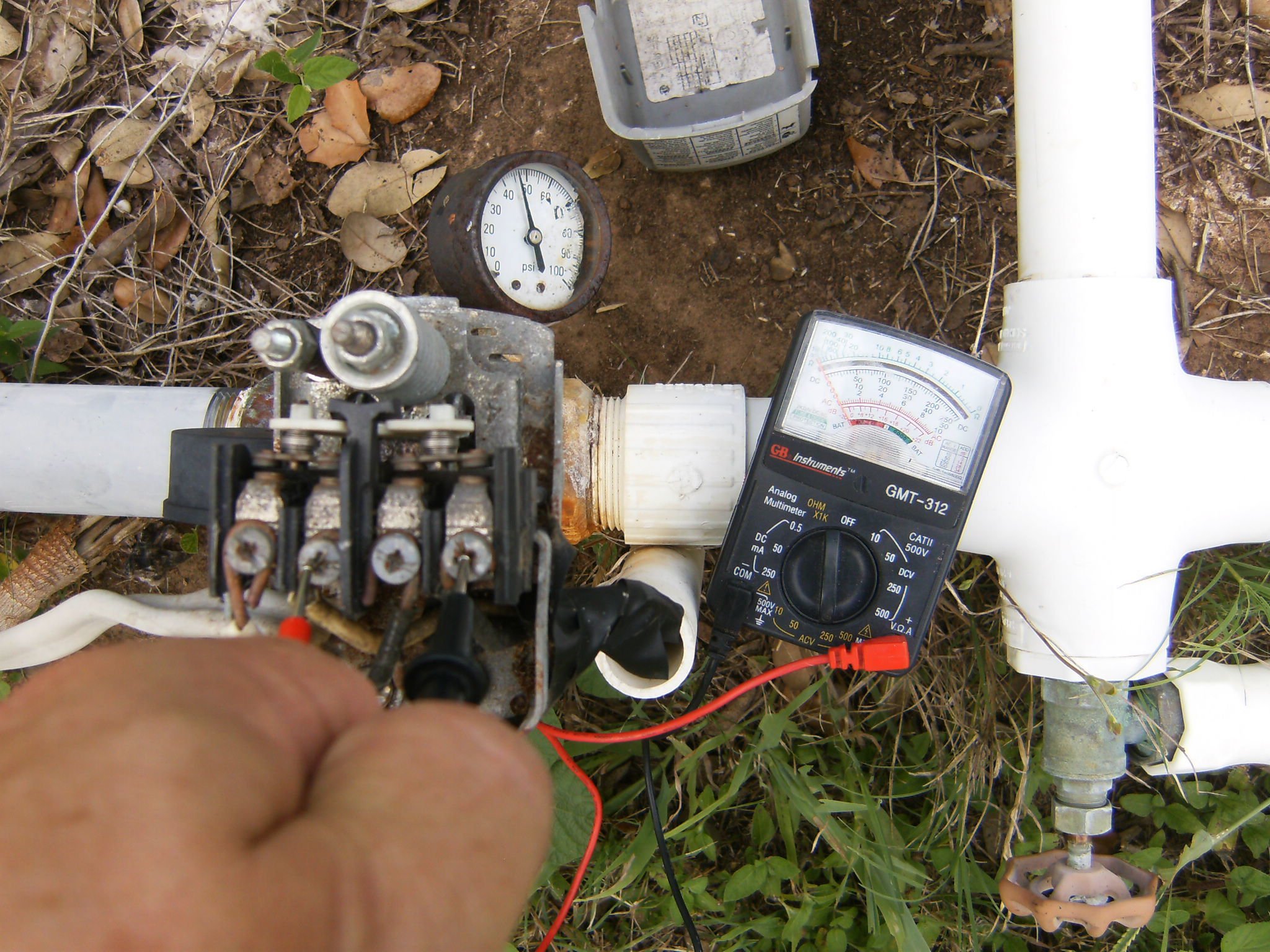
Before you touch anything: make it safe
Well pump circuits can bite hard. Even if you are comfortable around basic wiring, treat this like a serious electrical troubleshooting job.
Tools that help
- Flashlight or headlamp
- Insulated screwdriver (for covers only)
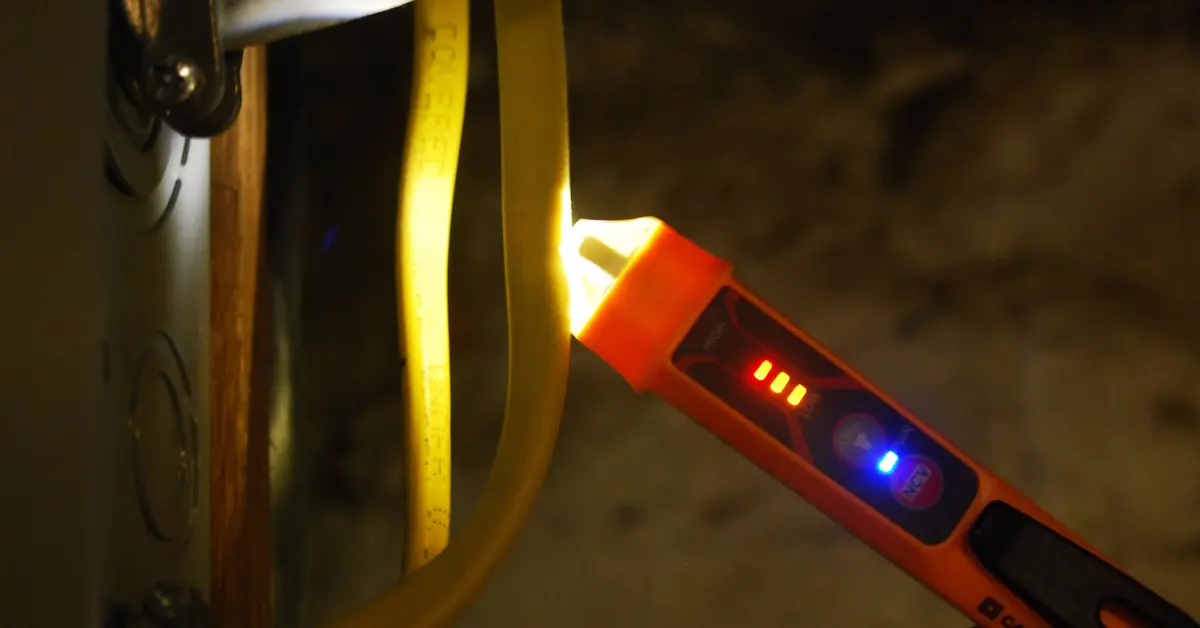
- Non-contact voltage tester (for quick screening)
- Multimeter (only if you know how to use it safely)
- Dry paper towel or rag (to spot moisture and corrosion)
Do this first
- Turn off power at the well pump breaker before opening any covers.
- Verify power is off. A non-contact voltage tester is a useful first pass, but it can be fooled by induced voltage or placement. If you are qualified to use a meter, confirm with a multimeter after first proving your meter on a known live source.
- Keep things dry. If the area around the pressure tank or switch is damp or flooded, stop and call a pro.
- Do not touch bare terminals. If you need live-voltage testing, that is the line where most homeowners should bring in an electrician or well tech.
If you smell burning insulation, see melted plastic, or find scorched wiring anywhere, shut the breaker off and do not reset it repeatedly.
Quick triage: what the house is telling you
These clues help you choose the right branch of troubleshooting.
- No water anywhere and the pump is silent: start with electrical supply and the pressure switch.
- Breaker trips immediately when you try to run the pump: suspect a short, seized motor, damaged wiring, or a failed control component. Do not bypass the breaker and do not upsize it.
- You hear a click at the pressure switch but the pump does not run: often points to the control box, capacitor, wiring, an open splice, or the pump motor.
- Pressure gauge reads 0 psi and stays there: could be a low-pressure cutoff that will not reset, no power to the switch, or a deeper well-side issue. It can also be a bad gauge or a clogged gauge port, so verify by opening a faucet and confirming you truly have no residual pressure.
What to check first (in order)
I like to start at the panel and walk toward the equipment. Each step either solves it or gives you better info for the next step.
1) Check the breaker and look for a tripped pump circuit
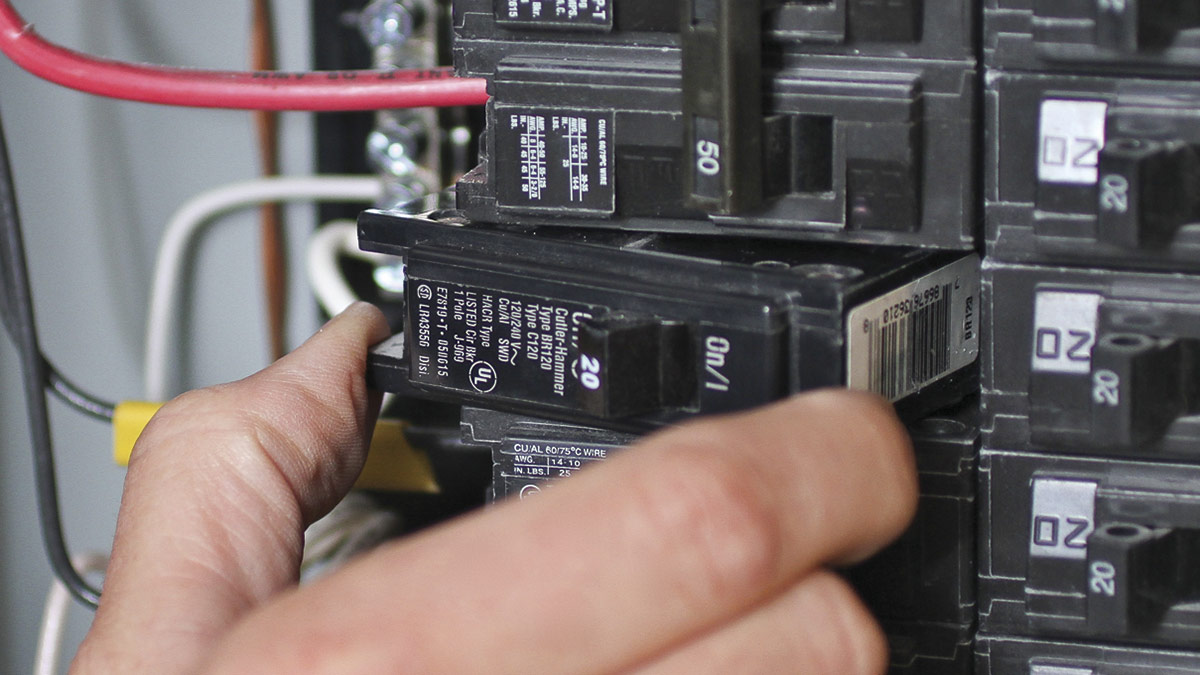
A well pump breaker can look “kind of on” even when it tripped. Flip it fully off, then back on.
- If it trips again right away, stop. Repeated resets can cook wiring or the motor.
- Do not bypass the breaker and do not replace it with a larger one “just to see if it holds.”
- If it stays on, move to the next step.
Also check GFCI outlets in the well circuit path. Some installations feed the control equipment through a GFCI receptacle in a basement or well house. A tripped GFCI can make it seem like the pump died.
2) Check for an outdoor disconnect or switch you forgot existed
Many wells have a disconnect box near the pressure tank, on an exterior wall, or inside a well house. Make sure it is firmly in the ON position. If the disconnect uses pull-out fuses, a blown fuse can kill power to the pump.
If you are not comfortable checking fuses with a meter, this is a good handoff point to an electrician.
3) Look at the pressure gauge: is the switch being asked to turn on?
Before blaming the switch, glance at the pressure gauge on the plumbing near the pressure tank.
- If the gauge reads above the cut-in pressure (often 30 or 40 psi), the switch may not be calling for the pump. Use water briefly to drop pressure and see if the switch clicks on.
- If the gauge is below cut-in and nothing happens, keep going.
- If the gauge is stuck at an odd number and never moves, the gauge itself or its port could be clogged. That does not always stop the pump from running, but it can mislead you.
4) Open the pressure switch cover and inspect (power OFF)
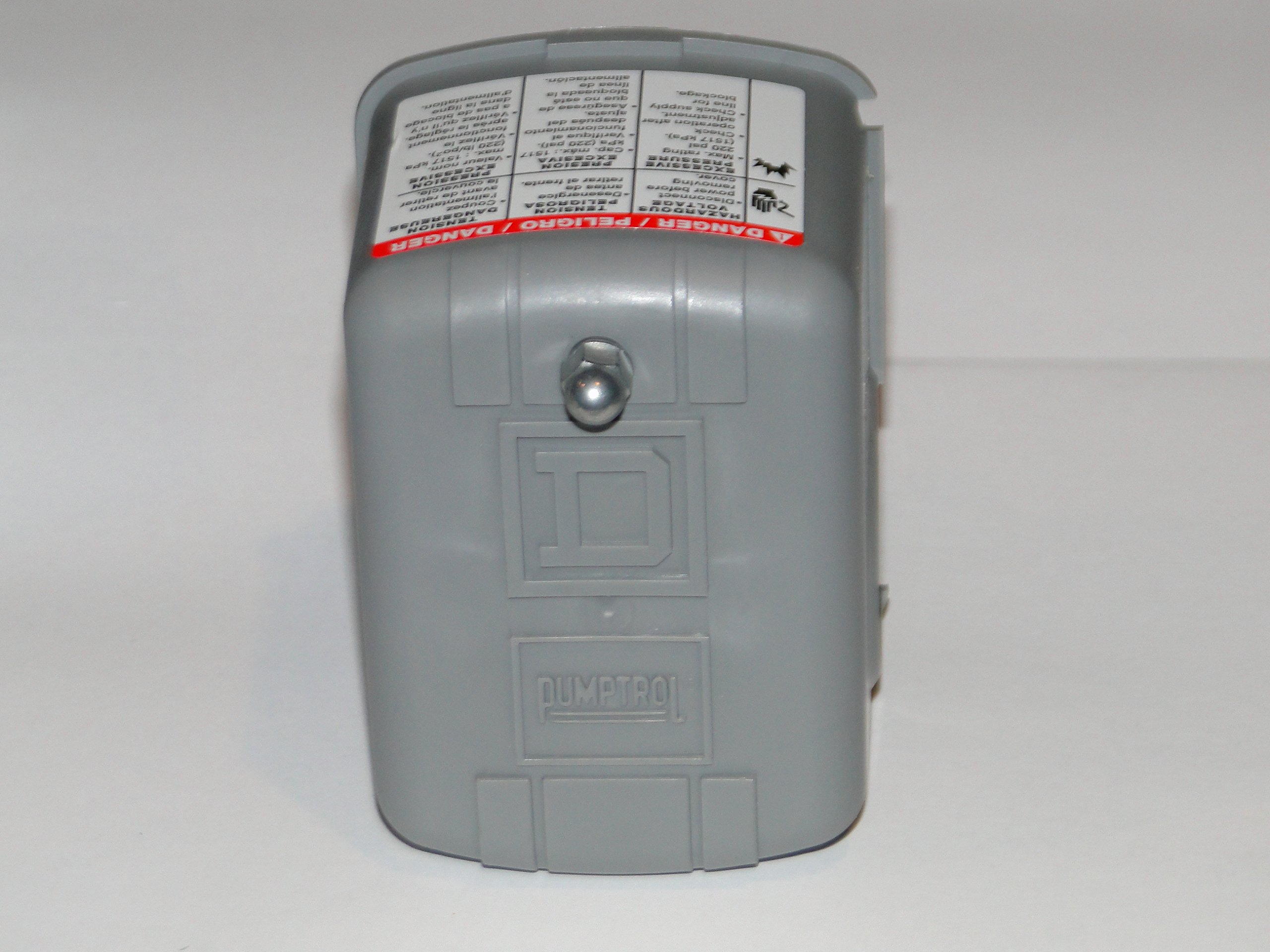
The pressure switch is the small box usually mounted on a short pipe nipple near the pressure tank. With the breaker OFF and verified, remove the cover.
What you are looking for
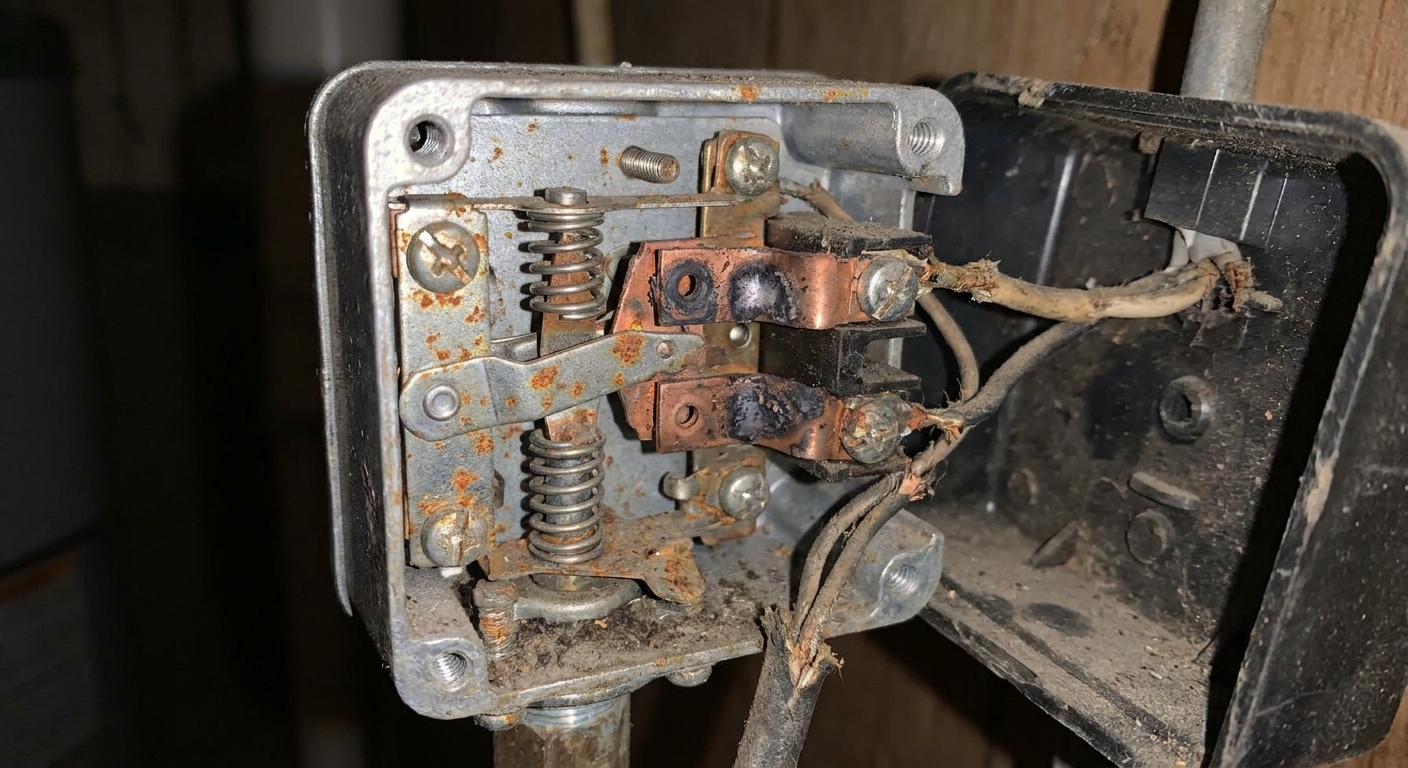
- Ants, bugs, mud daubers: yes, really. In a well house, insect debris can block the mechanism or create a conductive mess.
- Burnt or pitted contacts: blackened, cratered contact points can prevent the circuit from closing.
- Loose wires: a slightly loose terminal can heat up and fail.
- Corrosion: moisture damage is common in damp pits and crawl spaces.
If you find a wire that is obviously melted or brittle, stop and call a pro. That is not a “tighten the screw and hope” moment.
5) Check the switch port for clogging
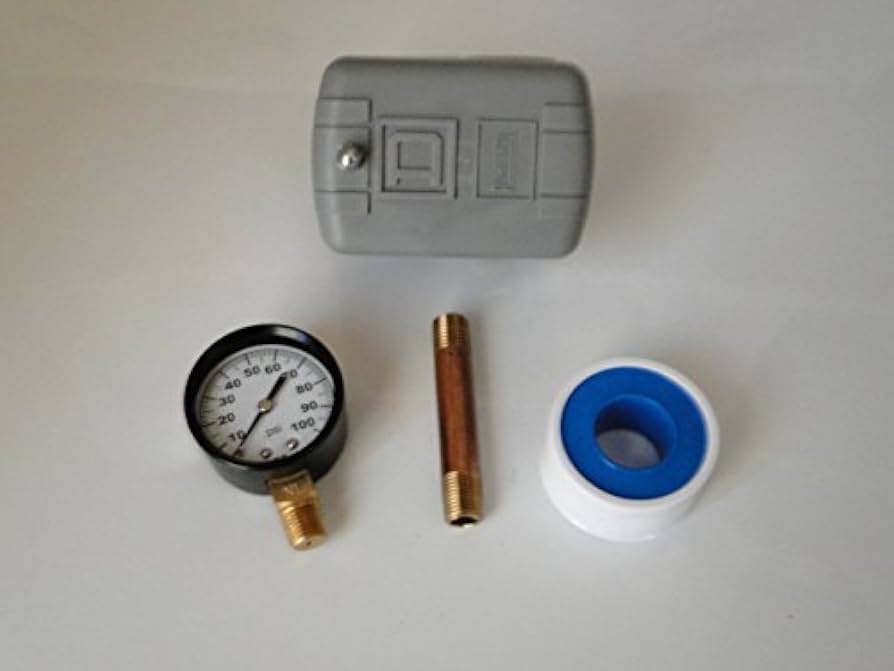
This one is easy to miss: the pressure switch can only do its job if it can sense water pressure. On many setups, the switch connects to the plumbing through a small 1/4 inch nipple or a short tube. Sediment, iron, and scale can clog that passage and make the switch behave strangely or fail to respond.
- With power OFF, look for heavy rust, mineral crust, or weeping around the switch base.
- If you suspect a clogged nipple or tube, this is often a good point to call a well tech, especially if the plumbing is old and you do not want to snap fittings.
6) Check for a low-pressure cutoff and reset it
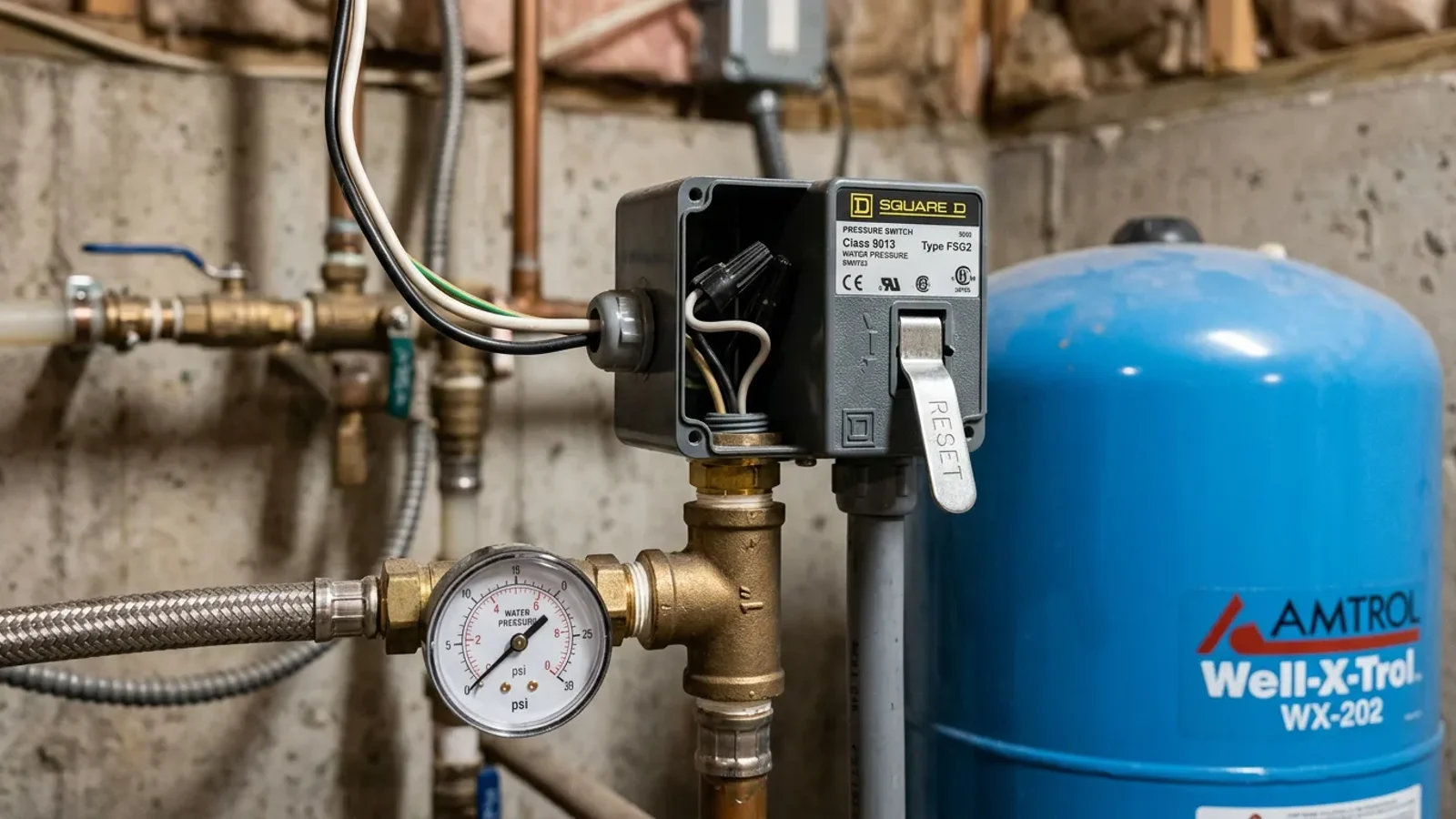
Some pressure switches include a low-pressure cutoff. It is a safety feature that prevents the pump from running if pressure drops too low, which can happen if the well runs dry or a pipe breaks.
These switches often have a small lever on the side. If the system pressure is very low, the switch can lock out and the pump will not start until you reset it.
How reset typically works
- Turn off power.
- Think through why pressure crashed. If you suspect a dry well (drought, past sputtering, lots of air, known low-yield well) or a major leak, do not keep forcing resets.
- Restore power and hold the lever in the start position until pressure climbs above the cutoff threshold, which varies by model and is often around 10 psi below cut-in. Then release.
If you reset it and it immediately trips again, that is a sign of an underlying problem like a dry well, broken pipe, or failed foot valve or check valve. At that point, I stop forcing it and call a well company.
7) If you have a control box or controller: use it for clues
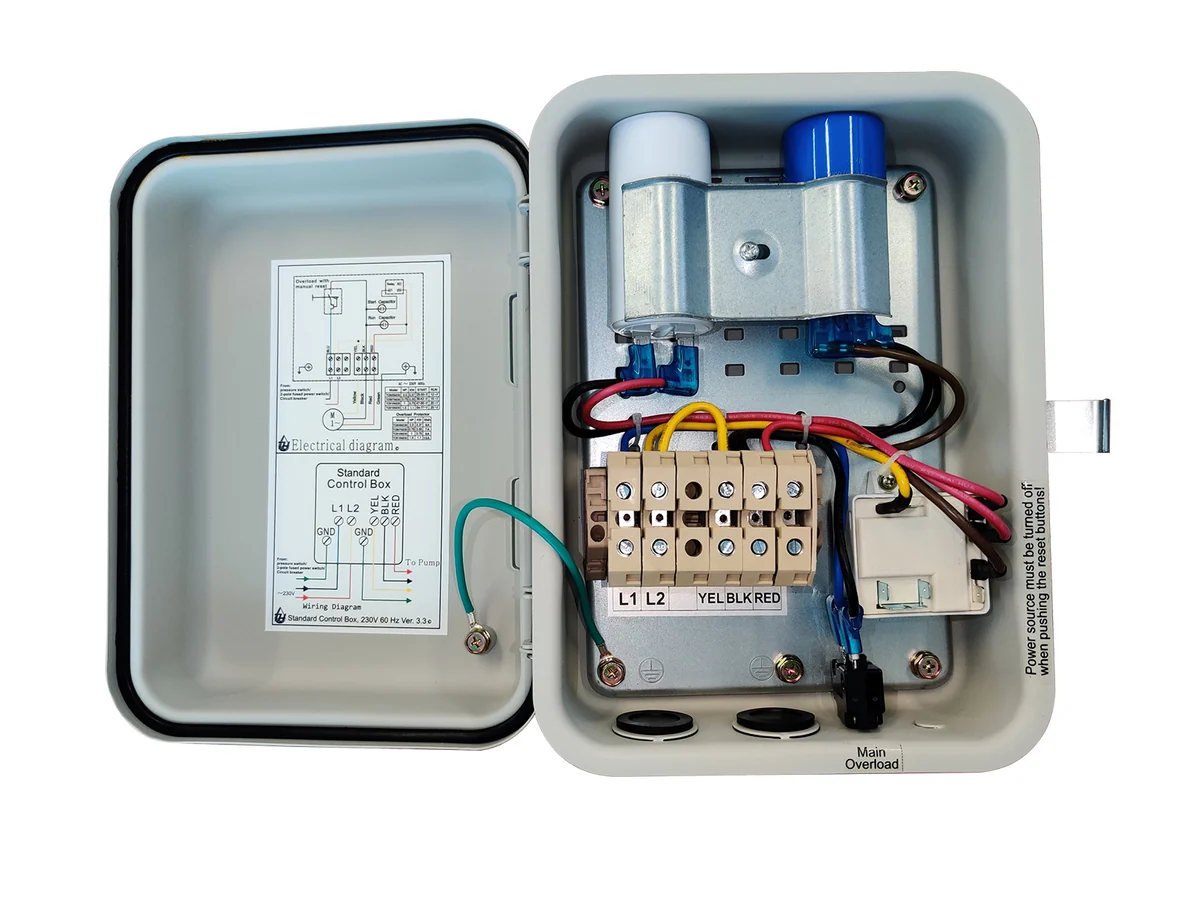
Not every well has a control box. If you do, it is usually a gray box on the wall near the pressure tank. This is common with 3-wire submersible pumps (the box houses start components like a capacitor and relay).
You might also see a larger controller if you have a constant-pressure or variable-speed system. That is a different animal, but the same idea applies: the box can provide clues.
Clues you can safely check
- Humming, buzzing, or a hot smell from the box: turn off power and call a pro.
- Bulging or leaking capacitor inside the box (power OFF): that is a common failure and a strong hint the start components are bad.
- Fault lights or error codes on a controller: write them down before cycling power and call the manufacturer or a well pro.
- Scorched terminals or melted insulation: stop and call a pro.
If the pump is a 2-wire submersible, there is usually no separate start control box, so do not go hunting for one that does not exist.
8) Inspect what you can see: wiring and conduit (power OFF)
Without doing live electrical tests, you can still learn a lot by looking closely.
- Check for rodent damage on visible cable jackets.
- Look for cracked conduit and signs water has been getting into electrical runs.
- Sniff for burnt odor at junction boxes, the pressure switch, and the control box.
- Confirm all covers are intact and not full of condensation.
Any sign of water inside electrical enclosures is a good reason to stop and bring in help. Water plus 240 volts is a bad mix.
What you can check with power off
If you only have a few minutes and want the safest, highest-payoff checks, this is my go-to list.
- Reset the well pump breaker (flip fully OFF then ON) and reset any GFCI on the circuit.
- Make sure any well disconnect is ON and not obviously damaged.
- Read the pressure gauge and note the number.
- Open the pressure switch cover and inspect for bugs, corrosion, loose wires, and burnt contacts.
- Check for clues of a clogged pressure switch nipple or tube (rust, mineral crust, leakage).
- Identify whether your pressure switch has a low-pressure cutoff lever and see if it is tripped.
- If you have a control box, look for a bulging capacitor or burnt smell (do not touch components).
- If you have a constant-pressure controller, note any fault lights or codes.
When to stop DIY and call a pro
I am all for sweat equity, but wells are one of those systems where the “one more try” approach can make the bill bigger. Call a licensed well pump contractor or electrician if you hit any of these:
- The breaker trips repeatedly or you see scorched wiring.
- You find melted insulation, water in electrical boxes, or a burning smell.
- The pressure switch is calling for water but you need live-voltage testing to go further.
- You reset a low-pressure cutoff and it won’t stay running.
- You suspect the pump or drop pipe is the issue (anything down the well typically requires pulling the pump).
- You have a control box or controller and suspect failed start components but are not comfortable confirming values with a meter.
A good pro will usually ask: breaker status, pressure gauge reading, whether the switch clicks, whether there is a control box or controller, and whether anything tripped recently. If you can provide those details, you are already ahead.
FAQ
Why does my pressure switch click but the pump does not turn on?
The click means the switch is trying to close the circuit. If the pump stays silent, common causes include a failed control box component (on 3-wire systems), a wiring problem between switch and pump, an open splice down the well, or a failed pump motor. This is often where a meter and experience matter.
Can I manually push the pressure switch contacts to start the pump?
Some folks do, but I do not recommend it for homeowners. It is easy to get shocked or to force a failing component to run long enough to do damage. If the system only runs when manually forced, something is wrong upstream and it needs proper diagnosis.
Is it safe to keep resetting the breaker to “see if it works”?
No. A breaker that trips is telling you there is an overload or short. Repeated resets can overheat wiring, damage the pump, or create a fire risk.
How do I know if I have a 2-wire or 3-wire submersible pump?
Most homeowners notice it by the presence of a separate start control box. 3-wire submersible pumps typically have a control box near the pressure tank. 2-wire pumps usually do not. If you have a variable-speed or constant-pressure controller, you may see a different style of box even on modern systems.
The 30-Second Cheat Sheet
Essential takeaways for: Well Pump Won’t Turn On? What to Check First
Safety first
- Turn the well pump breaker OFF before opening any covers.
- Use a non-contact voltage tester as a quick screening check, but do not treat it as definitive proof power is off.
- If you know how to use a multimeter safely, confirm at the switch after first proving your meter on a known live source.
- If you smell burning, see melted wires, or the area is wet, stop and call a pro.
Check these first (fastest wins)
- Reset the breaker properly (flip fully OFF, then ON) and reset any GFCI on the circuit.
- Confirm any well disconnect switch is ON.
- Read the pressure gauge. If it is below cut-in (often 30 or 40 psi) the pump should be trying to start.
- With power OFF, open the pressure switch cover and look for loose wires, corrosion, bugs, or burnt contacts.
- Check the small pressure switch nipple or tube for clogging (sediment or iron). A clogged port can keep the switch from sensing low pressure.
- If your switch has a low-pressure cutoff lever, it may be tripped. Reset per the switch instructions and stop if it will not stay running.
- If you have a 3-wire control box, look for a bulging capacitor or burnt smell (power OFF).
- If you have a larger controller box (constant pressure or variable speed), note any fault lights or codes and call the manufacturer or a pro.
Call a pro if
- The breaker trips more than once.
- You find scorched wiring, water in electrical boxes, or a burning smell.
- You need live electrical testing to go further.
- The low-pressure cutoff keeps tripping, which can signal a dry well or broken line.
- You suspect anything down the well (pump, drop pipe, wiring), since pulling a pump is specialized work.
💡 Tip: Scroll up to read the full article for detailed, step-by-step instructions.
⬆️ Back to top
About Marcus Vance
Content Creator @ Grit & Home
Marcus Vance is a lifelong DIY enthusiast and self-taught home renovator who has spent the last decade transforming a dilapidated 1970s ranch into his family's dream home. He specializes in budget-friendly carpentry, room-by-room renovations, and demystifying power tools for beginners. Through his writing, Marcus shares practical tutorials and hard-learned lessons to help homeowners tackle their own projects with confidence.