
🚨 In a DIY emergency or rush?
Skip the details and jump straight to our 30-second cheat sheet for the most crucial info.
The first time I dealt with stink bug smell, I did what every tired homeowner does. I grabbed a paper towel, smashed the culprit, and immediately regretted it. That odor is not just “bug smell.” It is a nasty defensive release that can leave an oily film, and it loves to cling to fabric, paint, and skin. If you try to cover it with a candle or air freshener, you usually end up with “vanilla stink bug,” which is somehow worse.
The good news: once the bugs are already gone, you can often clear the room fairly quickly with the right approach. Light cases might improve in an hour or two, but if the residue hit carpet pad, cushion foam, or you had multiple bugs involved, it can take longer. The trick is to remove the residue from whatever it touched, then ventilate the space so the last of the vapors can dissipate.
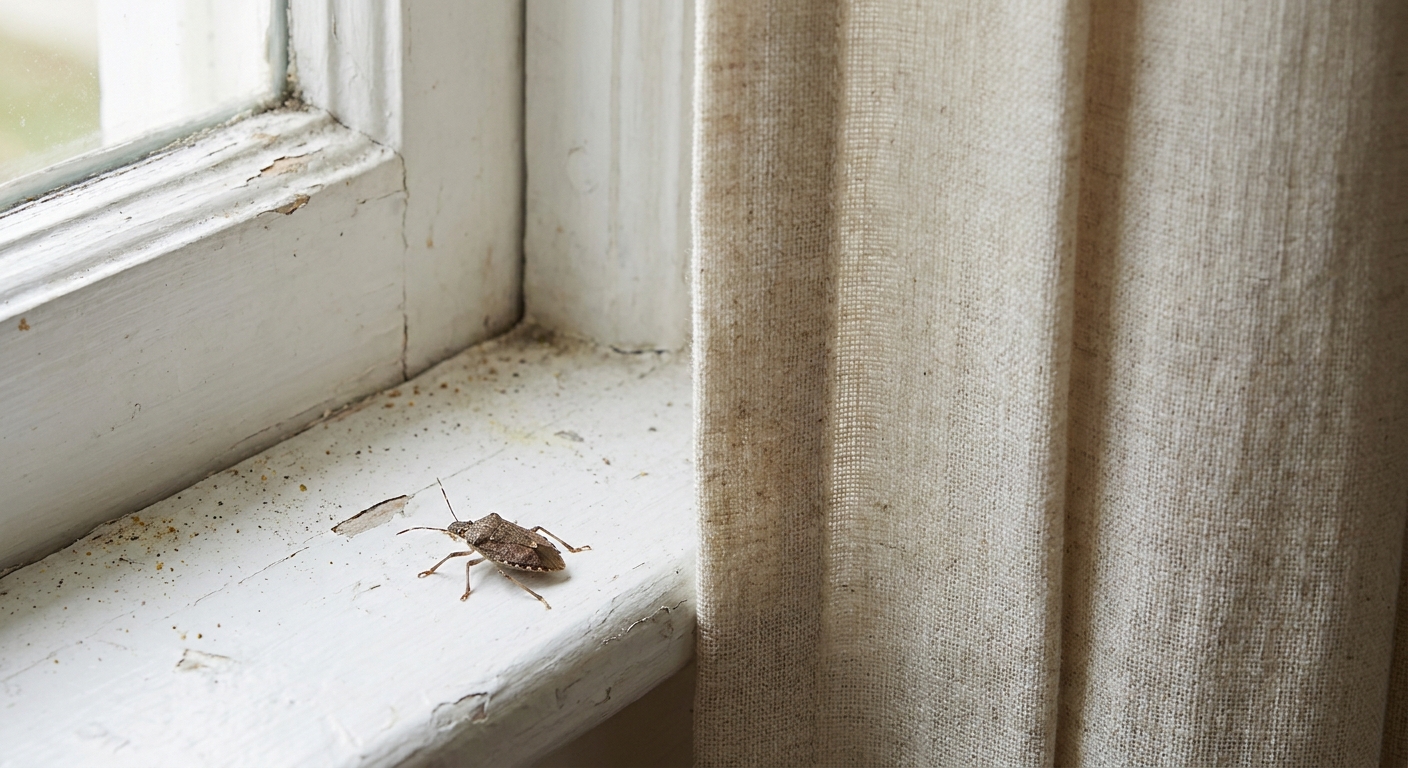
Why crushing stink bugs makes the smell worse
Stink bugs release odor from scent glands as a defense. It is a mix of smelly compounds, and it can leave behind a greasy residue. When you crush them, you:
- Spread more residue onto whatever is under them (paint, fabric, wood, carpet).
- Increase surface area of the bug’s body and residue, which boosts how much odor evaporates into the air.
- Rub it in if you wipe or smear, especially on porous materials like curtains and upholstery.
If the smell started after a bug got squished on drapes, a sofa cushion, or carpet, assume you have a residue spot even if you cannot see it.
Quick first steps for the whole room
Do these before you get into material-specific cleaning. They make every step after more effective.
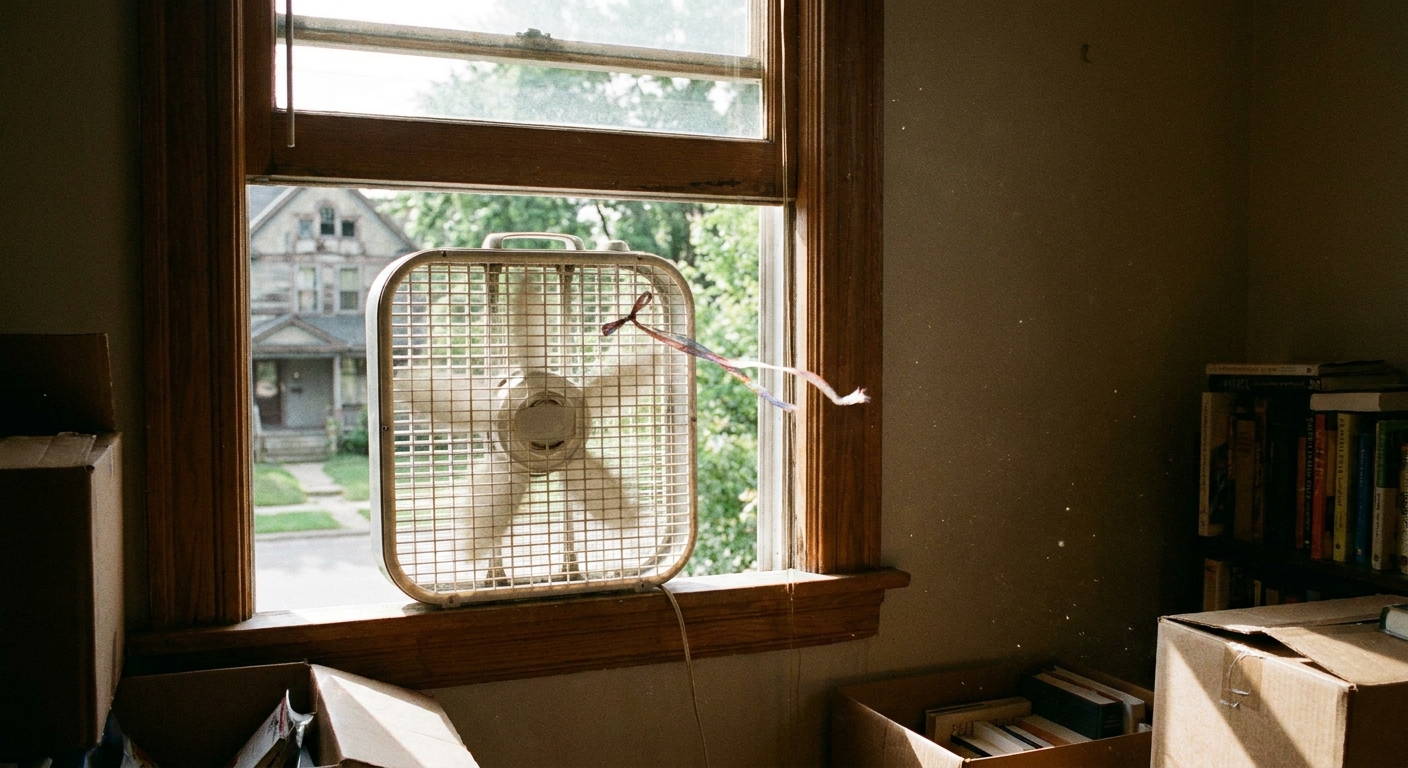
1) Ventilate fast
- Open windows on opposite sides of the room if you can.
- Set a box fan in one window facing out to exhaust air.
- If you have a second fan, aim it in from the other side to create a cross-breeze.
2) Remove “odor sponges” temporarily
Soft, porous items hold onto stink bug residue and keep re-releasing odor.
- Toss throw blankets, pillow covers, and slipcovers into a laundry basket for washing.
- Take small rugs or doormats outside to air out.
- If the smell is concentrated near a window, take down the curtains for cleaning.
3) Put out an odor absorber while you clean
Absorbers will not solve the problem alone, but they help while you are removing residue.
- Baking soda in a wide, shallow bowl (more surface area works better).
- Activated charcoal bags or a bowl of charcoal briquettes (unlit, no lighter fluid).
Cleaning fabric (curtains, upholstery, carpet)
Fabric is where stink bug smell likes to camp out. Your goal is to lift the residue without setting a stain or pushing it deeper.
Before you start: do a fast spot test
Whatever cleaner you use, test it on a hidden area first, especially on upholstery with “S” (solvent-only) care tags.
Curtains and washable fabrics
If the fabric is machine-washable, this is the easiest win.
- Pre-treat the area with a few drops of mild dish soap worked into the spot with your fingers.
- Wash on the warmest temperature the label allows.
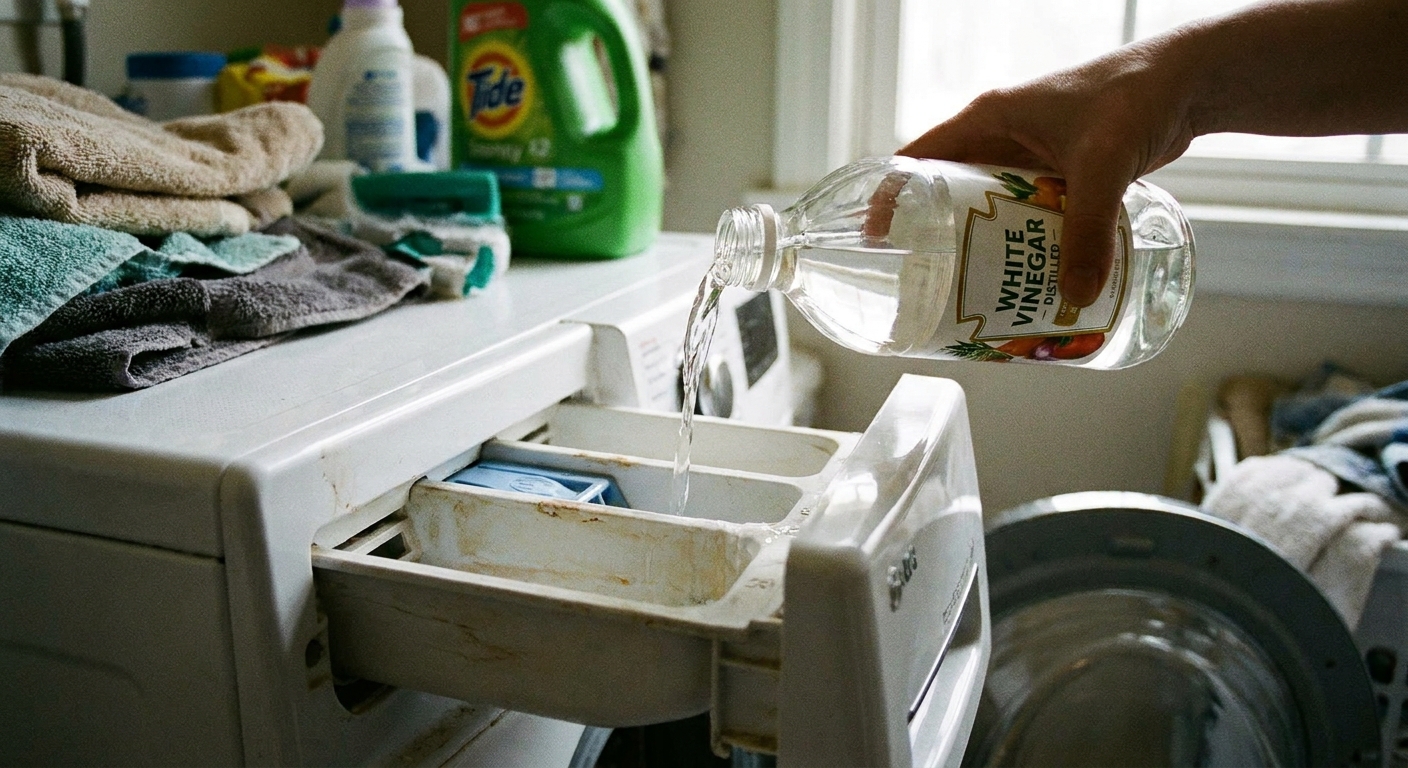
- Add 1/2 to 1 cup of white vinegar to the rinse cycle if your washer manual allows it, or use it in the fabric softener dispenser.
- Wash stink-affected items separately the first time if you can.
- Do not put items in the dryer until you are sure the odor is gone. Heat can lock in smells if residue is still there.
- Air dry if you are worried about shrinking.
Upholstery and non-removable fabric
For couches, chairs, and upholstered headboards, start gentle and build up only if you need to.
Step 1: Blot, do not rub
If the smell started with a fresh squish, press with a dry paper towel to pick up residue. No scrubbing. Scrubbing spreads the oils.
Step 2: Use a dish-soap solution
Mix:
- 2 cups warm water
- 1 teaspoon mild dish soap
Dampen a clean white cloth, then blot the affected area. Work from the outside edge toward the center to help prevent water rings, and do not over-wet the fabric. Follow with a second cloth dampened with plain water to “rinse” the soap out. Blot dry with a towel.
Step 3: Neutralize lingering odor
- Lightly mist 50/50 white vinegar and water (do not soak), then let it air dry.
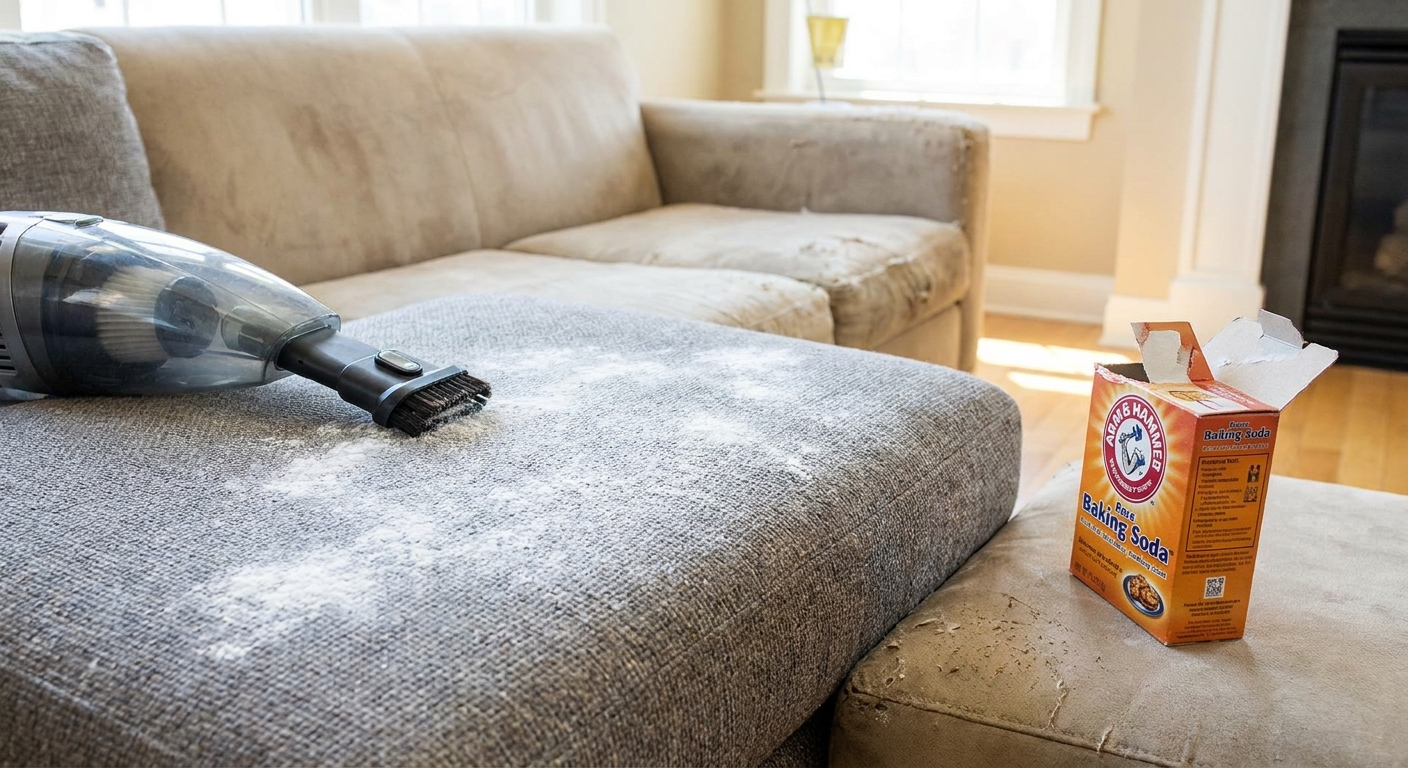
- Once dry, sprinkle baking soda, let it sit 8 to 12 hours, then vacuum thoroughly.
Tip from my own mistakes: too much vinegar solution can leave a sour smell for a day. A light mist is plenty.
If you need more cleaning power
If dish soap is not cutting it and your upholstery tag allows, an upholstery-safe solvent cleaner can help lift oily residue. If you are not sure, stick with mild soap and water, or consult a pro to avoid discoloration.
Carpet (small area)
Carpet fibers trap residue, and the pad underneath can hold odor if the bug got crushed hard.
- Blot with dry paper towels.
- Blot with the same dish-soap solution used for upholstery.
- Blot with clean water to rinse.
- Press a dry towel over the spot and stand on it to pull moisture out.
- When nearly dry, apply baking soda for several hours, then vacuum.
If you can still smell it after drying, you can try an enzymatic cleaner labeled safe for carpet. It is not that stink bug odor is “pet urine,” but some enzymatic products may help break down stubborn organic residue that regular soap does not fully remove. If you go this route, test a hidden area first.
Cleaning hard surfaces (walls, window sills, floors, countertops)
Hard surfaces usually clean up faster because the residue cannot sink in as deeply. The main risk is smearing the residue wider than it started.
What to use
- Warm water + dish soap is the workhorse.
- White vinegar + water (50/50) works well on many sealed surfaces for a final wipe.
- Rubbing alcohol (70%) can cut oils on some surfaces, but spot test, especially on painted walls and finished wood.
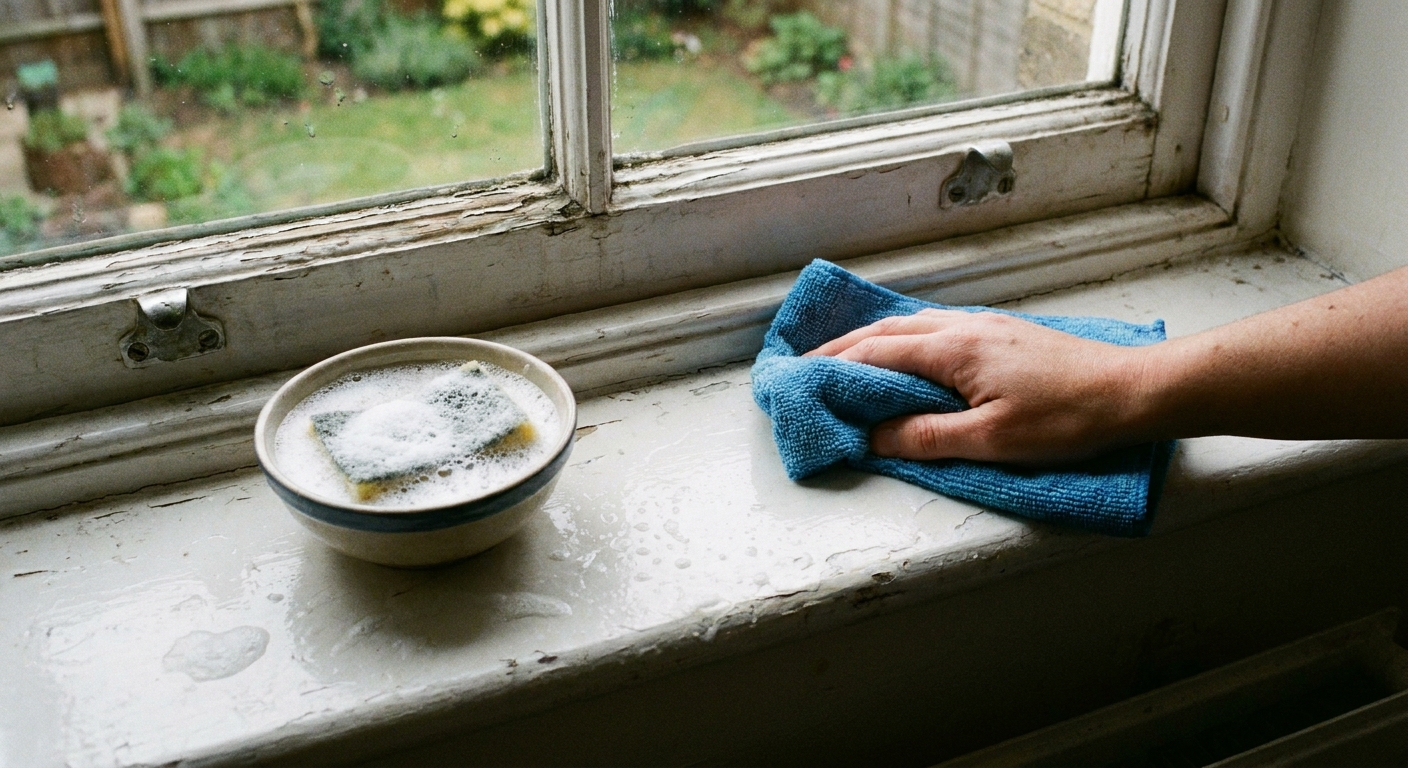
Step-by-step wipe down
- Lift residue dry first with a dry paper towel and discard it immediately.
- Wash the area with a small amount of dish-soap solution using a microfiber cloth.
- Rinse with a cloth dampened with clean water.
- Dry the surface.
For painted walls, keep the cloth just damp, not dripping, and gently feather outward. On flat or matte paint, even mild cleaning can change the sheen if you scrub a small spot too hard.
Baseboards and trim
Trim can hold odor in tiny grooves. Use an old toothbrush dipped in dish-soap solution to gently scrub creases, then wipe clean.
A quick finish note
Vinegar and alcohol can dull some finishes if they sit too long. Use them sparingly, do not leave puddles, and always spot test.
Getting stink bug smell off your hands
This is the part that makes you feel like the smell is “everywhere,” even after the room is clean. Skin holds onto the residue.
My go-to method (works fast)
- Wash with dish soap and warm water for 20 to 30 seconds.
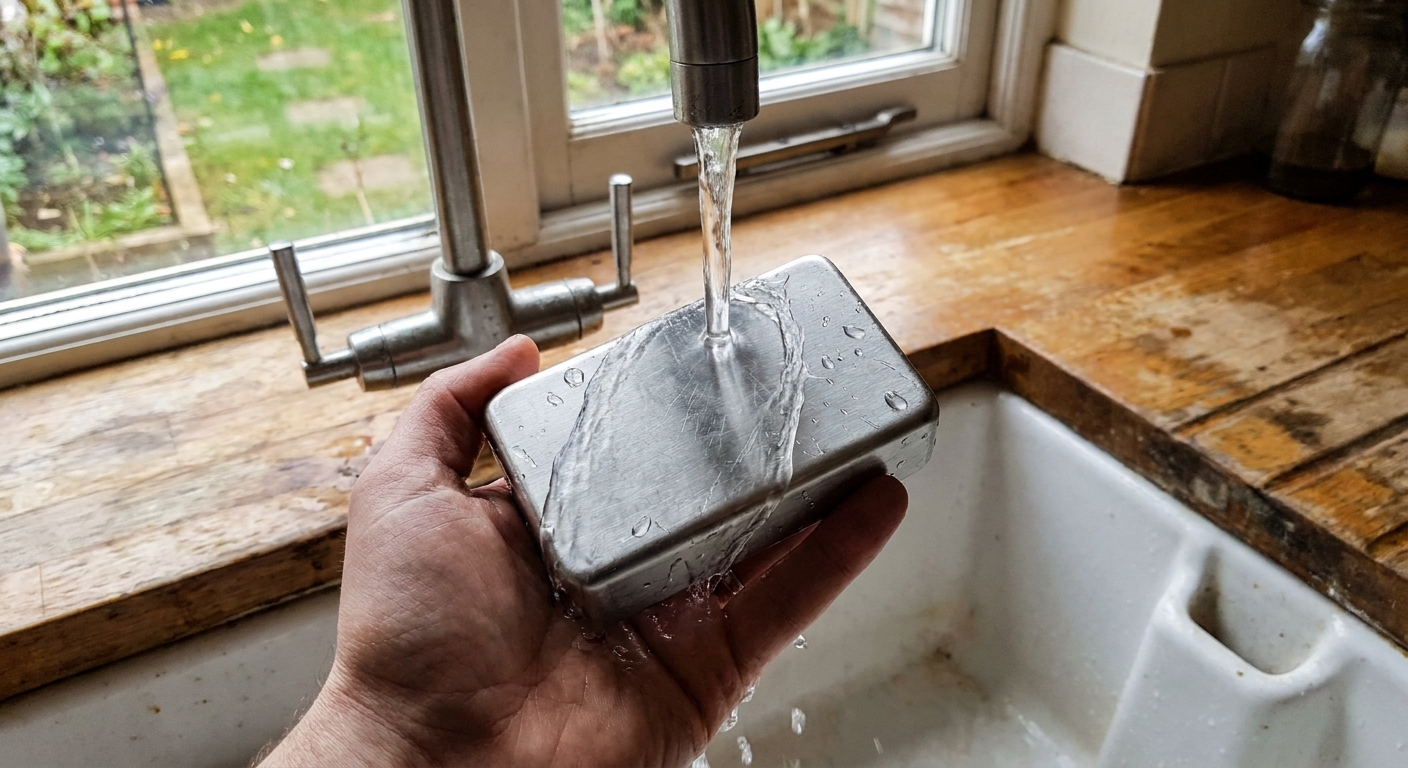
- Rinse, then rub hands with stainless steel under running water for 20 seconds. Some people swear by a stainless steel “soap” bar, and I have had decent luck with the back of a stainless spoon in a pinch, but your mileage may vary.
- If it still lingers, wipe hands with 70% rubbing alcohol on a cotton pad, then wash again with soap and water.
Avoid getting alcohol on cracked skin. It stings and can dry you out more. Also, rubbing alcohol is flammable, so use it with good ventilation and keep it away from flames.
What not to do
- Do not use bleach on skin.
- Do not rely on hand sanitizer alone. It often spreads oily residue around instead of lifting it.
When the smell still will not leave
If you have cleaned the suspected contact points and the room still has that sharp, cilantro-meets-rubber smell, one of these is usually true.
You missed the real source
- A bug got crushed on the back side of a curtain panel.
- Residue is on the window screen or in the track.
- The smell is in a throw pillow insert, not just the cover.
- It is on something you would not think to clean, like a lamp shade or a blind cord.
The odor is in a cushion core or carpet pad
If the squish soaked in, surface cleaning may not reach it. Options:
- For cushions, remove the cover and treat the foam lightly with a cloth dampened with dish-soap solution, then blot and air dry for a full day.
- For carpet, consider renting a carpet extractor and using an appropriate cleaning solution, or calling a pro if the odor is deep in the pad.
Check your vacuum
If you vacuumed up stink bugs, especially if one got crushed inside, the vacuum itself can become the stink source.
- Empty the canister or replace the bag.
- Wipe the canister and accessible plastic parts with a lightly soapy cloth, then wipe again with clean water and let it dry.
- If odor lingers, check and replace or wash filters according to the vacuum manual.
Use an air cleaner to finish the job
An air purifier that includes activated carbon can help adsorb lingering odor compounds after you clean. HEPA is great for dust and allergens, but the carbon stage is what helps most with smells. Run it on high for a few hours after cleaning. Ozone generators are sometimes marketed for odors, but I do not recommend them for occupied homes because ozone is a lung irritant and can damage materials.
FAQ
How long does stink bug smell last indoors?
On a hard surface that is cleaned quickly, it can be gone the same day. On fabric, it can linger for days if the residue is not removed. Proper washing or spot cleaning usually clears it within 24 to 48 hours, but deep carpet pad or cushion foam can take longer.
Does Febreze or air freshener remove stink bug odor?
It can help temporarily mask it, but it rarely removes the source. Think of stink bug odor like greasy cooking smell. You need soap or a cleaner that lifts residue.
Will vinegar make my house smell like vinegar?
It can, for a few hours, especially if you over-apply. Use a light mist or a damp cloth, ventilate the room, and the vinegar smell typically fades as it dries.
Can I use essential oils?
You can add a drop or two to a diffuser after cleaning, but do not use oils as your main fix. Adding more oils to an already oily odor problem can backfire on fabrics and porous surfaces.
How do I avoid making the smell worse next time?
If you can, do not crush them. I have the best luck capturing them with a cup and sliding paper underneath, then dropping them into a little cup of soapy water. A small piece of tape can also work for a single bug on a wall. If you use a vacuum, empty it promptly so the odor does not live in there.
The 30-Second Cheat Sheet
Essential takeaways for: How to Get Stink Bug Smell Out of a Room
Do this first (works for most rooms)
- Ventilate: Open windows and run a box fan facing out for 30 to 60 minutes.
- Remove odor sponges: Take curtains down and pull blankets, slipcovers, and throw pillows for washing.
- Absorb while you clean: Set out a wide bowl of baking soda or activated charcoal.
Why the smell lingers
Stink bug odor is a mix of smelly compounds and it can leave an oily film. Crushing bugs spreads that residue onto fabric, paint, and skin, making the smell stronger and longer-lasting.
Fabric (curtains, upholstery, carpet)
- Washables: Pre-treat with a few drops of dish soap, wash warm. Add 1/2 to 1 cup white vinegar to rinse if your washer manual allows. Do not dry until the odor is gone.
- Upholstery: Blot, then clean with 2 cups warm water + 1 tsp dish soap. Do not over-wet. Rinse with clean water. Light mist of 50/50 vinegar-water if needed. Baking soda overnight, then vacuum.
- Carpet: Blot, dish-soap solution, rinse, towel-dry, baking soda for several hours, vacuum.
Hard surfaces (windowsills, walls, floors)
- Lift residue with a dry paper towel first, then wash with warm water + dish soap.
- Rinse with clean water and dry.
- Spot test rubbing alcohol if you need extra oil-cutting power.
Hands
- Wash with dish soap.
- Some people find rubbing hands on stainless steel under running water helps.
- If it still lingers: quick wipe with 70% rubbing alcohol, then wash again.
If it still smells
- You missed the source (back of curtains, window tracks, pillow inserts).
- Odor soaked into cushion foam or carpet pad.
- Run an air purifier with activated carbon for a few hours after cleaning.
- Vacuum picked up odor. Empty/clean the vacuum and check filters.
💡 Tip: Scroll up to read the full article for detailed, step-by-step instructions.
⬆️ Back to top
About Grit
Content Creator @ Grit & Home
Grit is Grit & Home’s little blue clay courier, delivering big questions about the place you call home. Expect practical ideas, a raised eyebrow, and a satchel full of curiosity.