
🚨 In a DIY emergency or rush?
Skip the details and jump straight to our 30-second cheat sheet for the most crucial info.
Small courier. Big home questions.
You found a many-legged creature on the wall or the basement floor and your brain did the natural thing: filed it under Nope. But here is the twist. A millipede and a house centipede can show up in the same week for different reasons, and the right fix depends on which one you have.
Let’s sort it out using the clues your eyes can actually grab in the moment: body shape, leg layout, the curl-up reflex, speed, and the classic “it rained and now my house has guests” pattern.
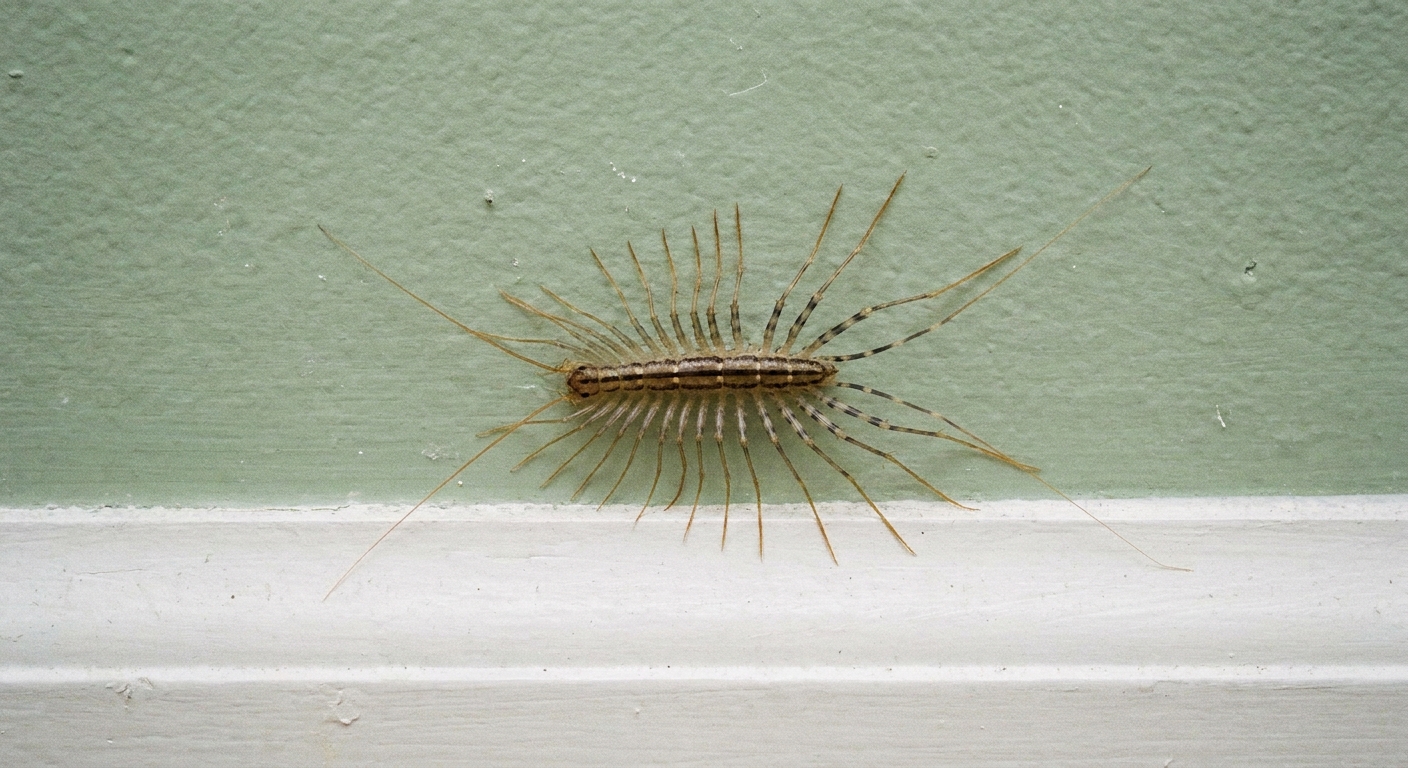
Fast ID: millipede or house centipede?
If you only have 10 seconds before it disappears behind the baseboard, use this.
It is probably a millipede if…
- It moves slowly, like it is pushing through the world instead of sprinting across it.
- It has a rounded, tube-like body and looks shiny or segmented like tiny armor.
- It curls into a C-shape or tight coil when disturbed or when it dies.
- You find it after heavy rain, often on floors, in garages, near patio doors, or around basement drains.
It is probably a house centipede if…
- It moves fast, with a skittery, stop-and-go sprint.
- It looks flat, with a narrow body and legs that stick out to the sides.
- Its legs are extremely long compared to its body, giving it a “feathery” outline.
- You see it on walls or ceilings, especially in basements, laundry rooms, or bathrooms where other bugs exist.
Leg count: useful, with one catch
Legs are the headline, but counting them is a trap unless you know what you are looking for.
Millipede legs
Millipedes have what looks like two pairs of legs on most trunk segments because many of their segments are fused into “double segments.” Translation: the legs tend to look packed tightly underneath, like a dense fringe.
In real life: you do not count. You notice that the legs are short and plentiful, and the body looks like a rounded train car.
House centipede legs
House centipedes have one pair of legs per body segment. Their legs are long and splayed, so the creature looks wider than it “should” for its body size.
Also, the back pair can be so long it gets mistaken for antennae. That is part of the house centipede’s whole unsettling vibe.
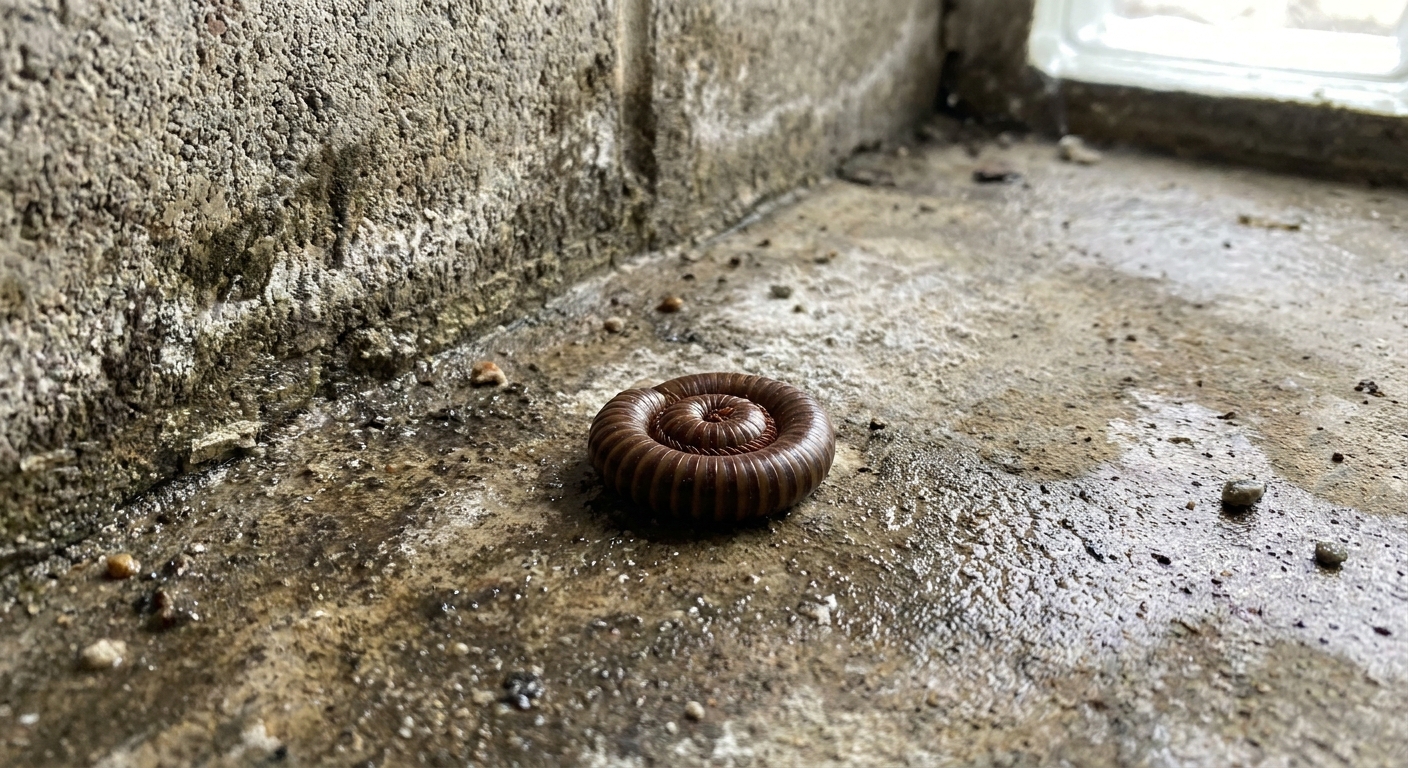
Body shape: the clue to trust
Millipede body shape
Rounded or cylindrical, like a tiny segmented tube. When it moves, it tends to stay low and grounded.
House centipede body shape
Flat and narrow, with a tapered look. When it moves, it looks elevated because those long legs lift the body off the surface.
Curling: the giveaway behavior
If you only remember one test, make it this one.
Millipedes curl
Many millipedes curl up when threatened. You might see a C-shape, a spiral, or a tight coil. This is a defensive move, and some species can also secrete an irritating fluid when handled.
House centipedes do not curl
House centipedes typically try to escape. They flatten, dart, and vanish. If you try to trap one, it will try to outrun the situation instead of folding into it.
Speed: slow roomba vs. tiny racehorse
This is the most emotionally obvious clue.
- Millipede: slow and steady. If you put a cup over it, you will probably succeed without a chase scene.
- House centipede: fast. They can sprint across floors and climb vertical surfaces quickly, especially at night.
What they eat (and why it matters)
If you like quick mental shortcuts, this one helps.
- Millipedes eat decaying plant matter, like wet leaves, mulch, and rotting wood. That is why outdoor beds packed with soggy debris can turn into a millipede launchpad.
- House centipedes eat insects and spiders. That is why a centipede sighting often means there is a steady snack supply somewhere nearby.
After rain: why they show up
Rain changes the moisture balance outdoors and in crawl spaces. Both creatures like damp conditions, but they react differently.
Millipedes after rain
Millipedes are outdoor decomposers that live in mulch beds, leaf litter, and damp soil. When soil and mulch get saturated, they sometimes wander and end up indoors by mistake, especially through gaps under doors, around garage thresholds, and near basement entries.
Common indoor spots: first-floor edges, garage floors, basement floors, near floor drains, sliding doors, and any place that stays cool and slightly damp.
House centipedes after rain
House centipedes are hunters that follow food. Rain can drive other insects inside, and centipedes may show up where prey is available. They also prefer humid hiding places.
One important note: house centipedes can be an indoor, year-round guest. Rain can make sightings more noticeable, but they are not strictly a rainy-season problem.
Common indoor spots: basements, laundry rooms, bathrooms, utility closets, and behind stored items where small insects also hang out.
Are they dangerous?
Millipedes
Millipedes are not predators, and they rarely bite humans. Some can release a defensive secretion that can irritate skin or eyes. Best practice is simple: do not handle them with bare hands, and wash up if you do.
House centipedes
House centipedes can bite, but bites are uncommon because they prefer fleeing. For most households, the bigger issue is the surprise factor, not a medical emergency. If anyone in your home has significant reactions to insect bites or stings, treat that as a personal health consideration and avoid direct contact.
What to do next: millipede removal
Millipedes indoors are usually a moisture and entry problem, not a “nest in the walls” situation. The goal is to remove the ones you see and make your home less attractive to the next wave.
Step 1: Remove what you see
- Vacuum them up with a hose attachment, then empty the canister or bag promptly.
- Or sweep and dispose into a sealed bag.
- Avoid crushing if you can. Some millipedes can stain surfaces or leave an odor.
Step 2: Dry the problem areas
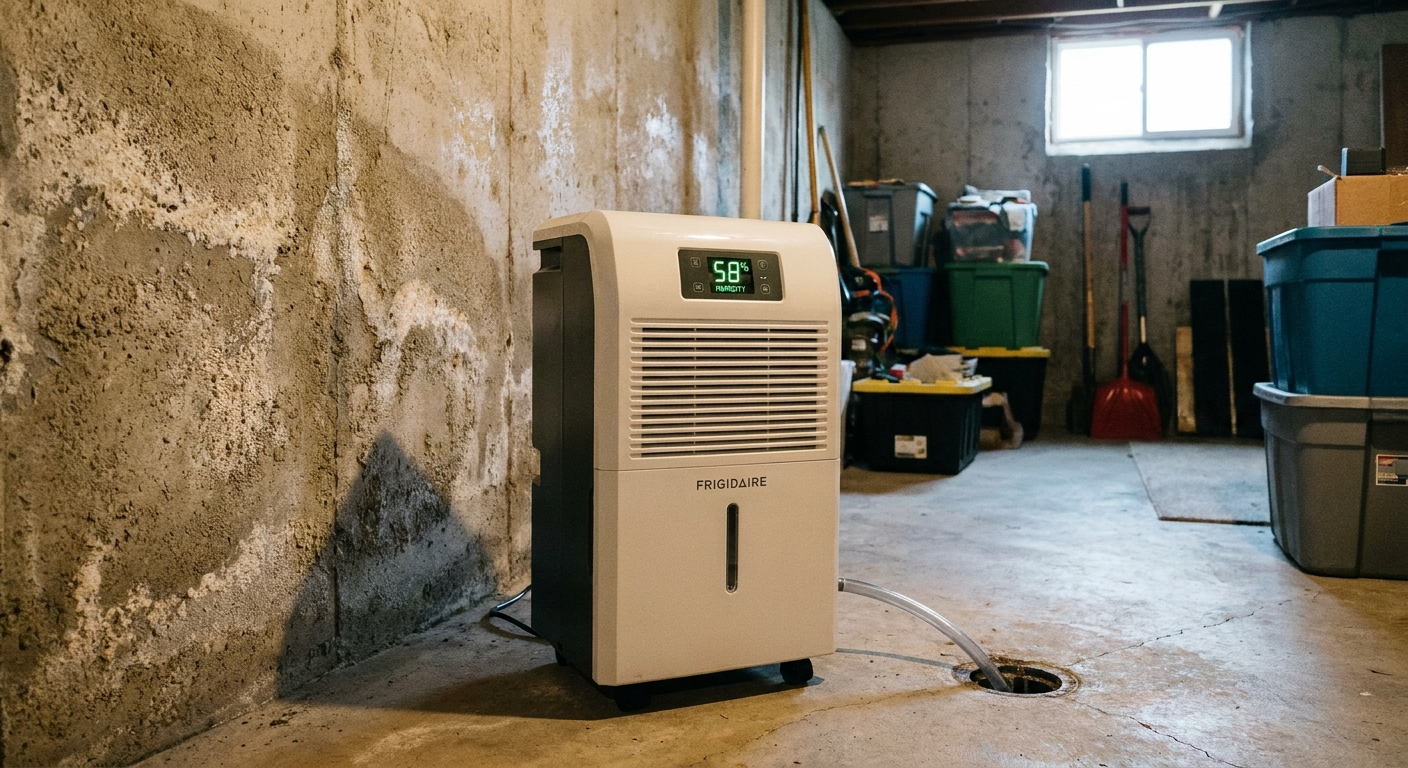
- Run a dehumidifier in damp basements or laundry areas.
- Fix drips and seepage at hose bibs, water heaters, and under sinks.
- Make sure downspouts discharge away from the foundation and gutters are not overflowing.
Step 3: Reduce the outdoor "welcome mat"
- Pull mulch, leaves, and heavy groundcover back from the foundation line.
- Store firewood away from the house and off the ground.
- Keep edging and landscape borders from trapping soggy debris against the wall.
Step 4: Seal the easy entrances
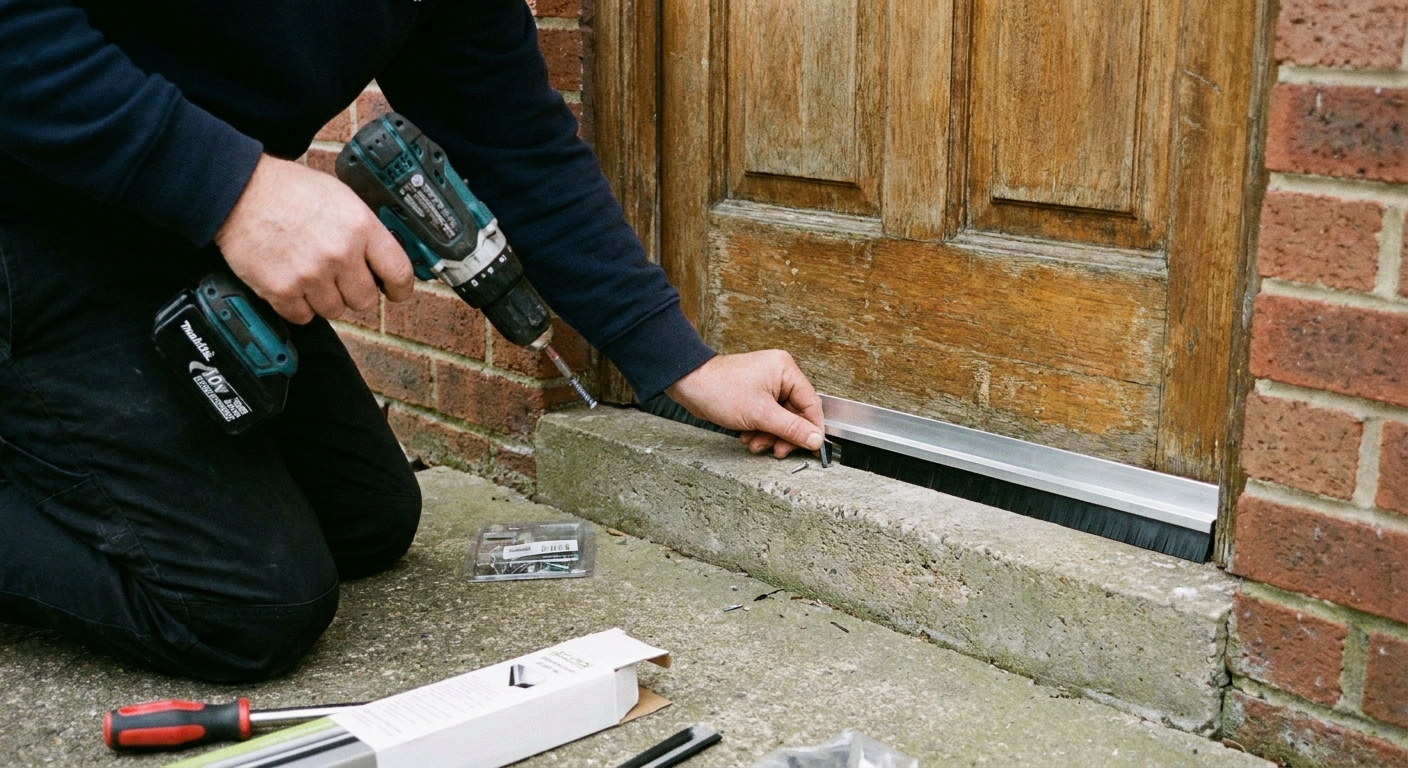
- Replace worn door sweeps and adjust thresholds.
- Seal small gaps where pipes and cables enter with appropriate caulk or expanding foam rated for pest blocking.
- Repair torn window screens and add weatherstripping where needed.
If you are seeing many indoors day after day, especially for more than a week, it is worth checking for a persistent moisture issue like a foundation leak, saturated mulch bed, or a crawl space humidity problem.
What to do next: house centipede decisions
If it is a house centipede, the most useful question is not “How do I kill this one?” It is “What is it eating in here?” House centipedes are predators, so a sighting can mean there are other small insects around.
Start with the non-dramatic moves
- Reduce humidity in basements and bathrooms with ventilation and dehumidification.
- Declutter floor edges in basements, utility rooms, and storage areas so they have fewer hiding spots.
- Seal gaps at baseboards, around plumbing penetrations, and at foundation entry points.
- Address prey insects by tightening food storage, cleaning crumbs, and fixing moisture that supports silverfish, roaches, and other damp-loving pests.
If you want to catch and release
Use the classic cup-and-paper trick. Place a clear cup over the centipede, slide a stiff piece of paper underneath, then carry it outside and release it away from the foundation.
If you want the full, centipede-specific removal plan, head to our centipede guide on Grit & Home for the step-by-step options tailored to them.
Mis-ID watch: three lookalikes
1) Earthworms in a bad situation
After storms, worms sometimes end up on garage floors or patios. They have no legs, a smooth body, and move by contracting, not walking.
2) Small brown centipedes
Outdoor centipedes are often darker, more robust, and less “feathery” than house centipedes. They still move quickly and have one pair of legs per segment.
3) Isopods (pill bugs)
Pill bugs have fewer visible legs, a more oval body, and are famous for rolling into a ball. They are crustaceans, not insects, and they also point to moisture.
When to call for help
DIY is great until it becomes a recurring house mystery.
- Call a pro if you have persistent moisture you cannot locate, repeated heavy indoor sightings, or you suspect a hidden leak or crawl space issue.
- Prioritize safety if pests are showing up near sleeping areas, a child’s room, or if anyone in the home has heightened medical risk from bites or exposures.
FAQ
Why am I suddenly seeing millipedes in my house?
The most common trigger is too much moisture, often after rain or irrigation, plus an entry point like a door gap or foundation crack. Millipedes usually do not want to live indoors, but they will wander in.
Is a house centipede a sign of a dirty house?
Not necessarily. House centipedes are more about humidity and available prey than cleanliness. Even tidy homes can have silverfish, ants, or other small insects in basements and wall voids.
Do millipedes infest homes?
They can show up in large numbers, but it is typically a mass wandering event tied to outdoor conditions, not an indoor breeding infestation like some insects.
Which one should I worry about more?
Millipedes are more likely to show up in numbers and point to moisture at doors and foundations. House centipedes are solitary hunters and can be alarming, but they often indicate there is a small-insect food source nearby. In both cases, the long-term fix is usually moisture control plus sealing entry points.
The 30-Second Cheat Sheet
Essential takeaways for: Millipedes vs. House Centipedes: Spot the Difference
Spot it in 10 seconds
- Millipede: rounded tube body, many short legs tucked underneath, slow mover, often curls into a C or coil.
- House centipede: flatter narrow body, extremely long legs sticking out to the sides, fast skitter, usually does not curl.
Best single clue
- Curls up: millipede.
- Sprints away: house centipede.
What they eat
- Millipedes: decaying leaves, mulch, and other plant matter.
- House centipedes: insects and spiders.
Where they show up after rain
- Millipedes: floors, garages, basements, near doors and drains. They wander in from wet mulch and soil.
- House centipedes: walls and ceilings in basements, bathrooms, laundry rooms. They are hunting other bugs.
What to do next
- If it is a millipede: vacuum or sweep, dry out damp areas (dehumidifier, fix leaks), pull wet mulch and leaves away from the foundation, replace door sweeps and seal gaps.
- If it is a house centipede: focus on humidity control, declutter basement edges, seal entry points, and reduce prey insects by fixing moisture and tightening food storage.
Do not do this
- Do not handle millipedes bare-handed. Some secrete irritating fluids.
- Do not ignore repeated sightings. Both are often a moisture clue.
💡 Tip: Scroll up to read the full article for detailed, step-by-step instructions.
⬆️ Back to top
About Grit
Content Creator @ Grit & Home
Grit is Grit & Home’s little blue clay courier, delivering big questions about the place you call home. Expect practical ideas, a raised eyebrow, and a satchel full of curiosity.