
🚨 In a DIY emergency or rush?
Skip the details and jump straight to our 30-second cheat sheet for the most crucial info.
The first time I noticed them, I honestly thought I had a fresh mole problem. Dozens of little dirt volcanoes appeared in the sunniest part of my lawn almost overnight. I was already mentally pricing traps and wondering what else they would tear up.
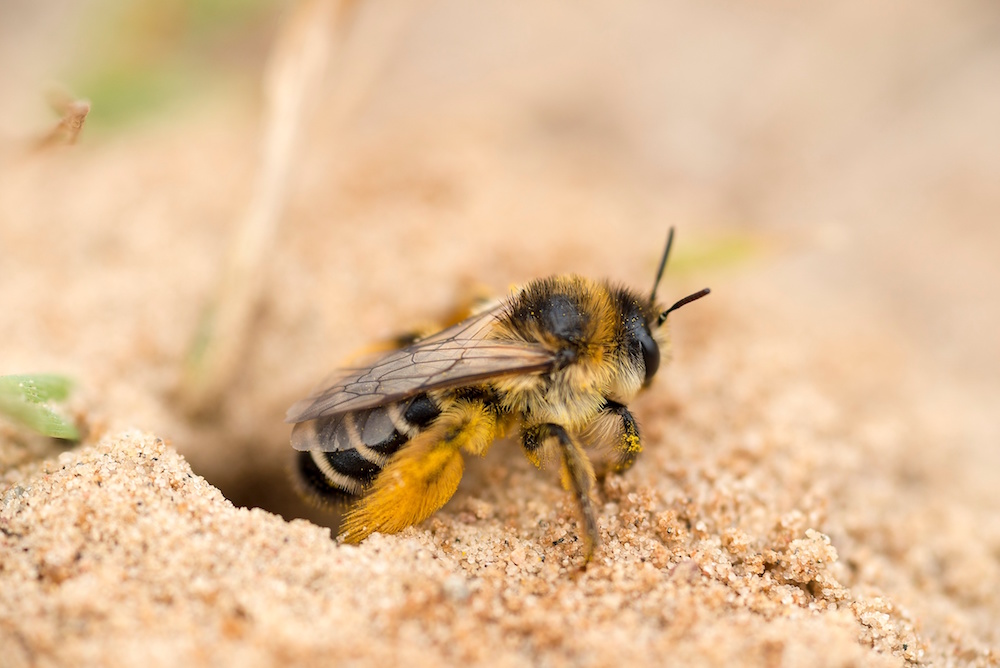
Then I sat still for a minute with my coffee and saw the real culprit: small, fast bees zipping low to the ground, popping into those holes like they owned the place. Turns out they do, just temporarily.
If you are staring at springtime soil mounds and wondering whether to declare chemical war, take a breath. In many yards, these are mining bees, also called ground-nesting solitary bees. “Mining bee” is a catch-all term homeowners use for several kinds of spring ground nesters (often in groups like Andrena, Colletes, and sometimes Halictus), so the exact look and timing can vary by region.
Quick answer: should you leave them?
In most cases, yes. If the mounds are small and scattered, and you are seeing mild bee activity for a short window in spring, it is usually best to leave them alone. They are typically non-aggressive and unlikely to sting unless handled or stepped on. The nesting phase is usually a few weeks, but it can run shorter or longer depending on your weather, latitude, and the species.
The exceptions are when the nest area overlaps with high-traffic play space, someone in the home has a severe bee sting allergy, or you determine you are dealing with a different insect entirely, like yellow jackets or a large digging wasp.
Mining bees vs moles vs cicada killers
The trick is to stop looking at “dirt piles” as one category. The size, shape, and pattern tell you almost everything. That said, nature loves exceptions, so use a couple clues together before you decide what you are dealing with.
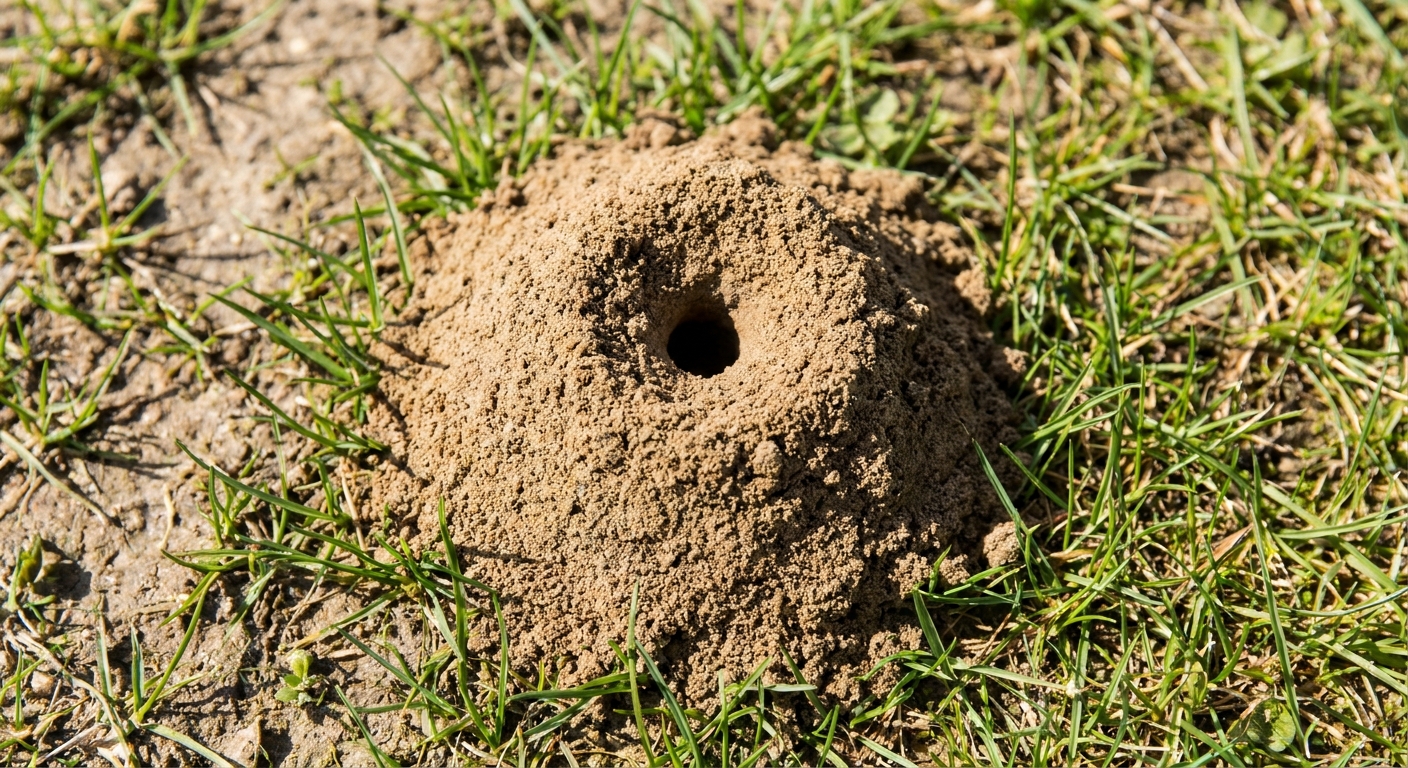
Mining bees: many small mounds, each with a neat hole
- Mound size: Usually small, often 1 to 3 inches across.
- Hole: A clean, round opening in the center, often pencil-sized.
- Pattern: Lots of mounds in a sunny, well-drained spot. You can see dozens in a patch.
- Timing: Often spring, but it varies by region and species.
- Extra clue: You will often see bees flying low, hovering, then dropping into holes.
Moles: long raised ridges and occasional larger mounds
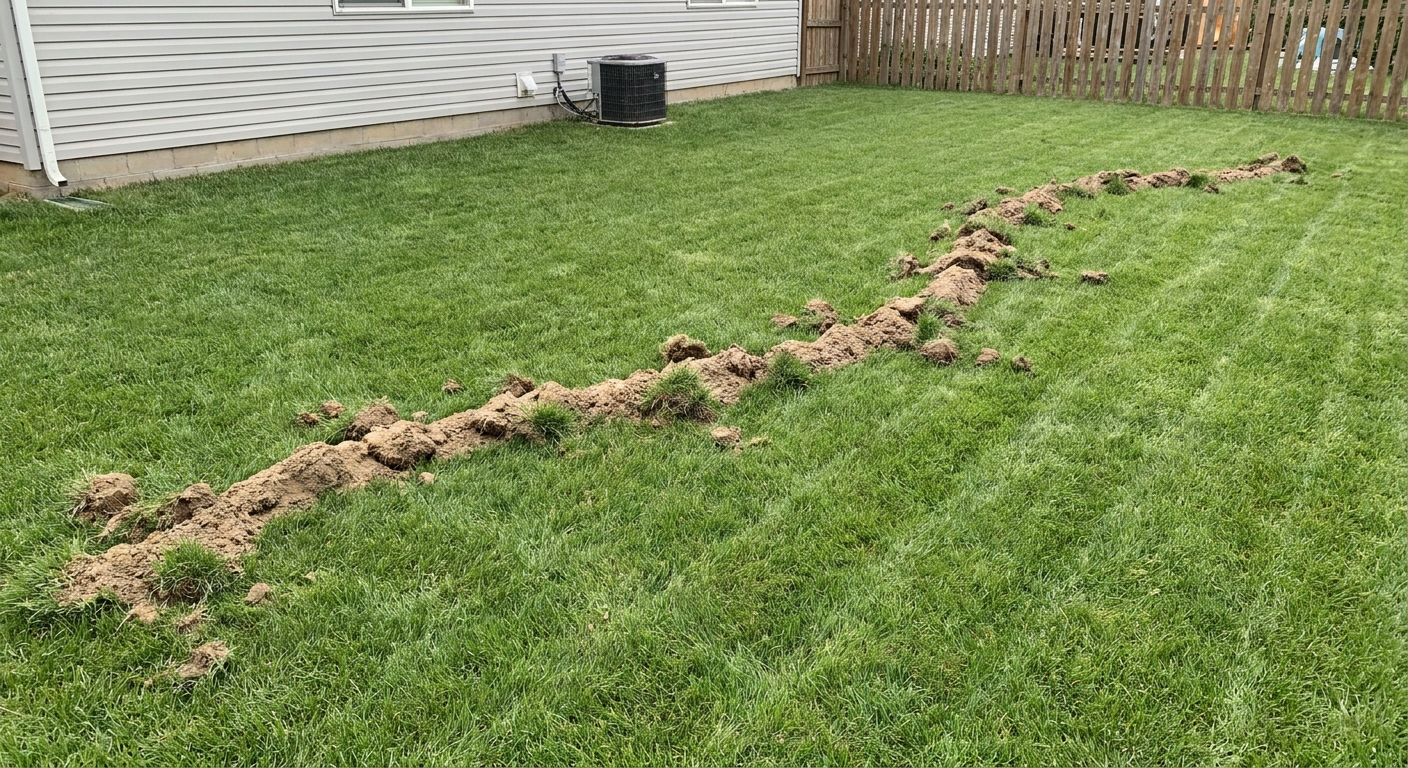
Moles are tunnelers. Their signature is not a bunch of tiny cones. It is surface ridges that feel squishy underfoot, plus occasional larger piles of soil.
- Ridges: Meandering raised runs across the lawn.
- Mounds: Can be larger and irregular, but usually not dozens of identical tiny cones.
- Timing: Can happen any time soil is workable, often worse when soil is moist.
Cicada killer wasps: fewer burrows, one bigger entrance with a fan of soil
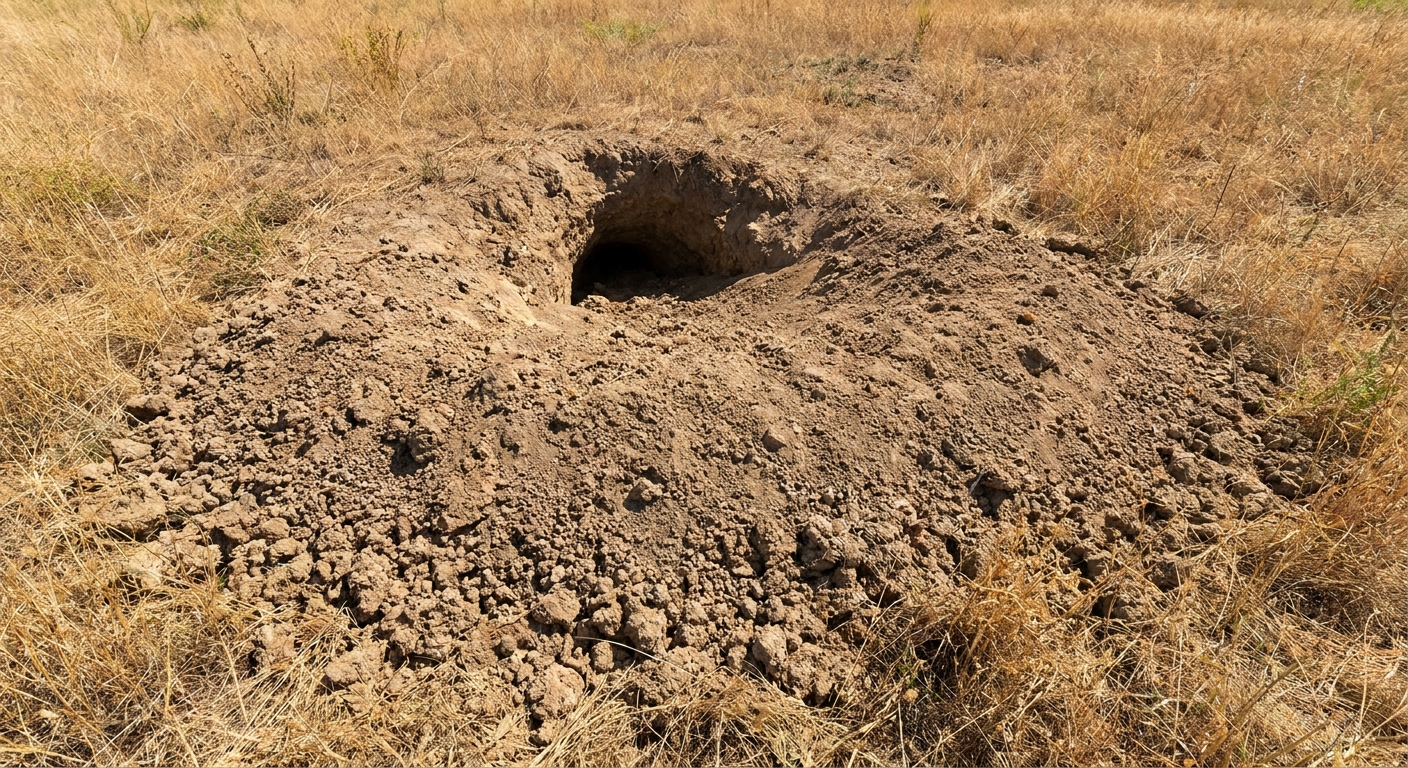
Cicada killers get blamed for all kinds of lawn holes, but they are pretty distinct once you know what to look for. They are large solitary wasps, and the entrance is typically much bigger than a mining bee nest.
- Burrow entrance: Often around 1/2 inch or more, but size varies. It is usually noticeably larger than a pencil.
- Soil: A spray or fan of excavated dirt, not just a small cone.
- Pattern: Usually a handful of burrows, not a carpet of tiny mounds.
- Timing: More common in summer than early spring in many areas.
Common look-alikes
Before you blame bees, take a quick second look. A few other yard “mounds” can look similar at first glance.
- Ant hills: Grainy, sandy piles with ants visible. The opening is not usually a clean, centered round hole like a bee nest.
- Earthworm castings: Small crumbly piles, often after rain or heavy watering, with no obvious entrance hole.
- Other digging wasps: Some solitary wasps also nest in soil (often later in the season), and you might see them dragging prey like caterpillars or spiders.
What they are doing in your yard
Mining bees are solitary bees. That means each female is basically a one-bee contractor: she digs her own tunnel, builds a few small chambers off that tunnel, stocks each chamber with pollen and nectar, lays an egg, then seals it up.
They prefer:
- Sunny exposure
- Well-drained soil
- Sparse grass or thin spots where digging is easier
- South-facing slopes and edges of sidewalks or driveways
That is why they show up in the same few places year after year. Your yard has a patch that warms early and drains fast, and ground-nesting bees notice.
How long do they last?
This is the part most homeowners do not realize. The visible digging and the busy flight activity are usually short-lived. In many yards, you get a burst of activity for 2 to 6 weeks in spring, then it fades as adults die off and the next generation develops underground.
The abandoned holes and little soil cones get erased by:
- a couple of good rains
- normal mowing
- grass thickening as temperatures rise
If you can tolerate the “mess” for a bit, the situation often resolves on its own without doing anything drastic.
Why spraying is usually the wrong move
I am not anti-product. I am anti-wasted money and collateral damage.
Here is why blanket spraying is usually a bad call for spring ground-nesting bees:
- They are pollinators. Broad insecticides do not just hit the bees at the holes. They can affect other beneficial insects too.
- It rarely solves the root cause. The conditions they like are bare or thin turf and exposed soil. If that stays the same, you are likely to keep attracting ground-nesting bees or other soil nesters.
- It can increase exposure risk. Lawn insecticides can leave residues, and you may see dead or dying insects for a bit afterward. That is not what you want in a kid or pet zone.
- Misidentification is common. If the real issue is yellow jackets or a different ground nest, the approach changes a lot.
If someone tells you to use a mole trap, a grub treatment, or a generic lawn insect spray for “those dirt mounds,” that is a sign they are not diagnosing the right thing.
If you do decide to use any pesticide for any reason, follow the label exactly. The label is the law.
When you should not ignore them
Most of the time, ground-nesting bees are a “wait it out” situation. But there are a few scenarios where you take extra steps.
The nest zone is in a play area
If the holes are in the exact spot where kids run barefoot, where a dog loves to roll, or right at the base of a swing set, I do not love the idea of constant traffic directly over active nest entrances.
Even though these bees are generally not aggressive, repeated stepping right on the entrances increases the chance of an accidental sting.
Someone has severe sting allergies
If a family member has had anaphylaxis from stings, treat any stinging insect risk seriously. That might mean temporarily restricting access to the area and talking with a local extension office or a licensed pest professional about the lowest-impact options for your exact situation.
The holes do not match ground-nesting bees
If you see one big hole with a lot of excavated soil, or you see insects that look like large wasps patrolling and bumping you, do a second ID check. Yellow jackets can nest in the ground too, and that is a different safety situation. If you suspect yellow jackets, keep people and pets away until you confirm what you have.
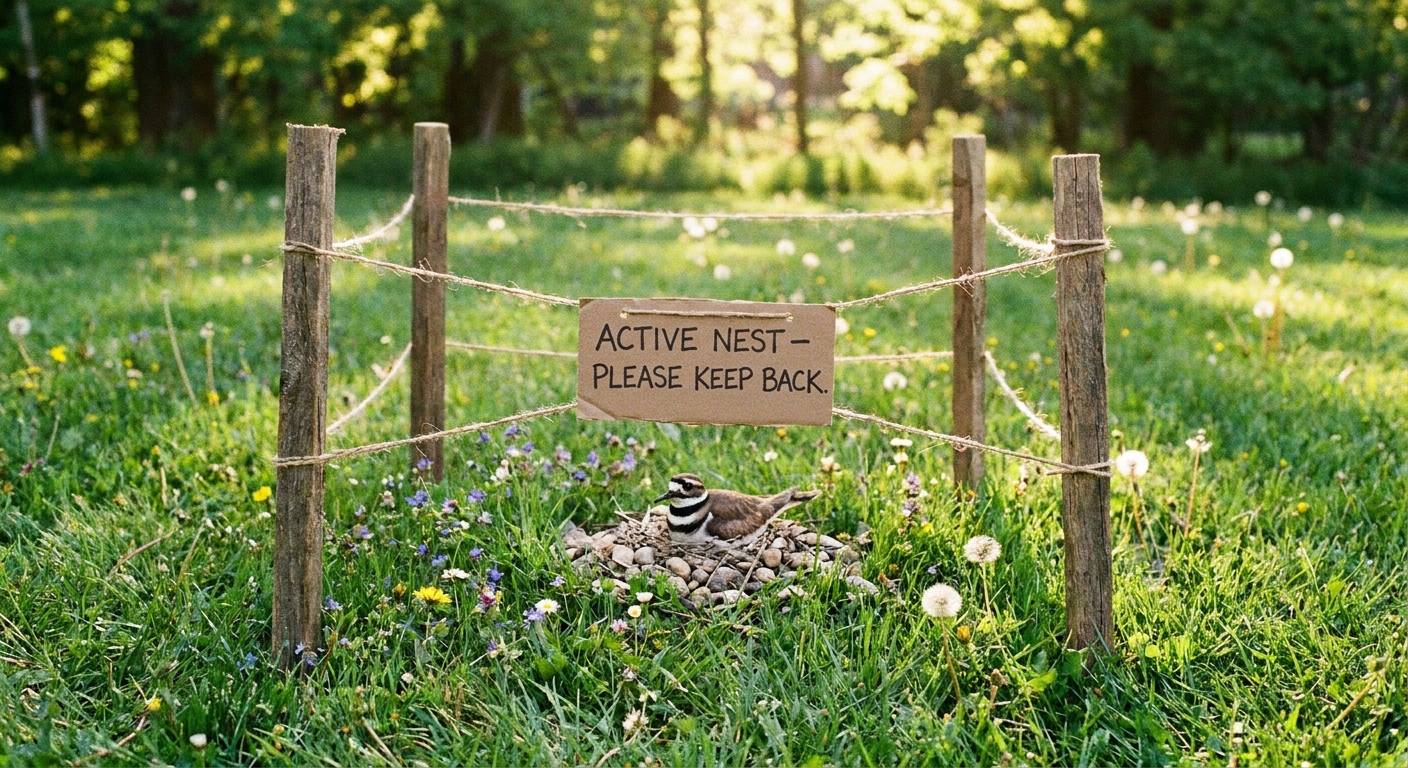
A simple barrier for play zones
When the nest area overlaps with real life, my go-to is not poison. It is separation.
For a couple of weeks, set up a temporary “keep out” zone so the bees can finish their nesting cycle without you or your kids constantly disturbing them.
Option 1: garden stakes and bright string
- Hammer in 4 stakes around the active patch
- Run string or twine at kid-eye level
- Make the zone bigger than you think you need, since bees fly in and out at low altitude
Option 2: a low temporary fence panel
A short, freestanding garden fence section works well if you need something more physical than string, especially with pets.
Option 3: move the fun
If it is a sandbox, kiddie pool, or soccer goal, shift it 10 feet for a few weeks. That is often the cleanest solution.
How to prevent a repeat next spring
If you want fewer nests next year, think like a bee: remove the easy digging spots.
Thicken the turf
- Overseed thin areas in the right season for your grass type.
- Improve soil with compost topdressing if your lawn is compacted or low in organic matter.
- Adjust mowing height so grass shades the soil. Taller grass generally means fewer bare spots.
Reduce bare, sunny soil patches
Edges along driveways and sidewalks are common hotspots. If you have a strip that is always sparse, consider widening a mulched bed there or planting a groundcover instead of fighting that strip forever.
Water smarter
Ground-nesting bees like well-drained soil, but overwatering to “discourage” them is not a great plan. The better approach is overall lawn health: deep, infrequent watering that encourages roots, paired with overseeding where needed.
FAQ
Are mining bees dangerous?
They are typically not dangerous and are generally non-aggressive. Because they are solitary and not defending a big colony, they are much less likely to sting than social wasps. They can still sting if handled or stepped on, so shoes and a little awareness go a long way.
Do mining bees mean I have grubs?
Not necessarily. Ground-nesting bees are nesting in soil, not tunneling like moles and not showing up because of grubs. Treating for grubs will not reliably address bee mounds.
Will mowing get rid of them?
Mowing can knock down the little soil cones, but it will not stop nesting while the bees are active. The activity usually fades on its own after the spring nesting period.
Should I fill the holes with dirt?
I do not recommend it during active nesting. You are more likely to trap bees inside or encourage them to re-dig. If you want to smooth things out, wait until activity stops and then lightly rake the area and focus on thickening grass.
What if I only have one large hole?
One large hole with a noticeable pile or fan of dirt points away from mining bees. Re-check for cicada killer wasps or other ground-nesting insects. If the insect is aggressively defending the area or you suspect yellow jackets, keep people away and consider local expert help.
The 30-Second Cheat Sheet
Essential takeaways for: Mining Bees in Your Lawn: Should You Leave Them?
What those spring dirt mounds usually are
- Mining bees (spring ground-nesting bees): many small 1 to 3 inch soil cones, each with a neat pencil-sized hole.
- Moles: long raised ridges (surface tunnels) and occasional larger irregular mounds.
- Cicada killers: fewer burrows, one larger entrance with a fan of excavated soil (often more of a summer thing).
Should you leave mining bees alone?
Usually, yes. They are solitary pollinators, typically non-aggressive, and the busy nesting window is usually a few weeks in spring (timing varies by region and species).
Why spraying is usually the wrong move
- Broad sprays can harm pollinators and other beneficial insects.
- It often does not fix the root issue (thin turf and exposed soil).
- It is easy to mis-ID the pest and waste money on the wrong treatment.
When you should take action
- The holes are in a kid or pet play zone.
- Someone in the home has a severe sting allergy.
- The holes are large or the insects seem aggressive, which may indicate a different insect.
Best low-drama fix for a play area
Use a temporary barrier for a couple weeks: stakes and string, a small garden fence panel, or simply move the play item. Let the nesting cycle finish.
How to prevent a repeat next year
- Thicken turf with overseeding and better soil.
- Reduce bare sunny patches (beds, groundcover, or healthier grass).
- Mow at a height that shades soil and discourages easy digging.
💡 Tip: Scroll up to read the full article for detailed, step-by-step instructions.
⬆️ Back to top
About Grit
Content Creator @ Grit & Home
Grit is Grit & Home’s little blue clay courier, delivering big questions about the place you call home. Expect practical ideas, a raised eyebrow, and a satchel full of curiosity.