
🚨 In a DIY emergency or rush?
Skip the details and jump straight to our 30-second cheat sheet for the most crucial info.
The first time this happened in my 1970s ranch, I was convinced a bathroom wax ring had failed. The weird part was the timing: the house only smelled like sewer gas after the heat kicked on. No smell when the system was off. No smell outside. Just that sudden, unmistakable funk that seemed to ride the airflow.
If that sounds familiar, you are chasing a different problem than the usual “bathroom smells all the time” checklist. When the odor shows up only when the blower runs, it often means your HVAC is moving air from a smelly spot into the living space, or the blower is creating enough pressure imbalance to pull odor past a weak trap seal.
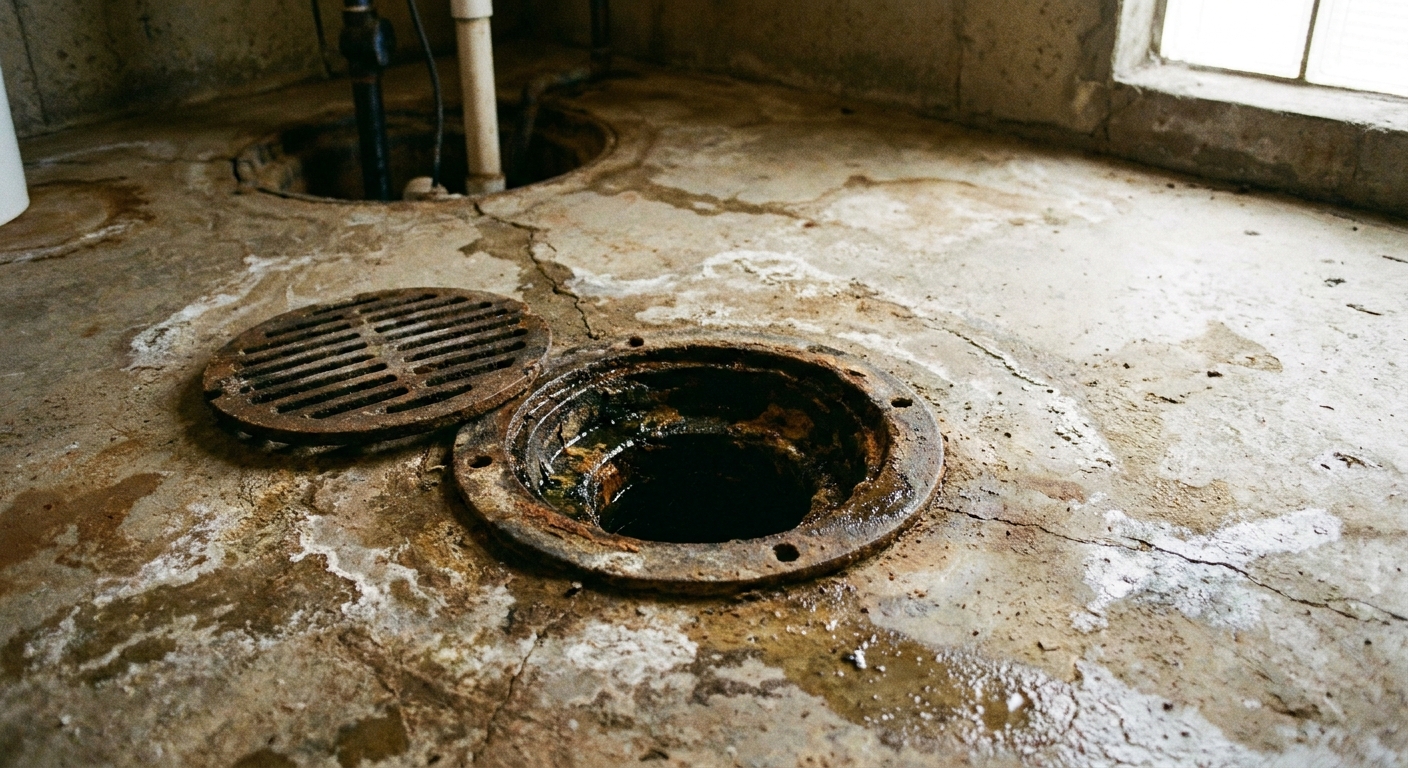
What the timing is telling you
When the blower starts, three things can happen that change odors fast:
- Pressure imbalances: Return leaks to a basement, crawlspace, attic, or wall cavity, plus restricted return paths (like closed interior doors with no transfer air path), can put parts of the house under negative pressure and pull air from plumbing openings or drain systems. In many homes the blower alone does not depressurize the whole house, but room-by-room imbalances and duct leaks are common.
- Air gets redistributed: A return duct near a basement drain, sump pit, or mechanical room can grab that air and deliver it everywhere.
- Condensate starts moving: In AC mode (and high efficiency furnaces), condensate lines and traps get involved. If they are dry, clogged, or not set up correctly for your equipment, you can smell it when the system runs.
The key clue is this: if the smell tracks the HVAC airflow, your fix is usually at the intersection of plumbing traps, drains, returns, and condensate.
Rule out non sewer smells first
Not every “gross” odor is sewer gas. Before you start pouring water into drains, make sure it really is sewer related. Sewer gas is typically a mix of gases from decomposition (often including methane and hydrogen sulfide), and it tends to read as sulfurous or “open drain.”
It might be a normal furnace smell if
- You just turned the heat on for the first time this season and it smells like dusty warm air for a day or two.
- The smell is more like hot metal or burning dust and fades quickly.
It might be an AC coil or duct moisture smell if
- The odor is musty, like a wet towel or old basement.
- You see visible mildew around supply registers or you have high indoor humidity.
It is more likely sewer gas if
- It smells like rotten eggs, sulfur, or an open drain.
- The smell is strongest near a bathroom, laundry, basement, or mechanical room, then spreads when air starts moving.
Safety note: Sewer gas is unpleasant, but the bigger immediate “do not ignore” item is natural gas. Gas utility odorants are often described as rotten eggs or skunk. If there is any chance it is a gas leak, leave the house and contact your gas utility or emergency services. When in doubt, treat it as a gas leak.
Fast isolation test: supply vs return
This 5-minute test helps you decide where to focus.
Step 1: Sniff at one supply register
Pick a supply vent that is easy to access. When the blower starts, put your nose near the airflow.
- If the smell is coming out of the supply air strongly, the odor is likely being picked up near the air handler or return side and distributed.
- If the supply air seems fine but the room still smells, you may be pulling sewer odor into that room through cracks, dry traps, or a nearby drain due to pressure changes.
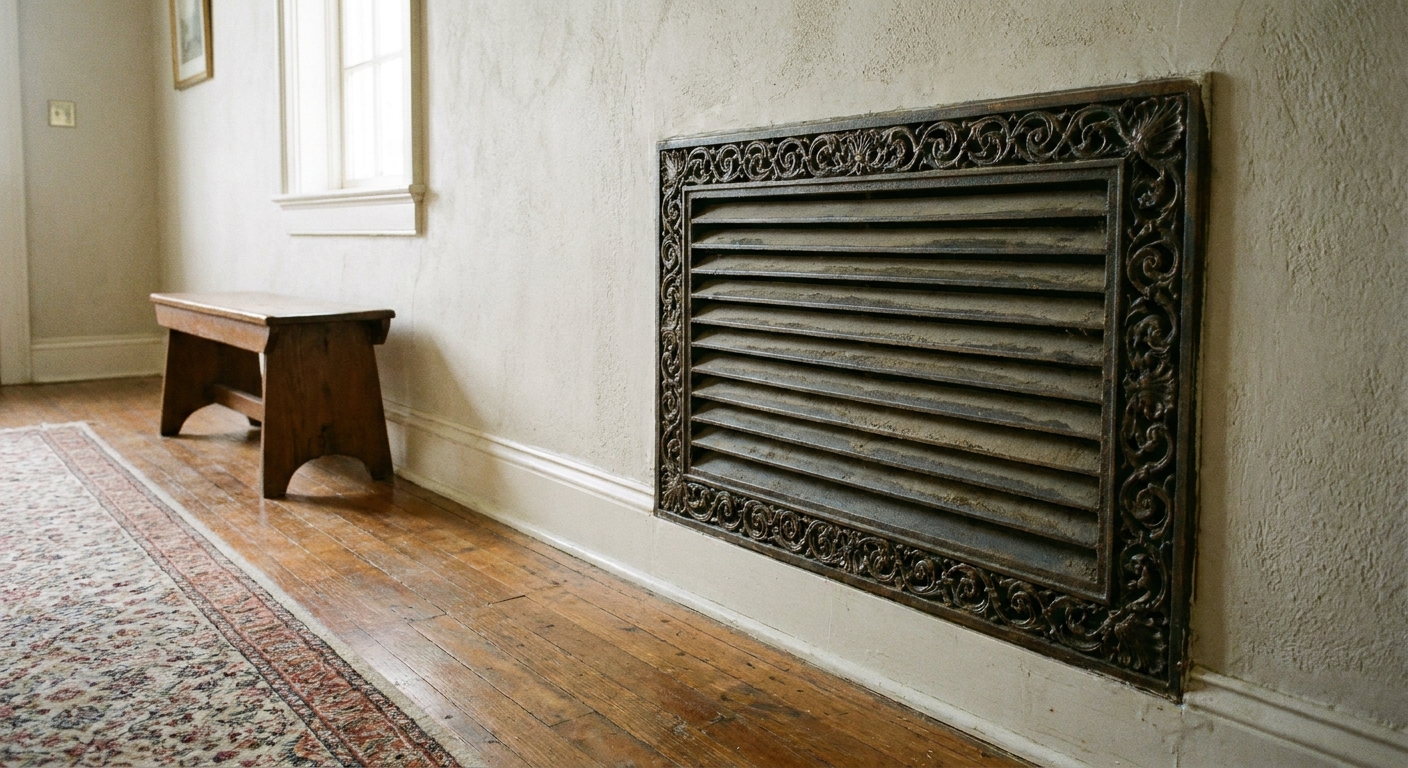
Step 2: Sniff near a large return grille
Stand near the return when the blower runs. If it smells strongest there, the return is likely collecting the odor source.
The most common causes when the smell only happens with HVAC
1) A dry P-trap getting siphoned or evaporating
Every plumbing fixture needs a water seal in the trap to block sewer gas. If a drain is rarely used, the trap water can evaporate. If you also have return leaks to an unconditioned space, or you are getting room pressure imbalances when the HVAC runs, you can sometimes pull odor past a weak trap seal.
Common dry traps:
- Basement floor drains
- Utility sinks
- Guest bathroom showers
- Laundry standpipes
- Condensate drains that connect to plumbing without a proper trap
Quick fix: Pour water into the suspected drain. For a floor drain or seldom used sink, a tablespoon or two of mineral oil afterward can slow evaporation. Do not dump in a lot, and skip the mineral oil idea if that drain discharges to a sump you pump for irrigation or another sensitive setup. If the smell disappears immediately, you found a big piece of the puzzle.
2) A return duct pulling air from a drain area
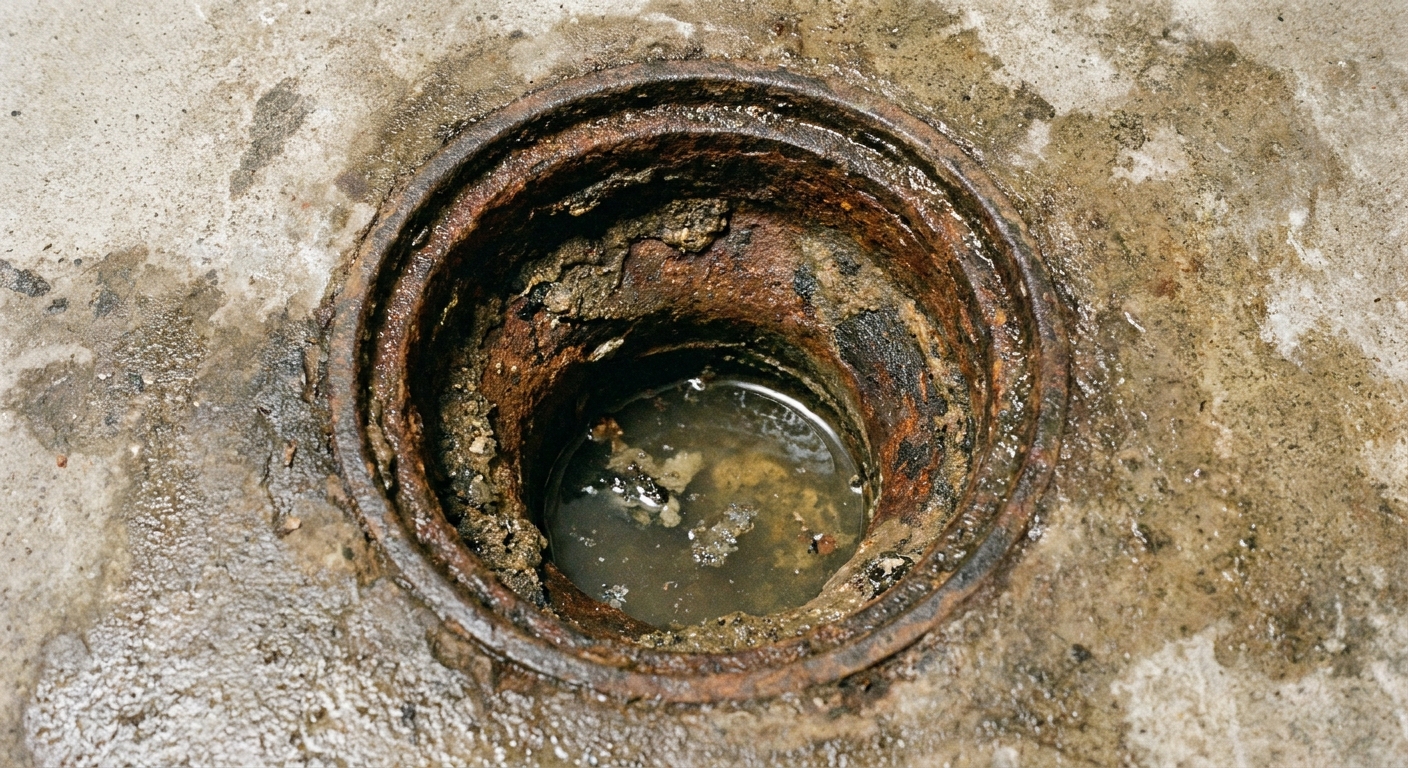
If you have a return in a basement, mechanical room, or near a bathroom, it can act like a vacuum for whatever is in that air. I have seen returns installed surprisingly close to a floor drain, sump pit, or a loose cleanout cap. When the blower runs, it grabs that odor and distributes it fast.
Clues:
- The smell is strongest near one return grille.
- The basement or utility room smells “normal” until the blower starts.
- Closing the door to a smelly area changes the smell intensity elsewhere.
DIY checks:
- Look for a floor drain, sump pit, sewage ejector pit, or untrapped drain in the same room as the return.
- Check for a loose cleanout plug or missing cleanout cap on a drain line.
- Look for obvious return-side gaps: a sloppy filter rack, open seams at the return plenum, or disconnected duct. Sealing return leaks is one of the most common odor fixes.
- Hold a thin piece of toilet paper near the return. If it is pulling hard with doors closed, you may have a return air path issue (the room is going negative when the door shuts).
Fix options: The real fix depends on what the return is pulling from. You might correct a dry trap, seal a cleanout, cover and gasket a sump pit, or address duct leakage and return placement. If a return is in the same space as combustion appliances, be careful. In some situations, modifying returns is a job for an HVAC pro due to backdrafting risk.
3) A condensate drain, trap, or pan issue
Air conditioners pull moisture out of the air. High efficiency furnaces also create condensate. That water goes into a drain pan and down a condensate line.
If something is off, you can get odors when the blower runs:
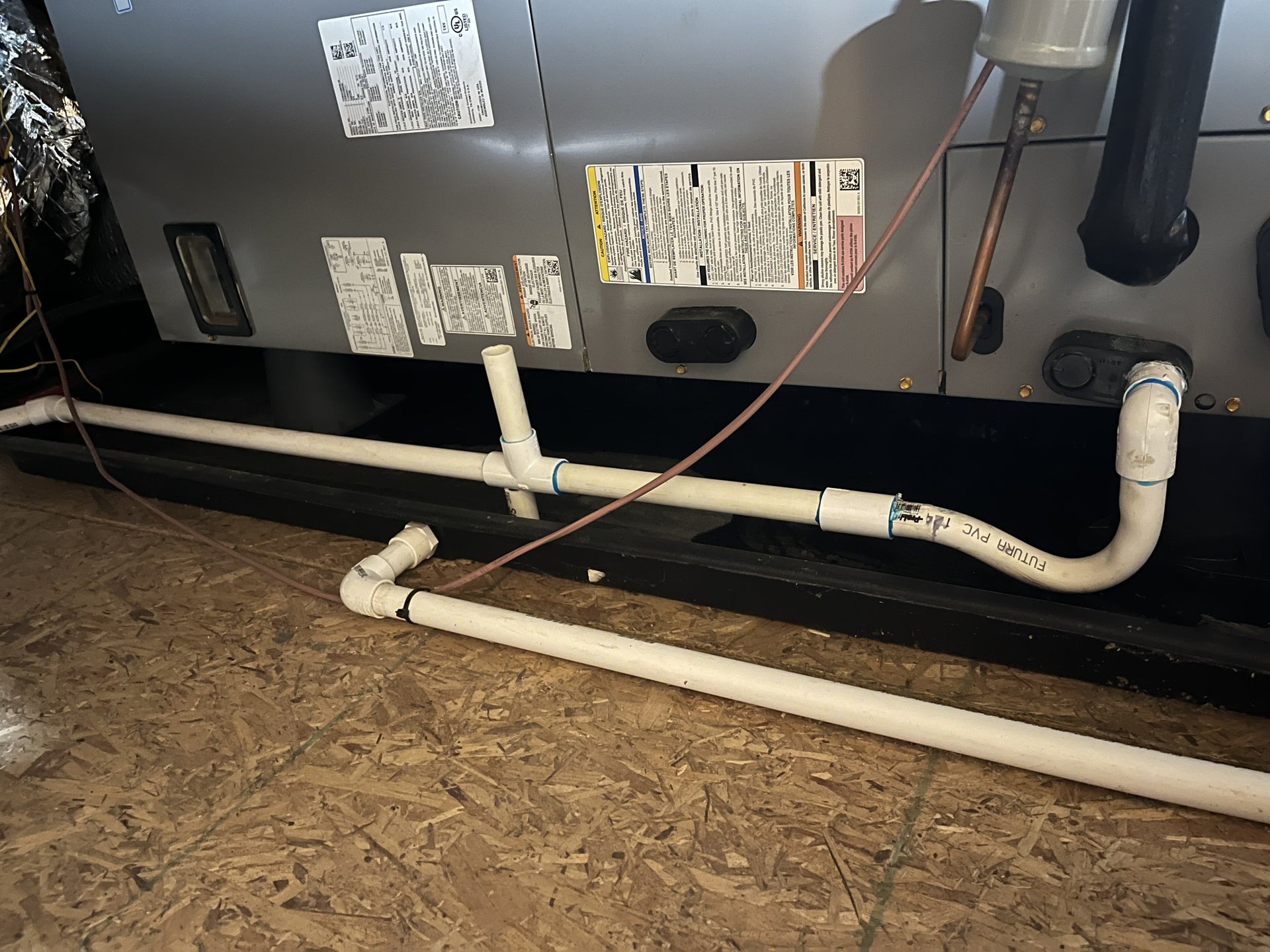
- Trap issues (when required): Some evaporator coils and air handler configurations require a trapped drain to prevent air from moving through the drain line. Others are designed differently. If the setup is wrong for your equipment, it can pull funky air into the system or cause drainage problems.
- Algae or biofilm in the pan: A sour, sewer-like odor can develop and get blown through the house.
- Clogged line: Standing water gets nasty, and sometimes overflows.
DIY checks you can do:
- Turn off power to the HVAC at the switch or breaker.
- Inspect the condensate pan for standing water, slime, or rust.
- Follow the condensate drain line to where it terminates. Confirm it is not dumping near a floor drain that is dry.
Cleaning basics: Flush the line carefully and clean the pan. Avoid mixing chemicals that can damage components. If you are unsure, an HVAC tech can clean and verify the drain and trap configuration quickly.
A step-by-step troubleshooting order
If you want the most efficient path, this is the order I would use in my own house.
Step 1: Check the easiest traps
- Pour water into every rarely used drain: basement floor drain, utility sink, guest shower, laundry standpipe.
- Run water for 15 to 30 seconds in each.
Step 2: Run the blower in fan-only mode
Set your thermostat to “Fan On” so the blower runs without heating or cooling. If the smell still happens, the issue is more likely air movement than something created by heat or cooling.
Step 3: Identify the strongest return
Walk the house. Find where the smell is strongest when the blower starts. That often points to the return pulling the odor in.
Step 4: Check drains and pits near that return
- Floor drain trap wet or dry?
- Sump pit sealed with a gasketed lid or open?
- Sewage ejector pit sealed, bolted down, and gasketed?
- Any open cleanouts?
Step 5: Inspect the air handler area
- Condensate pan condition
- Condensate line and trap setup (if your system uses one)
- Any signs of water damage or standing water
Step 6: Look for return duct leaks
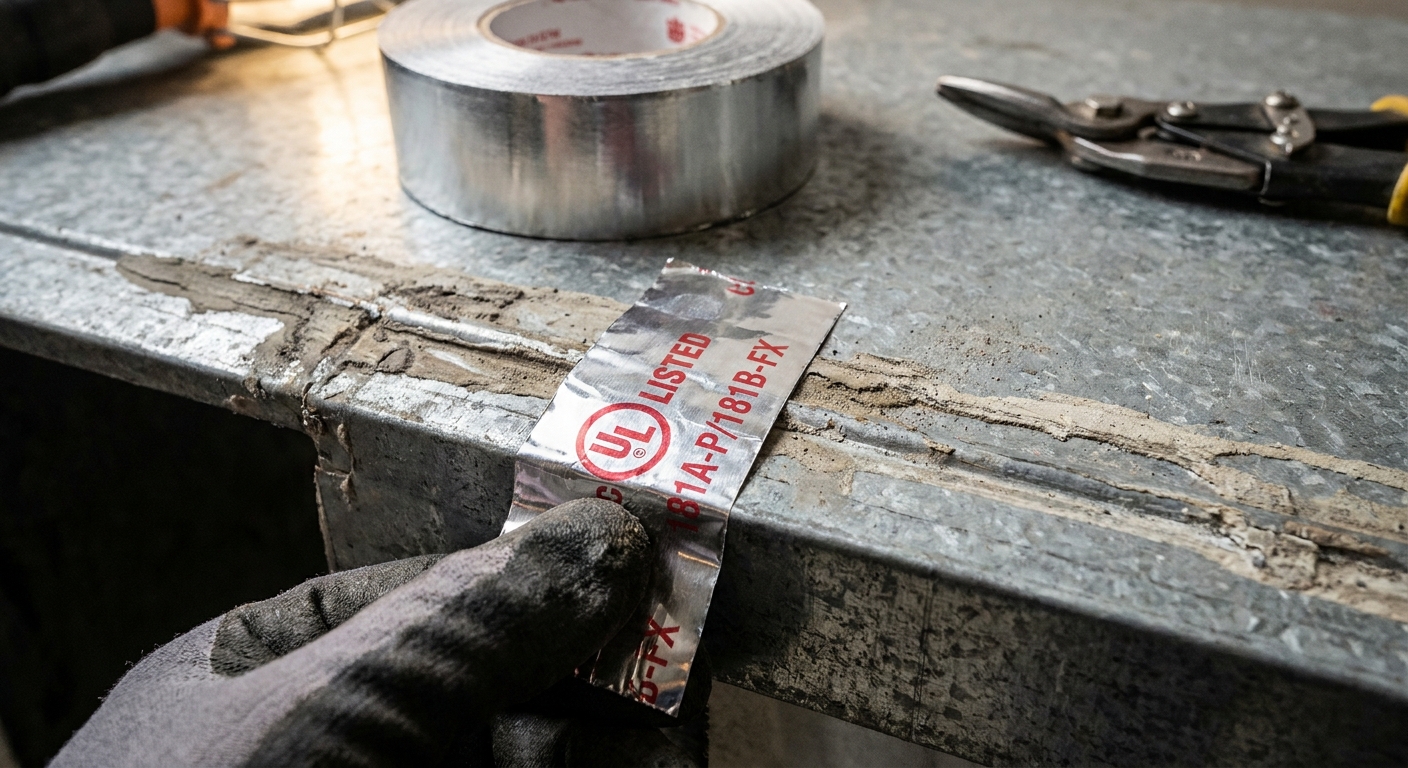
Leaks on the return side can pull in air from wall cavities, crawlspaces, attics, or basements. As a homeowner, you can often spot the obvious ones near the air handler, filter rack, and return plenum. Seal accessible seams with mastic or UL-listed foil tape (not cloth duct tape).
Why HVAC can make odor show up
This part sounds nerdy, but it helps the fix make sense.
- Room negative pressure: Closed doors, undersized returns, and missing transfer paths can make one room go negative when the blower runs, and that room will try to pull makeup air from wherever it can.
- Return leaks to “outside” spaces: If your return duct leaks into a basement, crawlspace, attic, or wall cavity, the blower can pull that air into the system and distribute the odor.
- Trap siphonage: Poor venting or pressure changes can pull water out of a trap. Gurgling drains are a classic clue.
If you routinely get gurgling in sinks or tubs when equipment runs, it is worth having a plumber evaluate venting and trap integrity.
Do not forget toilets and septic
Pressure-sensitive toilet wax rings
A failing toilet wax ring can be intermittent and pressure-sensitive. If the smell is strongest right at the base of a toilet, look for staining, loose bolts, or any rocking when you gently try to move it. If it moves, that is not a “tighten and forget it” situation. It usually needs a reset with a new seal.
Sewage ejector pits
If you have a sewage ejector pit in the basement, an imperfect lid seal is a major odor source. A proper lid is bolted down with a gasket, and the pit is vented correctly. If yours is loose, cracked, or missing bolts, it can stink most when the HVAC starts moving air.
If you are on septic
Dry traps still cause plenty of septic-home odor complaints, but if smells persist along with slow drains or frequent backups, call a septic pro. A system issue can show up inside first.
When to call a pro (and what to tell them)
I am all for DIY, but there are a few lines I do not cross without backup.
Call an HVAC pro if
- The smell seems to come directly from the air handler cabinet.
- You suspect a condensate drain or trap configuration problem on a high efficiency furnace or AC coil.
- You have significant return duct leakage in a wall or ceiling chase.
Call a plumber if
- You have recurring dry traps even after adding water.
- Multiple drains gurgle, or toilets bubble when equipment runs.
- You suspect a broken vent stack, failed vent connection, wax ring failure, or sewer line issues.
What to say when you call
Tell them: “We get a sewer gas smell only when the HVAC blower runs. It is strongest near this return and near this drain. I have already verified traps have water.” That phrasing gets you a faster, more targeted visit.
FAQ
Can a sewer smell come through vents?
Yes. Not because your plumbing is connected to your ductwork directly, but because a return can pull air from a drain area, or the air handler can pick up odors near the equipment, then distribute them through the supply ducts.
Why does it smell like sewage when the AC turns on?
Common causes are a dirty condensate pan, a dry or incorrect condensate drain setup for your equipment, or a return pulling air from a basement drain or sump area that only becomes noticeable when air starts moving.
Will pouring bleach in a floor drain fix it?
Bleach can knock down odor temporarily, but it does not fix the underlying issue and it can be hard on some plumbing and septic systems. Start with restoring the water seal in the trap. If odor returns quickly, figure out why the trap is going dry or why air is being pulled from that area.
What if the smell is strongest in one bathroom, but only with the fan running?
That can still be pressure related. A bathroom exhaust fan can pull sewer gas past a weak trap seal or a failing wax ring. If it truly only happens with the HVAC blower and not the bath fan, focus on returns and nearby drains first.
The 30-Second Cheat Sheet
Essential takeaways for: Sewer Smell Only When the Heat or AC Runs?
Most likely causes (when it only smells during heat or AC)
- Dry P-trap: Basement floor drain, guest shower, utility sink, or laundry standpipe trap evaporated or siphoned.
- Return air problem: A return grille or leaky return duct is pulling air from a basement drain area, sump pit, or open cleanout.
- Condensate issue: Slimy condensate pan, clogged drain line, or a missing or incorrect condensate trap (when your system design requires one).
Do this first (10 minutes)
- Pour water into every rarely used drain, especially the basement floor drain.
- Set thermostat to Fan On so only the blower runs. Confirm the smell happens without heat or cooling.
- Find the strongest return grille when the blower starts. Sniff near it and nearby drain areas.
Quick fixes that often work
- Restore trap seals: Add water to dry drains. For seldom used floor drains, add a small amount of mineral oil afterward to slow evaporation. Do not overdo it, and skip it if that drain leads to a sump you use for irrigation.
- Seal obvious openings: Replace missing cleanout caps, tighten loose plugs, and use a gasketed lid on sump or ejector pits.
- Clean condensate pan and drain: Power off HVAC first, then clean standing water and buildup.
Call a pro if you see these
- Recurring dry traps, gurgling drains, or toilet bubbling (possible venting issue).
- Odor seems to come from inside the air handler cabinet (condensate trap or pan problem).
- Return ductwork leaks in walls or ceilings, or returns in questionable locations.
💡 Tip: Scroll up to read the full article for detailed, step-by-step instructions.
⬆️ Back to top
About Grit
Content Creator @ Grit & Home
Grit is Grit & Home’s little blue clay courier, delivering big questions about the place you call home. Expect practical ideas, a raised eyebrow, and a satchel full of curiosity.