
🚨 In a DIY emergency or rush?
Skip the details and jump straight to our 30-second cheat sheet for the most crucial info.
If you have a tankless water heater, you have probably seen this movie: you run hot water, shut it off for a minute, then turn it back on and get a rude little blast of cold right in the middle of your shower or dishwashing groove. The first time it happened at our house, I went straight into fixer mode. I checked settings. I blamed the heater. I even started mentally pricing out a replacement.
Turns out, that quick cold burst can be totally normal. It has a name: the tankless cold water sandwich. And the good news is you can often reduce it, once you understand what is actually happening in the pipes.
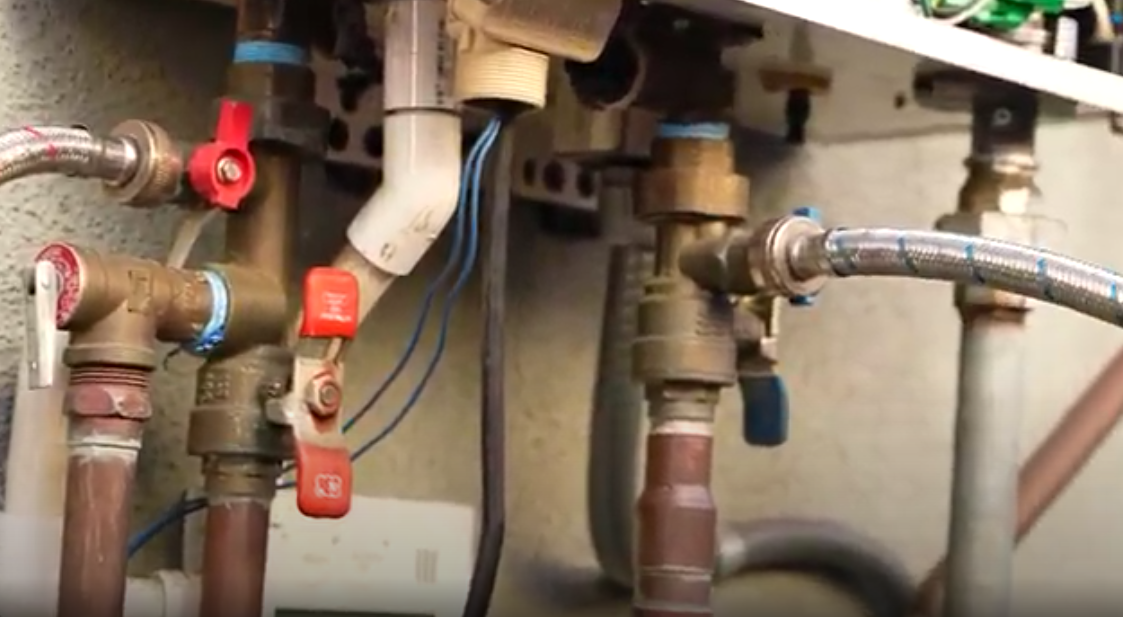
What it is
A cold water sandwich is a brief slug of cold or cool water that shows up between two hot water uses. The pattern usually looks like this:
- You run hot water and it gets nice and hot.
- You shut the faucet or shower off for a short time.
- You turn it back on and it starts hot.
- Then it suddenly goes cool or cold for a few seconds.
- Then it returns to hot once the heater re-ignites and outlet temperature stabilizes.
That quick cold burst is the “sandwich filling” between two hot slices. It is most noticeable at showers and bathroom sinks because the flow is lower and you are standing right there feeling every temperature change.
Why it happens
A tankless heater only heats water while enough water is flowing through it. When you turn off a faucet, flow stops and the burner or heating elements shut down. Even if you do not fully turn the water off, some “micro-draws” and low-flow situations can drop below the unit’s minimum activation flow, which means the heater may not fire steadily.
Meanwhile, the piping in your house and the water inside the heater are full of a mix of temperatures left over from the last use.
Here is the basic sequence behind the cold water sandwich:
- After you shut the water off: hot water sits in the hot line near the fixture and inside the heater. It starts shedding heat into the pipe, fittings, and surrounding air.
- When you turn the water back on: you often get a short run of hot water first, because you are pulling what was already sitting in the hot line from the last run.
- Then comes the cool slug: during that off period, some water in the heater outlet and nearby piping cools down. In some homes, this effect can be amplified by fixture mixing valves, recirculation plumbing, or crossover issues that let temperatures blend in ways you did not expect.
- Then you get hot again: once the tankless senses sustained flow above its activation threshold, it re-ignites and heats incoming cold water, which catches up and replaces the cooler pocket.
This is why the cold burst is often worse with quick on-and-off uses, like rinsing a dish, shaving, washing hands, then turning the tap right back on.
Sandwich or real problem?
These are two different problems, and mixing them up wastes time and money.
Signs it is the cold water sandwich
- Hot water does get fully hot.
- The cold burst is brief. It can be a few seconds, or it can be longer depending on plumbing length, flow rate, and how quickly your unit lights and stabilizes.
- It happens between two hot draws, especially if the faucet was only off a short time.
- Once it recovers, the hot water stays stable again.
Signs you have a real heating issue
- The water is lukewarm all the time, or never reaches your set temperature.
- Hot water cuts out repeatedly even while the faucet is still running steadily.
- The heater throws error codes, shuts down, or you see big, repeated temperature swings on the display.
- Problems get worse at higher-flow fixtures (tub fill, multiple showers).
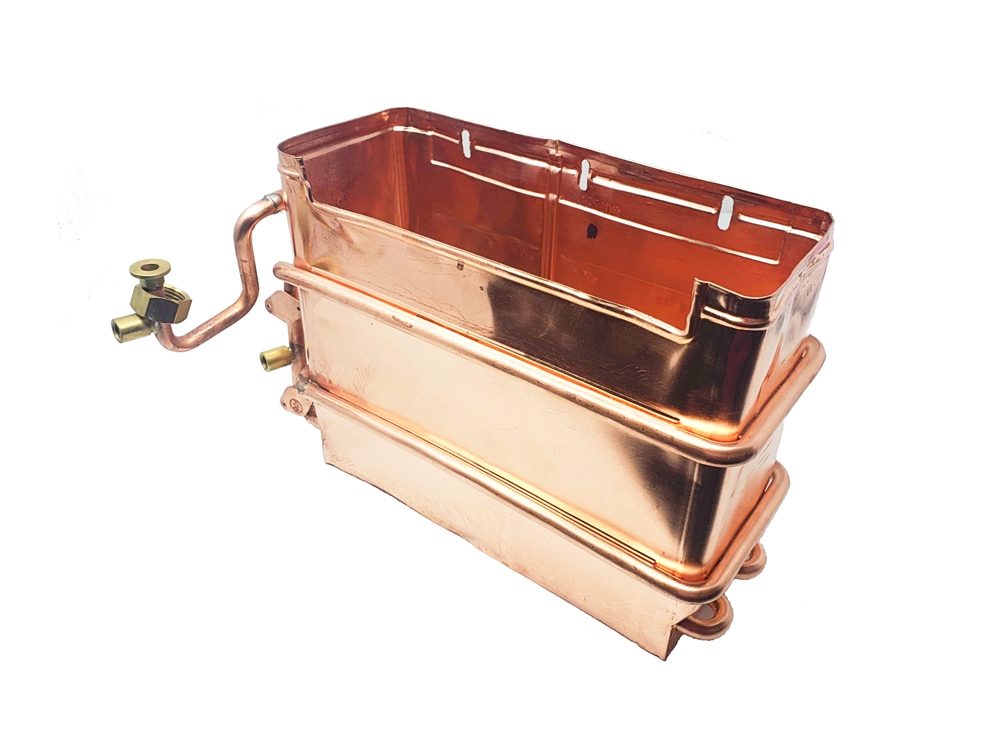
If your heater never hits target temperature, that points more toward gas supply issues, incorrect sizing, venting problems, mineral scale buildup, a clogged inlet screen, a failing sensor, or a flow rate that is outside what the unit can handle. That is a different troubleshooting path than a cold water sandwich.
What helps
You have three practical levers: reduce how much cool water is sitting in the system, keep hot water available at the outlet, or change how the system circulates. Here are the options that actually move the needle.
1) Add a small buffer tank
A buffer tank is a small tank installed downstream of the tankless. Think of it as a tiny holding tank of already-hot water. Most are just a few gallons, and some setups use mini-tanks closer to the 1 to 2.5 gallon range.
Why it helps:
- When you turn a fixture back on, you pull from the buffer tank first.
- That keeps hot water at the ready while the tankless re-fires and stabilizes.
- It smooths out temperature swings from short draws and low-flow situations.
Tradeoffs:
- Costs more up front and takes space.
- Adds a component that may need occasional attention like any tank.
- Still uses far less energy than a full-size traditional tank, but it is not zero standby loss.
2) Use recirculation
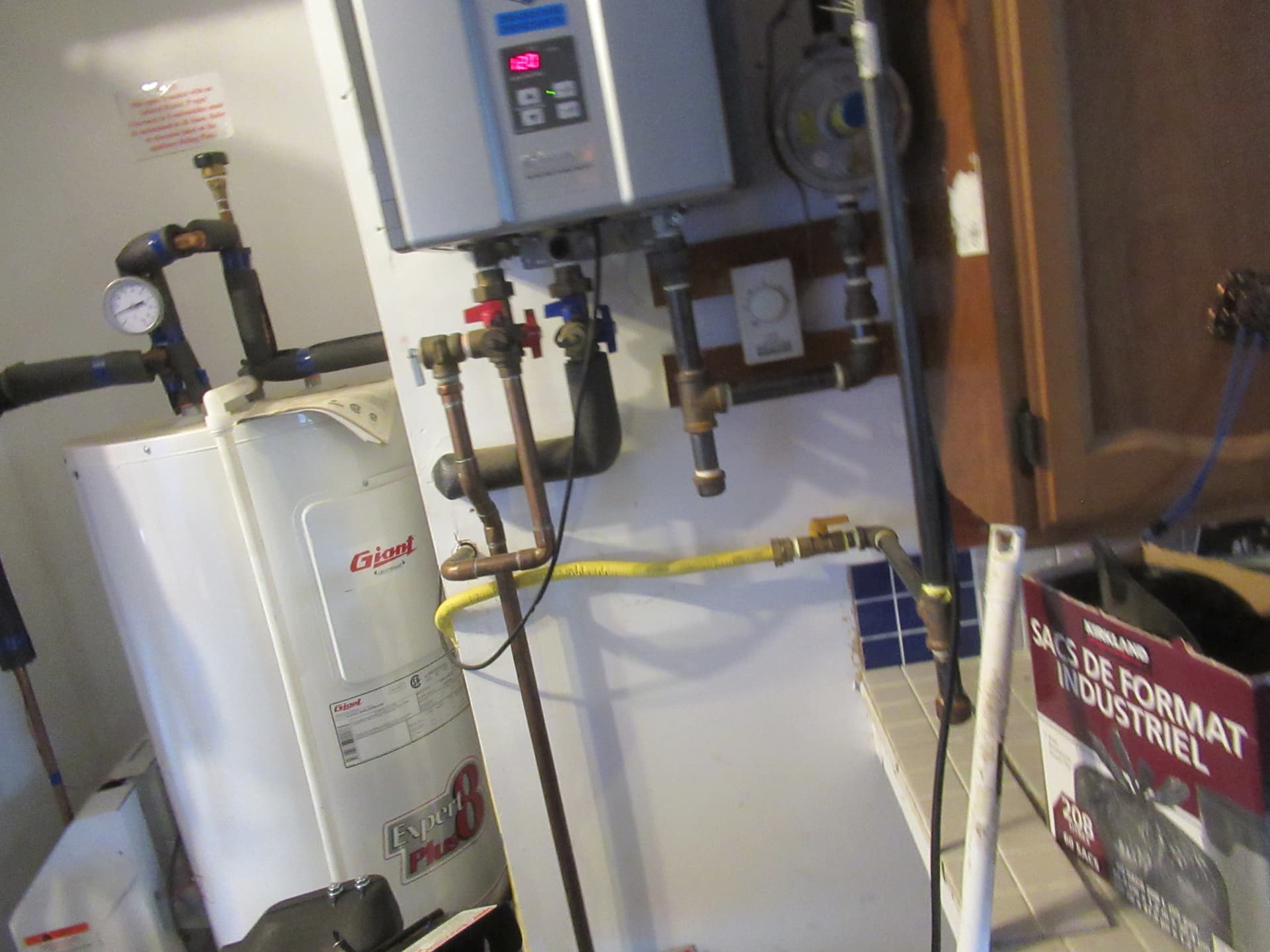
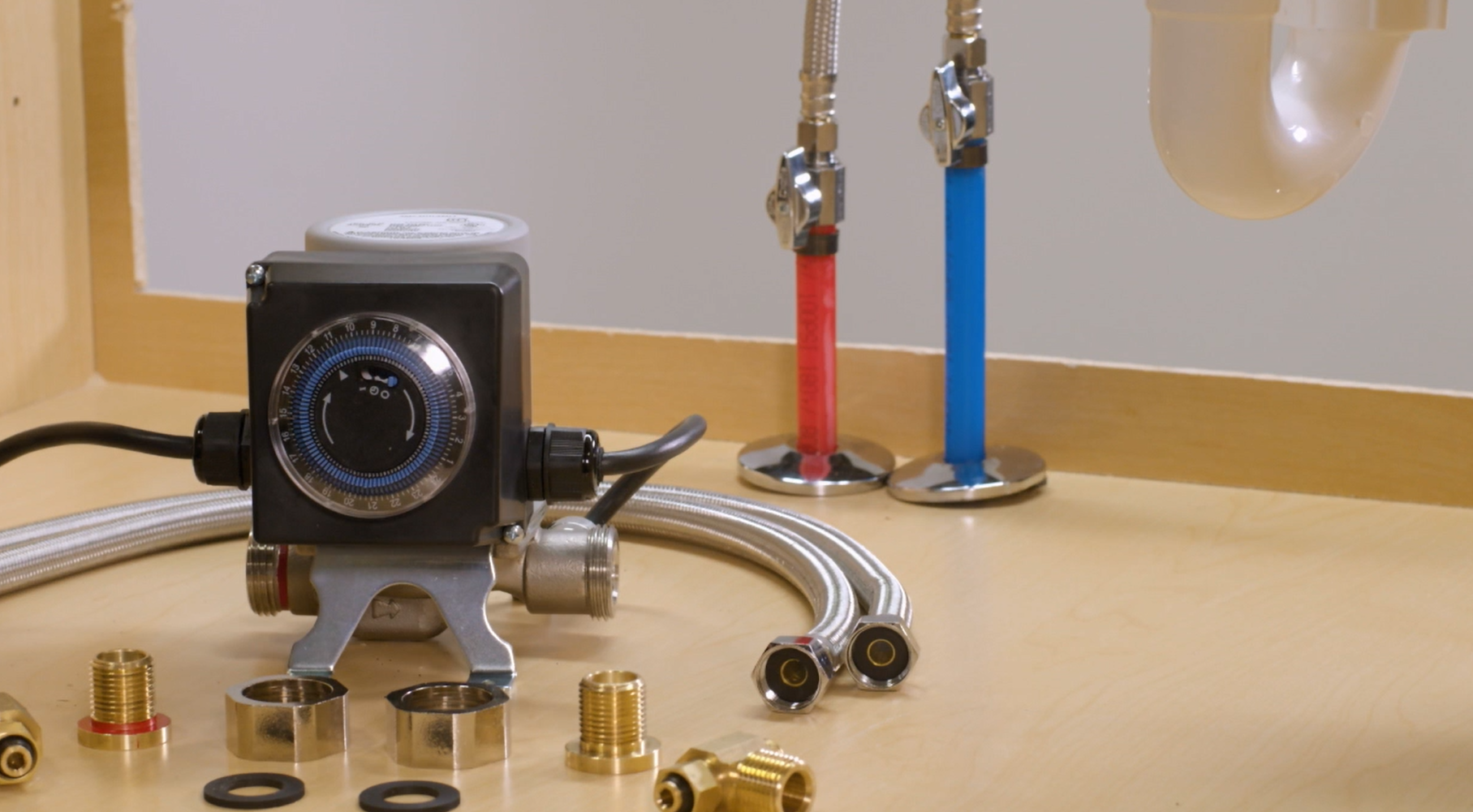
A hot water recirculation system keeps hot water moving so it is available faster at fixtures. Done well, it reduces the wait for hot water and can reduce how often you feel temperature weirdness after short off periods.
Why it helps:
- Hot water stays closer to the fixture, so you are not purging as much cooled water.
- It can smooth out comfort complaints in longer plumbing runs where water cools fast between uses.
Tradeoffs and a real-world caution:
- More parts and more installation complexity.
- If it runs constantly, it can increase energy use because you are constantly reheating pipe losses.
- An improper recirc setup can make things worse. Under-sink thermal bypass valves, missing or failed check valves, and certain plumbing layouts can create cold crossover and surprise temperature swings.
If you go this route, I strongly prefer a system with a timer, aquastat, or on-demand control so it is not running 24/7 unless you truly want that. And if you already have recirc and the sandwich is extreme, a plumber can verify check valves and rule out crossover fast.
3) Avoid micro-draws
This one is free. If you run hot water for 10 seconds, shut it off, then run it again 30 seconds later, you are basically inviting the cold water sandwich to dinner.
Simple habits that help:
- When shaving or washing dishes, try to keep a small but steady flow instead of fully off and on repeatedly. A true trickle may fall below your tankless unit’s activation threshold, so you want enough flow to keep it firing. Your manual will list the minimum flow rate.
- Group hot-water tasks together so the heater runs in longer cycles.
- At showers, avoid pausing the water completely for a minute unless you have to.
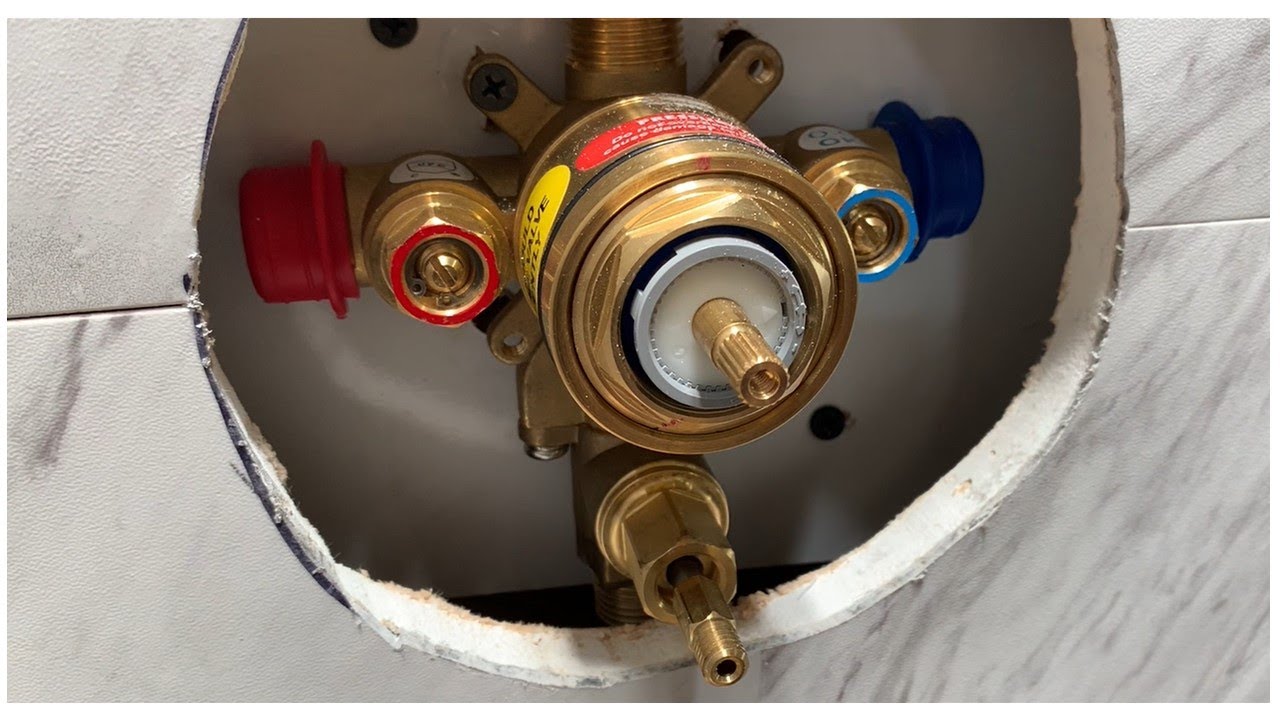
4) Check shower valves and faucet cartridges
Sometimes the “cold burst” is made worse by a temperamental mixing valve, especially on pressure-balance shower valves. If the cartridge is sticking or worn, it can overshoot cold when pressures shift and then recover.
Clues this might be part of it:
- The cold burst is more dramatic at one shower only.
- Other fixtures do not do it as much.
- You notice temperature swings when someone flushes a toilet or runs cold water elsewhere.
Replacing a shower cartridge is often cheaper than chasing the tankless, and it is a good elimination step if the problem is very fixture-specific.
What usually does not fix it
Descaling and vinegar flushing
Descaling is important maintenance, especially with hard water, but it targets mineral buildup that causes issues like reduced flow, noisy operation, or poor heat transfer. It typically does not solve a classic cold water sandwich symptom, because the sandwich is mostly about cycling and water cooling in the lines and inside the unit between short uses.
If your hot water is weak, inconsistent, or your unit is overdue for maintenance, descaling can absolutely be part of getting performance back. I also have a full step-by-step guide to descaling and flushing a tankless water heater on the site.
Cranking the temperature way up
Setting the unit hotter might mask the sensation a little in some cases, but it can also increase scald risk and may make the system hunt more when mixed down at the shower valve. Better to solve the delivery issue than to push the setpoint beyond what your household needs.
Quick checklist
If you are not sure which problem you have, this is the quick sorting hat I use:
- Does it get properly hot at all? If no, you are not dealing with just a cold water sandwich.
- Is the cold burst only after you shut the water off briefly? If yes, that points to sandwich behavior.
- Is it worse at low-flow fixtures? That leans sandwich, and it can also hint that you are dipping below the unit’s minimum activation flow.
- Is it only one fixture? Check that fixture’s valve or cartridge first.
- Do you have recirculation or an under-sink bypass? If yes, crossover or missing check valves can be part of the story.
- Does the unit show error codes or shut down? Treat that as a real fault, not a normal quirk.
When to call a pro
I am all for DIY, but I am also big on knowing when you are crossing into gas, venting, and combustion territory.
Call a licensed plumber or qualified technician if:
- You smell gas, see soot, or suspect venting problems.
- The unit is throwing repeated error codes.
- Hot water cuts out during steady flow, not just between draws.
- You have a recirc system and suspect crossover, or you want recirc added and are not comfortable tying into supply lines and adding valves.
- You want to add a buffer tank and you are not comfortable modifying water lines and installing shutoffs.
A cold water sandwich is often a comfort issue, not a safety issue. But anything involving gas supply or venting should be treated like safety work.
My bottom line
A tankless cold water sandwich is usually not a sign your heater is failing. It is the natural side effect of an on-demand heater cycling on and off while your plumbing lines and the inside of the unit hold water at different temperatures.
If it bugs you, the two biggest upgrades that help are a small buffer tank and a well-controlled recirculation setup. Just keep expectations realistic: a buffer tank is the most direct way to reduce the sandwich itself, while recirc is more about faster hot water delivery and comfort, and can backfire if it is not set up correctly. If you are not ready for upgrades, tightening up short-draw habits and checking fixture cartridges can make it far less noticeable.
The 30-Second Cheat Sheet
Essential takeaways for: Tankless Cold Water Sandwich: What It Is and What Helps
What it is
A cold water sandwich is a brief burst of cool or cold water that happens between two hot water uses on a tankless system: hot, then cold for a few seconds, then hot again.
Why it happens
- Tankless heaters stop heating when flow stops or drops below the unit’s minimum activation flow.
- While water is off, water sitting in the heater and hot line cools down.
- When you turn water back on, a small “slug” of cooler water can get pushed out before the heater fully re-ignites and stabilizes outlet temperature.
How to tell it apart from a real problem
- Sandwich: water gets fully hot, cold burst is brief, then it returns to stable hot.
- Real heating issue: water never gets hot enough, cuts out during steady flow, error codes, or chronic lukewarm output.
What helps most
- Buffer tank (typically a few gallons): smooths temperature swings and covers the refire gap.
- Recirculation (ideally controlled by timer or on-demand): keeps hot water closer to fixtures and reduces cooled water in lines. Improper setups can cause crossover and make temps weirder.
- Reduce micro-draws: avoid quick on and off hot water use when possible.
- Check fixture valves: a worn shower cartridge can exaggerate temperature dips at one fixture.
What usually does not fix it
- Descaling alone: important maintenance, but it typically does not cure a classic cold water sandwich.
- Cranking temperature up: can increase scald risk and does not address the root cause.
Call a pro if
- You have gas smells, venting concerns, soot, or repeated error codes.
- Hot water cuts out during steady flow, not just between draws.
- You have (or want) a recirc system and suspect crossover or missing check valves.
💡 Tip: Scroll up to read the full article for detailed, step-by-step instructions.
⬆️ Back to top
About Grit
Content Creator @ Grit & Home
Grit is Grit & Home’s little blue clay courier, delivering big questions about the place you call home. Expect practical ideas, a raised eyebrow, and a satchel full of curiosity.