
🚨 In a DIY emergency or rush?
Skip the details and jump straight to our 30-second cheat sheet for the most crucial info.
If you have ever stood over a slow sink thinking, “But I barely use this thing,” you are not alone. Many drain clogs are not mysterious at all. They are predictable, repeatable, and usually caused by a handful of common offenders that show up in different rooms for different reasons.
This guide is a room-by-room reference you can bookmark. I will walk you through what actually blocks drains, the small habits that reduce the odds of a backup, and the red flags that mean you are dealing with more than one isolated clog.
How clogs form
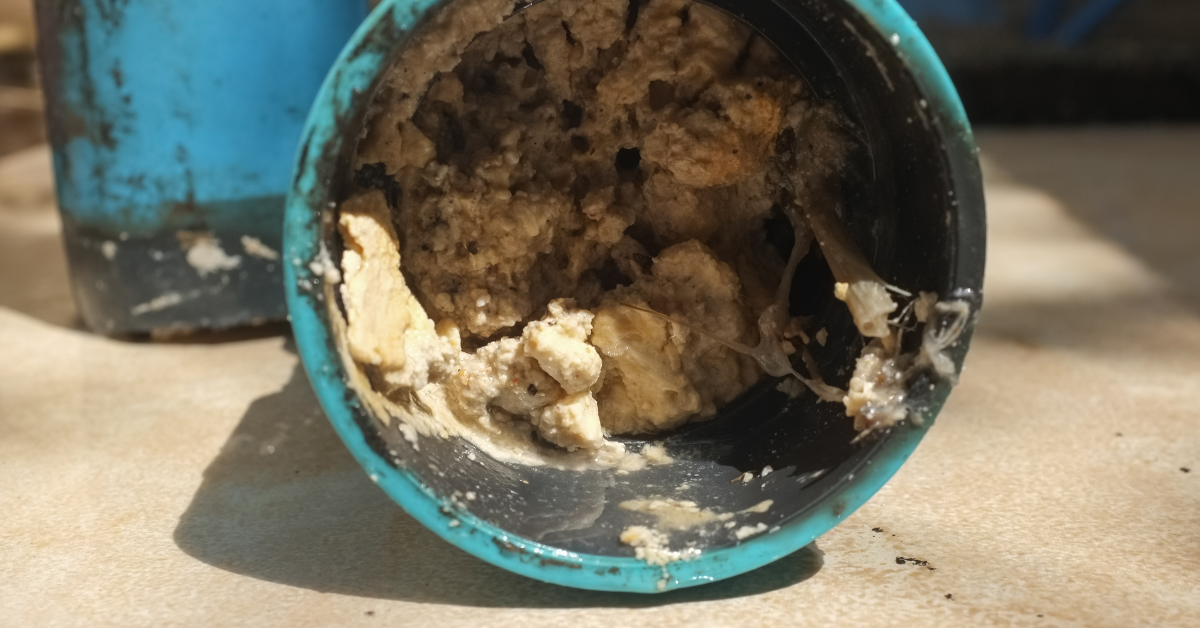
Nearly every clog is some combination of two things:
- Something that should not be in the pipe (grease, wipes, hair, grit, lint, toys, you name it).
- Something that helps it stick (soap scum, cooled grease, mineral scale, or rough pipe walls).
Once a little “starter clog” forms, it becomes a net. More debris catches, the opening narrows, and you go from “kind of slow” to “why is the tub filling while the shower is on?”
What to try first
If you are already dealing with a slow drain, here are safe, boring first steps that solve a lot of problems without turning your pipes into a science experiment.
Start here
- Pull the gunk you can reach: Remove the sink stopper or shower cover and clear hair and sludge by hand (gloves help).
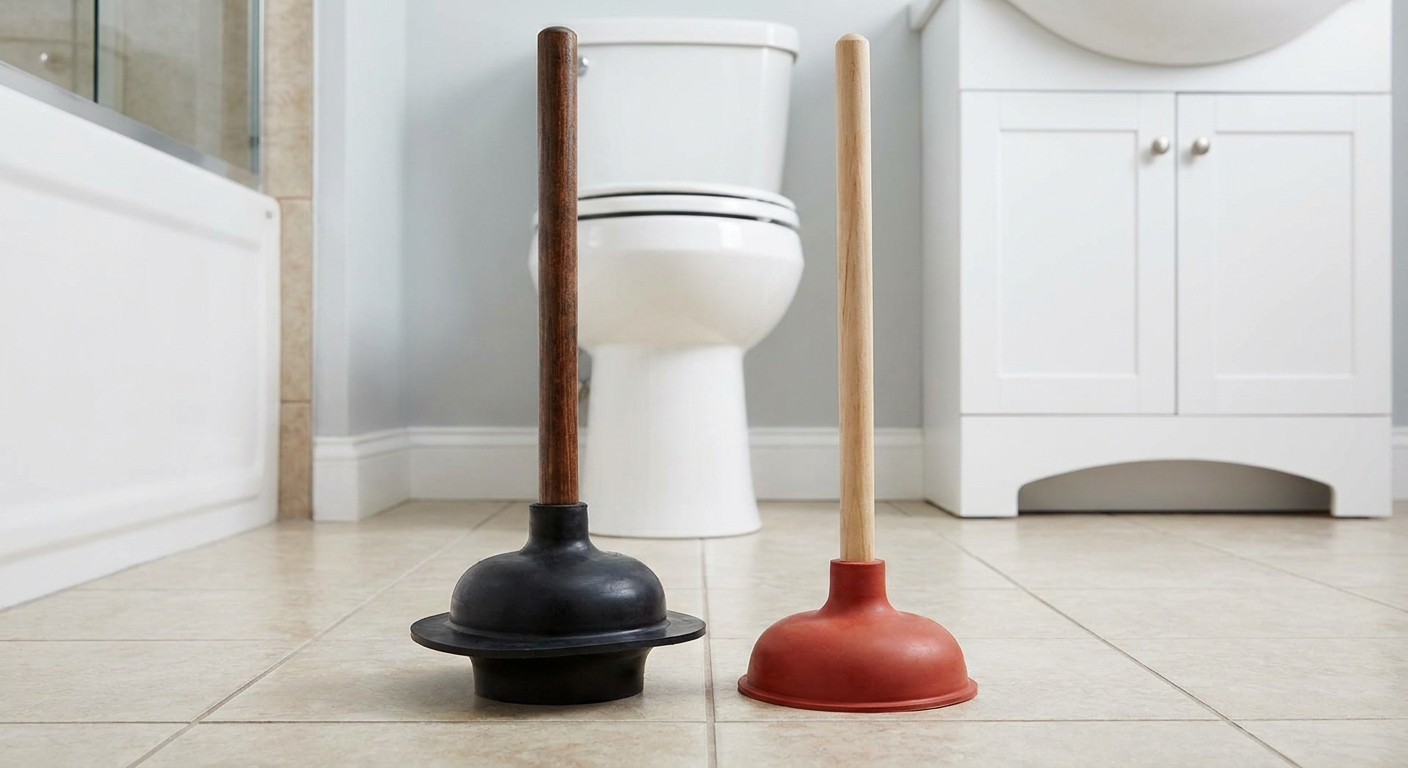
- Plunge the right way: Use a cup plunger for sinks and tubs and a flange plunger for toilets. Add enough water to cover the cup, then give it several firm plunges to move the clog.
- Try a small hand snake: A simple drain snake or zip tool works great for hair clogs in showers and bathroom sinks.
- Clean the P-trap (sinks): Put a bucket under it, loosen the slip nuts, dump it out, rinse, and reinstall. If you are not comfortable, skip this and call a pro.
Be careful with chemicals
- Avoid chemical drain cleaners as routine maintenance. They often do not remove hair ropes or grease buildup.
- Never mix cleaners (including drain products, bleach, and anything acid-based). This can create dangerous fumes and heat.
- If you already poured a chemical cleaner, stop and follow the label. Do not plunge or snake until you know it is safe. When in doubt, call a plumber and tell them what you used.
And one more thing: boiling water is not a magic fix. It can soften some soap residue, but it can also warp certain plastic piping or loosen older joints. Use hot tap water, not boiling, unless you know your plumbing can handle it.
Kitchen clogs
Kitchens clog because we ask one drain to do a lot: hot water, fats, starches, coffee grounds, and tiny food bits. The trap and the first several feet of pipe are where most kitchen clogs start.
Top causes
- Grease, fat, and oil: Liquid when hot, solid when it cools. It coats the pipe like candle wax.
- Starchy foods: Rice, pasta, potatoes, oats. They swell and turn into paste.
- Coffee grounds: They do not dissolve. They settle and pack tight.
- Eggshells: The membrane can wrap around disposal parts and trap other debris.
- Fibrous scraps: Celery, onion skins, corn husks. They tangle and act like rope.
- Flour and baking mixes: Become glue when wet.
Prevention habits
- Wipe greasy pans first with a paper towel and toss it. Do not rely on hot water and soap to “wash grease away.”
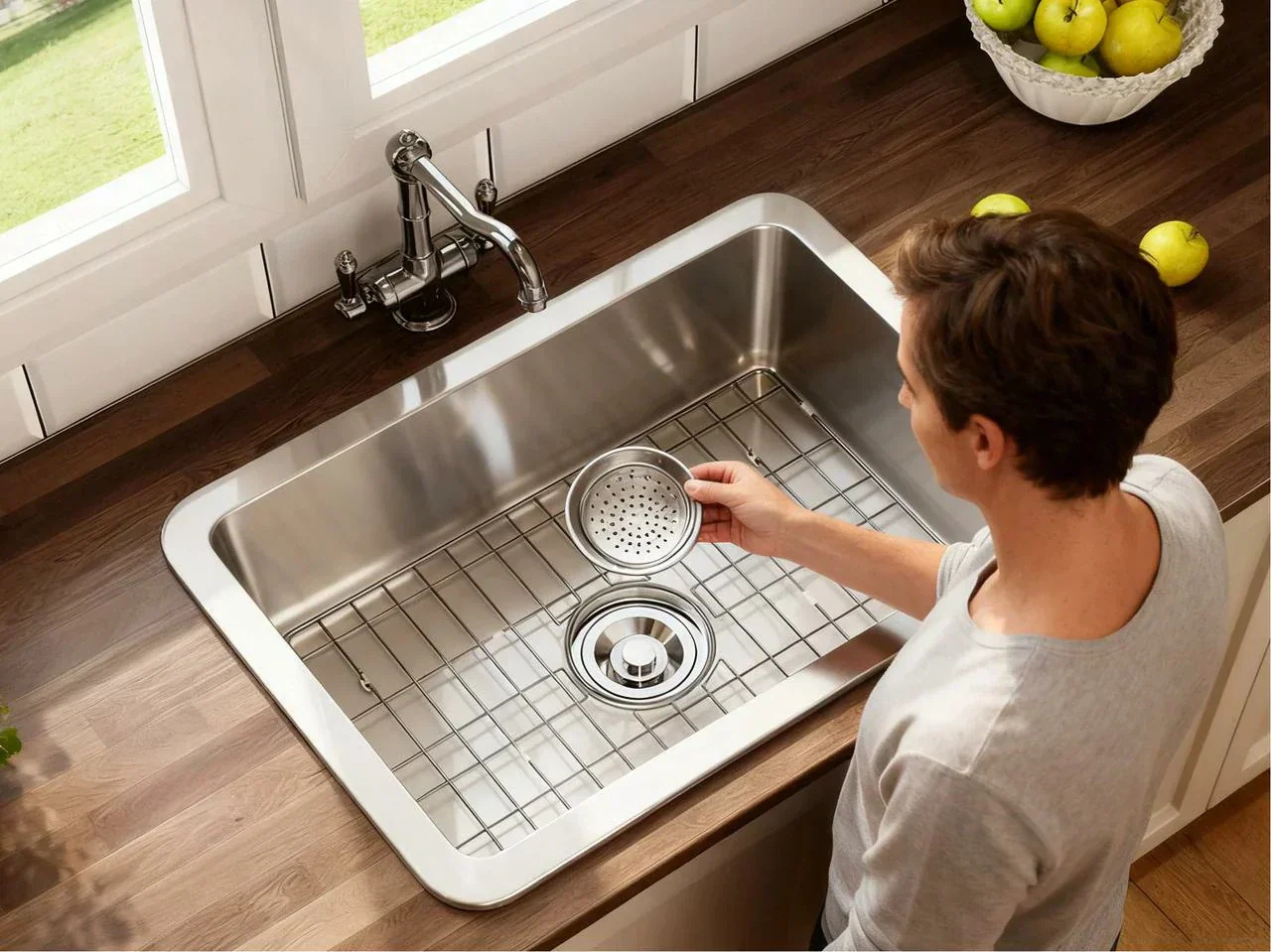
- Use a sink strainer and empty it into the trash, not the disposal.
- Run cold water with the disposal and keep it running 10 to 15 seconds after you flip it off. Cold water is for ordinary food scraps only. It does not make grease safe to send down the drain. Keep fats and oils out entirely.
- Trash the grounds. Coffee grounds belong in compost or garbage.
- Hot water rinse, with a caution: After cleaning up, run hot tap water for a minute to help move light residue along. This is not a fix for a clog, and it will not prevent grease buildup if grease is going down the drain. If your kitchen is a grease culprit, skip this and focus on wiping and straining.
Bathroom clogs
Bathroom clogs are usually a hair problem first and a soap problem second. Hair creates the framework. Soap scum and skin oils glue it together.
Top causes
- Hair: Long hair, short hair, pet hair from washing items, it all behaves the same in a drain.
- Soap scum: Soap reacts with minerals in hard water and leaves a waxy film.
- Shaving cream and thick products: They rinse away, but they can contribute to sticky buildup.
- Toothpaste globs: Not a huge issue alone, but it adds to residue in slower drains.
- Bath bombs and oily soaks: Oils can cling to pipe walls and help debris stick.
Prevention habits
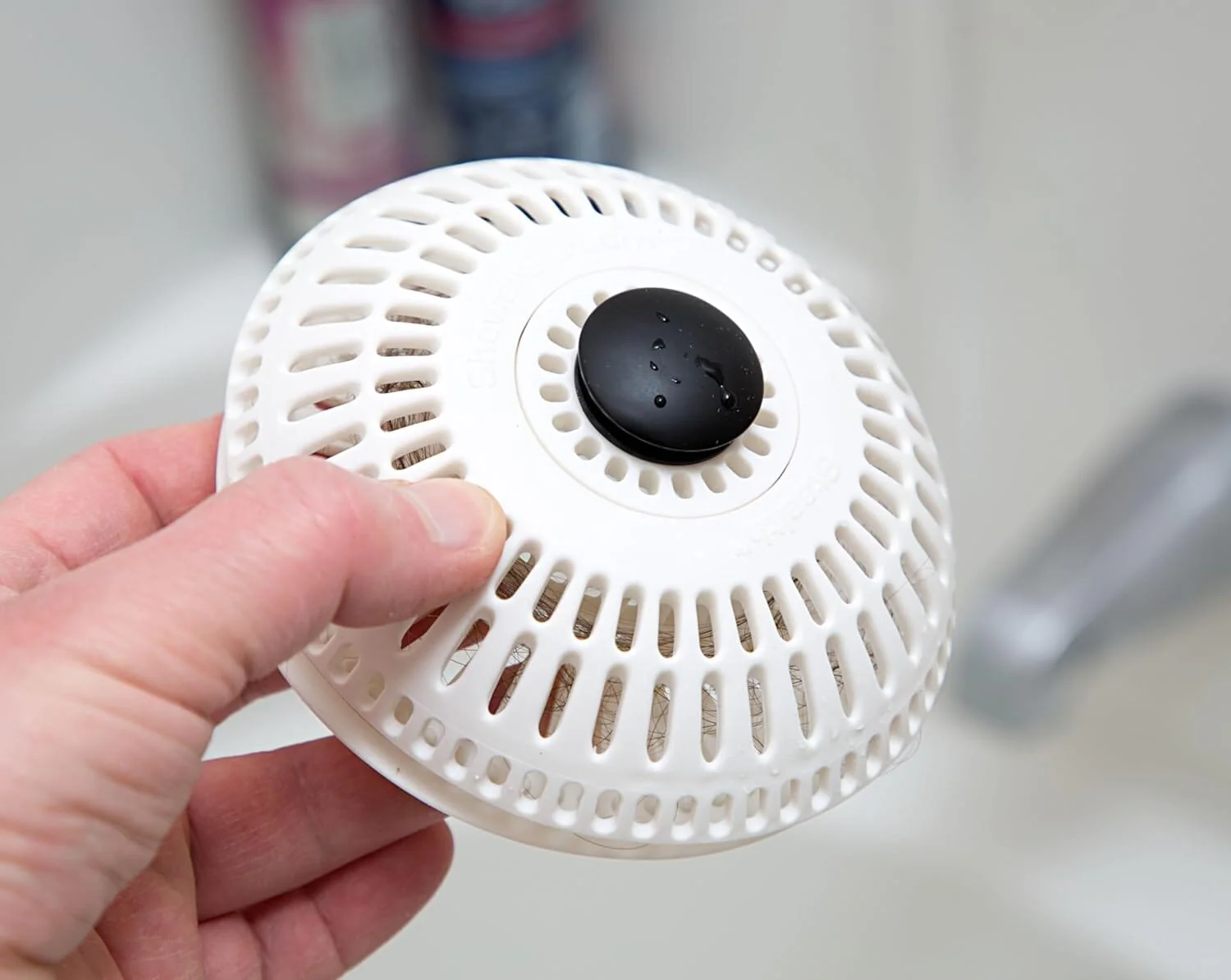
- Use a tub or shower hair catcher and clean it every few showers.
- Brush hair before showering if you shed a lot. Less hair down the drain equals fewer clogs.
- Do a weekly warm rinse: Run the hottest water your shower can produce for a minute after you clean the hair catcher. It helps move soap residue.
- Skip harsh chemicals as “maintenance”. Repeated chemical drain cleaner can be rough on older metal piping, and misuse can even damage plastic joints due to heat and caustic reactions. Also, never mix products.
- Do not let hair go down the drain: If you see a wad on the wall, on your hands, or on the cover, put it in the trash. That one habit prevents a shocking number of clogs.
Toilet clogs
Toilets feel like they can handle anything because the bowl empties fast. But the toilet is just the front door. The real bottleneck is the trapway inside the toilet and the drain line beyond it.
Top causes
- Flushable wipes: Most do not break down like toilet paper. They twist together and snag on rough spots.
- Paper towels and tissues: Designed to be strong when wet.
- Feminine hygiene products: Tampons and pads expand and block quickly.
- Baby wipes, cleaning wipes, makeup wipes: Same issue as flushable wipes, often worse.
- Dental floss and cotton swabs: They tangle with other debris.
- Too much toilet paper at once: Especially low-flow toilets or older plumbing runs.
- Accidentals: Small toys, combs, deodorant caps, toothbrushes. If it can fall in, it eventually will.
Prevention habits
- Only flush the three Ps: pee, poop, and toilet paper.
- Keep a lidded trash can in every bathroom for wipes and hygiene products.
- Teach guests and kids: A simple sign inside a cabinet door saves awkward conversations later.
- If you have old cast iron or clay lines, be extra strict. Rough interiors catch wipes like Velcro.
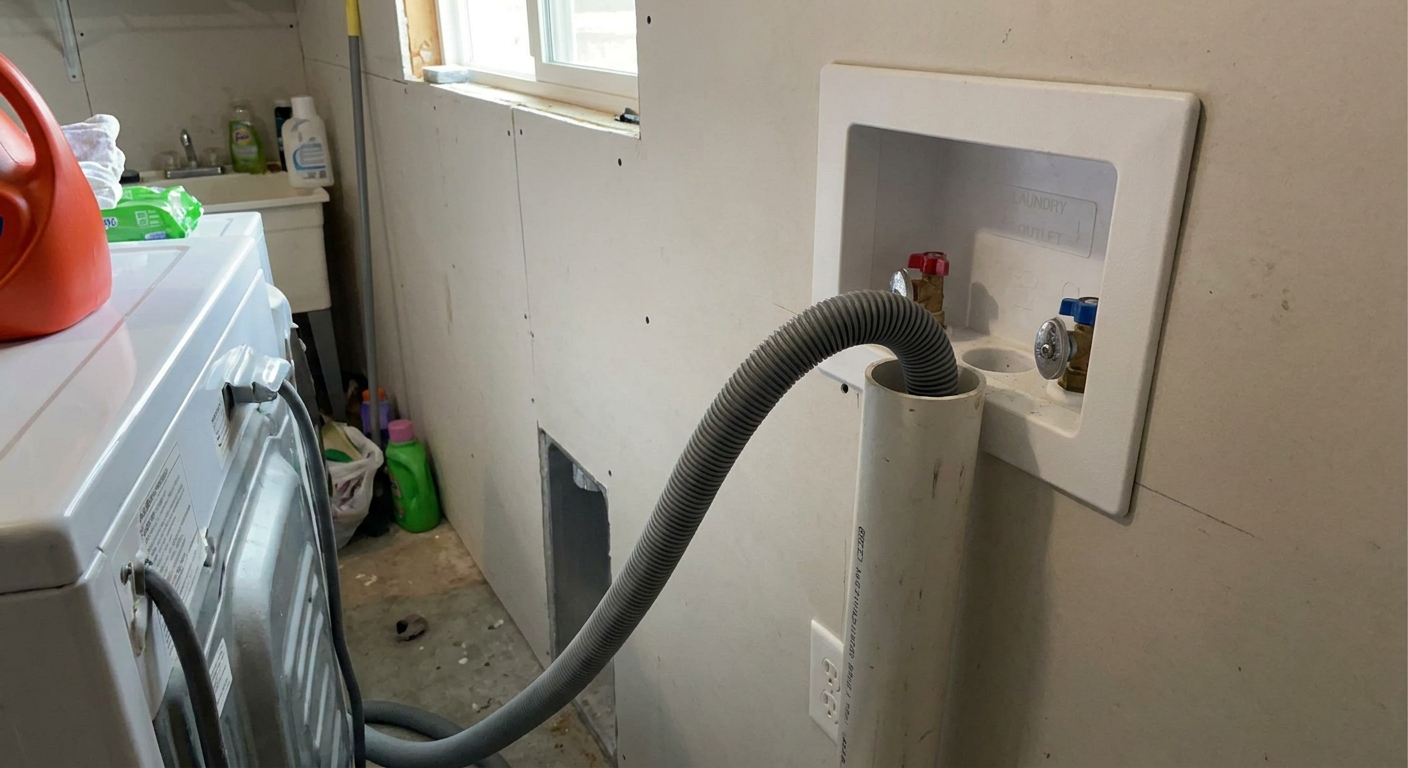
Laundry drain clogs
The laundry drain does not get the attention it deserves, and it can clog in a hurry. Washing machines move a lot of water fast, and that surge can overwhelm a partially blocked standpipe.
Top causes
- Lint: Especially from towels, fleece, and heavily worn cotton.
- Pet hair: It mats up and grabs lint like a filter.
- Detergent and softener buildup: Too much product leaves residue that traps fibers.
- Grit and soil: Work clothes and muddy kid clothes send sediment to the drain.
Prevention habits
- Use a lint catcher on the discharge hose if you regularly wash linty items. Clean it often.
- Measure detergent. More soap is not cleaner laundry. It is more buildup.
- Shake out heavy dirt outdoors before washing, especially shop rags and landscaping clothes.
- Watch the standpipe during the drain cycle if you suspect an issue. If it rises fast, you are already close to a backup.
Utility sink clogs
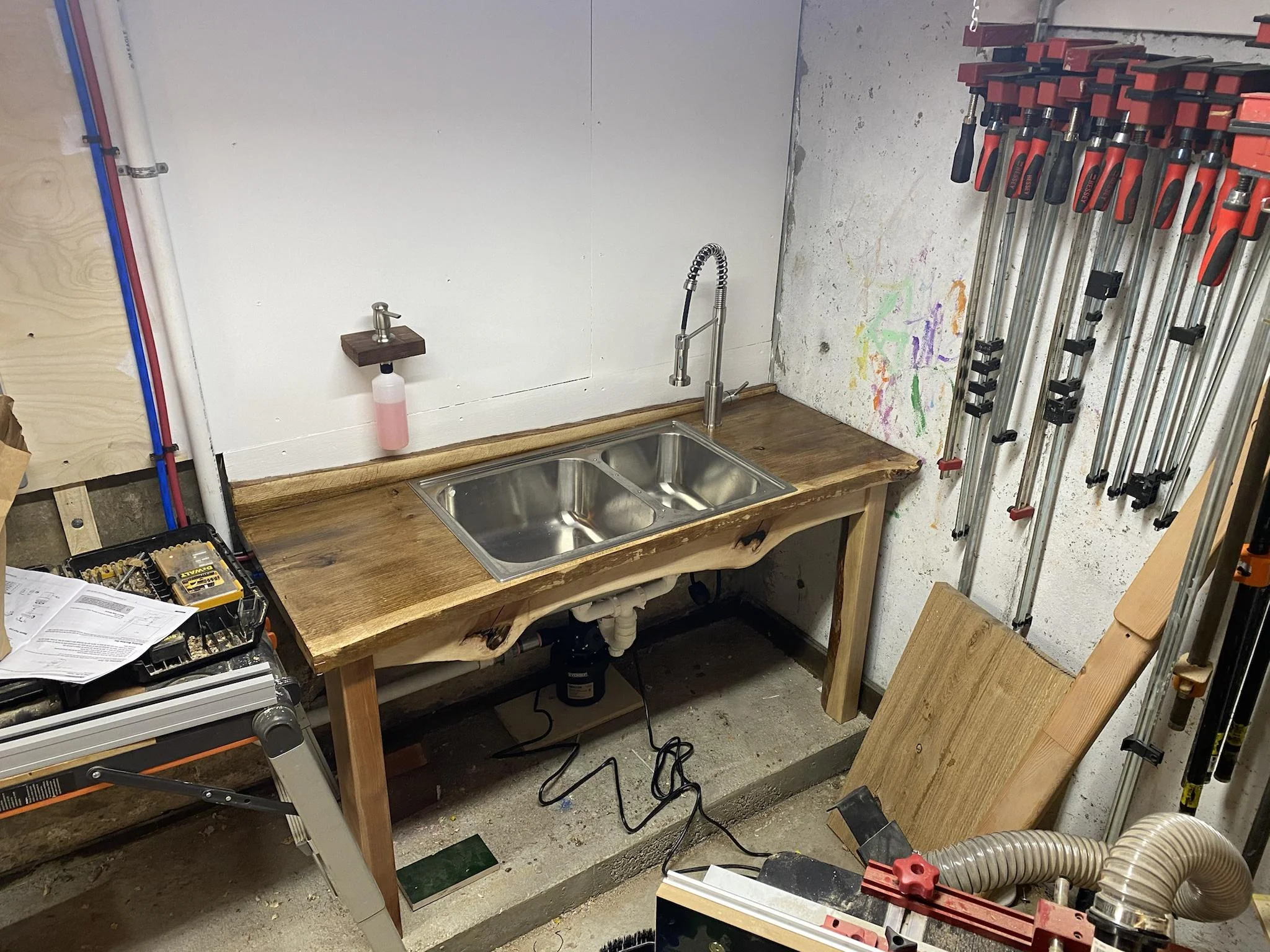
Utility sinks are where good intentions go to die. They are also where a lot of “mystery clogs” are born because the mess is not kitchen mess or bathroom mess. It is project mess.
Top causes
- Paint and primer: Even water-based paint can leave solids behind as it dries.
- Drywall mud: It is basically designed to harden.
- Plaster dust and grout haze: Fine particles settle and pack.
- Concrete or mortar residue: Hardens in a trap and does not forgive.
- Sawdust: Swells and binds when wet.
Prevention habits
- Never rinse drywall mud down any drain. Scrape tools into the trash, then wipe with a damp rag.
- Let paint solids settle in a bucket, pour off clearer water, and dispose of the sludge properly.
- Follow local disposal rules: Paint and solvents may fall under household hazardous waste guidelines where you live.
- Use a cheap mesh strainer in the utility sink if you clean brushes or muddy tools.
Outdoor drains and main lines
If indoor clogs are usually “stuff,” outdoor and main line problems are often “nature.” Yards move dirt. Trees seek water. Gutters deliver leaves. And older sewer lines have joints that can invite trouble.
Top causes
- Leaves and mulch: Wash into yard drains and downspout lines.
- Sand and sediment: Settles in low spots and slowly builds a dam.
- Roof grit: Asphalt shingle granules can collect in downspout extensions.
- Tree roots: Roots enter tiny cracks or joints, then grow into a net that catches debris.
- Grease from the kitchen: This can become a main line problem over time, especially if it is a long run to the street.
Prevention habits
- Keep gutters and downspouts clean. A five-minute check in fall prevents a springtime headache.
- Use downspout screens if your yard drain ties into buried piping.
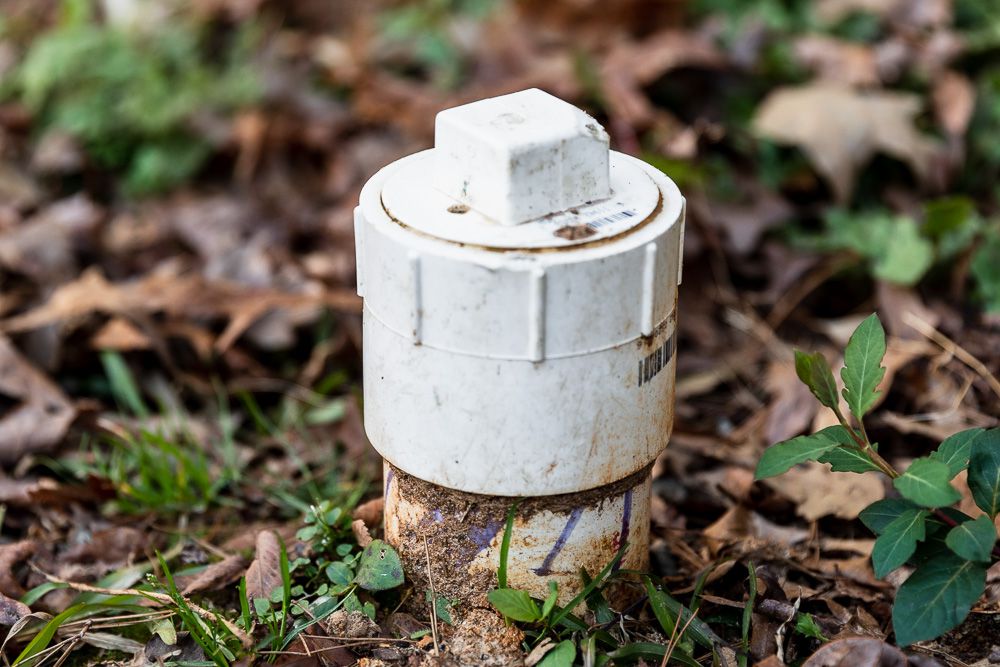
- Know your cleanout location. If you own a home, find it before you need it.
- Be mindful of trees near the sewer line. Roots and old clay or cast iron lines are a common combo.
Red flags of deeper issues
Here is the part I wish someone had explained to me early on. A clog in one sink is usually a local problem. Multiple fixtures acting up at once is often a branch line or main line issue.
Signs it is more than one clog
- Two or more drains are slow at the same time (for example, shower and toilet, or kitchen sink and laundry).
- Water backs up in a different fixture (flush the toilet and the tub gurgles, or run the washer and the floor drain rises).
- Gurgling sounds after draining, especially if it happens in multiple rooms.
- Sewage smell that comes and goes. Could be a dry trap, a partial main blockage, or a venting problem.
- Clogs that return quickly after you clear them. That often means the pipe is still narrowed by grease, roots, or scale.
- Water coming up from a basement floor drain. Treat this as a main line warning.
A quick note on venting
If a plumbing vent is blocked (leaves, a bird nest, even snow in some climates), drains can run slow and gurgle because the system cannot pull air the way it should. It is not the most common issue, but if plunging and cleaning do nothing and multiple fixtures are noisy, a vent problem is worth considering.
If you are seeing these signs, it is time to think beyond the plunger. A drain snake, a cleanout, or a pro camera inspection can save you from repeated messes.
My simple prevention routine
I am thrifty, but I am also tired of crawling under sinks on a Sunday night. Here is the routine that keeps our 1970s plumbing behaving and lowers our chances of a clog.
- Kitchen: Wipe grease, use a strainer, compost scraps, and run cold water with the disposal for food scraps only.
- Showers: Hair catcher always, clean it often, and throw hair in the trash.
- Toilets: No wipes. Ever. Even the ones that say flushable.
- Laundry: Measure detergent and watch for slow standpipe draining.
- Utility sink: No drywall mud or paint solids down the drain.
- Outside: Clean gutters and keep yard drains clear before the rainy season.
When to call a pro
I am all for tackling what you can. But these are the situations where I stop experimenting:
- Repeated backups into tubs or floor drains.
- Any sign of sewage in the basement or lowest bathroom.
- You suspect roots or you have older clay or cast iron sewer lines.
- Standing water and no improvement after basic plunging and cleaning the trap or hair catcher.
- Multiple fixtures affected, especially with gurgling or cross-backups.
A good plumber can run an auger from the right access point, inspect the line with a camera, and tell you if the fix is cleaning, repair, or replacement. That clarity is often worth the service call.
The 30-Second Cheat Sheet
Essential takeaways for: Things That Clog Drains
Most common things that clog drains
- Kitchen: grease, fats and oil, rice and pasta, coffee grounds, fibrous scraps.
- Bathroom: hair plus soap scum (the classic clog combo).
- Toilet: “flushable” wipes, paper towels, hygiene products, floss, too much TP.
- Laundry: lint, pet hair, detergent buildup, gritty work-clothes sediment.
- Outdoor and main line: leaves and sediment, downspout debris, tree roots.
Quick prevention habits
- Wipe grease from pans before washing and use a sink strainer.
- Use a hair catcher in every shower and clean it often.
- Only flush pee, poop, and toilet paper. Wipes go in the trash.
- Measure detergent and consider a lint catcher on the washer drain hose.
- Keep gutters and yard drains clear, especially in fall and before heavy rains.
Red flags the problem is deeper than one fixture
- Multiple drains slow at the same time.
- Water backs up in a different fixture (toilet makes tub gurgle, washer makes floor drain rise).
- Recurring clogs that return fast.
- Sewage smell or backup at the lowest drain in the house.
What to do next
- If it is one fixture, start with the obvious: strainer, hair catcher, or trap cleanup.
- If it is multiple fixtures or a basement drain, think main line: use the cleanout or call a pro for an auger and camera inspection.
💡 Tip: Scroll up to read the full article for detailed, step-by-step instructions.
⬆️ Back to top
About Marcus Vance
Content Creator @ Grit & Home
Marcus Vance is a lifelong DIY enthusiast and self-taught home renovator who has spent the last decade transforming a dilapidated 1970s ranch into his family's dream home. He specializes in budget-friendly carpentry, room-by-room renovations, and demystifying power tools for beginners. Through his writing, Marcus shares practical tutorials and hard-learned lessons to help homeowners tackle their own projects with confidence.