
🚨 In a DIY emergency or rush?
Skip the details and jump straight to our 30-second cheat sheet for the most crucial info.
Small chore. Big home questions.
Replacing a water heater is one of those purchases that feels simple until the quote lands in your inbox and suddenly there are new characters in the story: permits, venting, gas line sizing, expansion tanks, drip pans, condensate drains. The heater is only part of the price.
Below is the cost breakdown I would want if I were comparing bids: realistic ranges, what moves the number, and the handful of line items that love to hide in the fine print.
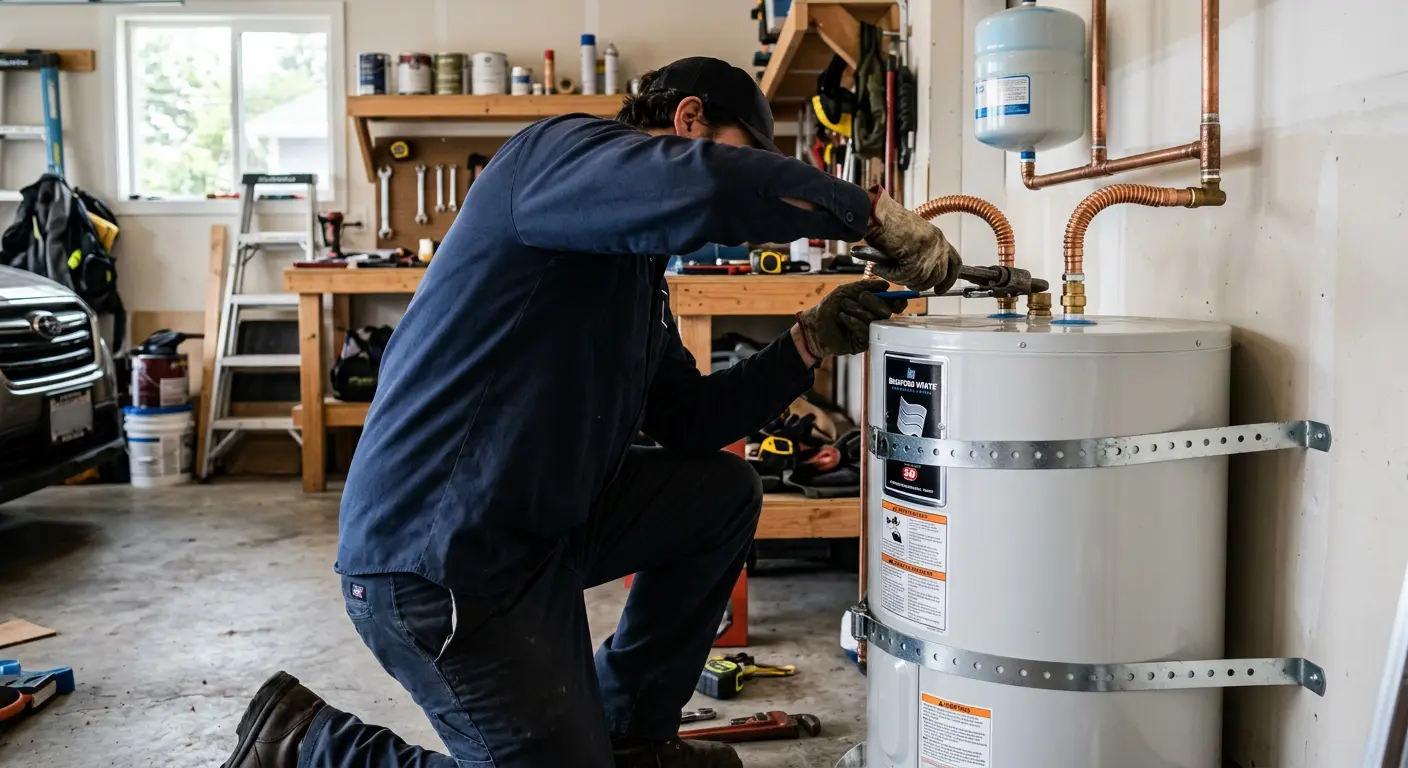
Typical replacement cost (installed)
Across the US, a straightforward same-fuel replacement often lands in these ballparks (pricing shifts by region and season, so treat these as planning ranges, not a bid). As of 2026, these ranges generally track what you see in contractor estimates plus common retail equipment pricing.
- Tank water heater (gas or electric): $900 to $2,500 installed
- Tankless water heater (gas or electric): $2,500 to $6,500 installed
- Hybrid heat pump water heater: $2,000 to $4,500 installed
If your job needs venting changes, a panel upgrade, a gas line resize, relocation, direct-vent or power-vent changes, or you are converting fuel types, costs can climb to $4,000 to $10,000+ depending on scope.
Cost breakdown by line item
Most quotes can be translated into five buckets. If an estimate is missing one, it usually means it is baked into labor or it is waiting to surprise you later.
1) Unit cost
- Electric tank (30 to 80 gallon): $350 to $1,200
- Gas tank (30 to 75 gallon): $500 to $1,800
- Gas tankless (entry-level to premium, non-condensing to condensing): $900 to $3,500+
- Electric tankless (point-of-use or smaller capacity): $400 to $900
- Electric tankless (whole-home units): $800 to $2,500+
- Hybrid heat pump (typically 50 to 80 gallon): $1,200 to $3,000
What changes the unit price: capacity, first-hour rating, efficiency tier, stainless or upgraded tank materials, brand, warranty length, and whether the tankless model is condensing.
2) Labor
- Basic tank swap, same fuel, easy access: $400 to $1,200
- Tankless install (more piping, venting, tuning): $1,200 to $3,500
- Hybrid install (often includes electrical and condensate work): $800 to $2,000
What changes labor: tight closets, attic installs, stairs, rusted valves, old galvanized piping, relocating the unit, bringing a setup up to current code, and whether the installer needs multiple trades (plumbing plus electrical).
3) Permits and inspections
- Typical permit and inspection: $50 to $500
- Higher-cost areas or more complex scope: $500 to $1,000+
Some metro areas can exceed $1,000 when plumbing and mechanical permits stack, or when multiple inspections are required. Many jurisdictions require a permit for replacement, especially for gas units, venting work, and conversions. If a contractor says, “No permit needed anywhere,” I would at least ask them to show you the local requirement in writing.
4) Venting changes
- Reuse existing venting (still code compliant): $0 to $200
- Minor vent updates (new connector, proper slope, supports): $200 to $800
- New venting route or type (B-vent, PVC, sidewall termination): $800 to $2,500+
Even when a contractor says “no vent changes,” you may still need a new draft hood connector or small pieces to meet code. Venting is also where gas tank types matter: atmospheric vent, power vent, and direct vent all have different materials, clearances, and termination rules. Tankless units frequently trigger venting costs because many models require specific materials and maximum lengths. Condensing tankless units may vent with PVC but also need a condensate drain or pump.
5) Haul-away and disposal
- Old heater removal and disposal: $0 to $200 (sometimes included)
- Difficult removal (attic, crawlspace, extra labor): $200 to $600
If you are comparing two quotes, confirm whether haul-away is included and whether it assumes an easy path out of the house.
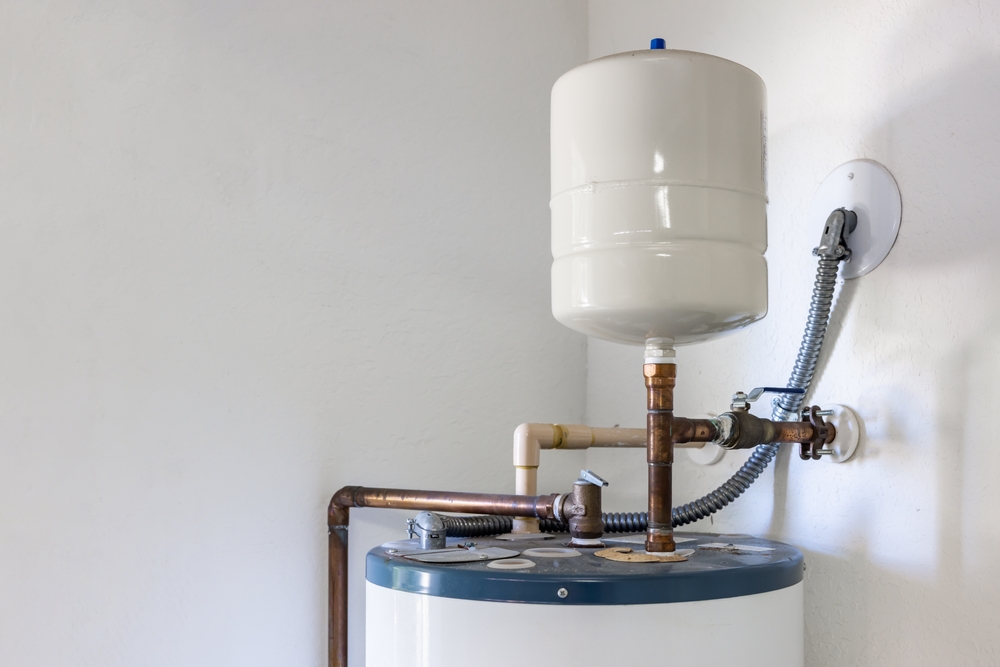
Common add-ons ($50 to $800+)
These are not automatic upsells. Many are legitimate code or safety items. The key is knowing which ones your job truly needs.
Plumbing basics
- Water shutoff valve replacement: $50 to $250
- Flexible connectors, dielectric unions, fittings: $25 to $150
Safety and code items
- Thermal expansion tank: $50 to $250 installed (often required with a closed plumbing system, commonly created by a PRV, check valve, or backflow device)
- Drip pan and drain line: $50 to $300 (common in closets or finished areas)
- T and P relief valve piping updates: $50 to $300
- Seismic straps (some regions): $50 to $200
- Gas sediment trap and drip leg updates: $50 to $250
Tankless, condensing, and comfort upgrades
- Condensate neutralizer or pump (condensing units, some hybrids): $100 to $600
- Recirculation pump or crossover valve (optional): $200 to $900+
Tank vs tankless vs hybrid
Tank replacement
This is usually the most affordable route, especially when you keep the same fuel type and the same general size. The installation is simpler and your home likely already has the right venting (gas) or circuit (electric).
Installed range: $900 to $2,500
Tankless replacement
You pay more up front for equipment, labor, and often venting and utility upgrades. In return, you get continuous hot water within the unit’s capacity and space savings. The catch is that a “tankless swap” is rarely a swap. It is a small remodel of your plumbing and sometimes your gas or electrical service.
Installed range: $2,500 to $6,500 (can be higher with upgrades)
Hybrid heat pump replacement
Hybrids cost more than standard tanks but often less than tankless installs. They usually need a dedicated electrical circuit and enough air volume around the unit. They also create condensate, like an air conditioner, so you may need a drain or pump.
Installed range: $2,000 to $4,500
Operating costs and lifespan
If you are trying to decide, not just price, here is the quick version. Standard tanks are typically the cheapest to install and easy to service, but they can cost more to run than a hybrid. Tankless units can last longer than tanks in many homes, but they trade “simple” for “maintenance,” especially in hard-water areas.
- Typical lifespan (very rough): tank 8 to 12 years, tankless 15 to 20 years, hybrid 10 to 15 years
- Typical operating cost trend: hybrid often lowest, standard tank middle, tankless depends heavily on fuel costs and your usage pattern
- Maintenance reality: tankless usually benefits from periodic flushing or descaling, and hard water can add filter or treatment costs
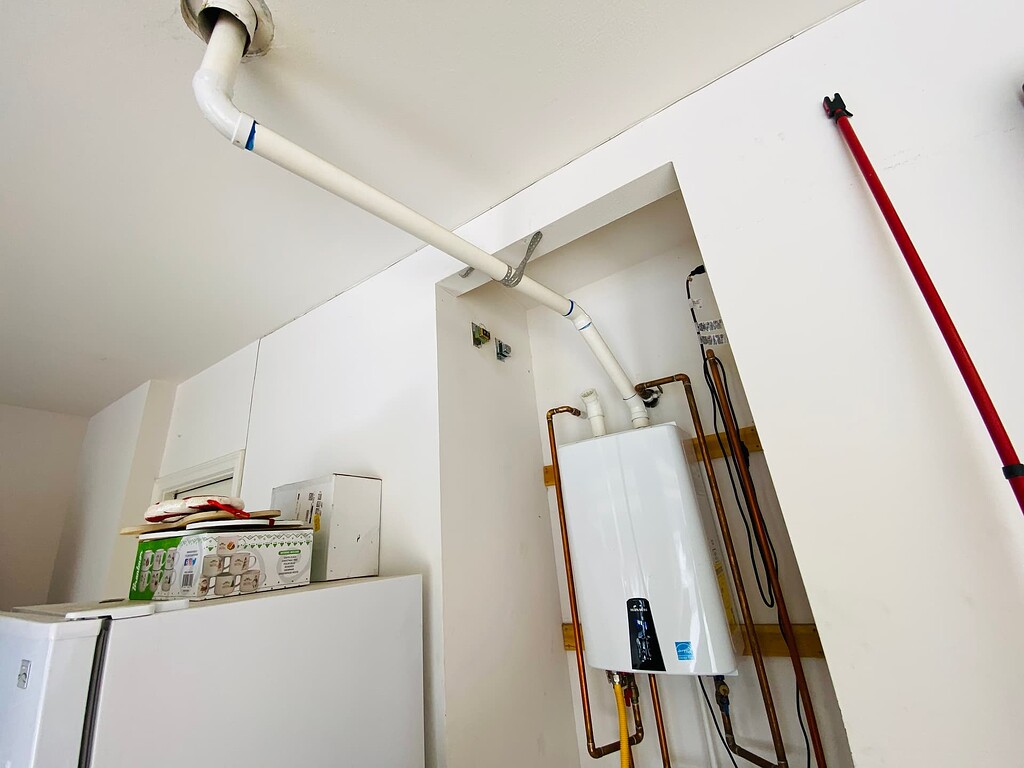
Gas vs electric
Same-type replacements are usually the cheapest. Conversions can be great long-term choices, but they are where budgets go to get creative.
Replacing gas with gas
- Usually requires venting compliance checks and a review of the gas shutoff and sediment trap.
- Costs rise quickly if the vent material or route must change, or if you are moving between atmospheric, power-vent, and direct-vent setups.
Typical installed: $1,100 to $2,800 for tank, $2,800 to $7,500 for tankless depending on venting and gas line needs.
Replacing electric with electric
- Often the simplest install if the circuit and breaker are correctly sized and up to current standards.
- Whole-home electric tankless can require very large amperage and multiple breakers, which commonly triggers a panel upgrade.
Typical installed: $900 to $2,300 for tank, $1,800 to $5,500 for electric tankless depending on electrical upgrades.
Conversion costs
Conversions are where you should insist on itemized estimates. “Convert to gas” can mean a new line across the basement, a new meter, and new venting. Or it can mean a short run with easy vent access. Those are not the same job.
Gas to electric (or gas to hybrid)
- Typical added cost: $200 to $2,000+
- Common drivers: adding a 240V circuit, running wire through finished spaces, upgrading breakers, adding a condensate drain (hybrid), and space or airflow requirements.
In some homes, the electrical panel has no spare capacity. If a panel upgrade is required, that can add $1,500 to $4,000+ depending on your setup, permit requirements, and local pricing.
Electric to gas
- Typical added cost: $500 to $3,500+
- Common drivers: running a new gas line, sizing that line correctly, adding or changing venting, roof or sidewall penetrations, and permit requirements.
If the gas meter or service needs upgrading, costs can rise further. Some utilities handle parts of this. Some do not. Your installer should be clear about what is included and what is not.
Regional and timing price bumps
If your quote seems “high for the internet,” it might be high for your zip code. A few common drivers:
- High-cost metros and union markets: higher labor rates and permit costs
- Rural travel or limited competition: trip charges and scheduling premiums
- After-hours or emergency replacement: the same job, but with overtime and rushed procurement
- Seasonal spikes: cold snaps and holiday weeks can push pricing up
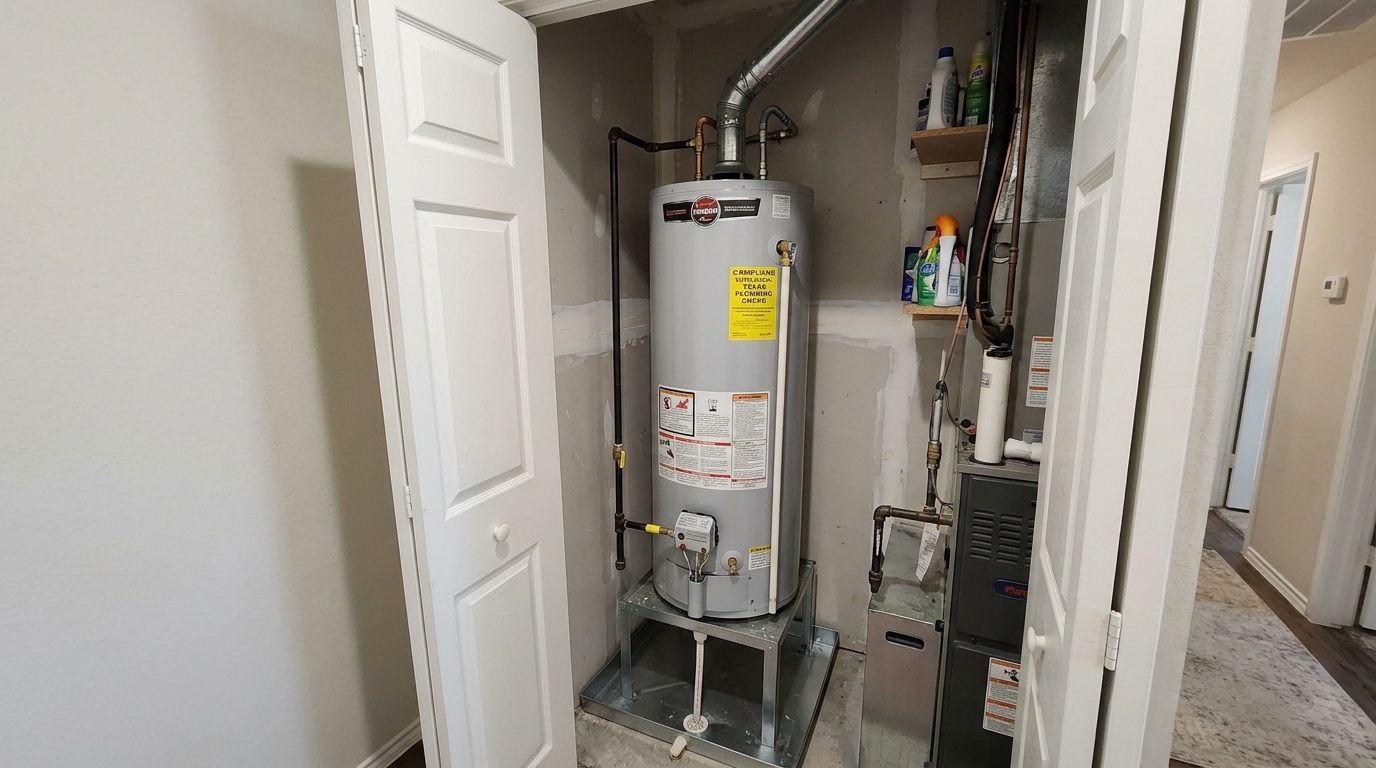
Size upgrades
Changing size is sometimes as simple as buying a different tank. Other times it changes clearances, venting, gas input, and even whether the space can legally hold the new unit.
Upgrading a tank size
- Common upgrade: 40 to 50 gallon, or 50 to 75 gallon
- Typical added cost: $100 to $600 for the larger unit, plus possible labor if piping needs rework
Gas tanks with higher BTU inputs can require verifying gas line sizing. Taller or wider tanks can require a new pan or changes to vent connector alignment.
Going tankless for more demand
- Typical added cost: $200 to $1,500+ depending on model and whether utilities must be upsized
For gas tankless, higher flow often means higher BTUs, which may require a larger gas line. For electric tankless, it can mean more amperage than your panel can provide.
Hybrid sizing notes
Hybrids are still tanks. If you are moving from a standard electric tank to a hybrid, you might choose a larger capacity so the heat pump can do most of the work without leaning on the resistance elements. That can add unit cost, and it can also change physical fit.
Venting and access
If two neighbors have “the same” water heater but wildly different quotes, it is often one of these:
- Venting complexity: long runs, multiple elbows, roof work, sidewall termination, or switching vent types
- Access: attic installs, crawlspaces, tight closets, finished basements, or long carries to the truck
If your current unit is in a hard-to-reach location, ask contractors to describe the removal plan and whether the quote assumes two technicians.
Rebates and credits
Heat pump water heaters are the ones most likely to qualify for meaningful incentives, but the details vary by location and income. Before you sign, ask the installer for the model number and check:
- Federal incentives: programs and eligibility change, so confirm current rules before purchase
- Utility rebates: some require pre-approval or specific efficiency tiers
- Local programs: cities and states sometimes add their own incentives
The practical takeaway: the sticker price is not always the net price, especially for hybrids.
How to compare installer quotes
A good quote should read like a tiny checklist of what you are buying, not just a single number. Here is what to look for.
Get these details in writing
- Exact model number of the water heater (brand and series matter)
- Fuel type and capacity (and for tankless, whether it is condensing)
- What is included: valves, connectors, expansion tank, pan, T and P discharge piping, seismic straps where applicable
- Venting scope (reuse existing vs replace vs reroute, and what parts are new even if “reused”)
- Electrical scope (new circuit, disconnect, condensate pump power, panel changes)
- Permits and inspection (included or not, and who schedules)
- Haul-away (included or line item)
- Warranty clarity: manufacturer warranty vs labor warranty, and who handles warranty calls
Three comparison tricks
- Make them price the same target: ask each installer to quote the same capacity and similar efficiency tier, then compare apples to apples.
- Separate code updates from optional add-ons: code items should be clearly justified. Optional items should be labeled optional.
- Look for vague language: phrases like “as needed” or “up to code” without specifics can hide real costs. Ask, “What would make this price go up on install day?”
Red flags
- No mention of permits where permits are commonly required
- No discussion of venting on a gas job
- A tankless quote that does not address condensate (for condensing units) or gas line sizing
- Pressure tactics, especially “today only” pricing for a non-emergency
Quick FAQs
Is it cheaper to replace a water heater myself?
DIY can reduce labor cost, but water heaters involve scalding water, gas or high-voltage electricity, and code requirements. If you DIY, you still may need permits and inspections, and mistakes can be expensive. Many homeowners choose a pro install for safety, speed, and warranty simplicity.
Why is tankless installation so expensive?
Tankless often triggers additional work: dedicated venting, condensate management (condensing models), more complex piping, and sometimes utility upgrades like a larger gas line. Electric whole-home tankless can also require major electrical upgrades.
Does replacing a water heater increase home value?
It is more of a “prevent value loss” move. A new unit can reassure buyers and reduce inspection objections, especially if the old heater is beyond typical service life or shows corrosion.
Can I lower replacement cost without buying the cheapest heater?
Often, yes. Keeping the same fuel type, avoiding relocation, choosing a unit that fits existing venting and electrical capacity, and scheduling the work before it becomes an emergency can all help.
The simplest way to budget
If you want a quick, realistic budget without overthinking it: pick your heater type, then add a cushion for “house reality.”
- Standard tank: plan $1,200 to $2,500 unless venting or access is tricky
- Hybrid: plan $2,000 to $4,500, and confirm electrical and drainage
- Tankless: plan $3,000 to $6,500, and ask specifically about venting and gas or electrical upgrades
Then get two to three itemized quotes and compare the scope, not just the total. A water heater is a box that heats water. The price is the story of your house.
The 30-Second Cheat Sheet
Essential takeaways for: Water Heater Replacement Cost
Fast cost ranges (installed)
- Tank (gas or electric): $900 to $2,500
- Tankless (gas or electric): $2,500 to $6,500
- Hybrid heat pump: $2,000 to $4,500
- Conversions or major upgrades: often $4,000 to $10,000+
What a quote should break out
- Unit cost: $350 to $3,500+ (type and size drive this)
- Labor: $400 to $3,500
- Permits/inspection: $50 to $500+ (some metros can exceed $1,000)
- Venting changes (gas jobs): $0 to $2,500+
- Haul-away: $0 to $200 (more if hard access)
Biggest “surprise” add-ons
- Venting updates or reroute (gas)
- Gas line sizing changes (tankless upgrades)
- New 240V circuit or panel upgrade (hybrid or whole-home electric tankless)
- Expansion tank, pan, T and P discharge piping updates (code items in many areas)
- Condensate drain or pump (condensing tankless, many hybrids)
Quote comparison checklist
- Get the exact model number in writing
- Confirm permit included and who schedules inspection
- Ask: “Any reasons the price could increase on install day?”
- Make sure venting, electrical, and haul-away are explicitly included or explicitly excluded
💡 Tip: Scroll up to read the full article for detailed, step-by-step instructions.
⬆️ Back to top
About Grit
Content Creator @ Grit & Home
Grit is Grit & Home’s little blue clay courier, delivering big questions about the place you call home. Expect practical ideas, a raised eyebrow, and a satchel full of curiosity.