
🚨 In a DIY emergency or rush?
Skip the details and jump straight to our 30-second cheat sheet for the most crucial info.
The first time I flushed my old 1970s-era tank, I felt pretty proud of myself. The drain ran clear, the rumbling quieted down, and I thought I’d just bought myself a few more years of service.
Then my wife yelled from the shower: no hot water.
If you just flushed your water heater and the hot water disappeared immediately after, don’t jump straight to worst-case diagnosis. Most “no hot water after a flush” situations come from a simple step that got missed during shutdown and restart. Below is the exact order I’d check things, from easiest and most common to the ones that can actually damage parts.
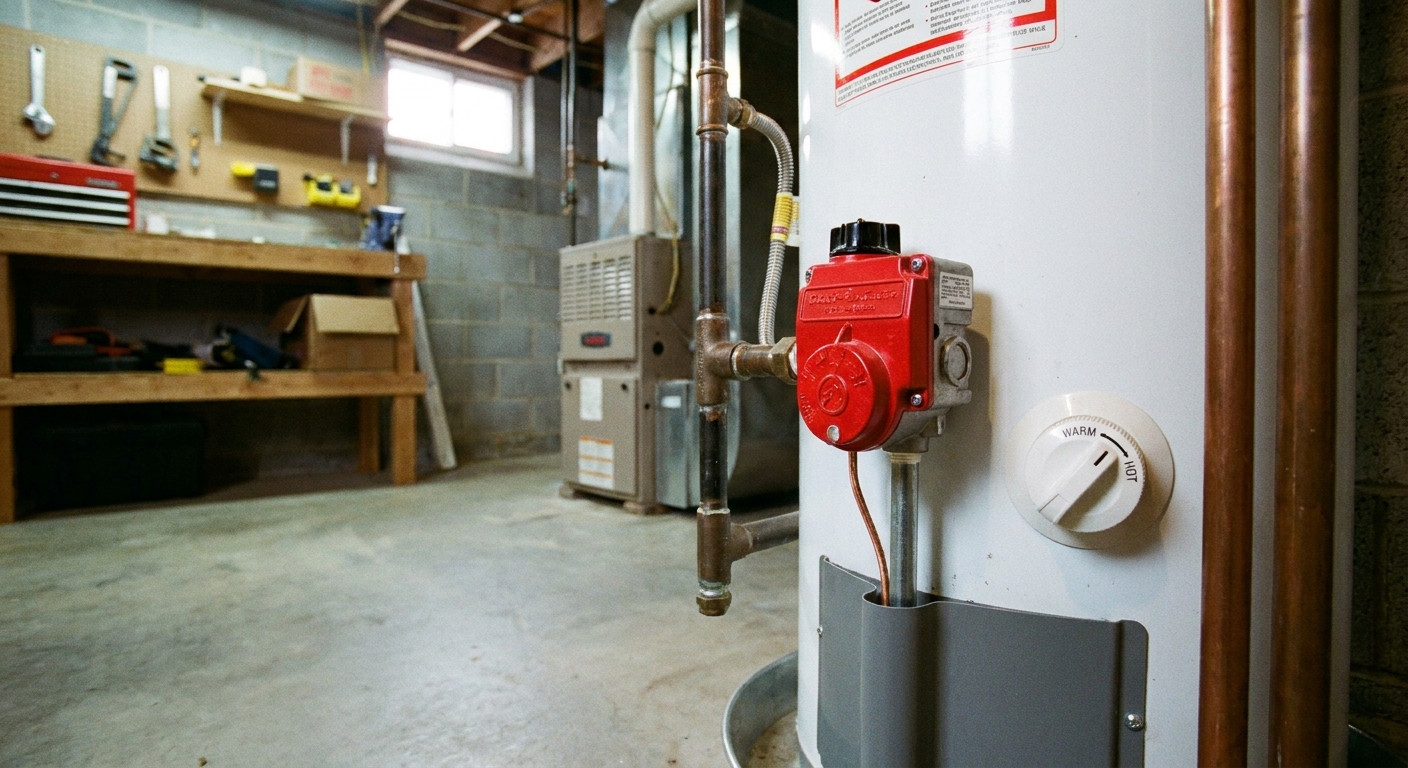
Before you start: a quick safety pause
Water heaters mix electricity or gas with water. That’s a combo that deserves a little respect.
- If you smell gas, do not troubleshoot. Leave the area and contact your gas utility or a licensed plumber.
- If there is any water leaking onto wiring (electric water heater, nearby outlet, or junction box), shut off power at the breaker and address the leak before doing anything else.
- If your tank was ever fully drained and you suspect the power was on during that time, skip ahead to the section on heating elements. A dry-fired element can fail fast.
Step 1: Make sure the water supply valves are open
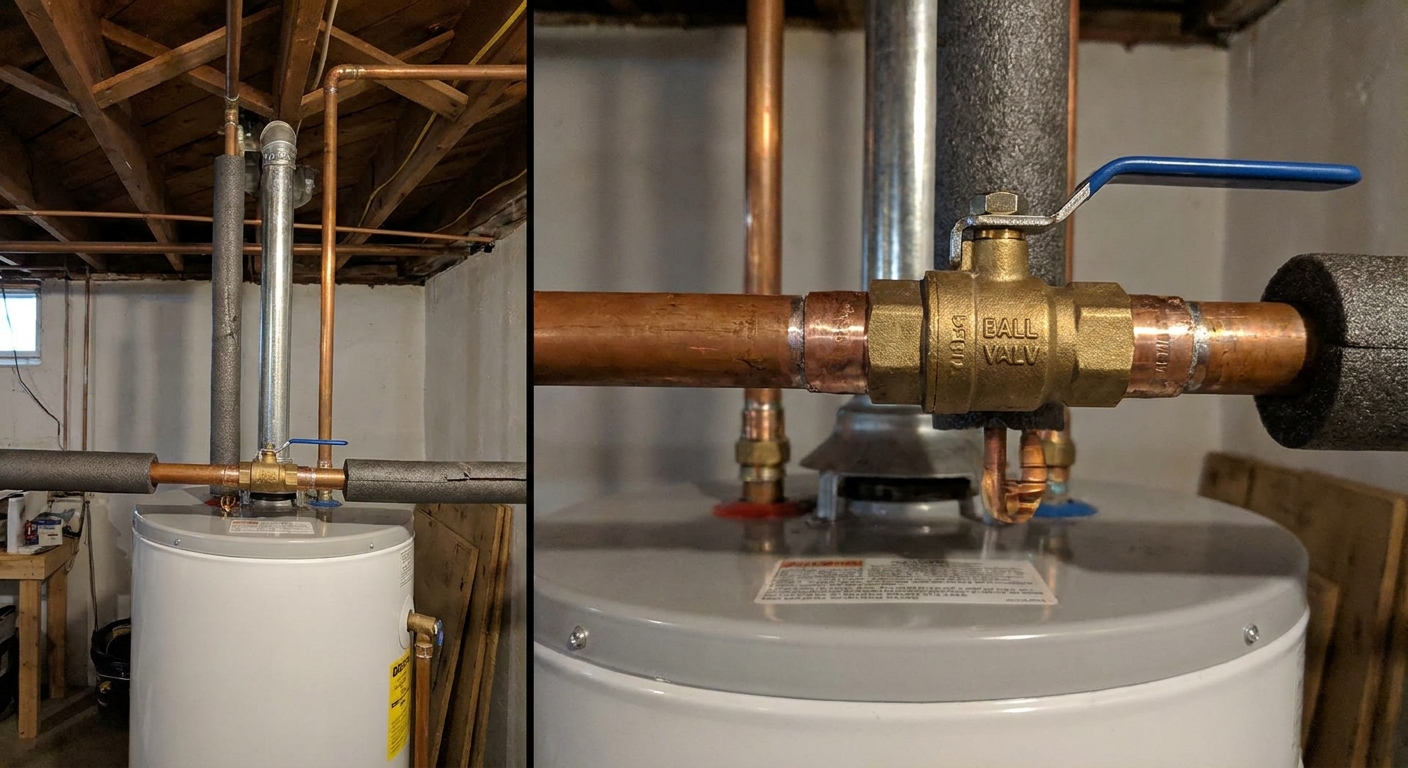
This is the number one post-flush gotcha. During a flush you typically close the cold water inlet, and it is easy to forget to open it fully when you’re focused on hoses and draining.
What to check
- Cold water shutoff above the heater: This valve must be fully open for the tank to refill. A handle that is perpendicular to the pipe is usually OFF on a ball valve. A round handle (gate valve) should be turned counterclockwise until it stops, gently.
- Any new quarter-turn valve you installed for the flush: Same deal. Make sure it is open.
- Hot outlet valve (less common): Some installations have a valve on the hot outlet. If it is closed, you may have pressure in the system but little or no hot flow at fixtures.
Quick test
Run a hot faucet for 30 to 60 seconds (or a full minute if you have long runs). If it sputters a bit and then goes to a steady cold stream, the tank may be empty or not refilling. If it runs normally and never warms up after recovery time, move to Step 2 and Step 3.
Step 2: If it’s gas, confirm the pilot and control settings
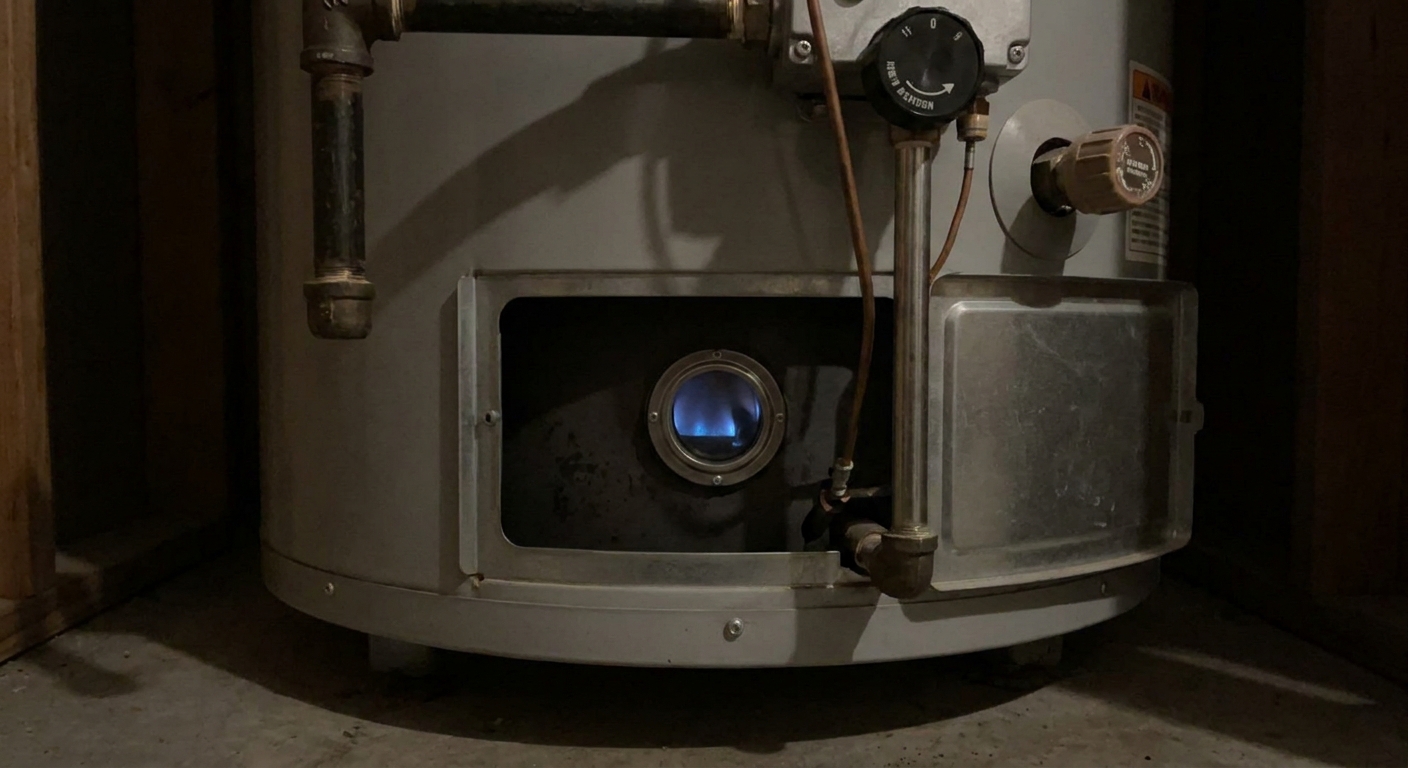
If you have a gas water heater, flushing often involves turning the gas control to OFF or PILOT. If it never got relit, you will get endless lukewarm to cold water.
What to look at on the gas control
- Control knob position: It should end up on ON (not OFF, not PILOT) once the pilot is lit.
- Status light (on many models): A blinking LED often indicates whether the pilot is lit and if there is an error code.
- Temperature setting: Make sure it is not set to Vacation. A common target is around 120°F.
How to relight, safely
Follow the lighting instructions printed on your heater’s label. Many modern units are designed to be lit with the built-in igniter, and some sealed burner designs are not meant to be lit with an open flame. The general pattern is: turn knob to OFF, wait 5 minutes, turn to PILOT, hold down, use the igniter as directed, keep holding until the pilot stays lit, then turn to ON.
Stop and call a pro if the pilot will not stay lit after a couple tries, you see soot around the burner area, or the unit shows a persistent error code you cannot clear.
Step 3: Purge air and confirm the tank is full
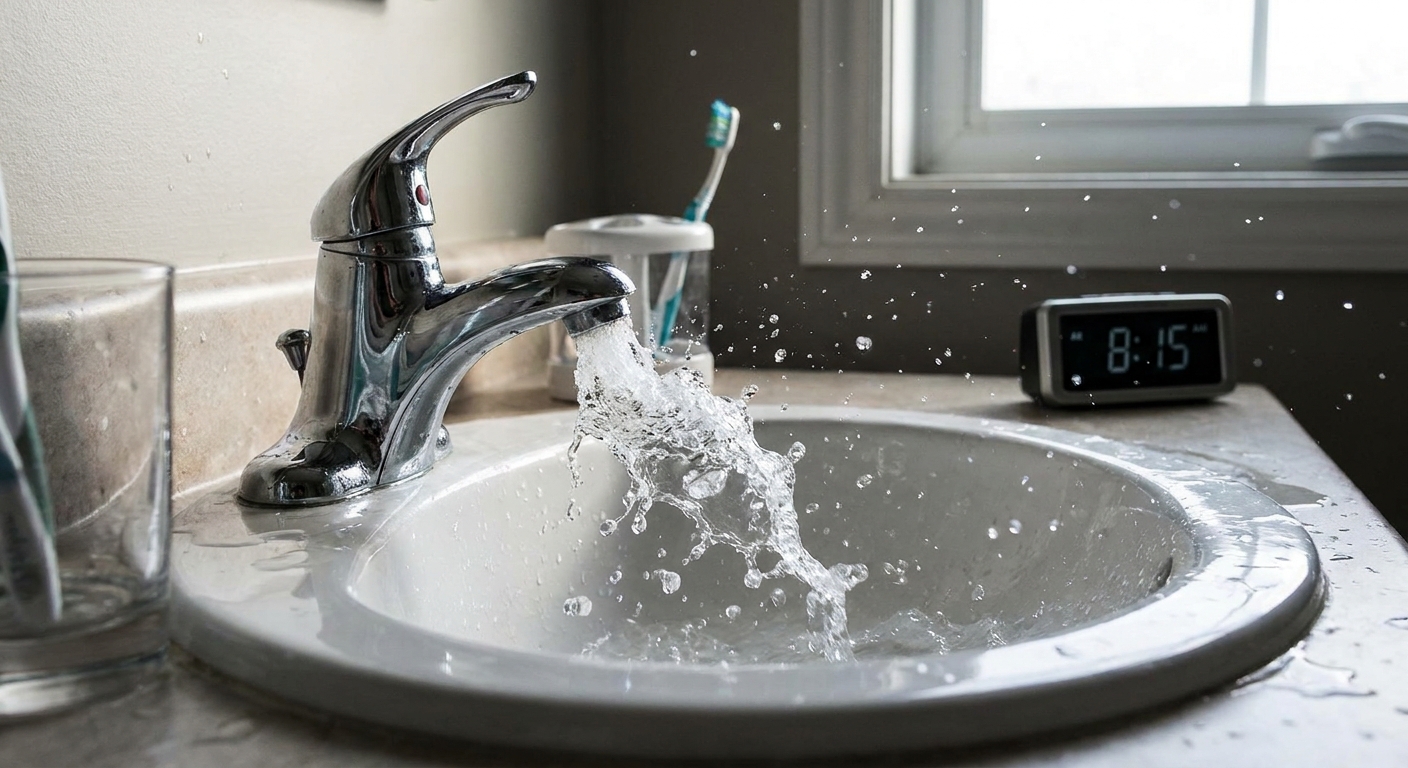
After a flush, it’s common to trap air in the plumbing. Air pockets can make faucets sputter and reduce flow. If you have a hot water recirculation loop, air can also interrupt that loop until it is purged.
The simple purge method
Open a hot water faucet at a sink or tub, ideally the highest one in the house.
Let it run until the sputtering stops and you get a strong, steady stream.
Repeat at a couple other fixtures, including the one that seems worst.
How to tell if the tank is full (important for electric heaters)
With a hot faucet open, once the tank is refilled you should get a steady stream that does not sputter. If the flow stays weak and spitty for a long time, or stops, the tank may not be fully filled yet or the cold inlet is not fully open.
Thrifty homeowner tip: If you have an electric water heater, do not restore power until you are confident the tank is completely full and air is purged. That is how you avoid cooking an element.
Step 4: If it’s electric, check the breaker and reset
I can’t tell you how many dead appliances are just a breaker left off after maintenance. Water heaters are no different.
What to check
- Breaker: Find the water heater breaker (often a double-pole 240V). Flip it fully OFF, then back ON.
- Disconnect switch: Some heaters have a nearby service switch or disconnect. Make sure it is ON.
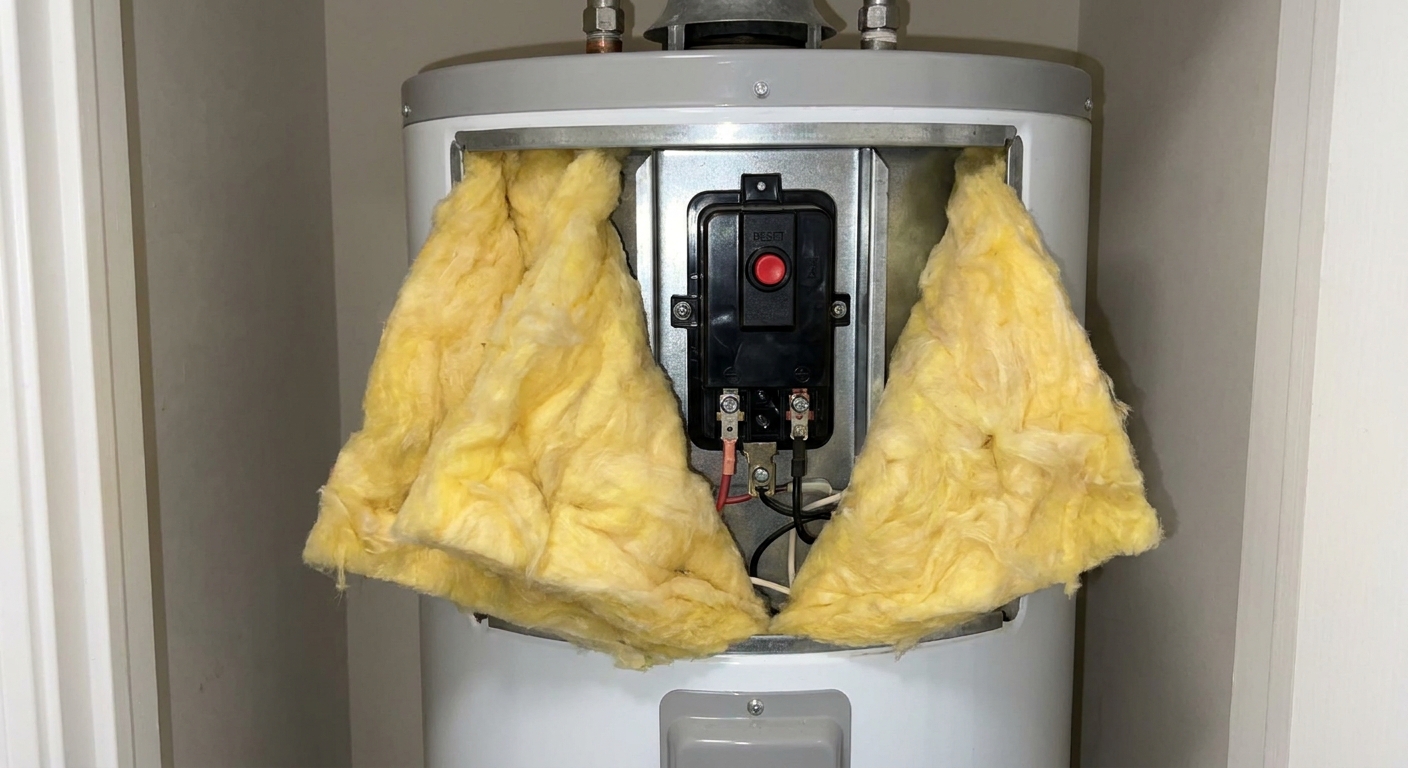
- High-temperature limit reset (red button): Many electric heaters have a reset button behind the upper access panel. If it tripped, you will not get heat.
How to check the reset button
Turn the breaker OFF. Remove the upper access panel and fold insulation back. Press the red reset button firmly. If it clicks, it had tripped. Put insulation and cover back, then turn breaker ON.
Stop and call if it trips again quickly. That can indicate a thermostat or wiring issue that is better handled by a pro.
Step 5: Check for element or burner problems
This is the first step on the list that can move from oops into parts might be damaged. It is also why I always restart a heater slowly and deliberately after a flush.
If you have an electric water heater
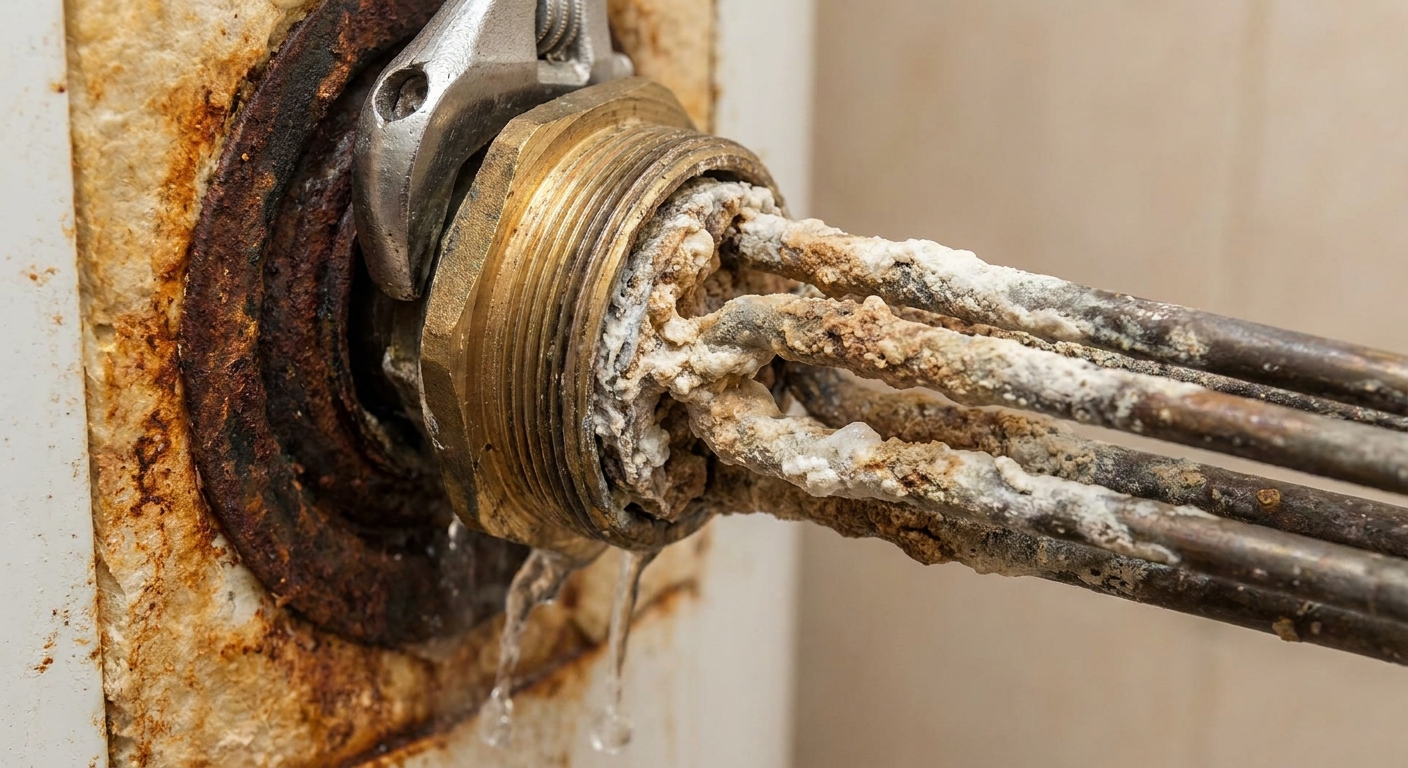
If the power was turned on while the tank was empty or partially empty, an element can dry-fire and fail. The symptom is usually: tank refilled, breaker on, water flows fine, but it never heats.
At this point, you are in multimeter territory. If you are comfortable and safe with electrical testing, you can test element continuity and thermostats. If not, this is a good time to bring in a plumber or electrician.
Clues an element may have failed right after a flush:
- No hot water at all, even after 2 to 3 hours (or your heater’s typical recovery time)
- Breaker stays on (no trip), but water never warms
- You heard sizzling or popping right when power was restored
If you have a gas water heater
If the pilot is lit and the control is set to ON but the burner never fires, you could be dealing with a control issue or airflow problems. On FVIR models, the flame arrestor or intake screen at the bottom can clog and starve the burner of air, sometimes right when you bump or stir up dust during maintenance.
Stop and call a pro if the burner will not light, the flame looks weak or irregular, or you see any signs of scorching, soot, or melted components.
How long to get hot water back
Even when everything is correct, you will not get instant hot water right after a flush. You emptied hot water out of the tank and replaced it with cold.
- Gas tank water heater: often 30 to 60 minutes to notice improvement, and up to 1 to 2 hours for a full tank to recover. This varies by tank size, burner input (BTU), and incoming water temperature.
- Electric tank water heater: commonly 1 to 2 hours for meaningful recovery, and up to 2 to 3 hours depending on tank size, element wattage, and incoming water temperature.
If you have lukewarm water, that can be normal during recovery. If you have zero improvement after the times above, work through the steps again and then consider professional help.
When to stop and call for help
I’m all for building confidence and saving money. But water heaters are one of those appliances where a small mistake can become expensive or dangerous.
- You smell gas or suspect a gas leak
- The pilot will not stay lit after a couple tries
- Breaker trips repeatedly or the reset will not stay set
- You suspect an electric element was powered while the tank was empty
- There is water leaking from the tank body, not just a loose hose connection
- You see scorched wiring, melted insulation, soot, or charring
Quick checks people miss
A couple other real-world gotchas can mimic a post-flush failure.
Thermostatic mixing valve
If your system has a mixing valve (often installed on the hot outlet to prevent scalding), a stuck or failed valve can leave you with lukewarm water everywhere, even if the tank is hot. If you suspect one, check whether the valve was bumped during the flush and look for a temperature adjustment knob that got turned down. If it is stuck or leaking, that is usually a replace-it part.
Dip tube issues
This is less of an immediate after-flush issue, but it is worth knowing: a broken dip tube can cause hot water to run out fast or show up as inconsistent temperatures. If your heater is older and the problem does not line up with the flush steps above, a plumber may check this next.
A simple prevention routine for next time
If you flush again in the future, this restart sequence prevents most post-flush headaches:
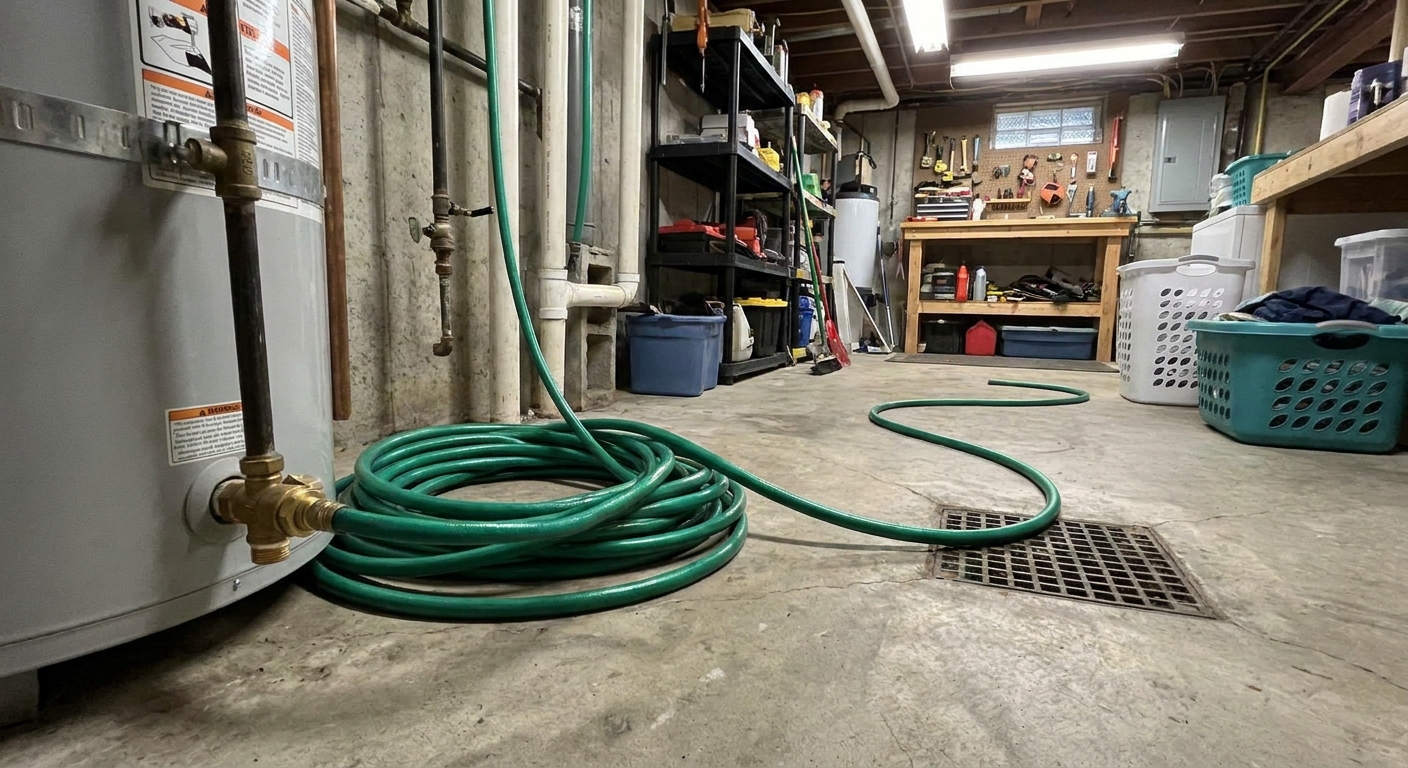
- Close the drain valve and remove the hose.
- Open the cold water supply fully and let the tank fill.
- Open a hot faucet until the air is purged and the stream is steady.
- Only then, restore power (electric) or relight and set to ON (gas).
That order is boring, and boring is exactly what you want with a water heater. It is also the sequence I wish I had followed before I got the no hot water yell from the shower.
The 30-Second Cheat Sheet
Essential takeaways for: No Hot Water After Flushing a Water Heater? Fix It in This Order
Fix no hot water after a flush (fast checklist)
- Open valves: Cold inlet valve above the heater fully open. Check any hot outlet valve too.
- Gas heater: Control set to ON (not OFF or PILOT). Confirm the pilot is lit. Follow the lighting label exactly.
- Purge air: Run the highest hot faucet until sputtering stops and flow is steady. This also helps confirm the tank is full.
- Electric heater: Breaker ON (flip OFF then ON). Check any disconnect switch. Press the red high-limit reset behind the upper panel (power OFF first).
- Possible dry-fired element: If power was on while the tank was empty, an element may be burned out. If there is no heat after typical recovery time, consider a pro.
How long to wait
- Gas tank: Often 30 to 60 minutes to feel warmer, up to 1 to 2 hours for full recovery (varies by tank size, BTU input, and incoming water temp).
- Electric tank: Often 1 to 2 hours, sometimes up to 3 hours (varies by tank size, element wattage, and incoming water temp).
Stop and call
- Any gas smell
- Pilot will not stay lit
- Breaker keeps tripping or reset will not hold
- Leaking tank body, scorched wiring, soot, or melted parts
💡 Tip: Scroll up to read the full article for detailed, step-by-step instructions.
⬆️ Back to top
About Grit
Content Creator @ Grit & Home
Grit is Grit & Home’s little blue clay courier, delivering big questions about the place you call home. Expect practical ideas, a raised eyebrow, and a satchel full of curiosity.