
🚨 In a DIY emergency or rush?
Skip the details and jump straight to our 30-second cheat sheet for the most crucial info.
That low, steady hum from a well pump is one of those sounds that makes your stomach drop, because it often means you have power but no water. In plain terms, something is trying to start, but the system is not getting up to speed and delivering pressure.
This guide is for the specific situation where the pump (or control box) hums but the motor never takes off and runs. If your pump is completely silent when it should be running, stop here and use our no-start troubleshooting guide instead, because silent pumps tend to be a different track like power supply, pressure switch, or wiring issues.
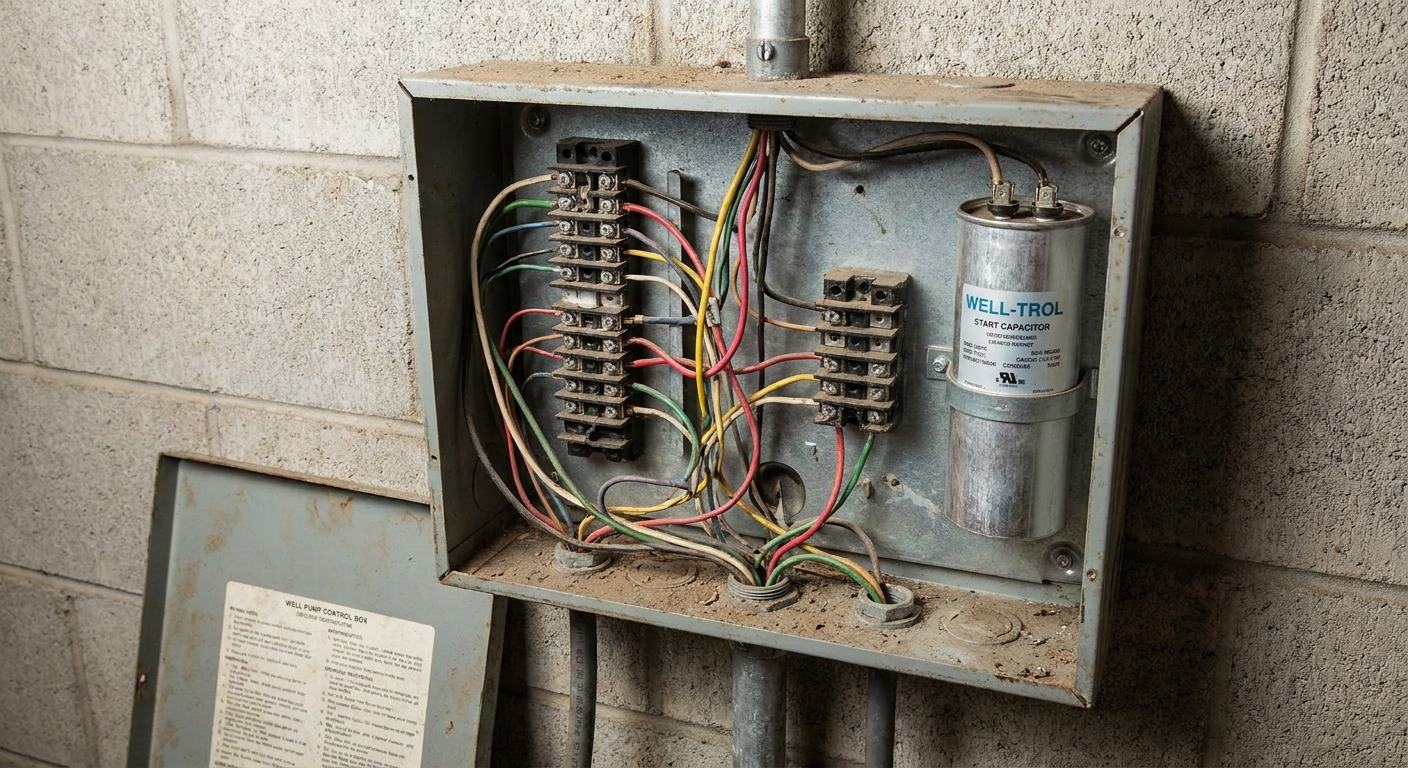
Safety first: where I want you to stop
Well systems mix water, metal, and high voltage. I am all for DIY, but there is a hard line here: do not remove covers or reach into a control box, pressure switch, or pump wiring area unless the correct breaker is OFF and you have confirmed the power is actually dead.
Stop and call a pro if any of these are true
- You are not 100 percent sure which breaker feeds the pump.
- You see melted insulation, scorch marks, or smell a burnt electrical odor.
- The breaker trips repeatedly when the pump tries to start.
- The pump is in a wet pit or standing water is present near electrical parts.
- You have a 3 wire submersible pump with a control box and you are not comfortable identifying components.
- You hear buzzing right at the pressure switch area. Do not open it. That is a good moment to hand it off.
Basic safe prep
- Turn off the pump breaker (often a 240V double pole breaker).
- Put a note on it so nobody turns it back on while you are working.
- Let the motor cool for 10 to 15 minutes if it has been humming. Humming is heat.
Quick meaning of a hum
A hum usually means the motor circuit is energized but the motor cannot get rotating. On a typical single phase well pump setup, that points to one of three buckets, with one important caveat.
- Failed start parts (most commonly a bad start capacitor, sometimes a start relay).
- Tripped overload (thermal protection opened after overheating, or a reset tripped in a control box).
- Locked rotor or stuck pump (pump or motor physically cannot turn, sometimes from debris, sand, a seized bearing, or a failing motor).
Caveat: Severe undervoltage or an open start circuit can also produce humming with little or no rotation. And sometimes what you are hearing is the control box or relay humming, not the motor itself.
The goal is to figure out which bucket you are in without poking around live parts.
Step 1: Confirm what is humming
This sounds simple, but it matters because the troubleshooting path changes.
Listen and feel, with power ON only briefly
First, make sure the system is actually calling for water. Open a faucet long enough to drop pressure until the pump should kick on, then close it and watch the pressure gauge. If the gauge is below the switch cut in setting (commonly 30 or 40 psi), the system should be calling for the pump.
With the system calling for water, flip the breaker on briefly and put a hand on the outside of components only.
- Humming at the pressure tank area could be a surface jet pump motor, a relay, or a control box humming.
- Humming at the control box (common with 3 wire submersible setups) often points to capacitor or relay problems inside the box.
- No hum near the house, but you hear a hum down the well casing can mean the submersible motor is energized but stuck.
Then shut the breaker off again before you do anything else.
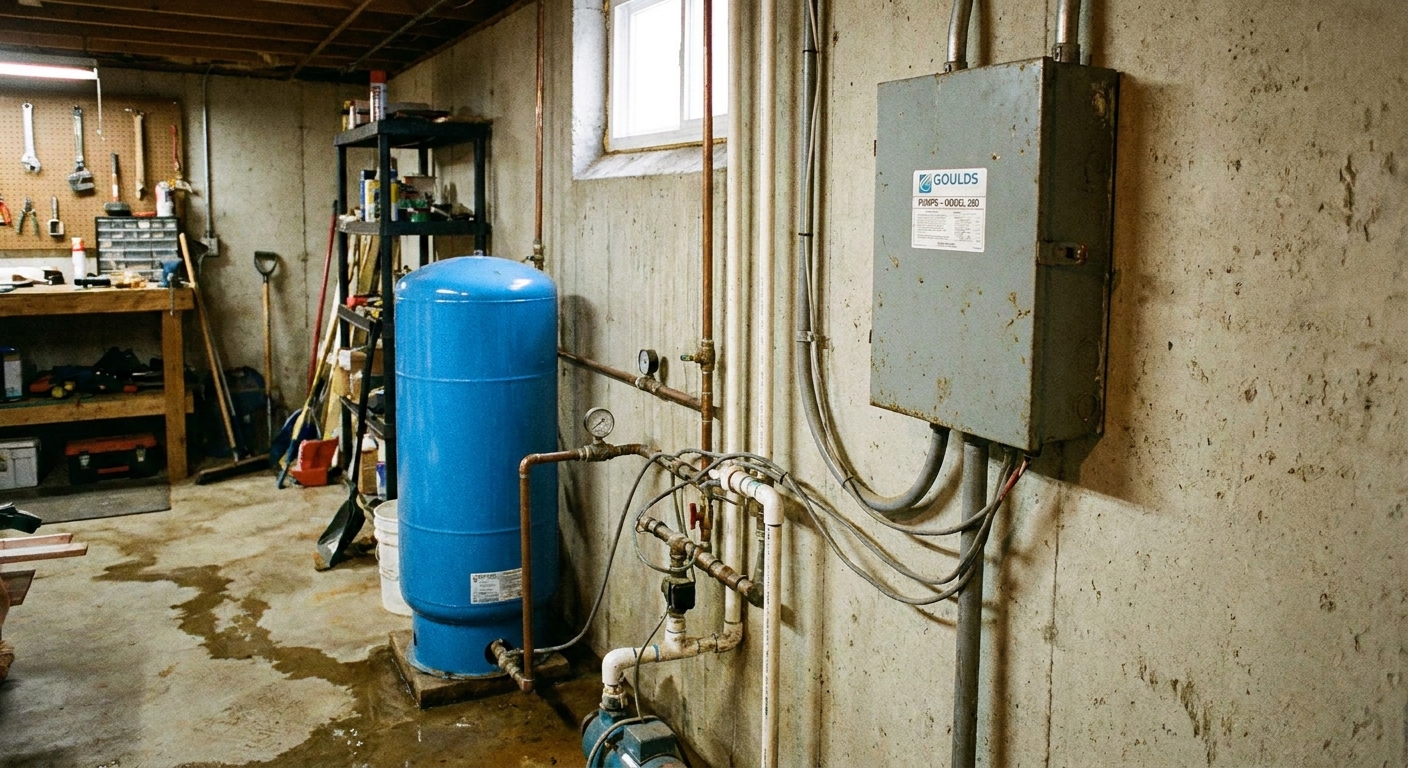
Step 2: Check for an overload trip
Overload protection is basically the pump saying, I am too hot and I am not doing this anymore. A pump that hums and then quits, or hums after a recent run, can be in this zone.
What you can check safely
- Breaker not tripped: A breaker can look half set. Turn it fully OFF, then ON.
- Control box reset: Some well pump control boxes have an external reset button. If you have one and it is clearly labeled, you can press it with the breaker OFF, then try again.
- Motor cool down: If it has been humming, let it cool 20 to 30 minutes before another attempt. Repeated start attempts can finish off a struggling motor.
If it starts after a cool down or reset, do not call it “fixed” yet. Overloads usually trip because the motor is drawing too much current, which often comes from a bad start component, failing motor, binding pump, or low voltage.
Step 3: Start parts and capacitors
If I had to bet a couple of weekend dollars on a humming pump, I would start with the start capacitor. A capacitor gives the motor an extra shove to get spinning. When it fails, the motor just sits there and hums.
First, know what you have
- 3 wire submersible pump: Usually has a separate control box on the wall. That box commonly contains a start capacitor and start relay. These are relatively serviceable parts.
- 2 wire submersible pump: Typically has no external control box. Any start components are built into the motor assembly down in the well. If a 2 wire pump hums and will not start, there is often less you can do from the house side besides basic power and plumbing checks before it becomes a service call.
- Jet pump: Above ground motors often use a start capacitor and sometimes a run capacitor, depending on the model.
Clues start parts are the culprit
- The pump hums but never spins up.
- It may start sometimes, especially after being off for a while, then fail again.
- The humming lasts a few seconds, then an overload trips or the breaker trips.
- You have a 3 wire submersible pump with a control box.
External checks you can do without opening anything
- Heat or discoloration: Feel the outside of the control box after a brief start attempt, then power back OFF. A box that is getting hot is a clue.
- Smell: A sharp electrical or burnt smell is a stop sign.
- History: If the control box is older and has never been serviced, capacitors are a common wear item.
Internal visual checks (only with power verified dead)
If you are qualified to shut off the correct breaker, verify power is dead, and work safely inside the box, an internal look can sometimes confirm a failed capacitor.
- Swollen capacitor: bulging ends or a distorted case.
- Oil leaks: oily residue around the capacitor body or bottom.
- Burn marks: heat damage at terminals or the relay.
Important: Capacitors can store a charge even with power off. Testing and replacing them is very doable for an experienced DIYer, but it is not a beginner friendly first electrical project. If you are not comfortable verifying power is dead and safely discharging a capacitor, this is a good handoff to a pump tech or electrician.
Also note: some motors use a run capacitor in addition to or instead of a start capacitor. A weak run capacitor can cause hard starting, overheating, and nuisance trips, even if the motor sometimes manages to run.
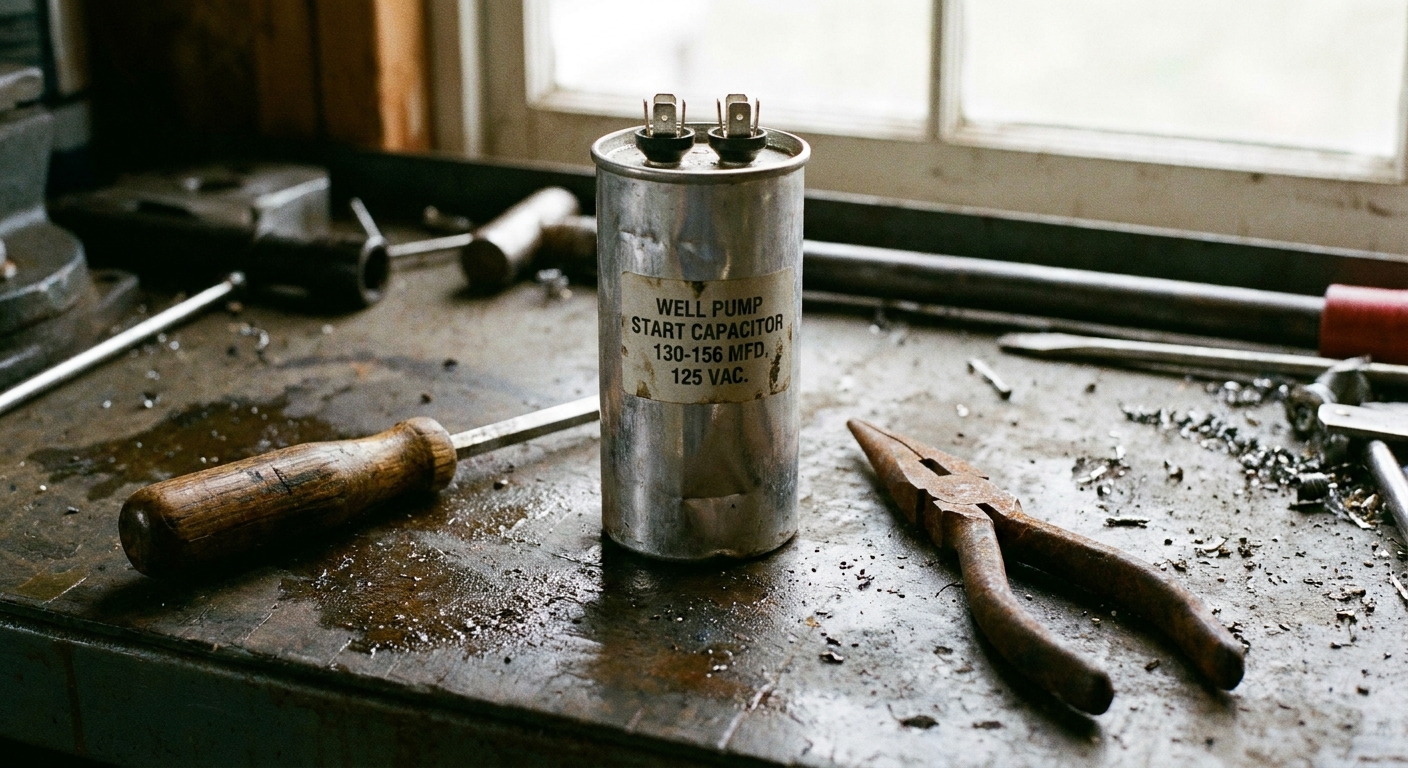
Step 4: Locked pump or stuck motor
If the start parts are not doing their job, the motor will hum. But you can also get a hum when the start parts are fine and the motor is physically unable to turn.
Common reasons pumps lock up
- Sand or sediment jammed in the pump intake or impeller (more common in shallow wells or after well work).
- Seized bearings in an older motor.
- Debris lodged in a jet pump impeller.
- Blocked line: not usually a hum cause by itself, but if the pump is dead headed against a closed valve, collapsed line, or ice, it can overheat and trip protection quickly.
What a locked condition often looks like
- The pump hums loudly, draws heavy current, and then either trips a breaker or the overload.
- Water pressure does not budge.
- The problem begins suddenly after sediment, a storm, or well service.
Safe checks you can do from the plumbing side
- Confirm the system is calling for water: Pressure gauge is below cut in pressure (commonly 30 or 40 psi depending on your switch setting). If the gauge is already above cut in, the pump should be off anyway.
- Check for obvious line issues: collapsed flexible line, smashed pipe, or closed valve between pump and tank. A closed valve can make a pump work against a dead end and overheat.
- Look for sediment signs: gritty water recently, clogged faucet aerators, or a filter that loaded up fast can hint at sand in the system.
If the pump is submersible and appears locked, the fix often involves pulling the pump. That is physically demanding, can be dangerous, and is a common point where DIY savings disappear fast. If you have never pulled a pump, it is worth getting quotes before you start unthreading things.
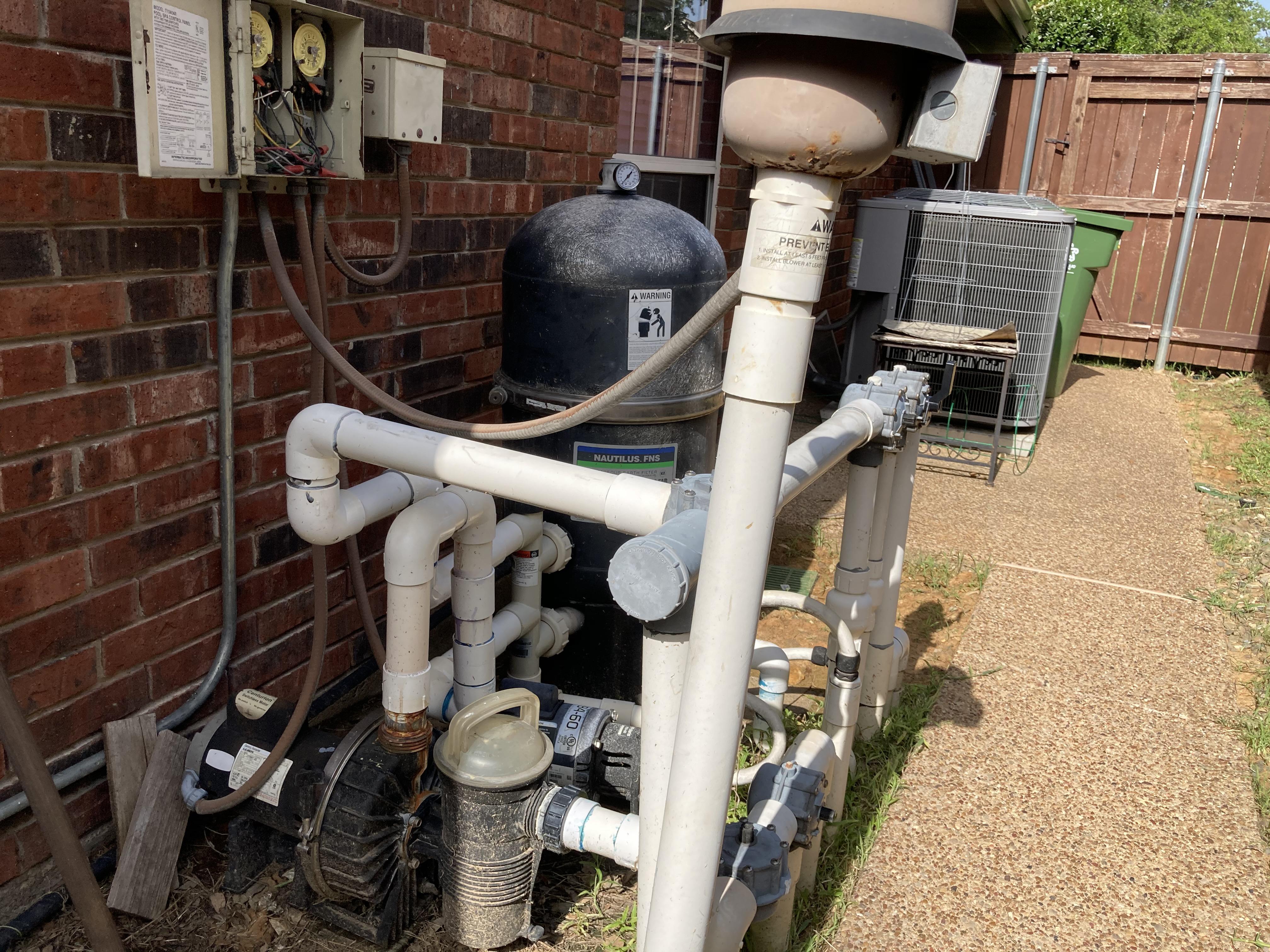
Step 5: Jet pump checks
Some homes use an above ground jet pump in a basement or pump house. These are easier to access, which is good, but it can tempt you into digging into live parts. Stay on the safe side.
Non electrical checks
- Verify it is primed: A jet pump that loses prime usually runs (spins) and you hear it, but it will not move water. A hum is more start related than prime related, but a dry pump can overheat and trip.
- Look for a stuck impeller: If you have the breaker OFF and you can access a rear shaft slot on the motor (some models do), freeing a stuck rotor is possible. If you do not know exactly what you are looking at, stop and call a pro.
What not to do
- Do not keep cycling the breaker hoping it catches. Each hum attempt heats the windings.
- Do not whack a control box or motor housing. You can crack a capacitor or loosen a connection and make it worse.
- Do not bypass safety switches or “jump” anything in the pressure switch. That crosses into risky, live electrical troubleshooting.
- Do not ignore a burnt smell. That is a stop sign.
When to call for service
If you are at the point where you strongly suspect start parts, low voltage, or locked rotor, a pro visit can be money well spent, especially if you can give them clean observations.
Helpful info to share
- Is it a submersible pump or an above ground jet pump?
- Is there a control box? Brand and model if visible.
- Is it a 2 wire or 3 wire submersible setup (if you know)? Control box usually means 3 wire.
- What happens exactly: hums continuously, hums then clicks off, hums then breaker trips.
- Any recent changes: well work, power outage, lightning, sediment, new filter clogging.
- Pressure switch settings if you know them (30/50 or 40/60) and current gauge reading.
FAQ
Why does my well pump hum but not start?
Most often, the motor is getting power but cannot begin rotating. Common causes are a failed start capacitor or relay, a tripped overload, locked rotor or pump impeller, or severe undervoltage.
Can a well pump hum because of low voltage?
Yes. Low voltage can prevent a motor from starting and can cause humming and overheating. Diagnosing voltage properly requires a meter and comfort working around electrical panels. If you suspect low voltage from a brownout, generator issue, or long wire run problems, bring in a pro.
Is it safe to replace a well pump capacitor myself?
It can be safe for an experienced DIYer who can turn off the correct breaker, verify power is dead, and properly discharge the old capacitor. Capacitors can store energy, so if this feels outside your comfort zone, this is a good task to hire out.
My pump is silent, not humming. Should I use this guide?
No. A silent pump is usually a different troubleshooting path like no power, pressure switch issues, or a control circuit problem. Use our no-start guide for that situation.
Could a dry well cause humming?
Usually a low water level or dry well causes the pump to run without building pressure, not a steady hum. If you suspect the water level is dropping, that is still worth mentioning to a pump tech because it can lead to overheating and nuisance trips.
The 30-Second Cheat Sheet
Essential takeaways for: Well Pump Hums but Won't Start? What to Check
Fast diagnosis
- Humming often means power is present, but the motor is not turning. Sometimes the hum is coming from a control box or relay instead of the motor itself.
- If the pump is completely silent when it should run, use the no-start troubleshooting path instead.
Do this first
- Turn the pump breaker OFF and let the motor cool 10 to 15 minutes.
- Reset a tripped breaker (fully OFF, then ON). If your control box has a clearly labeled external reset, press it with power OFF.
Top 3 causes of humming
- Bad start parts: motor hums, never spins up, may trip overload. Common on jet pumps and 3-wire submersibles with a control box.
- Overload tripped: hums briefly then clicks off, may restart after cooling.
- Locked pump or stuck motor: loud hum, trips breaker or overload, often needs service or pump pull.
Hard stop safety line
- Do not open a control box or pressure switch unless the breaker is OFF and you can verify power is dead.
- Stop and call a pro if you smell burning, see melted wiring, hear buzzing at the pressure switch, or the breaker keeps tripping.
💡 Tip: Scroll up to read the full article for detailed, step-by-step instructions.
⬆️ Back to top
About Grit
Content Creator @ Grit & Home
Grit is Grit & Home’s little blue clay courier, delivering big questions about the place you call home. Expect practical ideas, a raised eyebrow, and a satchel full of curiosity.